How to Plan a Small & Mid-Size Event LED System: A Rental Company’s Guide
Share:
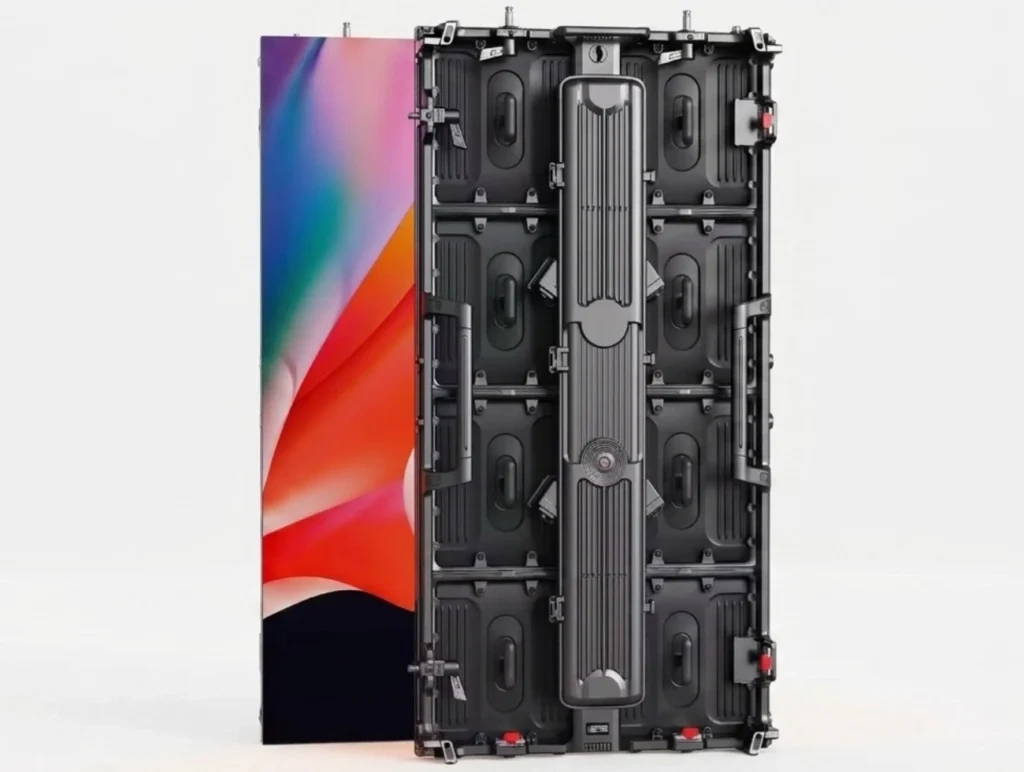
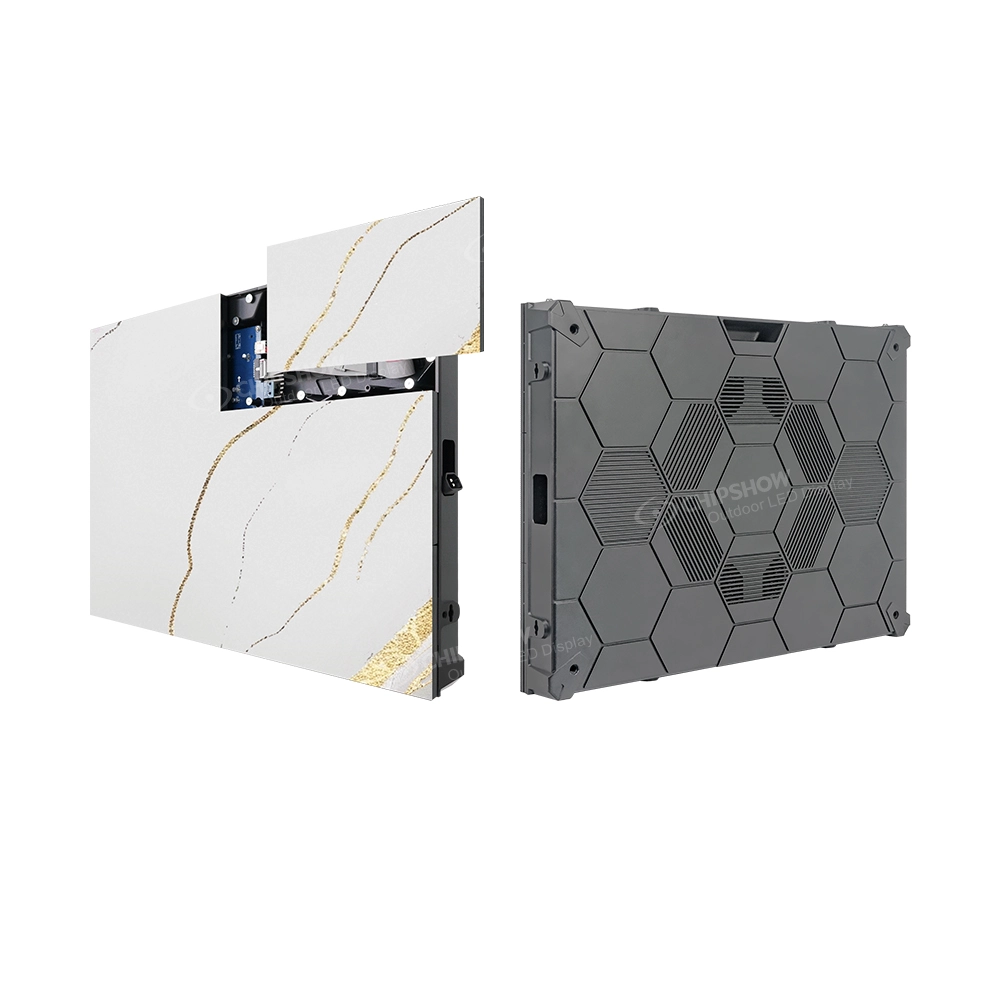
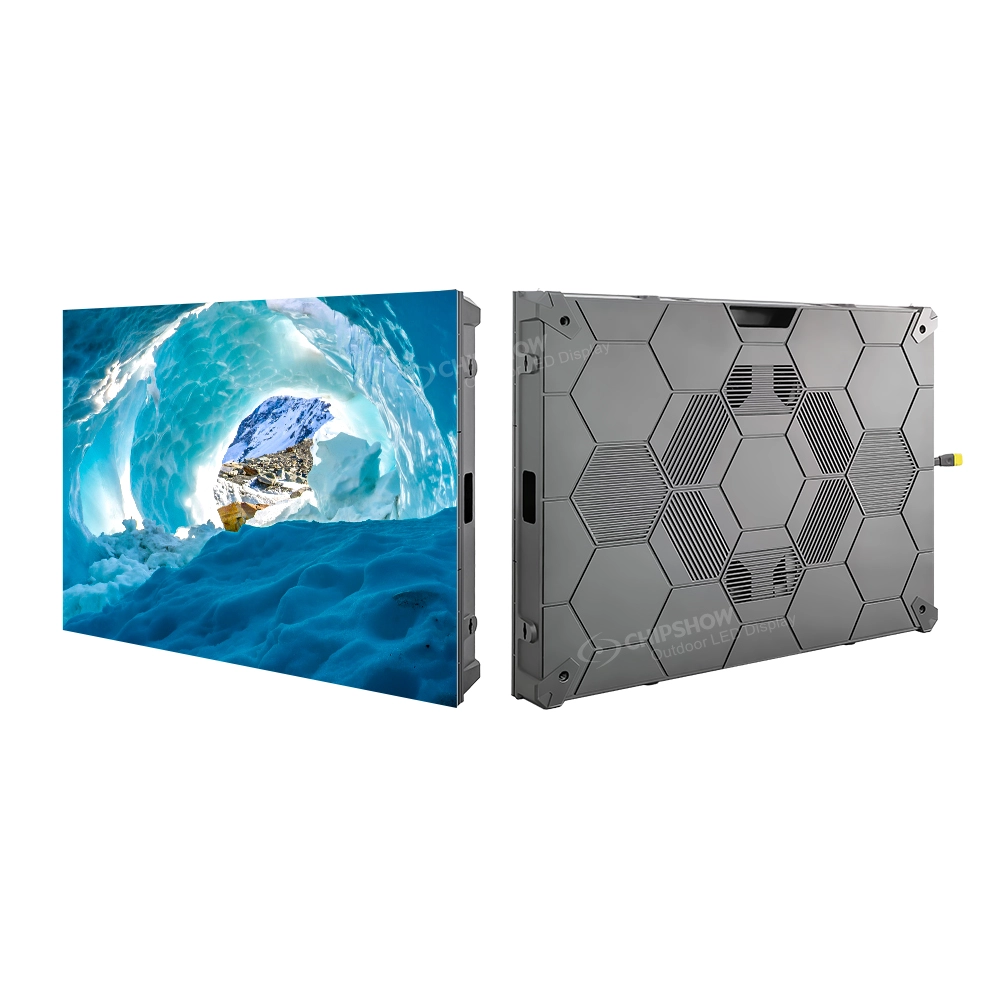
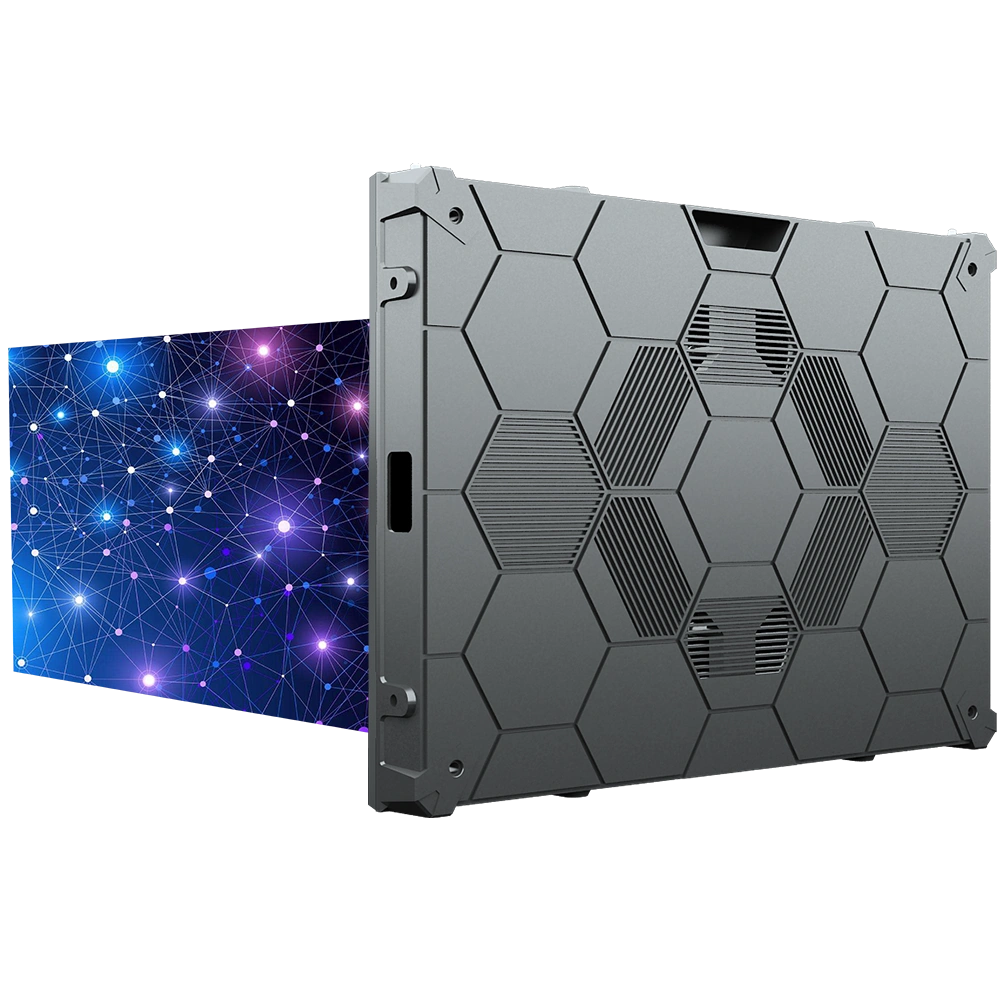
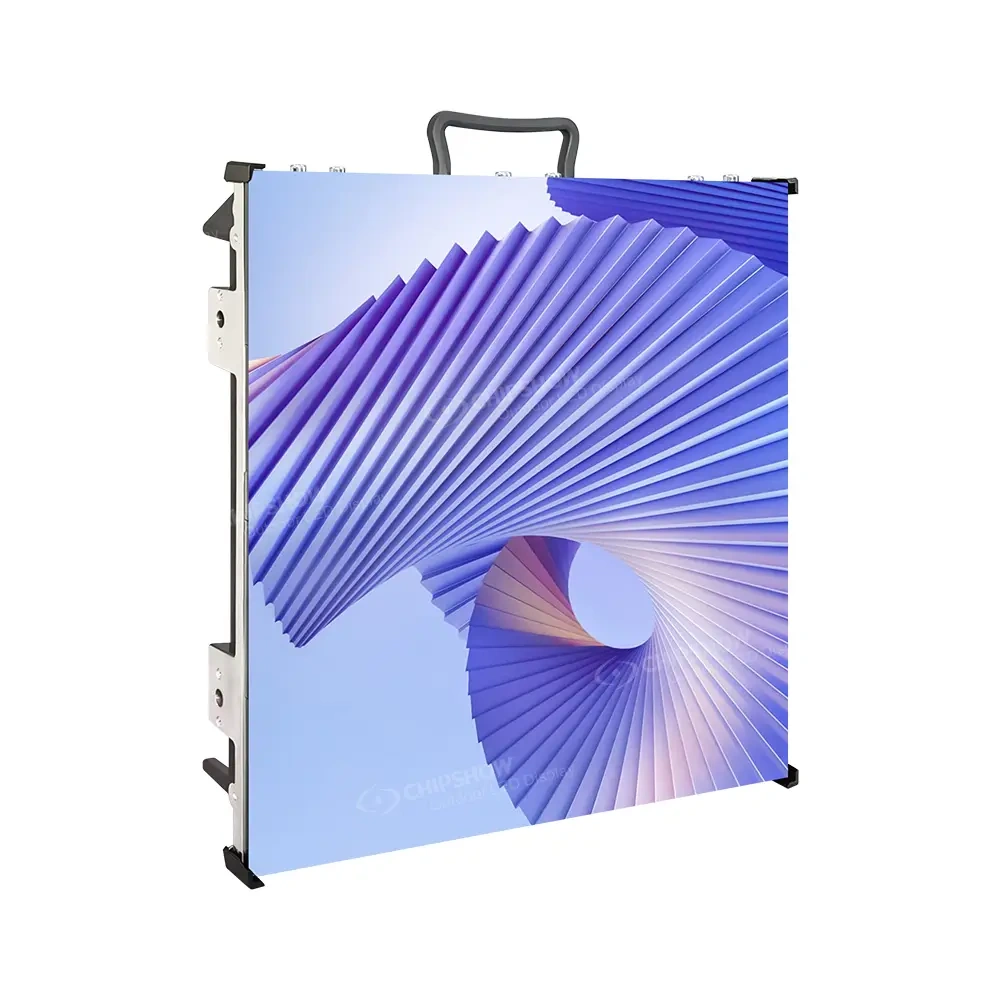
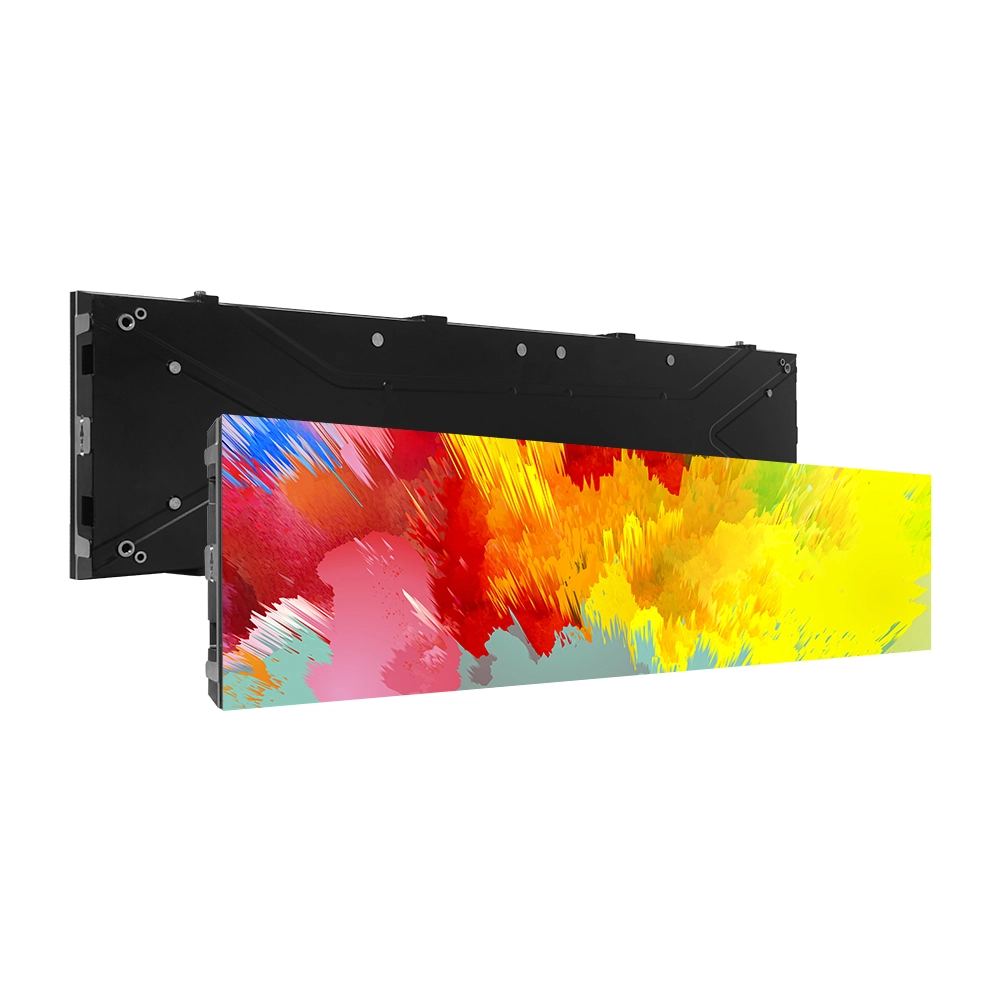
A small-to-mid-size event LED system is usually built on a modular 500×500 mm cabinet platform covering roughly 3×2 m to 5×3 m. For most European rental companies, the configuration that tends to pay off is the one that keeps cabinet weight low, setup labor short and fleet utilization high, not necessarily the one with the finest pixel pitch.
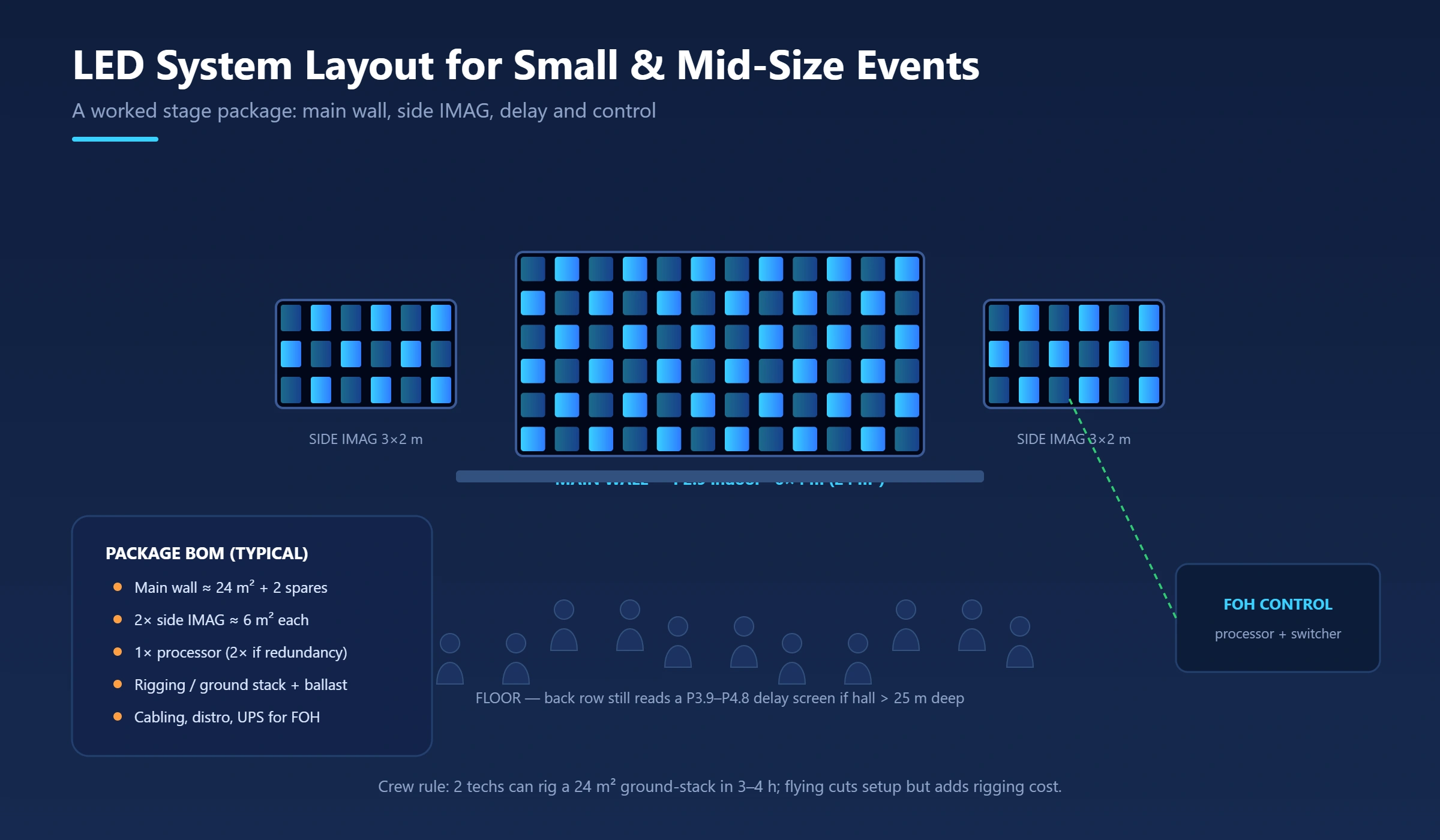
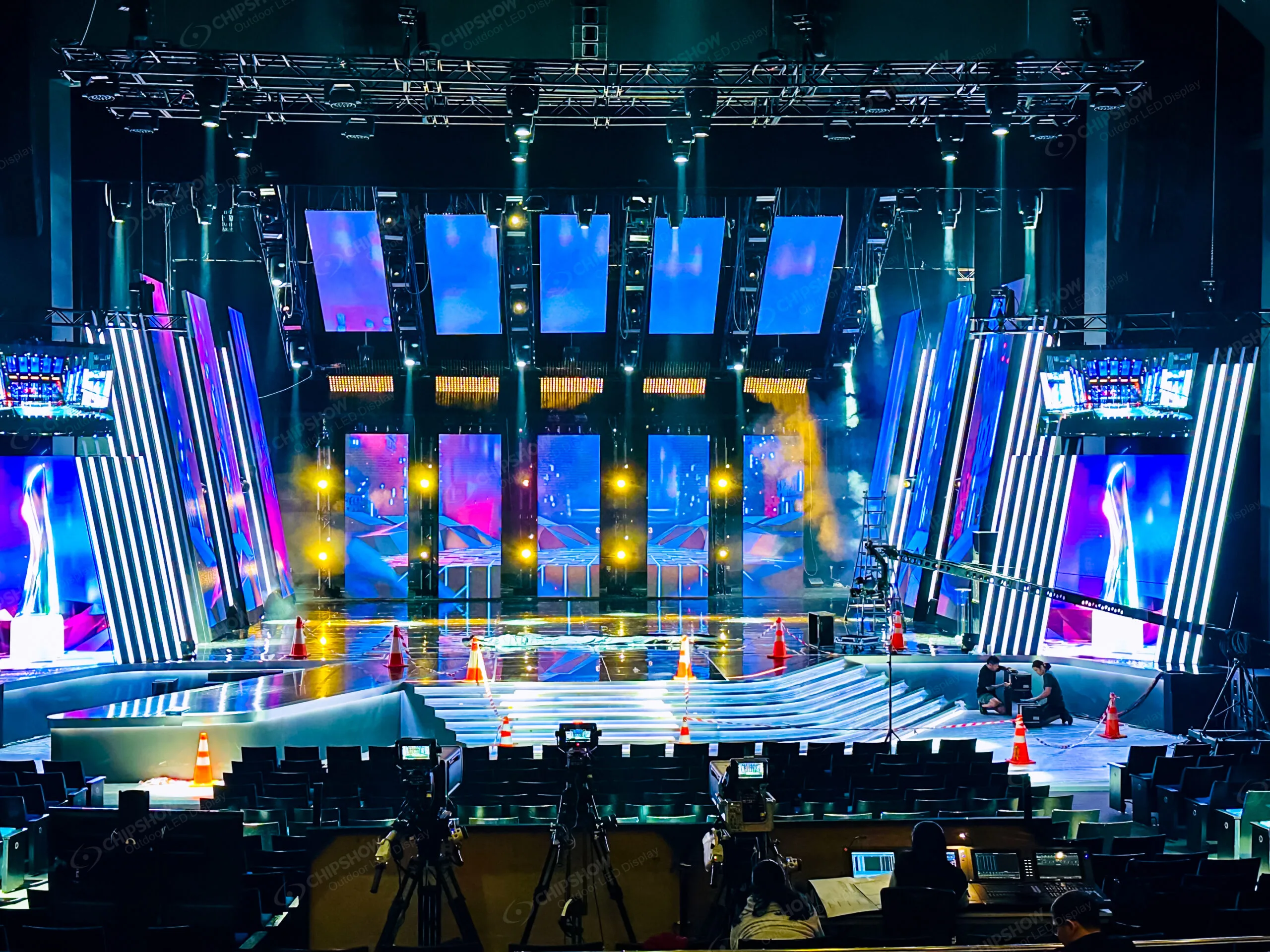
Worked stage package: 6×4 m main wall, side IMAG, FOH control — a typical small/mid-size event BOM.Worked stage package: 6×4 m main wall, side IMAG, FOH control — a typical small/mid-size event BOM.
To match pitch, format and delivery to your own site, run the requirements through the Chipshow Europe LED screen selector — it shortlists options for European events, close-view urban and indoor projects with EU warehouse stock references.
Planning an event LED system for rental companies starts with one question: how large are the events you actually serve? Most European rental companies, the ones running corporate meetings, product launches, regional trade shows, weddings and small concerts, do not need a stadium-scale wall. They need a flexible system a small crew can move, set up and reuse across many different jobs. This guide works through the planning decisions that determine whether a small-to-mid-size system earns its keep: pixel pitch, indoor versus outdoor configuration, cabinet weight and setup labor, supporting infrastructure, fleet utilization and EU compliance.
What counts as a small-to-mid-size event LED system?
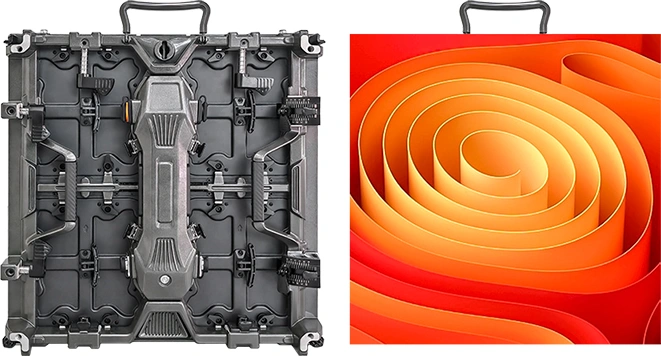
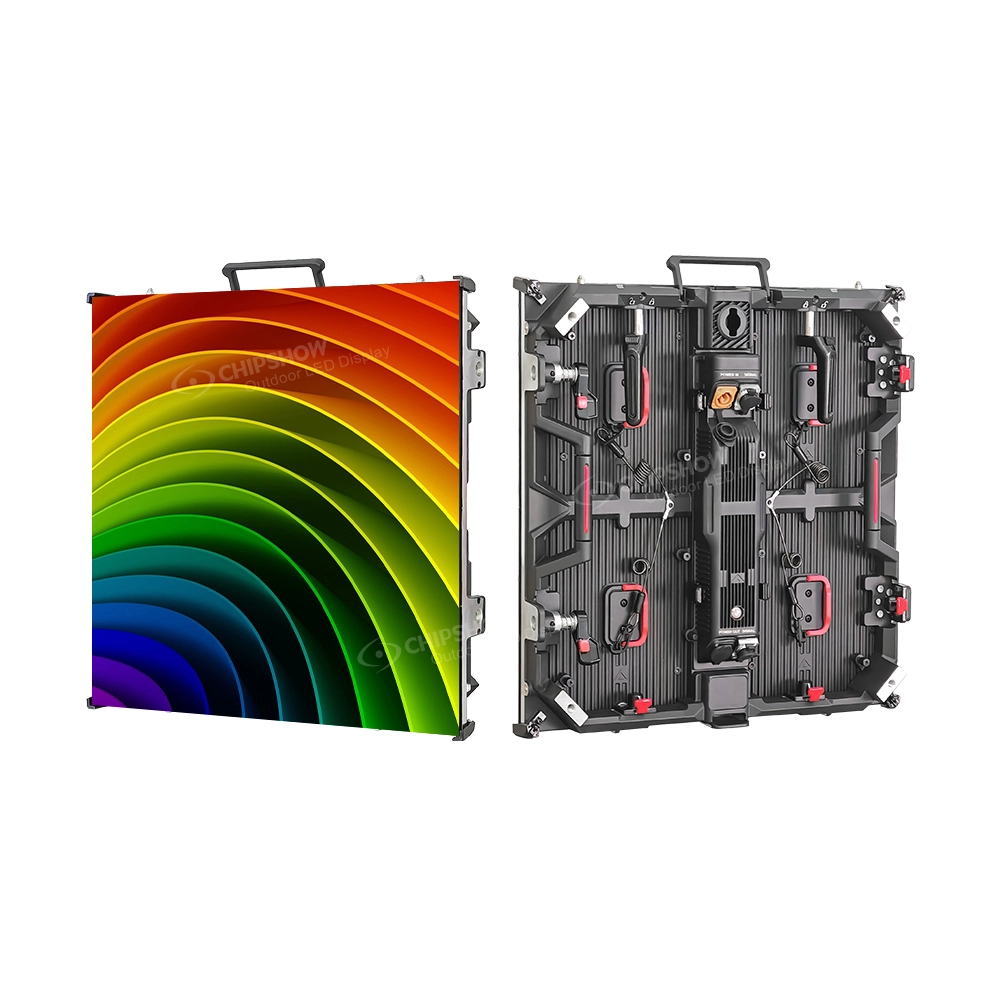
A small-to-mid-size event system is best understood by its footprint, not by a single product name. In practice it covers active screens from roughly 3×2 m up to about 5×3 m, built from a modular cabinet platform, most often 500×500 mm panels that stack or rig into walls of varying shapes. The defining feature is flexibility: the same cabinets can form a 3×2 m backdrop for a regional product launch one week and a 5×2 m stage screen for a corporate conference the next.
This scale sits well below the stadium and arena systems that define the touring market. The two tiers differ in practice:
Large-stage: 12 m wide by 4 m high or more, often exceeding 60 m²; typically requires cranes, ground-stacking frames and dedicated rigging crews.
Small-to-mid-size: what a compact rental team can move in a van, assemble with two people and strike the same day.
For a smaller European rental fleet, this is often the more realistic starting point. A modular 500×500 mm platform gives a company a single building block that scales up for mid-size events and down for intimate ones, which supports better utilization than a fleet of purpose-built, single-event screens. The planning question is therefore less “which single display do I buy” and more “which platform do I standardize on.”
Indoor vs outdoor: the spec split that decides the system
The same cabinet platform can serve indoor and outdoor work, but the specifications split sharply by environment. Indoor and outdoor modules differ in brightness, pixel pitch, protection rating and cabinet weight, and each of those decisions carries a cost and logistics consequence.
Specification
Indoor
Outdoor
Brightness
800–1,500 nits
4,500–7,000 nits (5,000+ in direct sun)
Pixel pitch
P1.5–P2.6
P3.9–P4.8
Protection
IP20–IP31
IP65 (front)
Cabinet weight (500×500 mm)
7–10 kg
12–20 kg
Refresh rate
3,840 Hz and above
3,840 Hz and above (7,680 Hz for broadcast)
The values above are common industry guidance for rental LED displays; confirm the figures for a specific model before quoting.
The reason is straightforward. Indoor screens are viewed from a few meters away, so they need a finer pitch to stay sharp, but they face no direct sunlight, so moderate brightness is enough. Outdoor screens sit farther from the audience and compete with daylight, so they lean on higher brightness and a wider pitch, plus weather protection (Ingress Protection, IP65 on the front face) and a heavier, sealed cabinet.
A rental company that serves both environments therefore often plans two configuration paths on one platform rather than two unrelated systems. A single platform that offers indoor pitch options around P2.6 and outdoor options around P2.9–P3.9 lets a fleet share rigging, processors and spare parts even when the modules themselves differ. For indoor work viewed at close range, many integrators also look for electromagnetic compatibility (EMC) Class B compliance, which addresses interference in residential and office environments, a point worth confirming on the specific model rather than assuming from the series name.
Why transport, setup and teardown decide profitability
For a small-to-mid-size rental company, the screen is only part of the job. Labor and logistics often decide whether a job is profitable, and both are driven by three compounding factors:
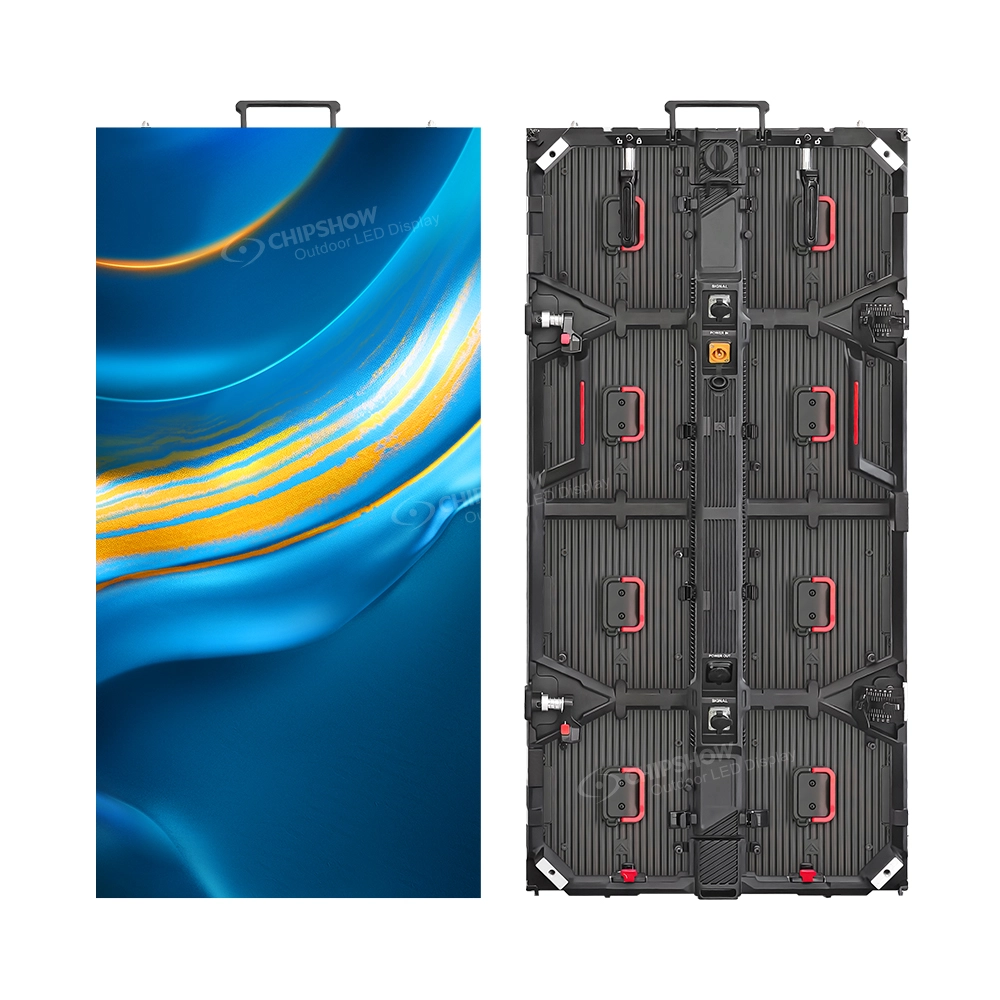
Cabinet weight: the single most practical number on a spec sheet. A 500×500 mm panel under roughly 7 kg can be lifted and positioned by one person, which keeps a two-person crew viable for most mid-size builds. Heavier outdoor cabinets in the 12–20 kg range add handling time and fatigue, and can push a job from a two-person to a three-person crew.
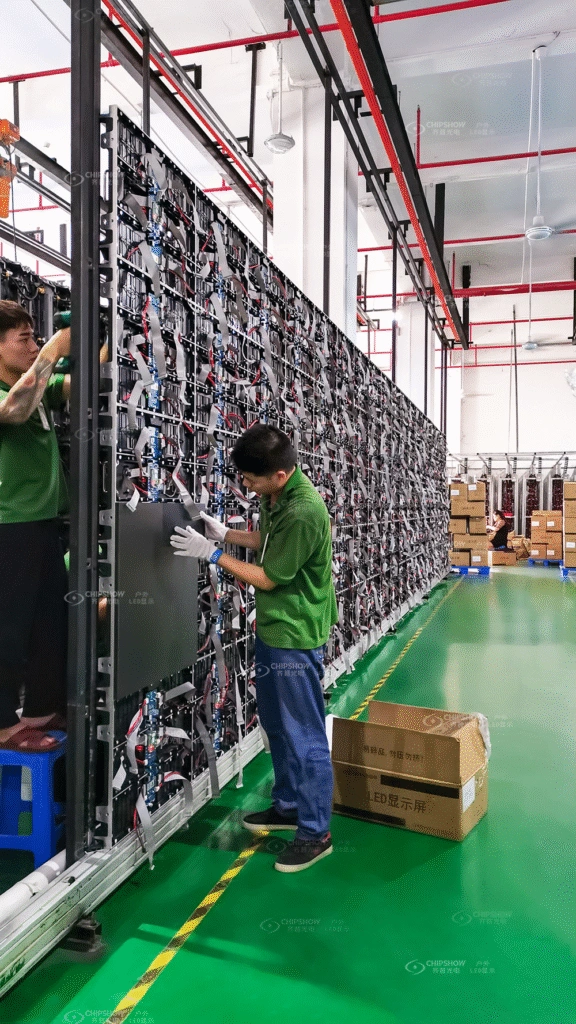
Assembly speed: a module with, for example, a one-touch rotary unlock can be serviced in seconds at the module level; the figure covers the module release step only, not fault isolation or recommissioning. Quick-release cabinet locks and field-serviceable power boxes shorten build and strike time on site.
Transport: a platform that packs flat and fits standard European van widths reduces both fuel and the number of vehicles per job, which is a recurring cost rather than a one-time one.
Across a full season, these three compound directly into labor cost. Based on Chipshow’s experience in commercial LED display deployment, a 500×500 mm cabinet kept under 7 kg lets a two-person crew handle most small-to-mid-size builds, and quick-release locks measurably shorten build and strike time across a season. The systems that hold their rental value are the ones a crew can load, build, strike and reload without a specialist on every call.
The supporting infrastructure you can’t skip
A screen does not work on its own. The supporting package (processors, rigging, power distribution and spares) is part of the system, and skipping it is a common planning mistake. Four items belong on every fleet plan:
Video processing: a processor that can scale across the largest wall the fleet will build, with spare input and output headroom for the occasional oversized job. Common choices include the NovaStar VX series and Brompton Tessera platforms, both widely supported by European AV integrators.
Rigging and framing: even a small wall needs a safe way to stand or hang: ground-stacking brackets, truss adapters and flown rigging rated for the full assembled weight plus dynamic load. Load ratings should be confirmed per configuration rather than assumed from a single number.
Power distribution: region-specific. European sites typically run three-phase supplies at 32 A or 63 A, so the fleet needs compatible distribution boxes with residual current protection (RCD) and, where appropriate, residual current breakers with overcurrent protection (RCBO).
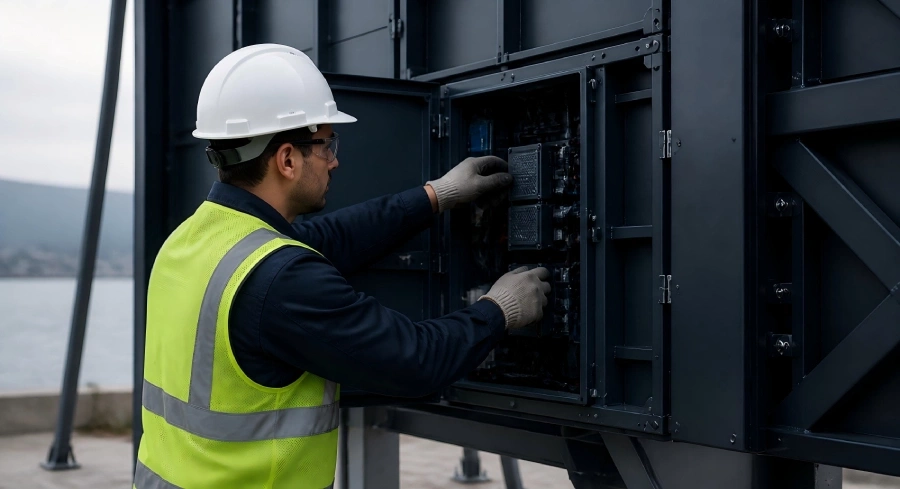
Spares and service parts: spare modules, spare power supplies and spare data cables, budgeted before the first job. A module that can be swapped front or rear in the field turns a fault into a five-minute fix instead of a dead screen for the evening.
Infrastructure is unglamorous, but it is what lets a fleet show up, go up and come down without drama.
One fleet, many uses: planning rental and selected fixed work
The most valuable question for a small-to-mid-size fleet is not which events it can serve but how often each cabinet gets used. Utilization, more than headline specs, drives the return on a rental platform, and the highest-utilization strategy is usually to keep one fleet working across both rental jobs and selected fixed installations.
A rental cabinet can support selected fixed installations, but the boundary is set by usage and mounting structure rather than by the cabinet alone:
Fits fixed work when the installation is light in structure and low in frequency of change, a semi-permanent screen in a retail entrance or a corporate lobby refreshed occasionally.
Stays rental when the cabinet must cycle through repeated build-and-strike, or the installation is permanently exposed outdoors, a cabinet designed for touring is not automatically the right choice for that.
Mixed use changes the plan in three ways: spare parts and accessories must be sized for both uses, warranty terms must be read against the usage pattern (some coverage assumes rental cycling, while a fixed outdoor installation carries different exposure), and compliance documentation must be confirmed per model when a touring cabinet moves into a fixed installation. Confirm the engineering and warranty boundary per project before quoting. Based on Chipshow’s experience in commercial LED display deployment, the fleets that standardize on one platform for both rental and selected fixed work tend to reach the highest cabinet utilization, since rigging, processors and spares carry over between jobs.
Compliance documentation follows the same logic. A rental cabinet that carries a CE declaration and EMC evidence for touring use still needs per-model confirmation when it moves into a fixed installation, because the applicable directives and the local authority’s expectations can differ by application. Certifications do not guarantee local approval; product documentation can be provided, and final approvals should be confirmed per project.
How to size the fleet and match it to the event
Sizing a fleet is a chain of decisions that starts with viewing distance and ends with an accessory package. Working through it in order keeps a rental company from over-buying fine pitch it cannot charge for, or under-buying brightness it will need:
Viewing distance sets the minimum workable pitch: a viewer’s eye stops resolving pixels beyond a certain range, so a small indoor event viewed from 2–3 m needs a finer pitch than an outdoor screen seen from 10 m or more.
Pixel pitch follows from that distance.
Brightness follows the environment, not the pitch.
Cabinet count is the target wall size divided by the platform’s module dimensions.
Accessory package (processors, rigging, power and spares) scales to the largest configuration the fleet will build.
Two further decisions round out the plan:
Standardize on one platform and buy enough cabinets for the most frequent job, then rent or sub-hire the overflow for the rare large one. This keeps capital in the cabinets that turn over weekly rather than in stock that sits idle, and makes the accessory package predictable.
Plan cabinet compatibility up front: if indoor and outdoor modules share the same cabinet frame, rigging and processor ecosystem, one fleet supports both without duplicating every accessory. This is a purchase-time decision, not something recovered later.
Finally, when exporting or deploying across European markets, keep the compliance file ready (CE declaration, Restriction of Hazardous Substances (RoHS) documentation and EMC test reports) so a site’s technical approval is not the thing that delays a job.
Which Chipshow systems match small & mid-size events?
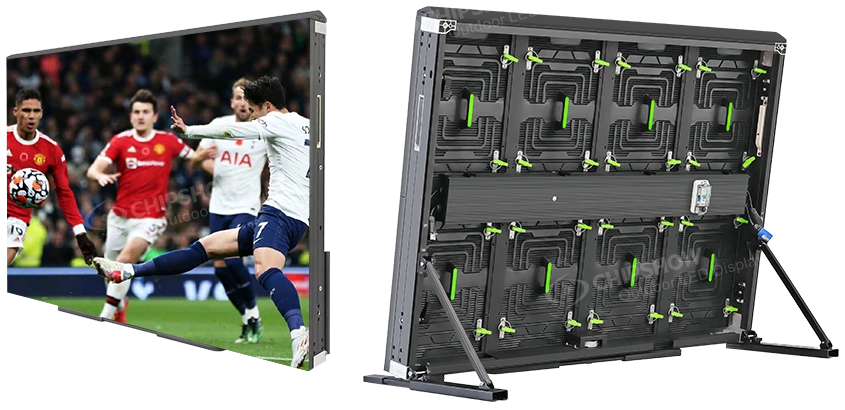
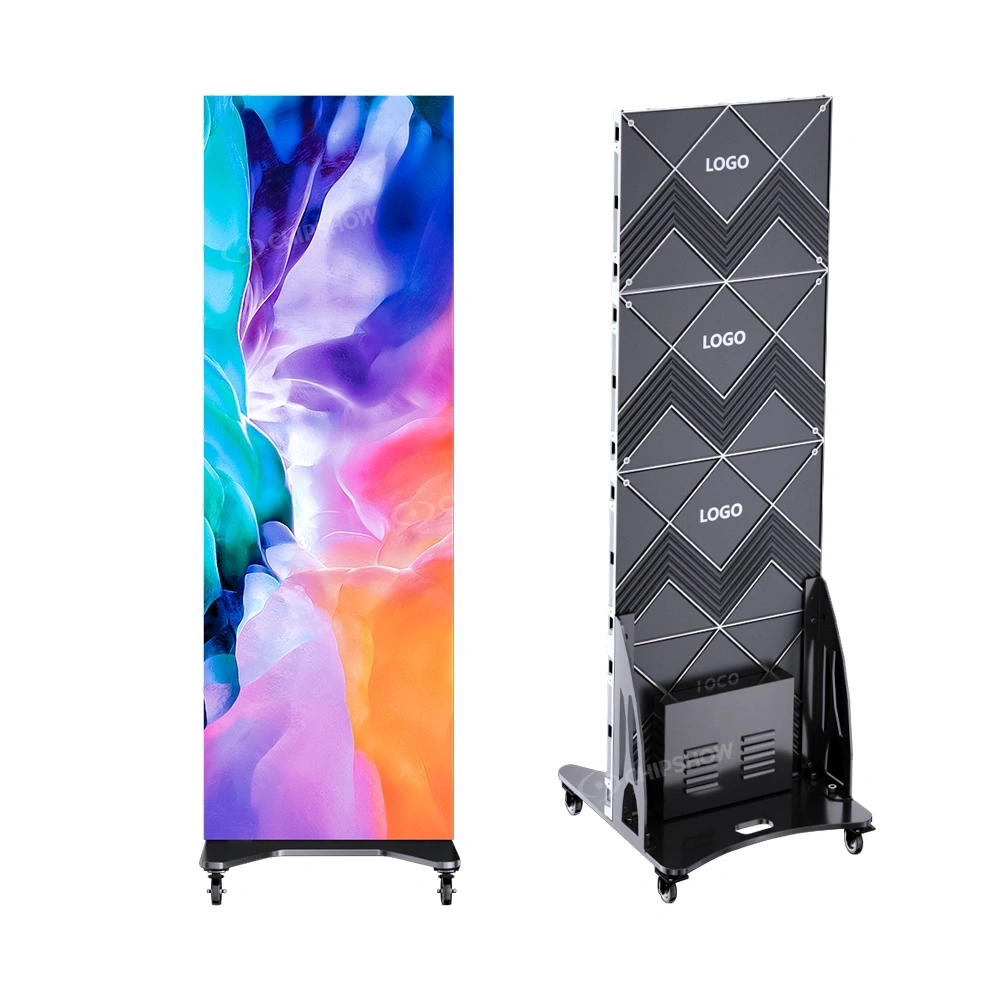
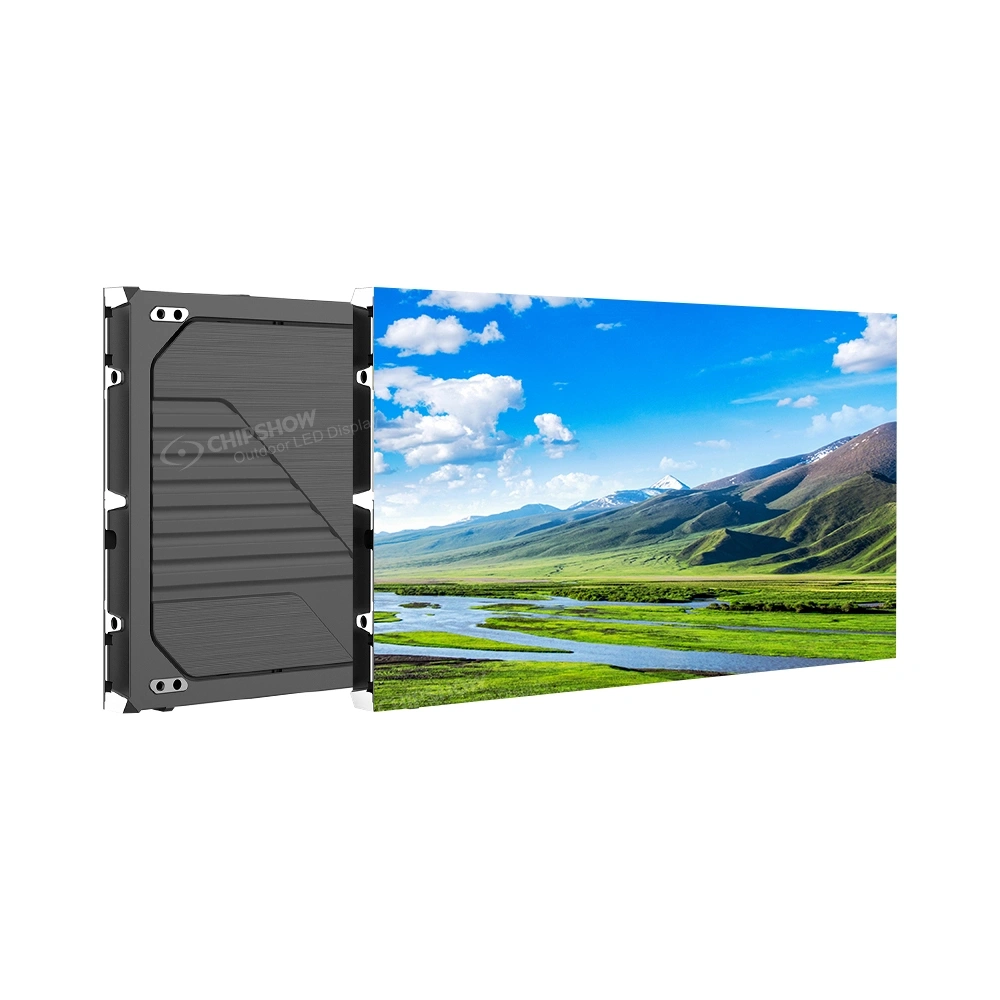
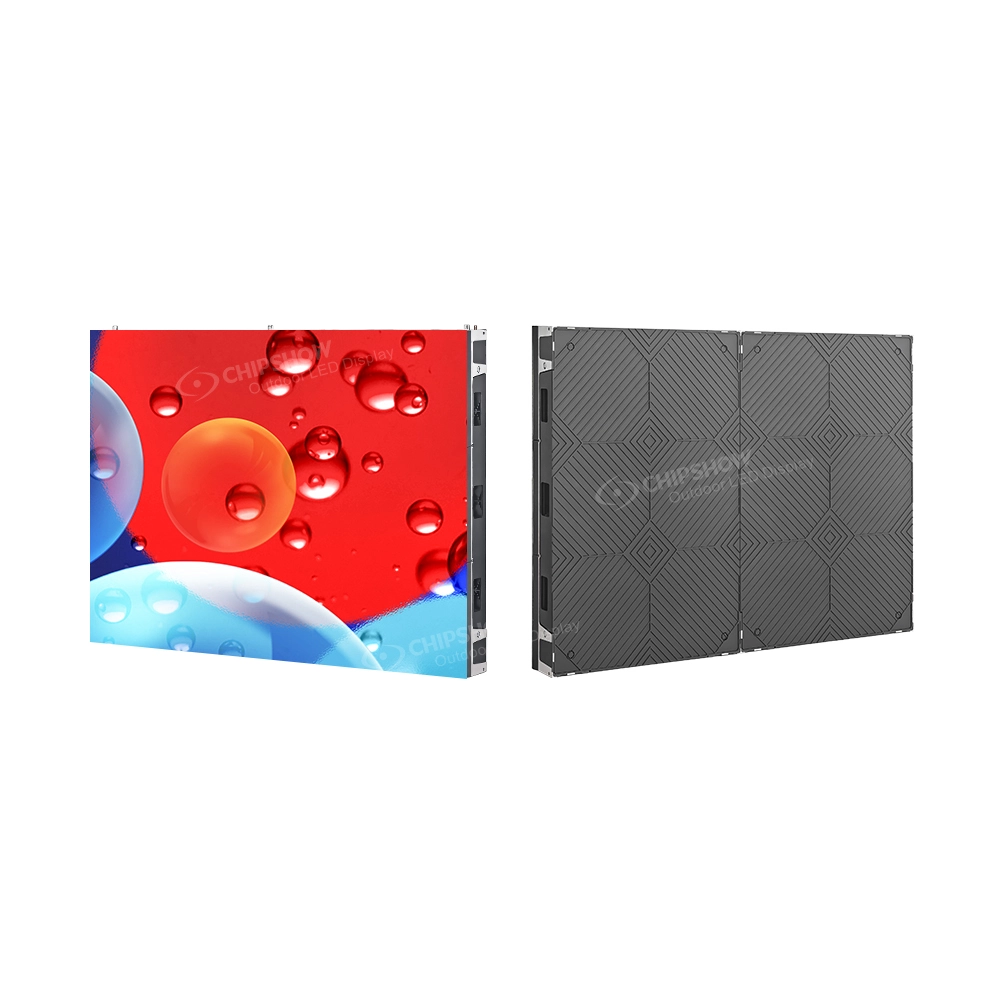
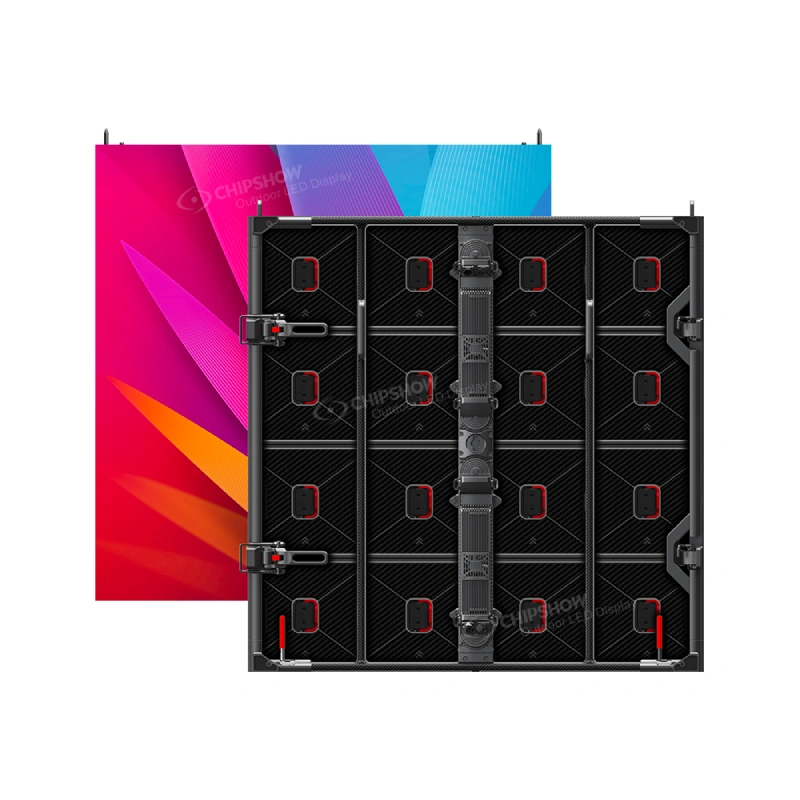
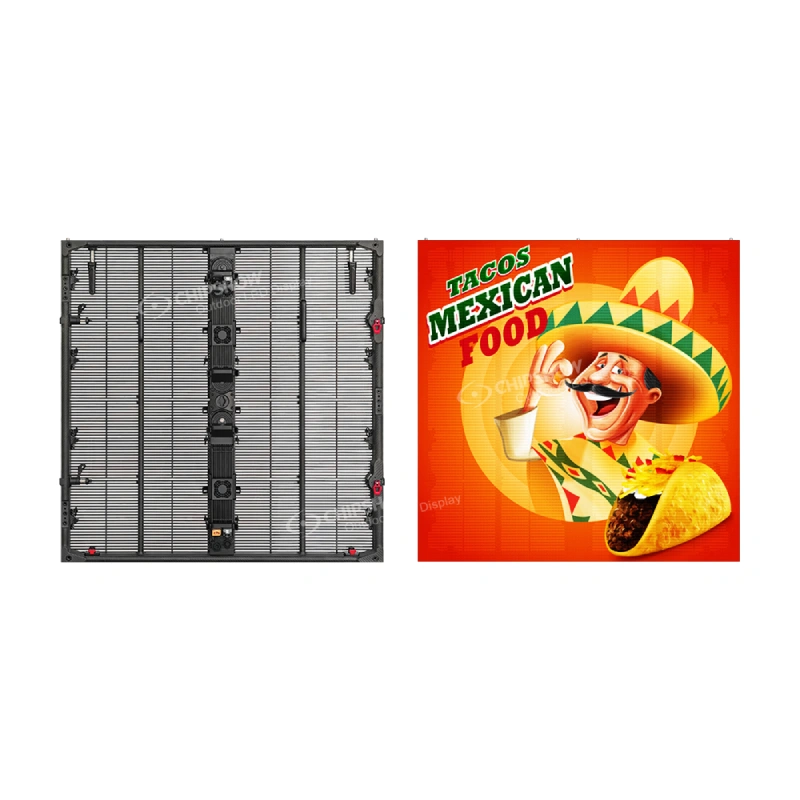
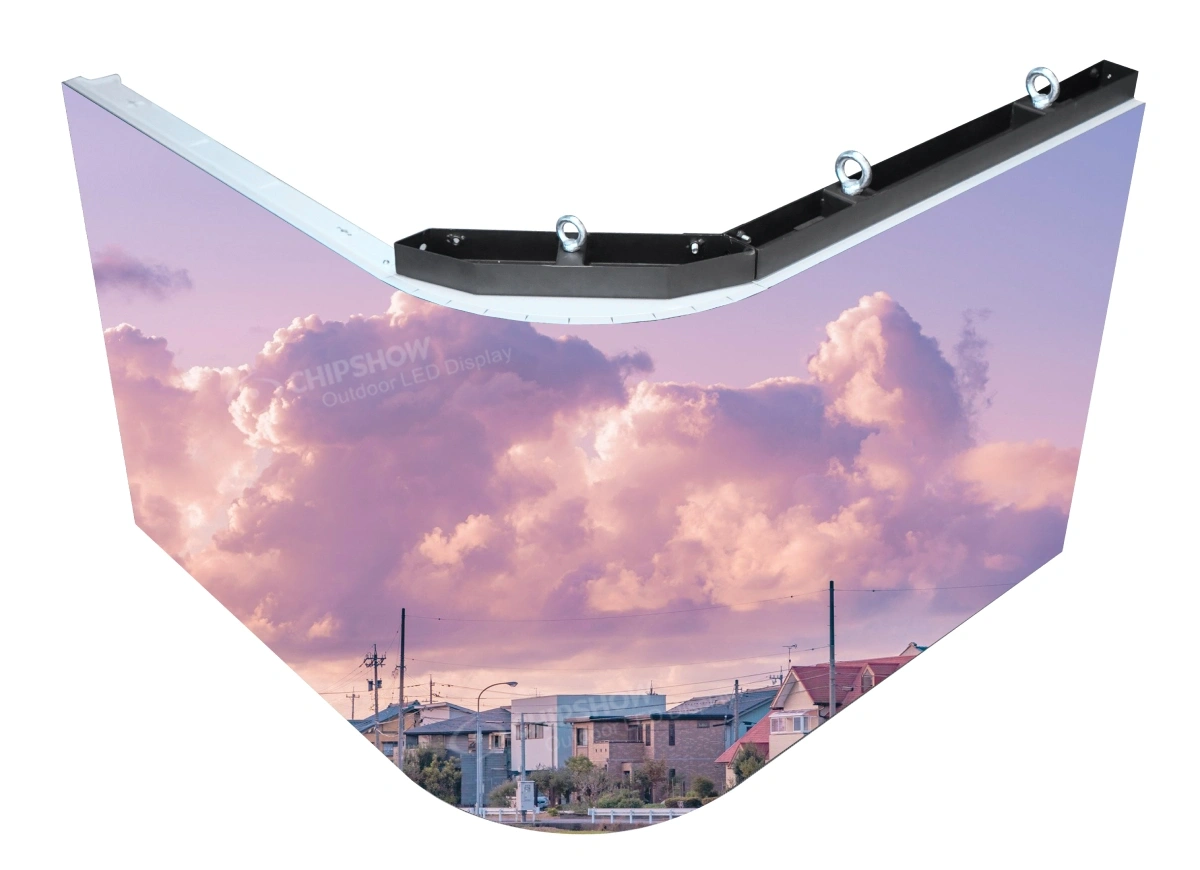
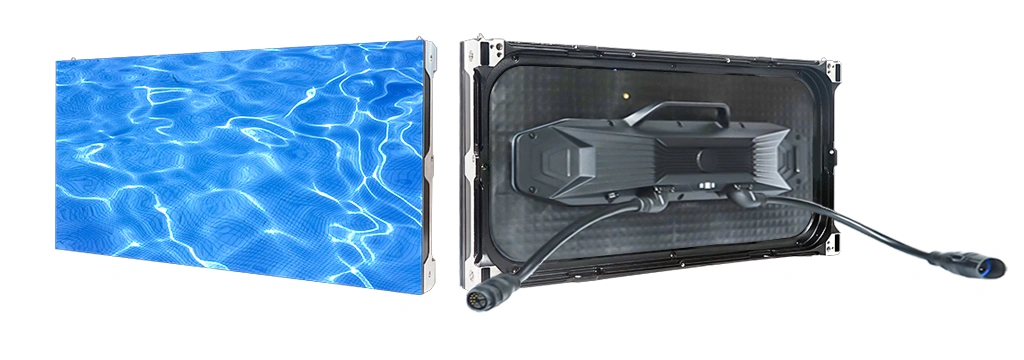
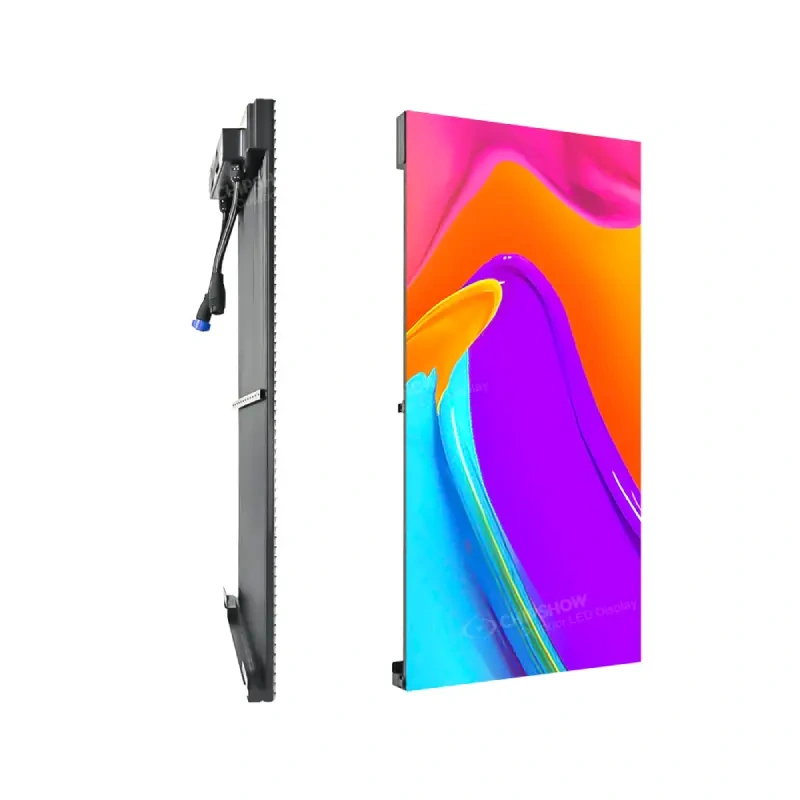
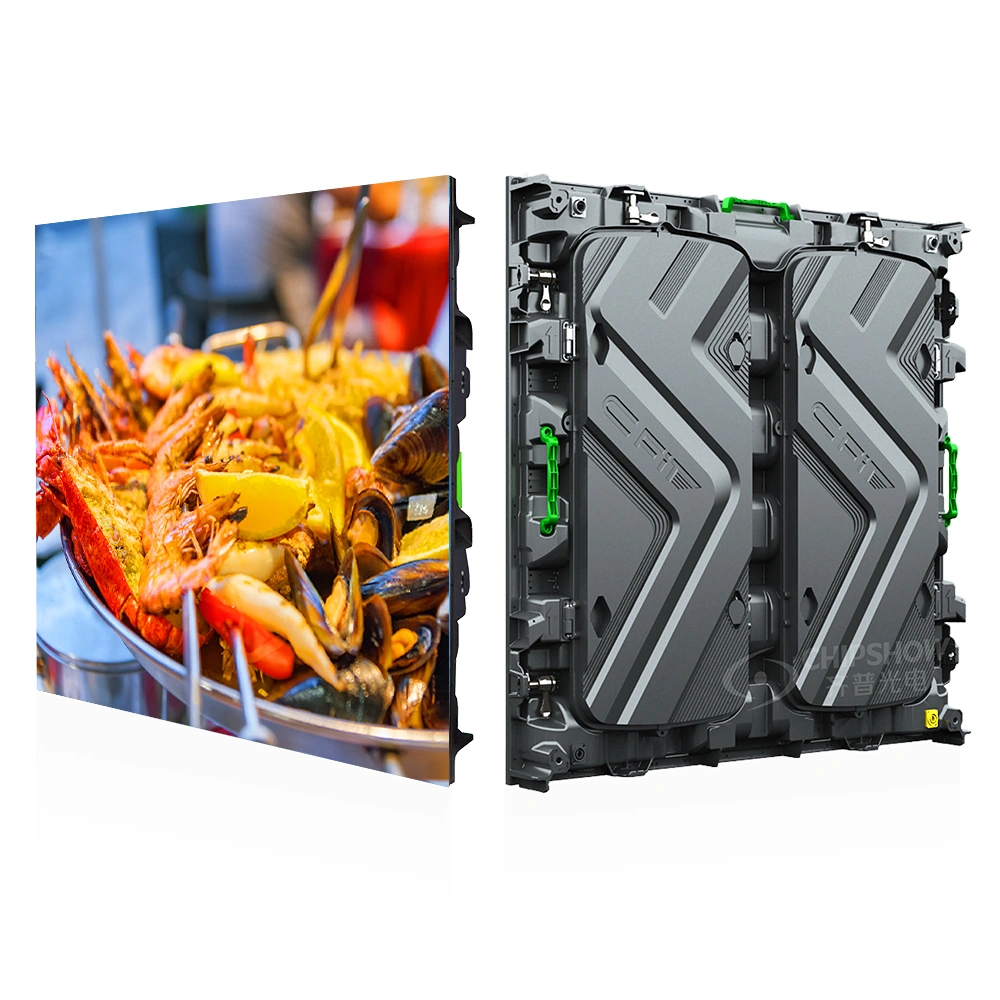
The planning principles above map directly onto three Chipshow product lines:
The pitch and brightness figures above reflect Chipshow-confirmed configurations. These configurations are commonly stocked in Europe: C-Shine Plus in P2.6 indoor and P2.9/P3.9 outdoor, C-Rock in P2.97 outdoor 500×1000 mm, and C-Smart in P3.91 outdoor 500×500 mm. Precise availability should be confirmed with the Chipshow team before a project is planned, since stock levels vary.
Planning a small-to-mid-size event LED system comes down to three choices that compound across every job: keep cabinet weight low enough for a small crew, keep setup and teardown fast, and keep the fleet utilized across rental and selected fixed work. A modular 500×500 mm platform, split into indoor and outdoor configurations and backed by the right processors, rigging and power, is often the most practical way to serve European events without over-investing in a single-use screen. If you are planning a fleet and want to match it to specific event sizes, the Chipshow team can help confirm configurations and current European stock.
Frequently Asked Questions
Q1:What pixel pitch do I need for a small indoor event?
For a small indoor event viewed from roughly 2–3 m, a pitch around P2.6 is a common working choice: it stays sharp at close range without the cost of finer pitches that the viewing distance would not resolve. If the audience will be closer than about 2 m, a finer pitch such as P1.9 may be worth considering. The deciding factor is the actual minimum viewing distance, not the room size alone.
Q2:Can one fleet handle both indoor and outdoor events?
Yes, when the indoor and outdoor modules share the same cabinet frame, rigging and processor ecosystem. The modules themselves differ in pitch, brightness and protection, but a shared platform lets one fleet reuse processors, rigging and spares across both. This is a planning decision made at purchase time, so it is worth confirming cabinet compatibility before buying.
Q3:What cabinet weight can a two-person crew handle?
A 500×500 mm cabinet under roughly 7 kg can be lifted and positioned by one person, which keeps a two-person crew viable for most mid-size builds. Heavier outdoor cabinets in the 12–20 kg range add handling time and can push a job toward a third person. Weight matters across a full season, not just on one build.
Q4:How many cabinets do I need for a mid-size event?
Divide the target wall area by the module dimensions. A 4×2.5 m screen on a 500×500 mm platform is 8 cabinets wide by 5 high, or 40 cabinets; a 500×1000 mm format halves the count for the same area. Standardize on the most frequent job size and sub-hire overflow for the rare larger one, rather than buying for the peak.
Q5:Should I rent, buy, or mix rental and fixed work?
For most small-to-mid-size companies the highest-utilization answer is to own a fleet that serves both rental jobs and selected fixed installations, because that keeps each cabinet working more days per year. The boundary is set by usage frequency and mounting structure, and mixed use changes inventory, accessories and warranty assumptions, so confirm the engineering and warranty terms per project before quoting.
Not sure which format or pixel pitch fits your European project? Try the Chipshow LED screen selector to shortlist options.
Table of Contents
Thanks, we will contact you soon!
Solutions
Match real venues with brand-ready experiences
Outdoor DOOH
Indoor DOOH
Stage & Events
Sports & Stadium
House of Worship
Conference & Education
Retail & Shopping Mall
Traffic & VMS
Outdoor DOOH
Outdoor DOOH & Billboards
Designed for: - Reach pedestrians and nearby traffic with legible advertising in compact urban locations. - Balance required brightness with energy use and the surrounding architecture. Features: Pixel-Pitch Selection · Architectural Integration · Brightness & Energy Balance Apply to: Urban DOOH · Property Advertising Screens · Building Façades
Designed for: - Show advertising, information and branded content clearly across indoor commercial and public spaces. - Preserve colour and contrast at close range and across wide interior sightlines. Features: Fine Pixel Pitch · Colour Consistency · Wide Viewing Angles Apply to: Shopping Centre Atriums · Transport Hubs · Control Rooms
Designed for: - Configure outdoor screens around small and mid-sized stages, venues and audience layouts. - Speed up changeovers across different venues, stage layouts and event requirements. Features: IP65 Protection · Flexible Splicing · Efficient Handling Apply to: Outdoor Festivals · Regional Concerts · Brand Activations
Designed for: - Give spectators clear views of scores, replays and sponsor content throughout the venue. - Accommodate wide seating angles, outdoor exposure and routine service requirements. Features: Wide Viewing Angles · Outdoor Stability · Maintenance Access Apply to: Stadium Perimeters · Scoreboards & Video Screens · Outdoor Fan Zones
Designed for: - Provide clear views of lyrics, service content and live video across varied seating positions. - Blend quiet LED displays into existing interiors without competing with their architectural character. Features: High Contrast · Quiet Operation · Architectural Integration Apply to: Historic Churches · Modern Sanctuaries · Multi-Faith Centres
Designed for: - Improve close-range viewing of presentations, shared data and remote participants. - Limit visual glare and operating noise in meeting and teaching spaces. Features: Fine Pixel Pitch · Low-Glare Options · Quiet Operation Apply to: Boardrooms · Lecture Theatres · Training Rooms
Designed for: - Capture attention from the pavement while preserving merchandise visibility inside. - Combine daylight visibility, transparency and a clean fit around existing shopfronts. Features: Daylight Visibility · High Transparency · Shopfront Integration Apply to: High-Street Shopfronts · Shopping Centre Entrances · Department Store Windows
Retail LED for EU shopping centres, flagship stores and luxury boutiques. Slim depth suits existing retail architecture; EMC Class B for mixed-use spaces.
Tender Compliant? We hold full CPR certification (No. 2531-CPR-CSC10059). Contact us for project-specific engineering and compliance docs.