
The Value Our Solution Delivers
Stand Up to European Weather Year
IP-rated sealed cabinets and corrosion-resistant construction help protect electronics over years of continuous outdoor operation.
Lower Operating Costs With Common-Cathode Architecture
Common-cathode architecture helps reduce power consumption compared to conventional designs.
Keep Roadside Installations Serviceable for Years
Front and rear access design supports maintenance crews working on permanent roadside structures.
Applications
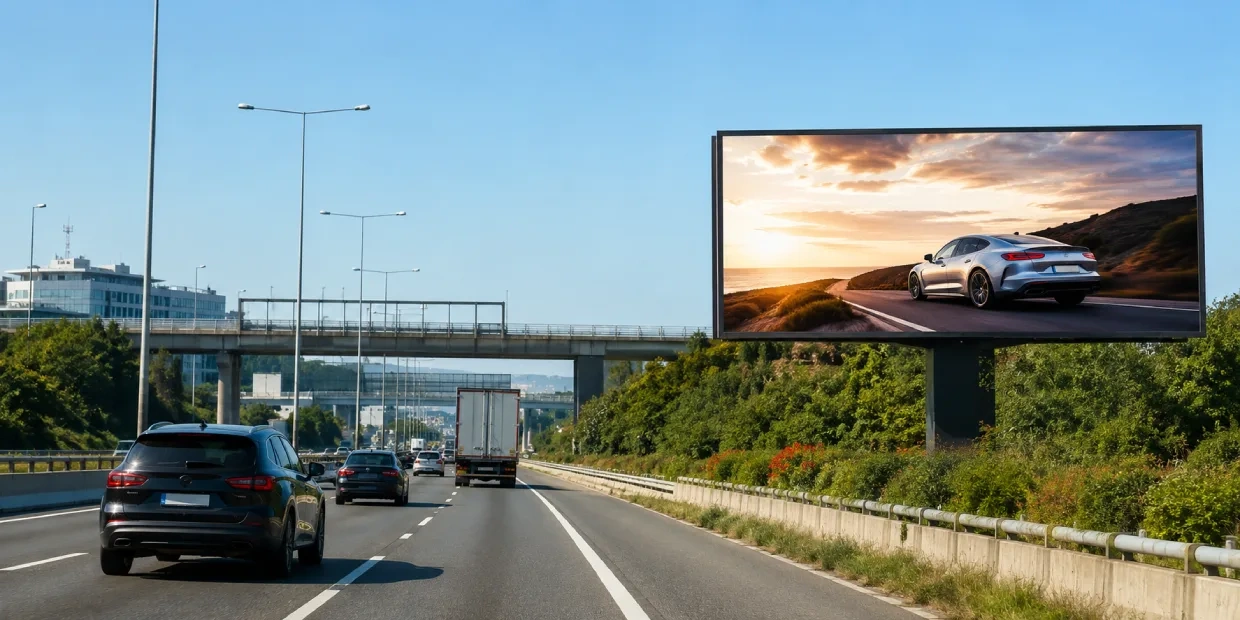
South-Facing Highway Billboards
- Benefit: Capture premium roadside ad rates along EU highways. Long-distance readability drives CPM premium for national and regional advertisers.
- Recommended: P8 · P10 · High-Brightness Index · Rear Service
- Suggested Series: C-Slim Series
- Why: Sustained 10,000+ nits brightness for extreme sun exposure. IP65 fully sealed modular design. Rear-access maintenance catwalk for long-term serviceability.
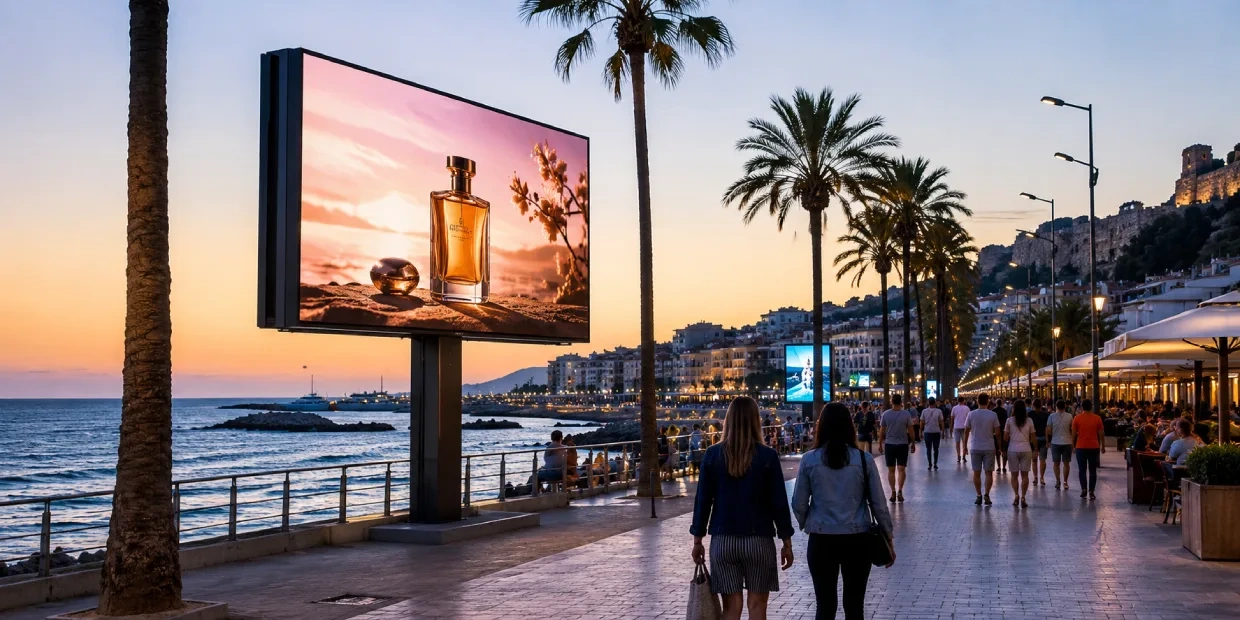
Coastal Advertising Networks
- Benefit: Deploy DOOH networks along Mediterranean and Atlantic coastlines. Seaside promenades reach premium tourist ad rates in summer months.
- Recommended: P4 · P6.6 · P8 · Magnesium Alloy · Front Service
- Suggested Series: C-Fit-easy Series
- Why: Salt-spray resistant Mg-alloy chassis survives coastal corrosion. Sealed electronics block humidity ingress. 30% lighter for easier crane access on piers.
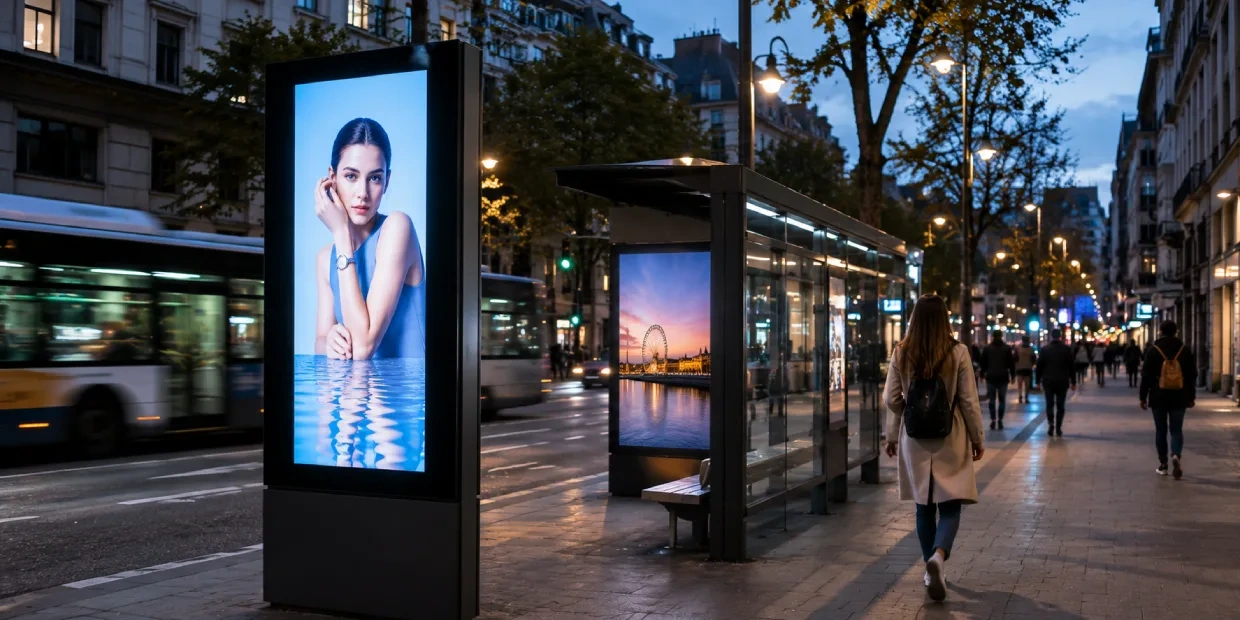
Smart City Street Furniture
- Benefit: Convert bus shelters, kiosks, and narrow urban poles into digital ad inventory. Pedestrian dwell time translates to premium city ad rates.
- Recommended: P2.5 · P3.1 · 5000-7000 nits · Front Service
- Suggested Series: C-Fit Easy Series
- Why: Slim 640mm cabinet width fits narrow urban poles. Fanless ≤40dB silent operation for residential areas. High-definition P2.5/P3.1 close-view.
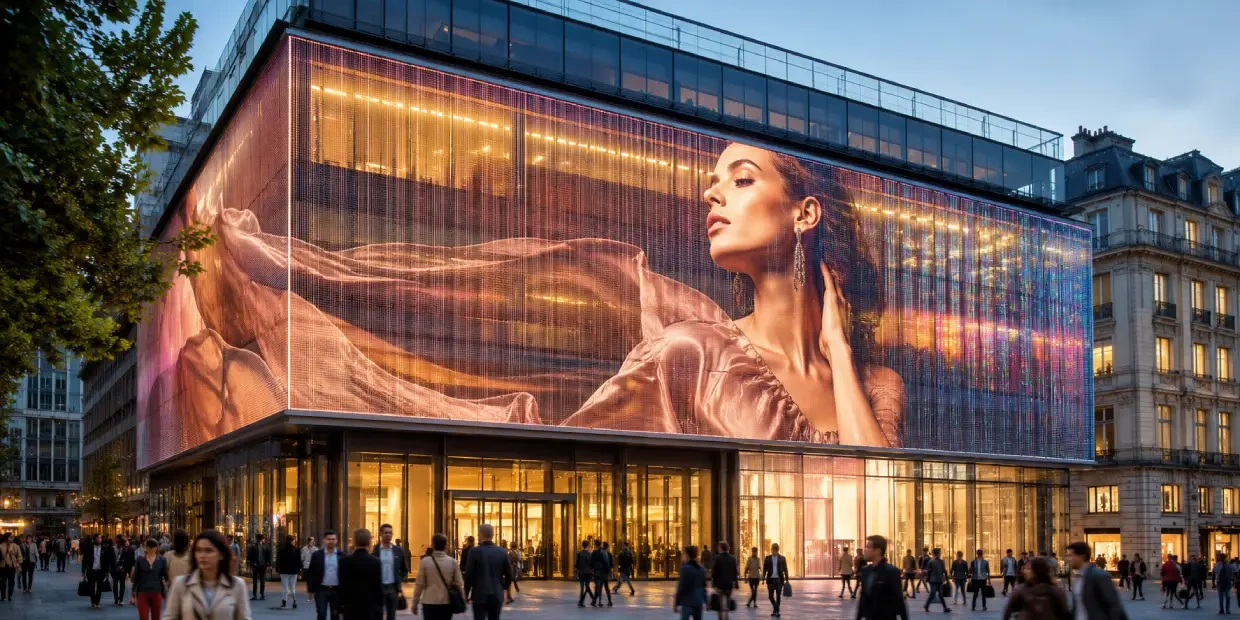
Building Media Facades
- Benefit: Transform building facades into revenue-generating digital canvases. Maintain airflow and interior light while delivering digital ad inventory.
- Recommended: P16 · P25 · Ventilated Design · Front/Rear Service
- Suggested Series: C-Vent Series
- Why: Up to 65% air/light transparency preserves airflow. Reduced wind resistance for safety compliance. Minimalist steelwork requirements cut installation cost.
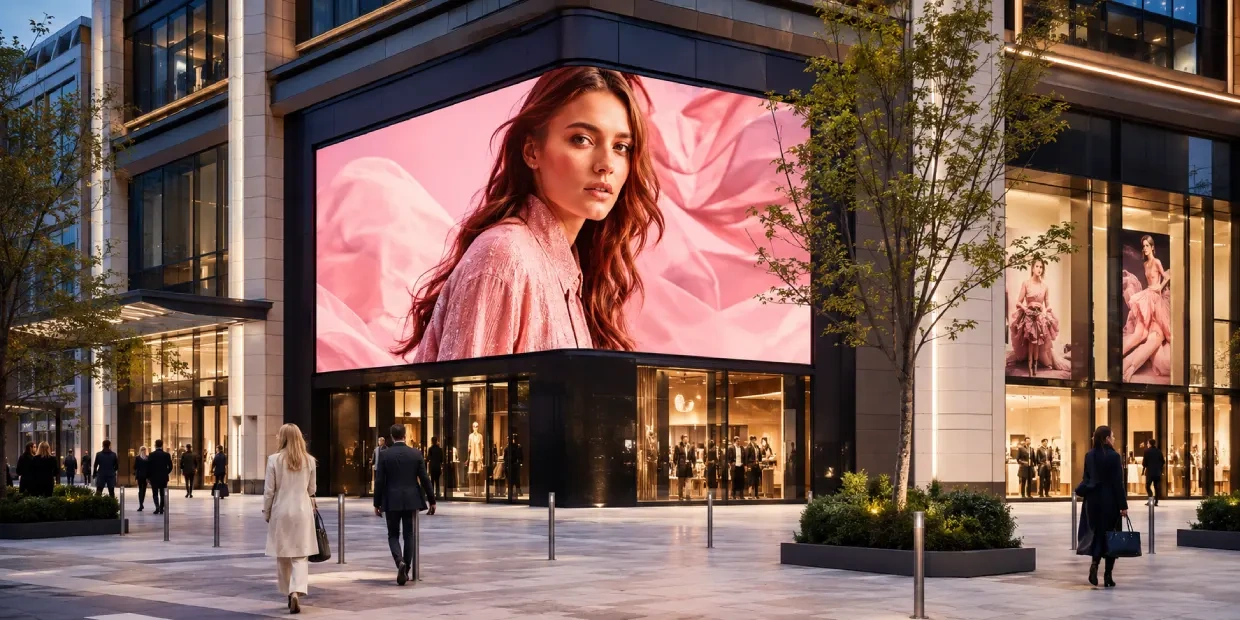
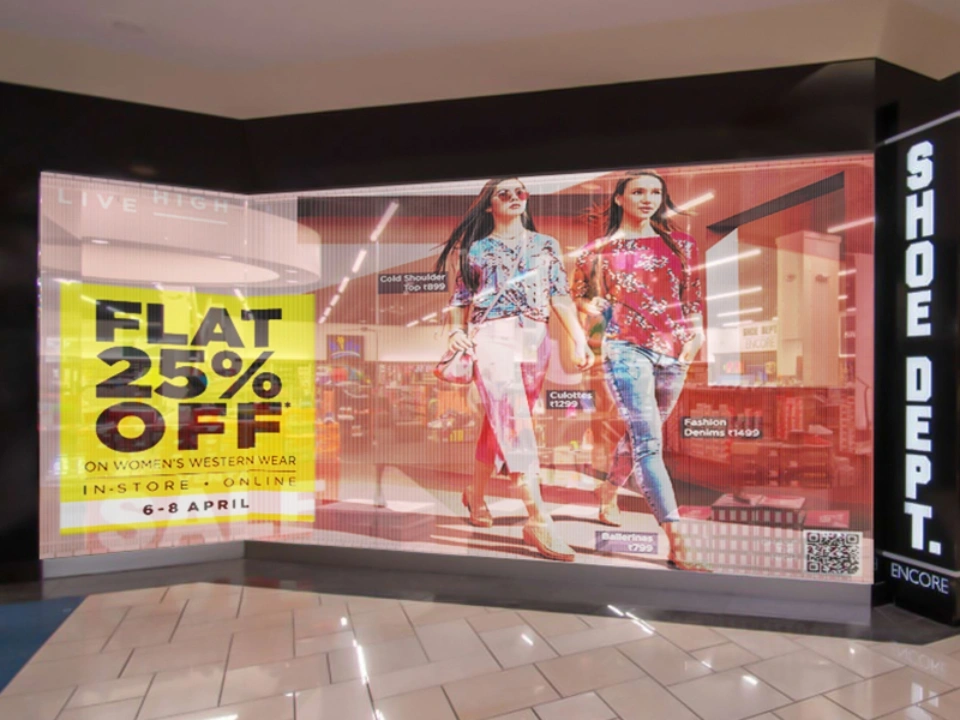
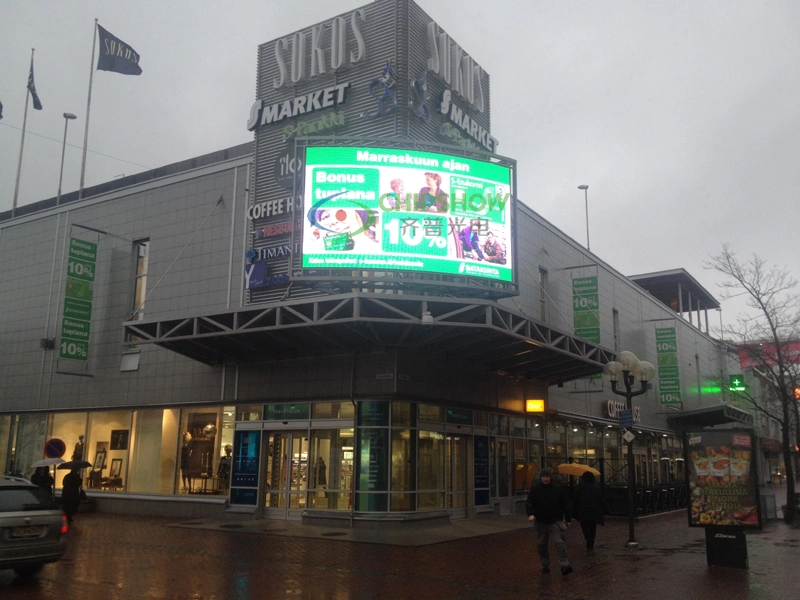
Plaza & Retail Exteriors
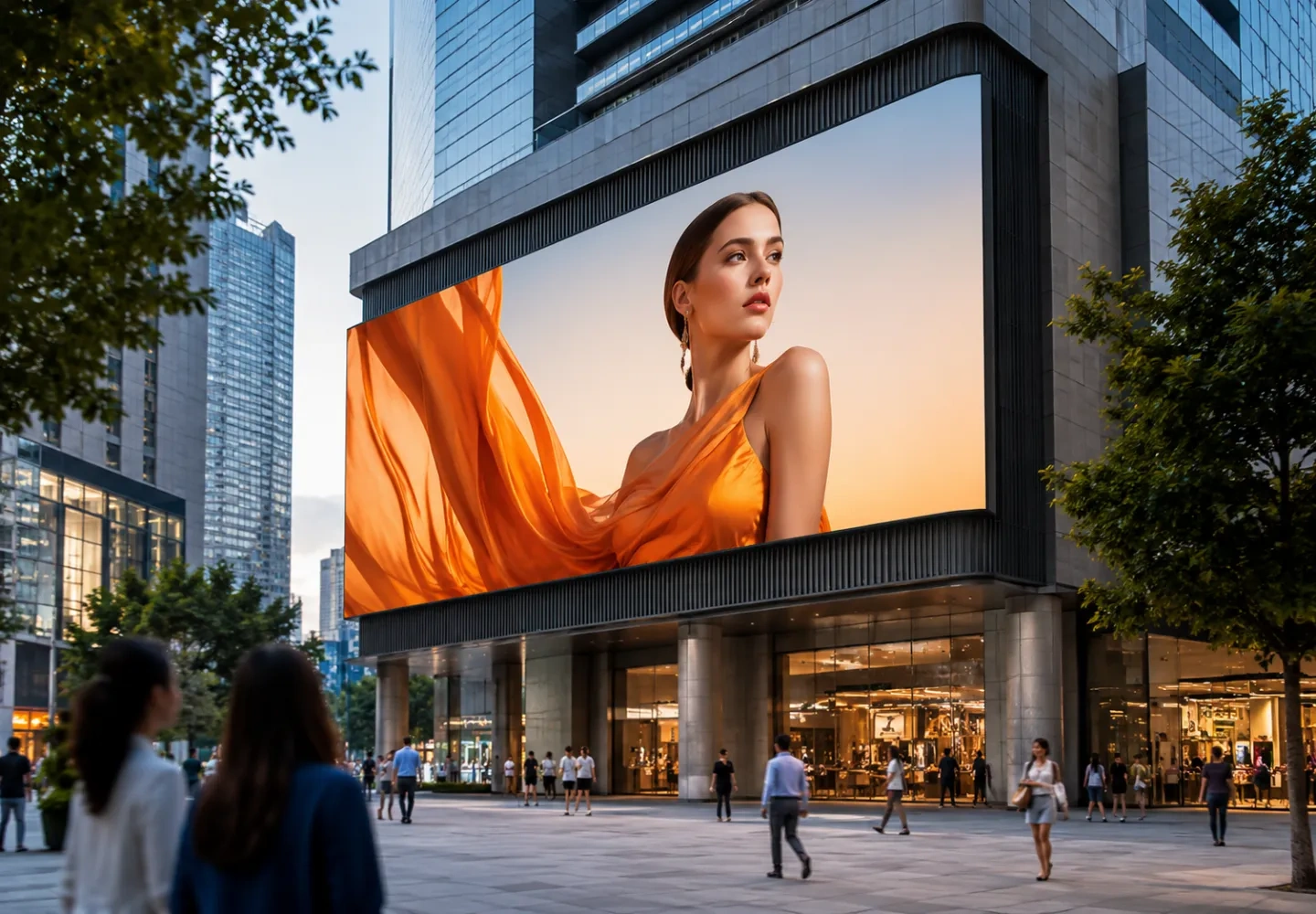
- Benefit: Drive foot traffic for EU shopping centers and flagship stores. Premium color reproduction wins brand creative.
- Recommended: P3.9 · P4 · P5 · High Contrast · Front Service
- Suggested Series: C-Smart Series (EU Stocked: P3.91/P5) and C-Slim Series (EU Stocked: P5)
- Why: 3840Hz camera-friendly refresh for social media content. Vivid DCI-P3 color reproduction. Seamless corner and curve integration for building-specific shapes.
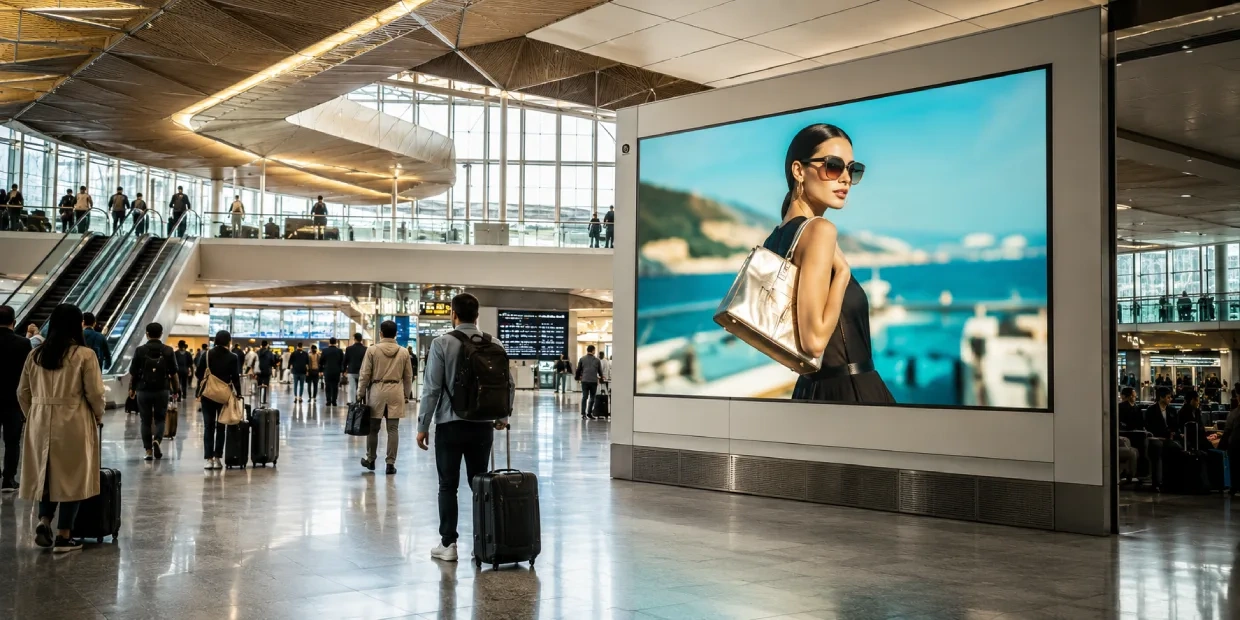
Transit & Intermodal Hubs
- Benefit: Maximize ad revenue at EU airports and rail terminals. Reach millions of daily commuters with dynamic content.
- Recommended: P3.1 · P3.9 · Energy-Efficient IC · Rear Service
- Suggested Series: C-Smart Series
- Why: Dual-signal redundancy prevents info gaps. 24/7 continuous operation stability. Wide 140° viewing angle reaches every waiting passenger.
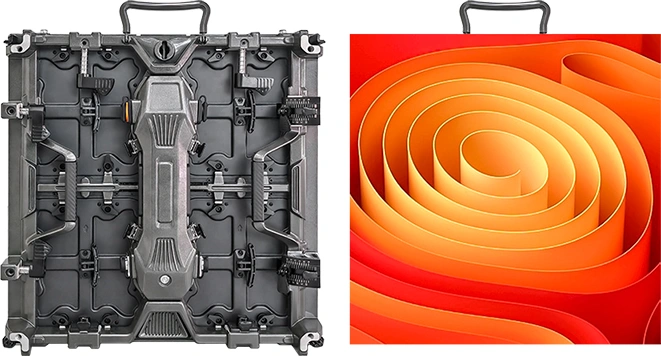
Project Case
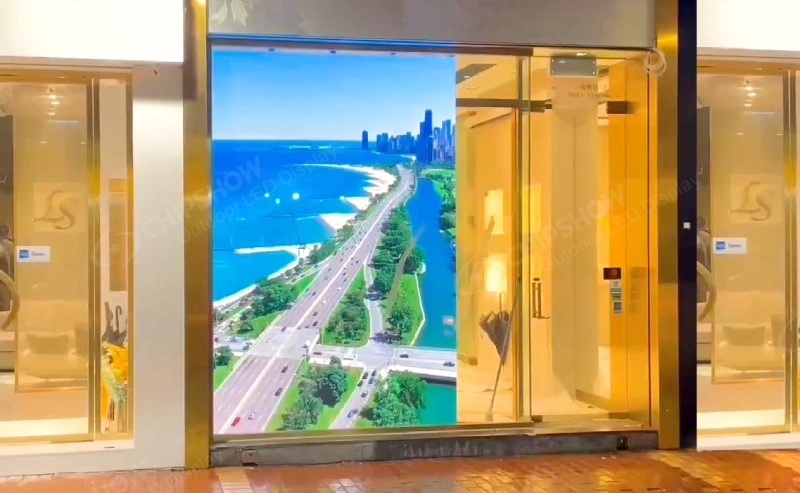
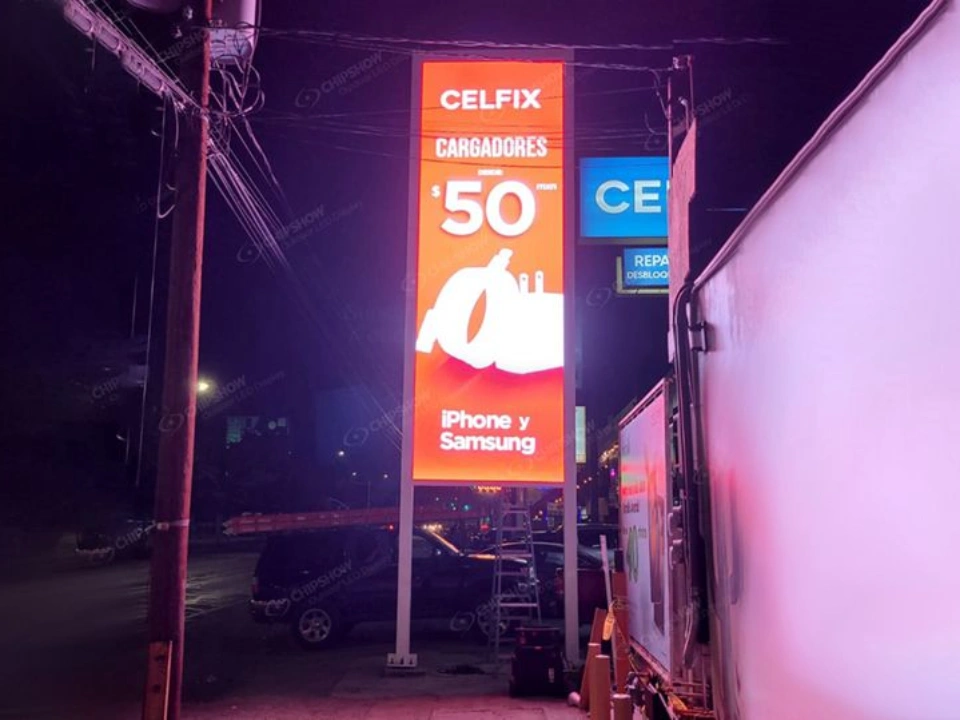
Recommended Products
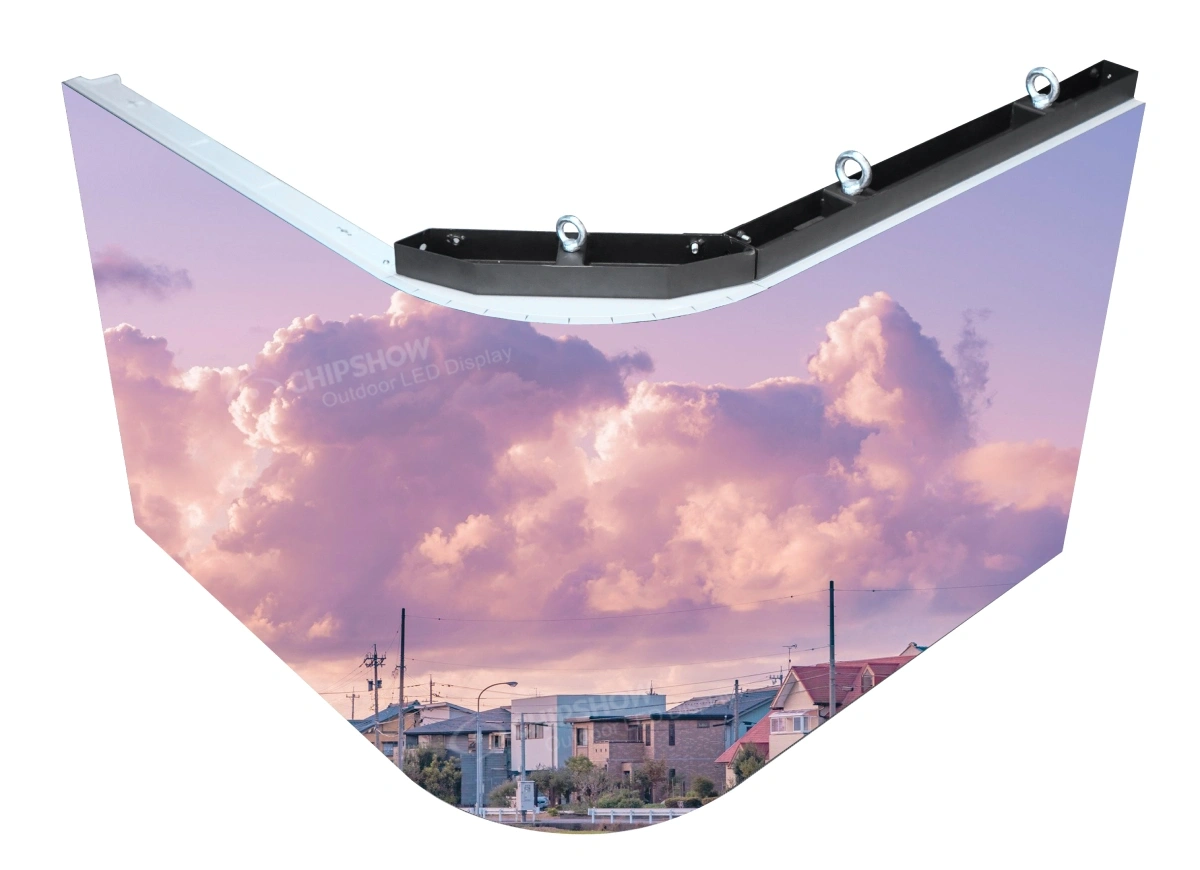
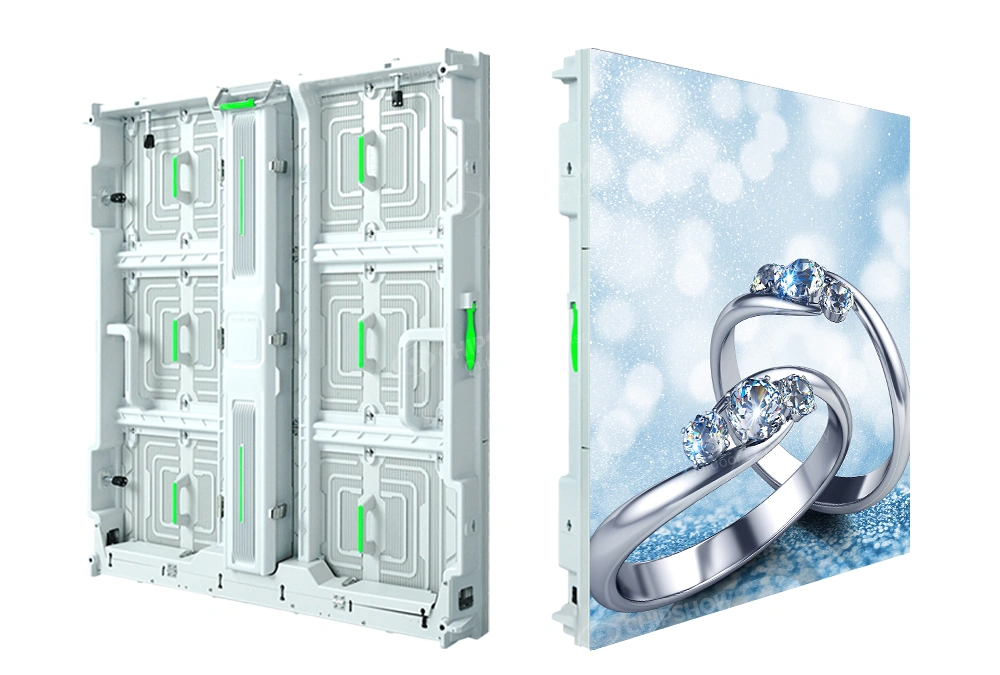
C-Slim(ca) Curved & Corner LED Display
Designed for corner storefronts and creative pillars, the C-Slim(ca) platform bridges architecture and advertising with precision arc splicing and true dual-maintenance reliability for European urban builds.
P4.0 – P5.9, ≥ P6.0
1000 × 1000 mm series, 640 × 480 mm series, 960 × 960 mm series
≥4,000 – 5,500 cd/㎡, ≥8,000 – 10,000 cd/㎡, ≥10,000 cd/㎡
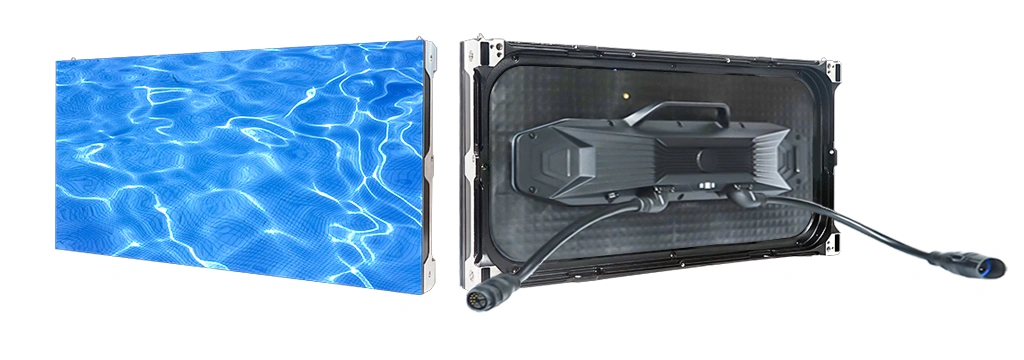
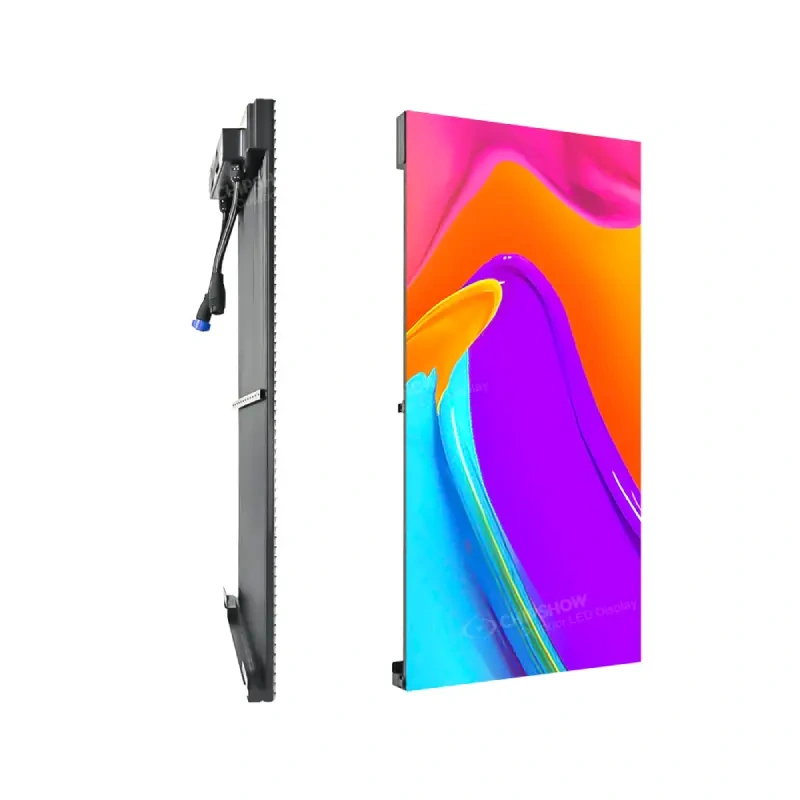
C-Smart Modular LED Sign
Designed to streamline European outdoor deployments, this integrated modular platform eliminates bulky traditional cabinets. Featuring up to IP66 protection and an ultra-thin profile, it allows direct wall mounting with full front access, reducing structural engineering costs for retail, community, and commercial signs.
P4.0 – P5.9, ≥ P6.0
640 × 320 mm series
≥10,000 cd/㎡
Why Choose Us

Regulatory Compliance
All DOOH series are fully CE, LVD, and EMC certified, ensuring smooth municipal site approvals and reliable operation in regulated European urban zones.

Long-Term Asset Life
We commit to 5-10 years of spare parts availability for core series, protecting your investment from premature obsolescence and technical debt.

Wind-Load Readiness
Providing certified structural engineering data and ventilated panel options to simplify planning permissions for high-altitude and open-field billboards.

Global Controller Support
Compatible with mainstream industry controllers (e.g., NovaStar, Colorlight) and programmatic advertising workflows for seamless network integration.
Qualification
R&D Patents
58 patents including 30 inventions (with 7 US and 2 EU), plus 13 utility models, 8 designs, 6 software copyrights.

Product Certifications
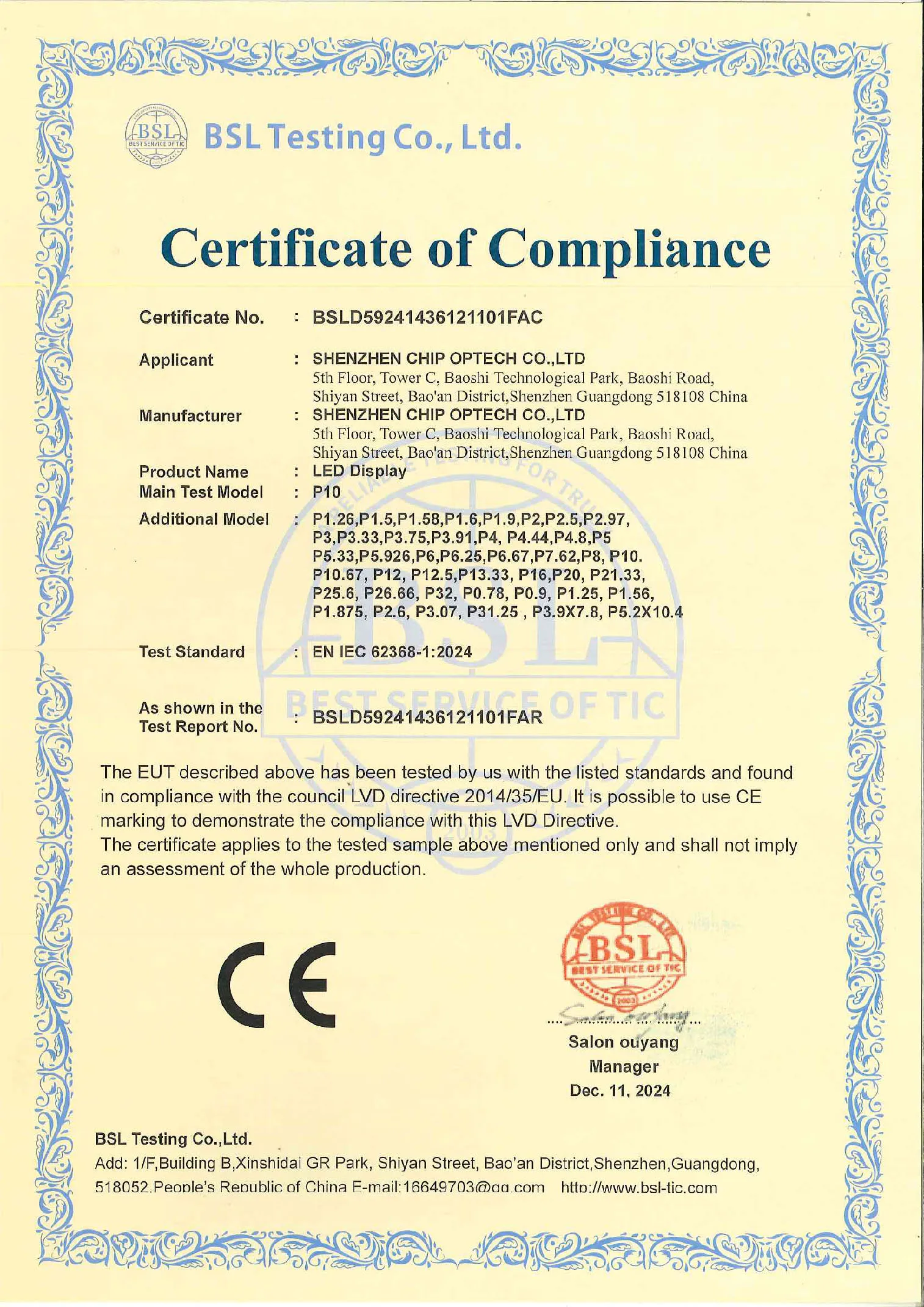
Products certified to CCC, FCC, UL, TÜV Rheinland, CE, RoHS.
Management Systems
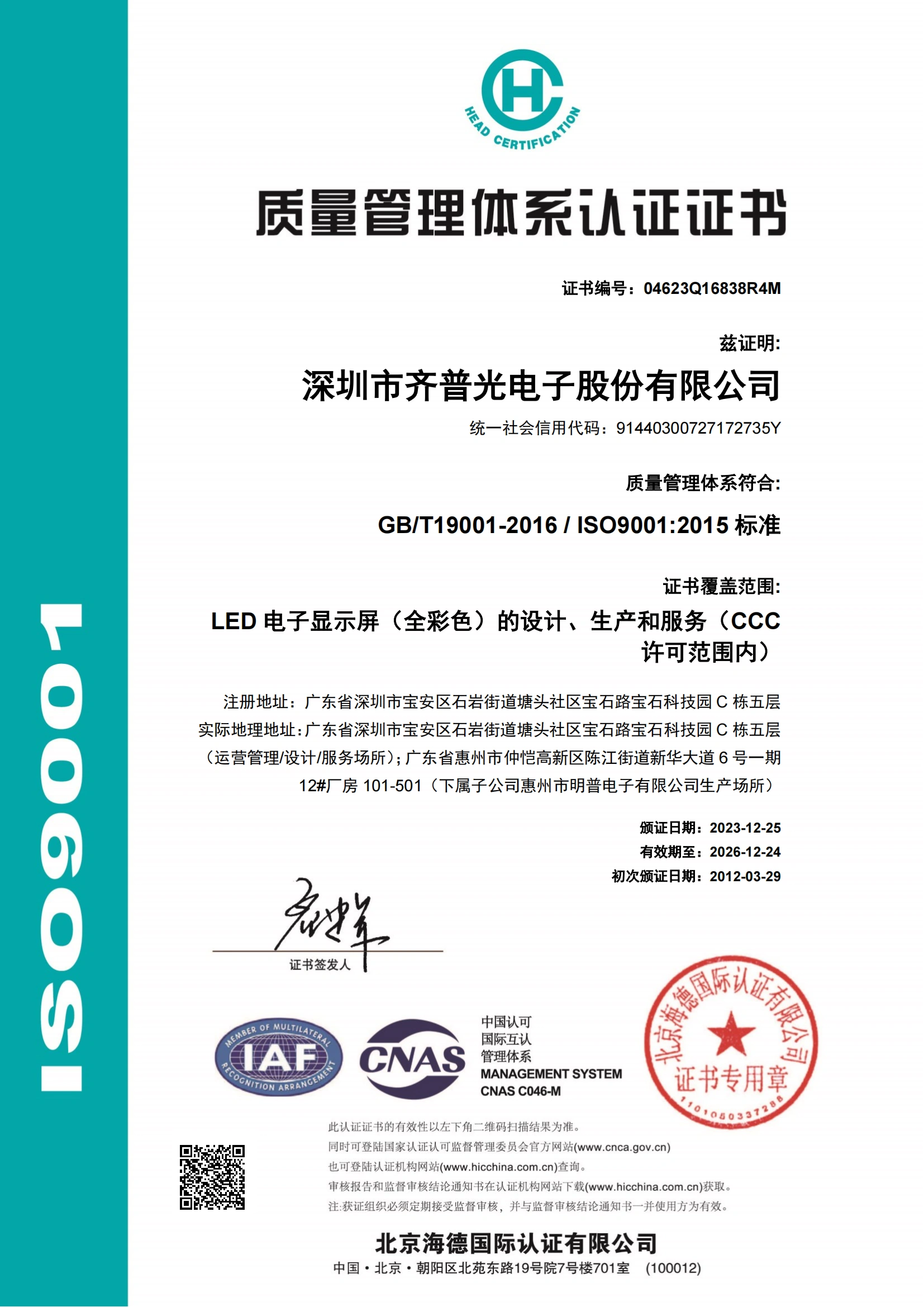
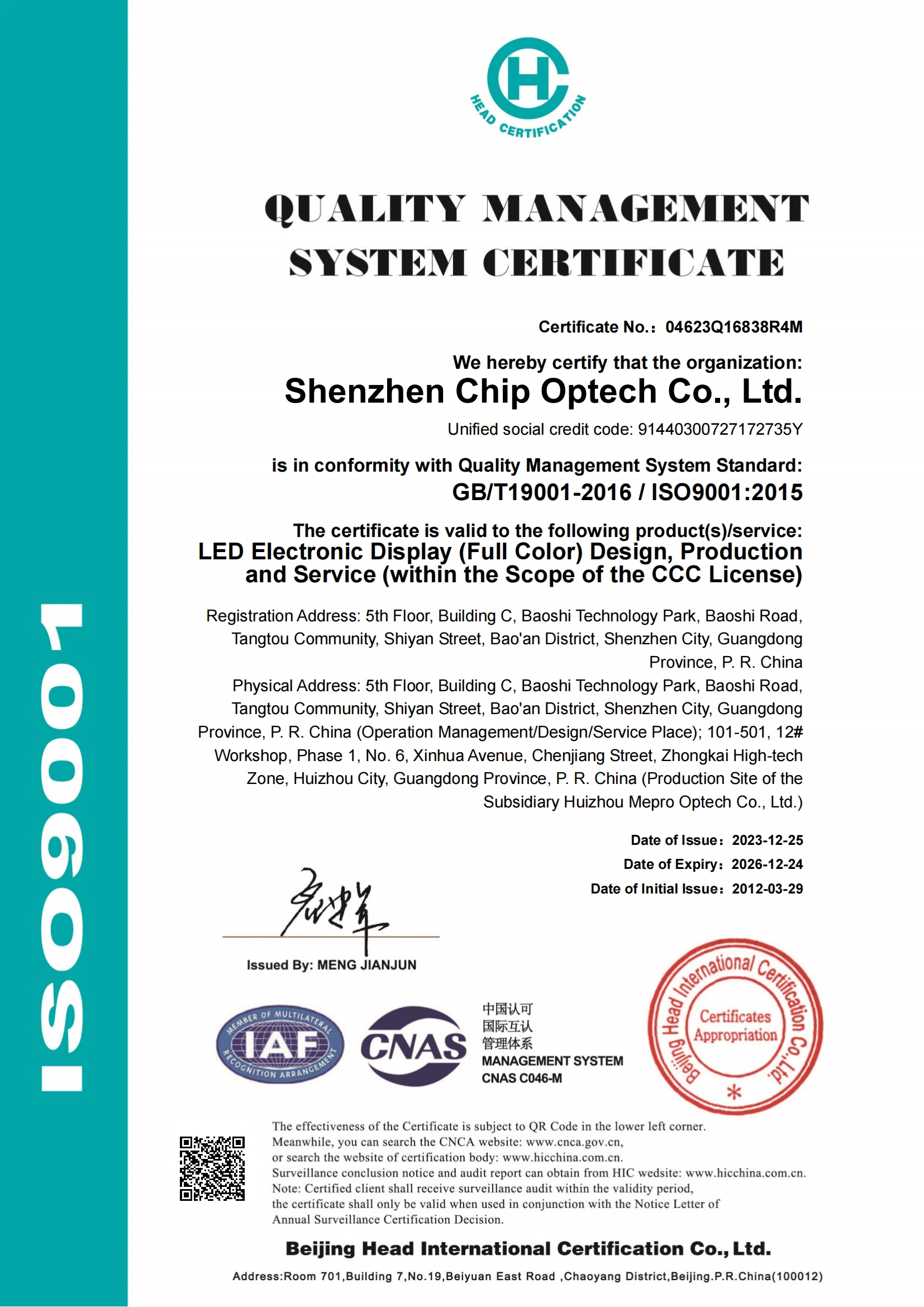
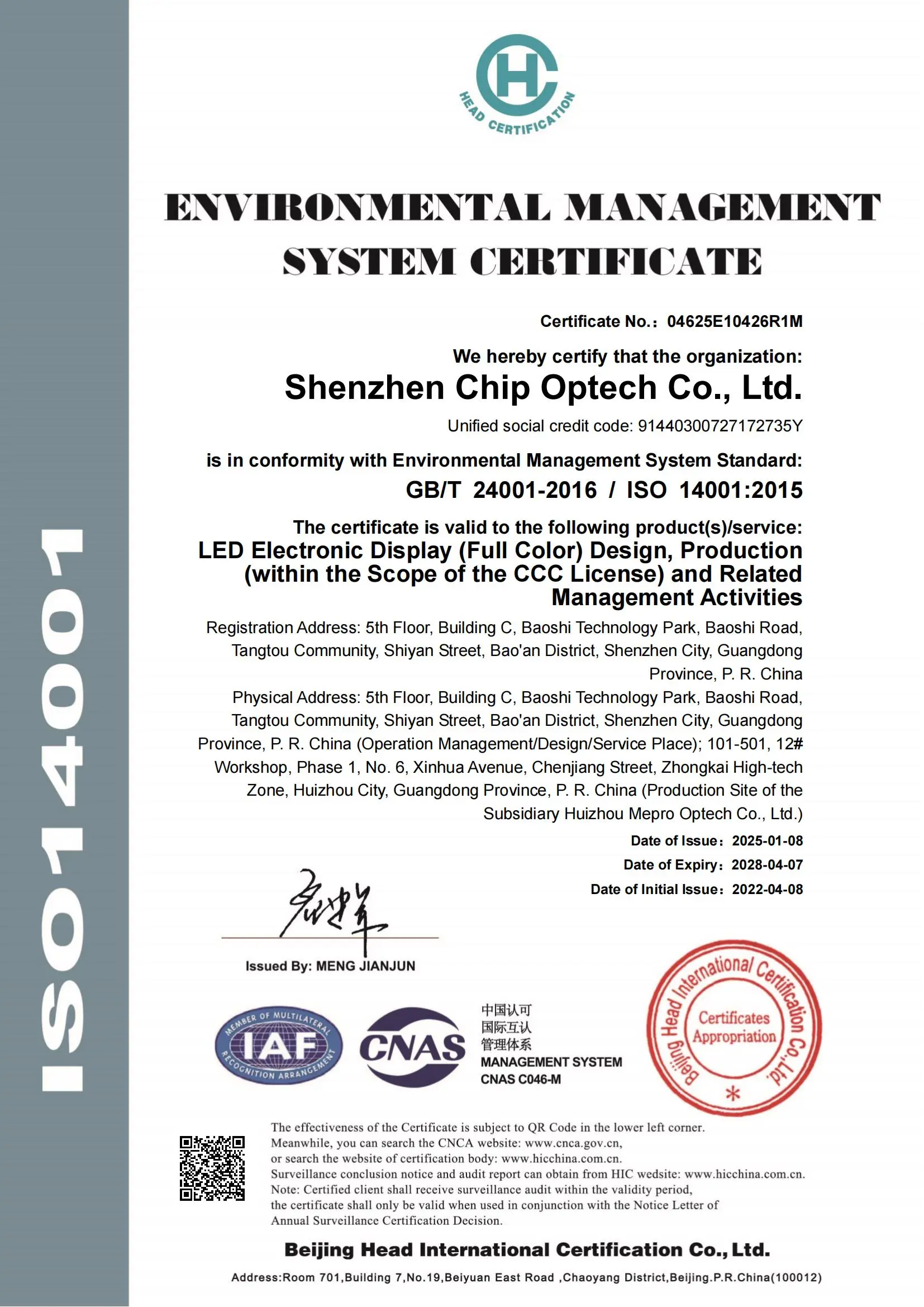
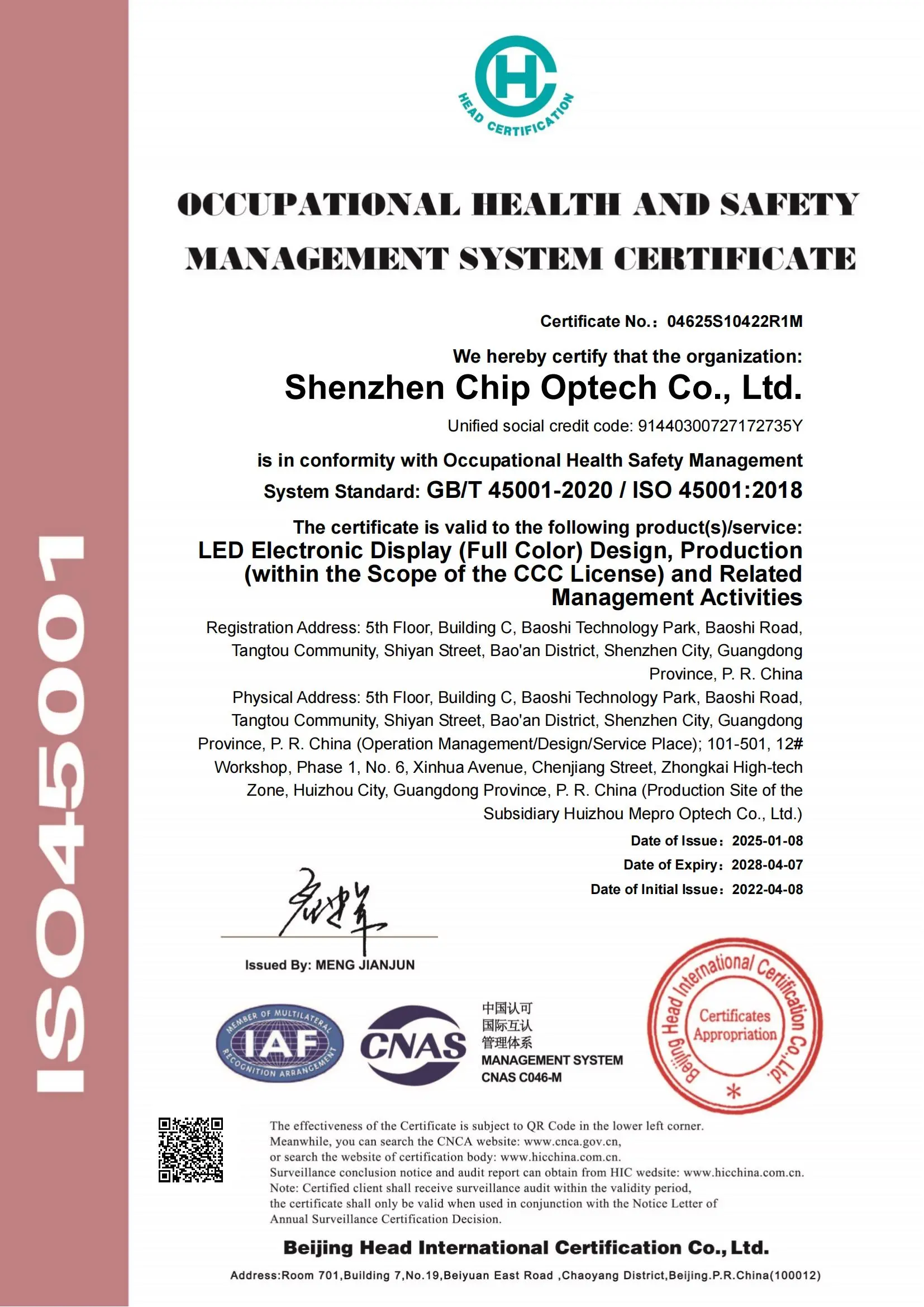
Company certified to ISO 9001:2015, ISO 14001:2015, ISO 45001:2018, and GB/T 29490-2013 (IP management).
Design Honors
Industrial design recognitions include Beauty of Made-in-China and the iF Design Award.
Get Prices for Free
About Us
We design and manufacture outdoor & indoor LED display systems, delivering campaigns from concept to go-live. With in-house R&D, disciplined manufacturing, and a global service network, we help advertisers, integrators, and distributors deploy brand-safe screens-on time and at scale.
Chipshow America Inc.
Chipshow America Inc.
Add: 640 Irving Avenue, Glendale CA 91201
Tel: +1-818-813-4196
Chipshow Europe B.V.Chipshow Europe B.V.
Address for warehouse and inventory:2e Energieweg 32, 9301LL Roden,Netherlands.
Tel: +31-620230918
Chipshow Partner in Middle EastChipshow Partner in Middle East
Add: Warehouse #10, Plot# 597-1151, DIP 2, Dubai, UAE.
Tel: +971 55 101 0357
Chipshow PeruChipshow Peru
Add: Calle Ricardo Angulo 1255 San Isidro Lima-Peru
Tel: +51 16970460 / Mob: +51 935382677 +51 984171015
ShenzhenChipshow Shenzhen
Addr: 5th Floor, Tower C, Baoshi Technological Park, Baoshi Road, Shiyan Street, Bao'an District, Shenzhen, China
Tel: +86 18148555033
+
Established in
+
Production and operation area
+
Distributor
+
Development experience
+
Exporting countries
+
Success stories
Frequently Asked Questions
From specs and compatibility to warranty and support, our FAQ covers everything you need to know to get the most out of your experience.
-
+86 18148555033
-
manager@chipshow.com
-
Exportweg 8 9301 ZV Roden Netherlands
Is 10,000+ nits always necessary for European DOOH?
Not always. While our C-Slim Ma series can reach extreme levels, we recommend a tiered approach. High-noon direct sun sites benefit from 8,000-10,000 nits to maintain contrast. However, for many urban or north-facing sites, 6,000-7,500 nits provides excellent visibility while further reducing power consumption and extending the LED lifespan.
How do you support structural safety and wind-load requirements?
What is the true benefit of your Magnesium Alloy cabinets?
How do you handle light pollution and night-time dimming?
What is your commitment to long-term maintenance and spares?
Outdoor LED Display Screen TCO in Europe: Energy Tariffs, Compliance, and Maintenance Breakdown
Most European DOOH operators and media agencies evaluate outdoor led display screen quotes on panel price alone. However, empirical industry data from 2025–2026 shows that the initial hardware invoice covers approximately 35–50% of the actual 10-year lifecycle spend. Electricity tariffs, specialized maintenance labor, and municipal compliance costs compound steadily across every year of operation, accounting for the remaining 50–65% of the total financial outlay.
What Does Outdoor LED Display Screen TCO Include in Europe?
Total Cost of Ownership (TCO) encapsulates every Euro spent from the day initial structural permits are requested through the display’s operational half-life.
CapEx vs. OpEx Breakdown
CapEx (Capital Expenditure): Covers one-time, upfront costs including the display panels, structural steel fabrication, concrete foundation works, specialized installation labor, electrical hookups, CE/EMC certification verification, and municipal zoning permits.
OpEx (Operational Expenditure): Covers recurring, compounding costs including high-tariff electricity, routine maintenance labor by certified technicians, software licenses, connectivity, structural insurance, and spare parts reserves.
Because display hardware typically represents less than half of the total 10-year lifecycle cost, procurement managers must multiply the panel price by 1.5 to 2 to establish a realistic operating model.
Why a 10-Year TCO Planning Horizon is Mandatory
Planning frameworks shorter than 5 years fail to capture the first major hardware replacement cycles. Power supply units (PSUs) operating under outdoor weather cycles typically require servicing or replacement between years 4 and 6, while LED diode brightness degrades gradually over time. A 10-year model captures a true Return on Investment (ROI) picture and is recommended for permanent commercial installations.
The True Weight of European Electricity Tariffs
Electricity represents the largest single recurring OpEx line for European DOOH operations. It is also the most controllable cost factor in next-generation screen engineering.
High Tariffs Demand Efficient Driver Architecture
Based on European commercial energy tariff benchmarks, rates across major European member states typically range from €0.18 to €0.35/kWh. At these rates, operating a standard outdoor led display screen in Europe costs 40–100% more annually than running an identical screen under domestic U.S. commercial rates. European operators must evaluate energy-efficient hardware at the Request for Quotation (RFQ) stage to protect their long-term margins.
10-YEAR LIFECYCLE COST PROFILE
- Display Panel Hardware(35% - 50% CapEx)
- Compounding OpEx (50% - 65% Electricity, Labor & Maintenance)
Common Cathode Design: Lower Tariffs, Cooler Operations
Traditional displays utilize a common anode architecture where all three RGB diode channels share a single supply voltage, converting excess voltage directly into wasted heat.
Next-generation systems leverage Common Cathode Architecture, supplying each color channel at its optimal voltage point: approximately 2.8V for red and 3.8V for green and blue. Under typical advertising content, energy-efficient common cathode displays achieve an average power consumption of around 180 W/m².
This engineering approach drops operational temperatures by 10–15°C, reducing thermal stress on driver ICs, minimizing structural degradation, and lowering overall electricity costs.
Compliance-Driven Luminance Control
Operating an outdoor led display screen at 60% luminance rather than 100% reduces power draw by 25–35% with negligible loss in visual impact during standard daylight conditions. Integrated Automatic Brightness Control (ABC) sensors adjust output to ambient light in real time. Furthermore, an increasing number of EU jurisdictions enforce strict nighttime dimming schedules to combat light pollution, making automatic dimming a requirement for zoning approval.
Maintenance and Specialized Labor under EU Regulations
The standard high-level benchmark allocating 10–15% of hardware cost annually for maintenance requires a localized task breakdown to account for Europe's stringent regulatory landscape.
Certified Electrical Labor and Working-at-Height Restrictions
European electrical labor costs typically range from €60 to €120/hour. Furthermore, work-at-height safety certifications (such as IRATA or local equivalent directives) are strictly mandatory across EU member states, which eliminates the possibility of single-person servicing on heavy, unguided structures. Unplanned emergency repairs add further overhead:
The Cost of an Emergency Event: A dark panel triggers immediate advertiser Service Level Agreement (SLA) penalties. A typical roadside emergency call-out includes technician travel expenses (€150–€300), boom lift or scaffolding hire (€200–€600/day with complex scheduling leads), and replacement parts.
Front-Access vs. Rear-Access Serviceability
Rear-Access Designs: Require a permanent catwalk or structural clearance behind the cabinet frame. In space-constrained European urban environments or wall-mounted configurations, this increases maintenance time per visit by 40–60%.
Front-Access Modular Engineering: Enables a single technician to perform module swaps from the front face in less than 30 minutes. For DOOH networks managing multiple locations, front-service architectures commonly cut cumulative labor costs by over €20,000 per screen over a 5-year cycle.
Cabinet Weight and Architectural Constraints
Cabinet weight is a critical specification that directly impacts installation timelines, structural engineering validation, and ongoing deployment safety.
Preserving Historic Facades and Securing Permits
European cities are defined by strict architectural preservation and historic building protections. Heavy structural loads on aging facades are frequently denied building permits by local councils. Traditional steel cabinets impose massive static loads, requiring extensive secondary steelwork reinforcement.
Switching to lightweight magnesium alloy or aluminum profile frames dramatically shortens installation windows:
A standard steel cabinet screen (60 m²) typically requires 2 to 3 days of heavy crane engagement and street-closure permits.
A lightweight modular equivalent can be installed in a single day on the same frame structure, reducing initial installation labor and equipment hire costs by €8,000 to €15,000.
Single-Technician Maintenance Workflow
Heavy cabinet modules require a two-person crew for any maintenance intervention under standard EU work-at-height safety practices. Conversely, lightweight, guided modular profiles enable single-technician servicing. For a European network operator maintaining 10 screens on a twice-annual routine service cycle, single-person access reduces per-visit labor costs by 40–50% across the operational half-life of the display.
Weatherproofing, Ingress Protection, and Asset Durability
Weather-related failures are the primary cause of unplanned downtime in European outdoor deployments, making Ingress Protection (IP) ratings a key driver of insurance costs.
IP65 vs. IP66: Protecting Against Corrosive Coastal Climates
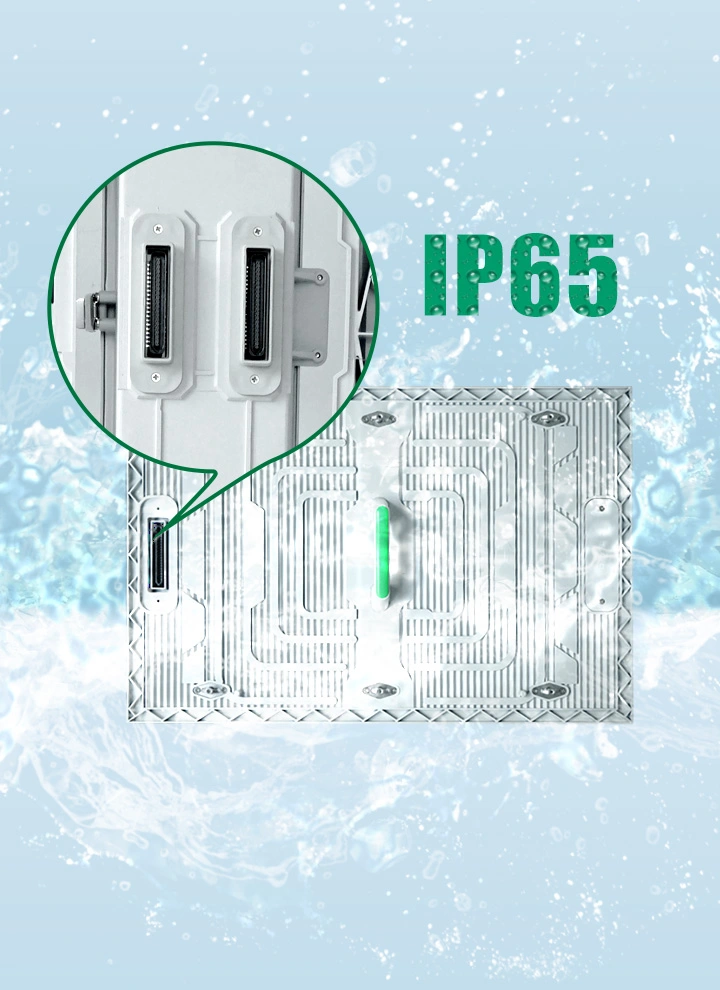
IP65 Protection: Provides full dust exclusion and resistance to standard directional water jets, which is perfectly adequate for inland European environments.
IP66 Protection: Adds resistance to high-pressure, powerful water waves. This rating is highly recommended for coastal deployments across the North Sea, Atlantic, or Mediterranean coastlines, where salt-air corrosion can damage unsealed electronic components within 18 to 36 months.
Passive Thermal Management vs. Fan-Cooled Cabinets
Fan-cooled cabinets require air filters that must be manually cleaned or replaced at least twice per year to prevent dust clogging. Furthermore, fan motors are prone to mechanical failure within 3 to 5 years and can add up to 20% to the system’s energy consumption.
Fanless passive cooling designs leverage natural convection through optimized heat sinks. By eliminating moving mechanical parts, passive thermal management lowers electricity consumption, minimizes service intervals, and reduces the lifecycle breakdown risks of internal components.
The 10-Year European TCO Procurement Matrix
To optimize your procurement budget, project requests for quotes should align with Chipshow's optimized European product inventory, available directly from our local Netherlands logistics warehouse:
| TCO Cost Driver | Technical Specification to Prioritize | Recommended Chipshow Solution (EU Stock) |
| High EU Electricity Bills | Common Cathode Architecture; Average power consumption ≤180 W/m²; Light sensors. | C-Slim Series (P5 Outdoor) / C-Smart Series |
| Architectural Weight Limits | Die-Cast Magnesium Alloy Frame; Low structural load profiles. | C-Slim Series (Magnesium Alloy) |
| High Specialized Labor Rates | 100% Front-Service Maintenance; Modular quick-swap design. | C-Smart (P3.91/P5) Cabinet-Free Platform |
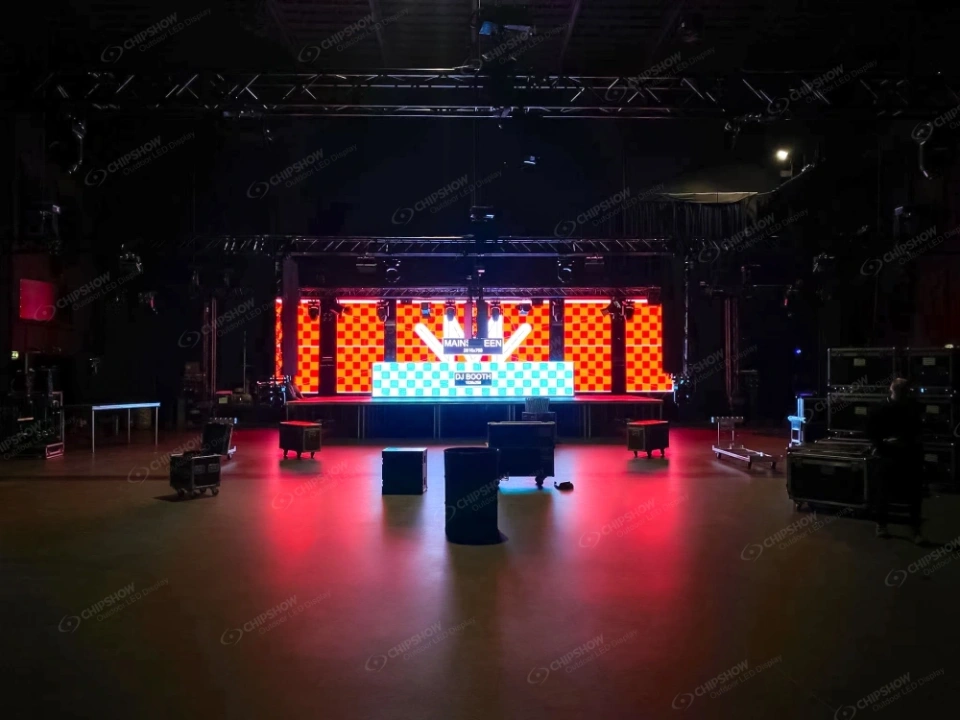
| Rapid Event Deployment | Tool-free fast locks; Ground stacking & hanging compatible frames. | C-Shine-Plus (P2.97/P3.91 Outdoor Rental) |
| High-Contrast Staging Visuals | High refresh rates ($\ge$3,840 Hz); Broadcast-ready color calibration. | C-Rock (P2.97 Outdoor Staging Platform) |