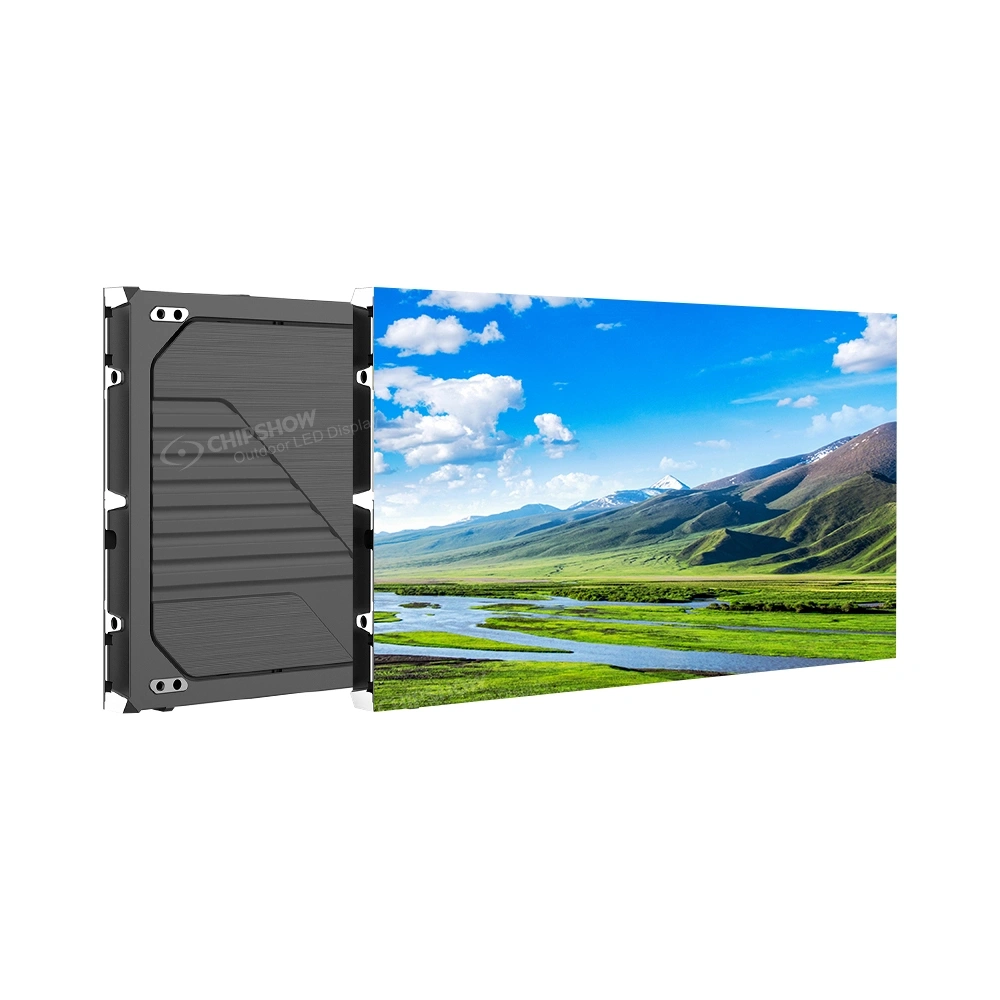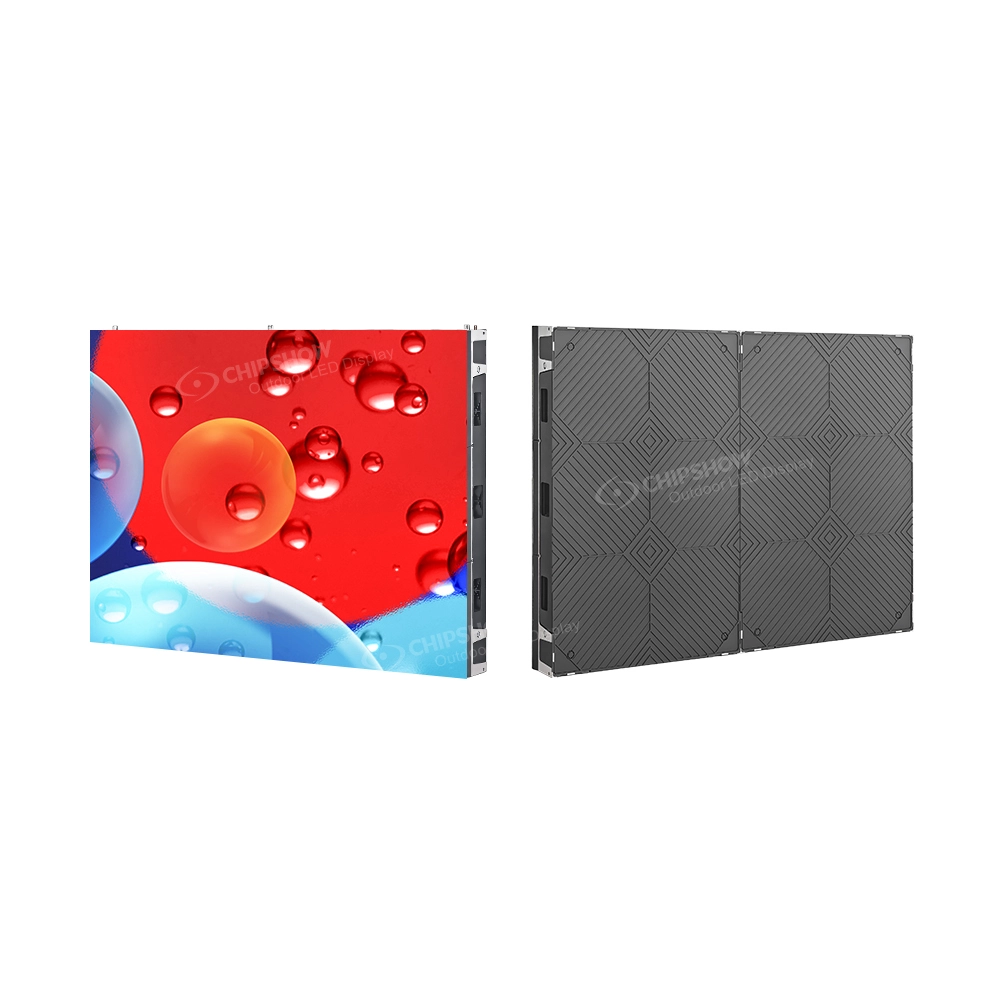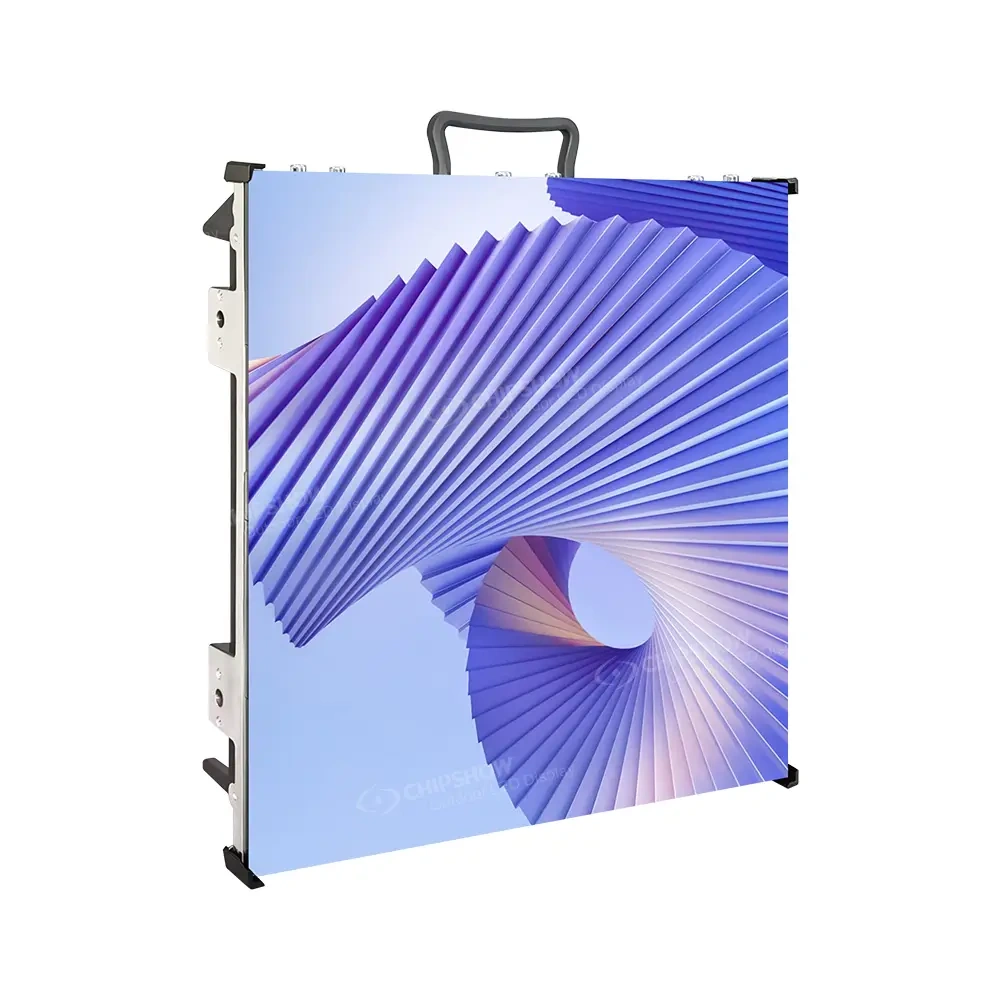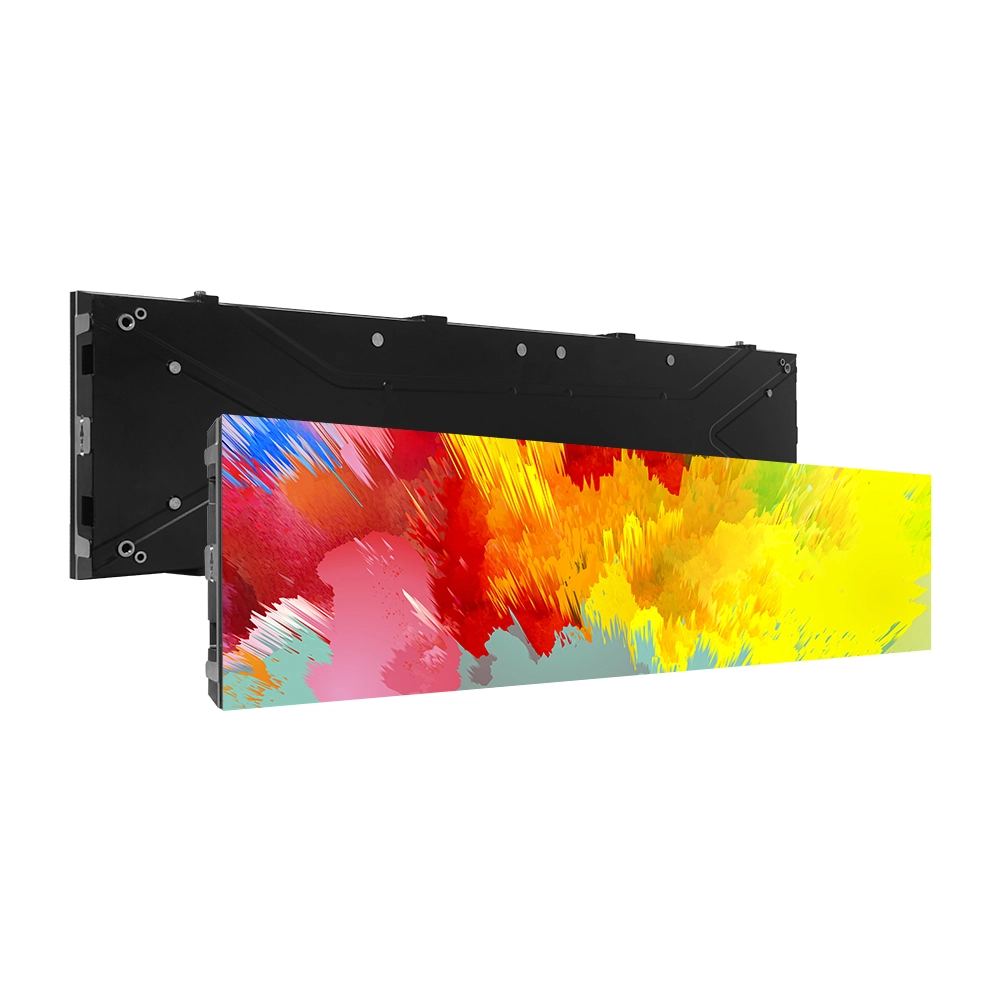
TL;DR: This guide explains the operator-financed model for stadium perimeter LED advertising in Europe: the operator supplies the display system and the sponsorship sales capability, and recovers the investment over a multi-year exclusive contract. It covers three contract conditions to agree with the venue, the revenue structure at community and professional level, one reference pricing point from a UK rugby league club, and the hardware checks to run before bidding: compliance documentation, broadcast acceptance, maintenance access, and pitch-side safety. Documentation and pricing requirements are confirmed per project.
One inventory category has not followed the same digitisation curve as roadside, transit, and retail media: stadium perimeter LED advertising. The technology is available and the sponsorship demand exists, but the procurement structure often does not connect the operators who hold the capital with the venues that need the displays. From professional football clubs and regional rugby grounds to municipally owned multi-sport complexes and university sports facilities, many venues want digital perimeters. The sections below cover the contract structure, the revenue mechanics, and the checks to run on the hardware before bidding.
Not sure which format fits your project? Use the LED screen selector to shortlist screens by nearest viewer and venue before requesting a quote.
A Market Adjacency European Operators Have Overlooked
European outdoor advertising markets have experienced sustained digital conversion over the past decade, with roadside, transit, and retail formats absorbing the majority of operator investment. Competition for premium sites in these categories is well understood, and acquisition costs for new digital inventory are transparent across most EU markets.
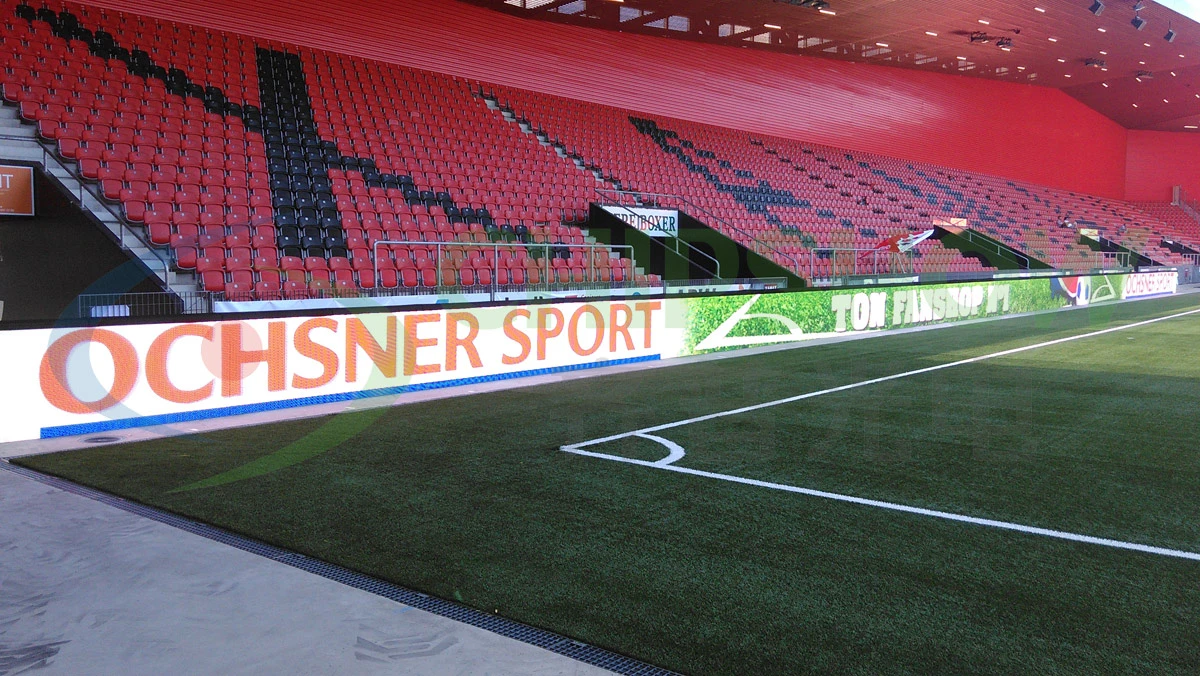
Stadium perimeter LED displays sit outside that competition for sites. The displays already exist at professional football clubs across multiple European leagues and at a growing number of regional rugby and municipal multi-sport venues. Who sells the advertising on those boards varies: some venues run sponsor sales through their own commercial departments, and others grant an exclusive to a media agency whose portfolio also covers broadcast and naming rights.
The stronger entry point for an independent operator sits below that tier: second- and third-division football clubs, regional rugby grounds, municipally owned multi-sport complexes, and university sports facilities that have yet to install a digital perimeter. These venues benefit from digital perimeter advertising in multiple ways—raised match-day atmosphere, increased sponsor revenue, and modernised broadcast presentation—but the capital expenditure exceeds their equipment budgets. The operator who supplies the capital and the sales capability in exchange for a multi-year exclusive advertising rights contract generates value for both parties.
Three conditions need to be agreed. First, treat the operator’s existing sponsors as potential leads for perimeter placements, subject to venue rights, audience fit and the advertising terms available. Second, define which party pays for the hardware, installation and ongoing operation; a revenue-share arrangement does not by itself eliminate the venue’s costs or responsibilities. Third, model investment recovery over the contract period using documented revenue and cost assumptions, including financing, maintenance, operating costs and the venue’s share. Sponsor transfer, payback and operating margin depend on the agreed terms and actual results.
The Revenue Model in Practice
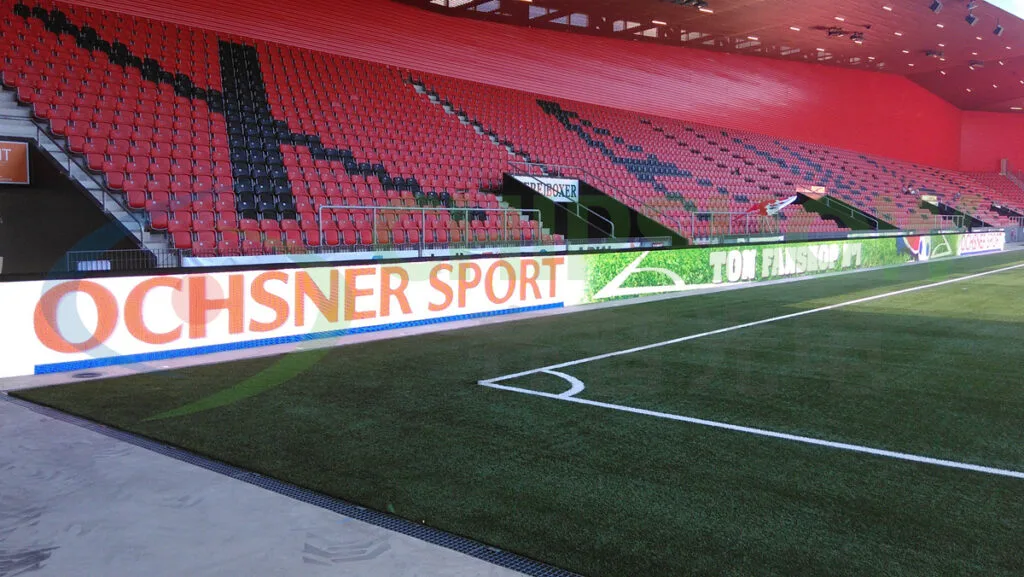
In the operator-financed model, the display system, the installation, and the control infrastructure are funded up front by the operator, and the investment comes back through sponsorship fees across a multi-year contract with the venue. The commercial structure is straightforward: total sponsorship revenue, less hardware depreciation, less ongoing maintenance cost, less the venue’s negotiated revenue share.
Community clubs and lower-division sides are where most regional operators start. The sponsorship structure at this level is shared placement: several local and regional brands rotate through each perimeter section, paying an agreed seasonal or per-match fee. What one sponsor pays varies by market and by club, but the combined income from several sections and a full rotation is what pays the hardware investment down over the contract period.
Publicly available pricing from a UK professional rugby league club (2026 season) provides one reference point: shared TV-facing perimeter slots at £500 per sponsor per season, exclusive slots at £3,000 per season. If a section carries eight shared sponsors at the reference price, one section generates about £4,000 per season; a section sold as exclusive at the reference price generates about £3,000 per season. This is a single data point from one league and market; actual results depend on the venue, the league tier, the broadcast reach, and the depth of the local sponsorship market. A full-perimeter system across multiple sections and sponsorship tiers extends this logic across the entire pitch circumference.
Multi-use venues deserve particular attention. A municipal sports complex that hosts football, athletics, concerts, and community events across a single calendar year provides more inventory for the operator to monetise than a single-sport facility. A full calendar across several event categories shapes the investment case differently from a football-only schedule.
League structure adds a risk that operators in promotion-and-relegation systems have to price in. A multi-year exclusive is signed against a club’s current division, and a relegation season changes the league tier, the broadcast reach, and the value of each placement. Model the recovery period on the assumption that the club may spend part of the contract in a lower division, and agree in the contract how the revenue share adapts if that happens.
At the professional club level, where national broadcast rights, larger stadium capacities, and season-long brand partnerships apply, the revenue per sponsor slot is materially higher. These contracts are typically awarded through formal tender processes. Ask for the tender documents early and confirm which product documentation they request; that list shapes your bid preparation, and it can differ between venues and countries.
Hardware: What to Establish Before You Bid
Stadium perimeter LED displays operate in a regulated procurement environment in European markets. Two sets of conditions decide whether a display is usable: the documentation the venue and the tender process require, and the operational requirements that determine whether sponsors renew. Check both for each quoted configuration.
CE marking is the manufacturer’s declaration that the product conforms to the applicable EU legislation. The directives most often named for a display are the EMC Directive 2014/30/EU, which covers both the interference a display emits and the interference it can tolerate, and the Low Voltage Directive 2014/35/EU, which covers electrical safety. Which emission class and which standards apply to a specific stadium installation depends on the site and the project: confirm the requirements with the venue and, where relevant, the local authority, and ask for the declaration of conformity and the test reports of the quoted configuration, checking that the declaration names the directives and the standards the tests were run against. Certifications do not guarantee local approval; confirm requirements per project.
Energy performance documentation is increasingly required for publicly funded and municipally owned sports facilities. Publicly funded and municipally owned facilities often buy through formal tender frameworks. What the tender requests varies: some ask for operational power consumption data at a defined brightness, some ask for energy-related documentation, and the list changes between countries and issuing bodies. Read the tender documents before bidding and confirm you can supply what they list; do not assume a fixed document set applies everywhere.
Broadcast-grade refresh rate of 3,840 Hz or higher determines commercial viability. Below this threshold, broadcast cameras capture visible scan lines and rolling bars on perimeter displays—particularly in slow-motion replay, which is precisely the content during which sponsors expect their branding to appear clearly. Whether the output is clean on camera depends on the camera model, shutter settings, content, and the display’s scan and drive configuration together, not on one specification number. Before signing sponsor contracts, run a camera acceptance test on the quoted configuration under match lighting: use the camera and settings the venue or broadcaster actually works with, record the result, and keep the recording as the acceptance baseline.
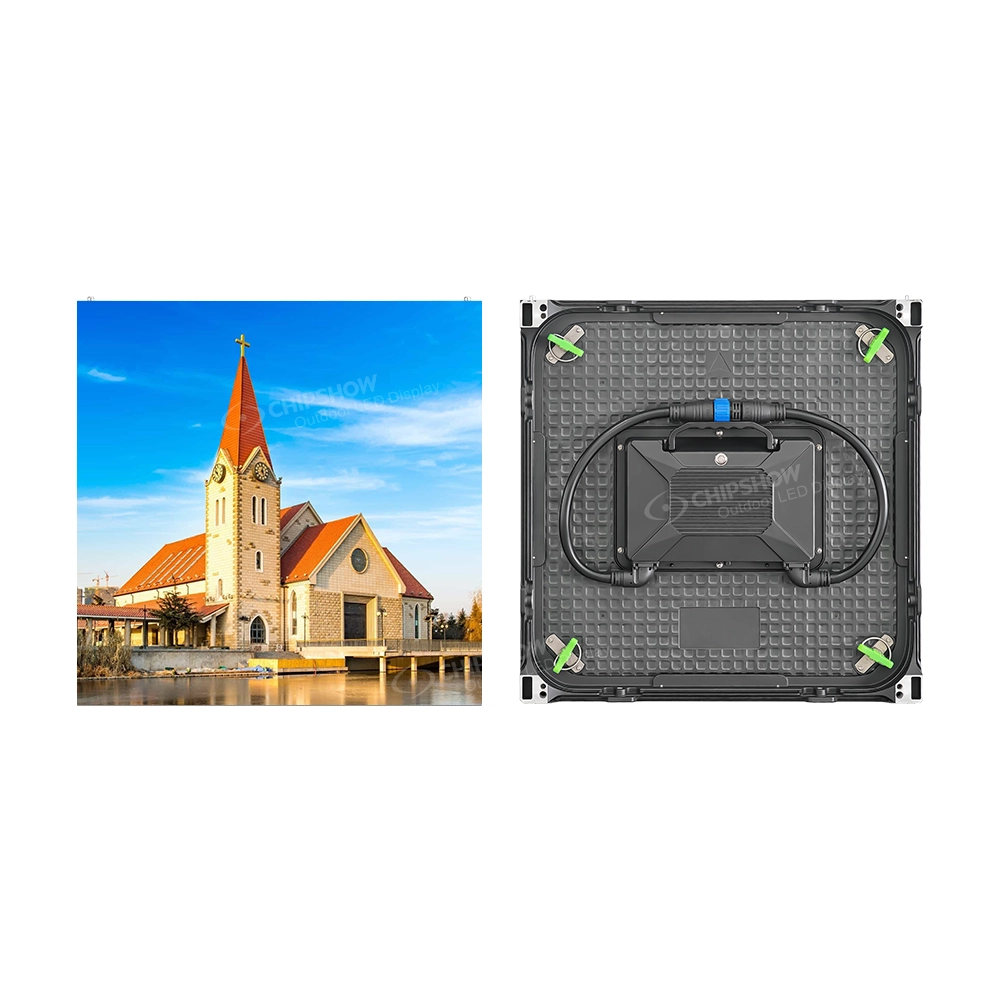
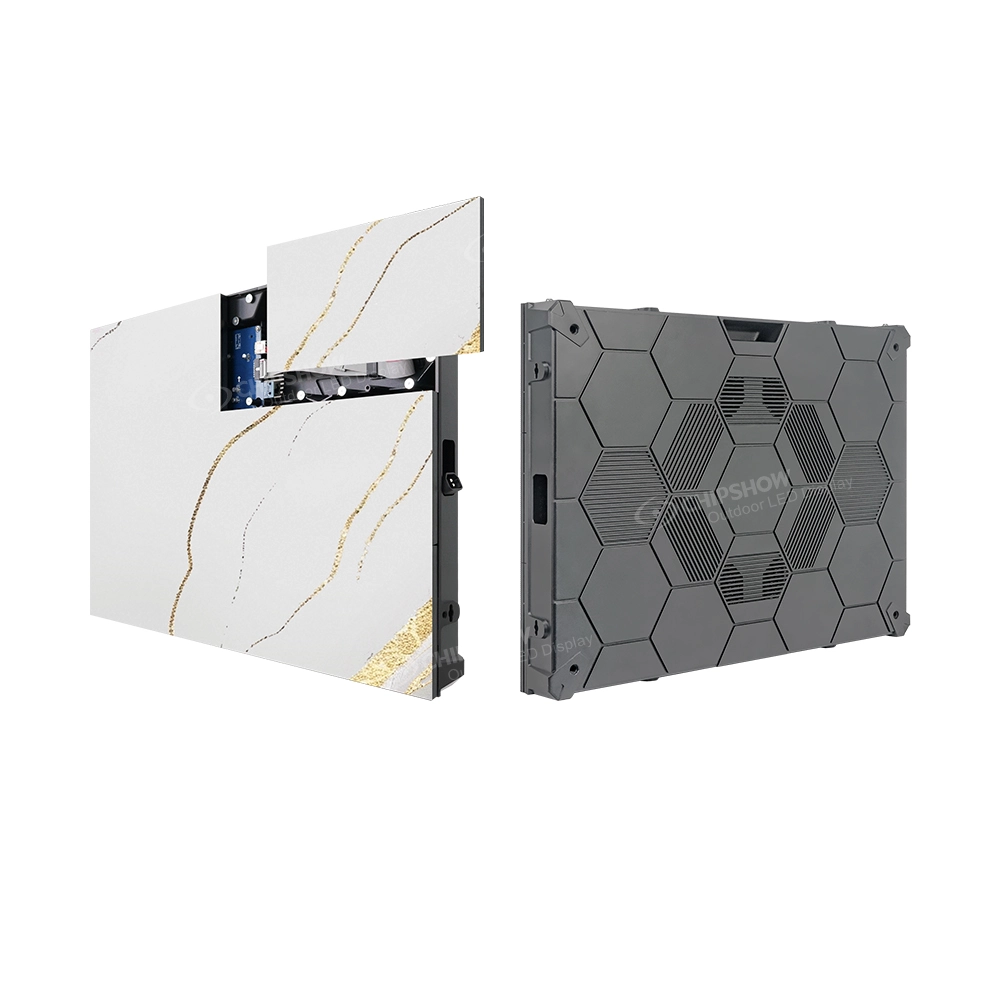
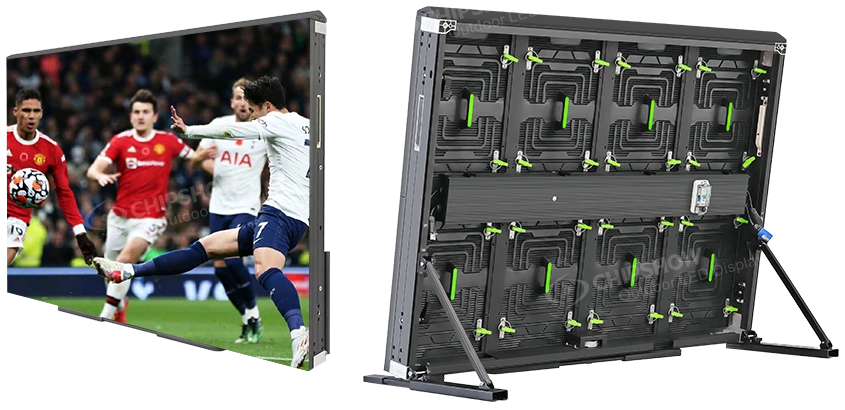
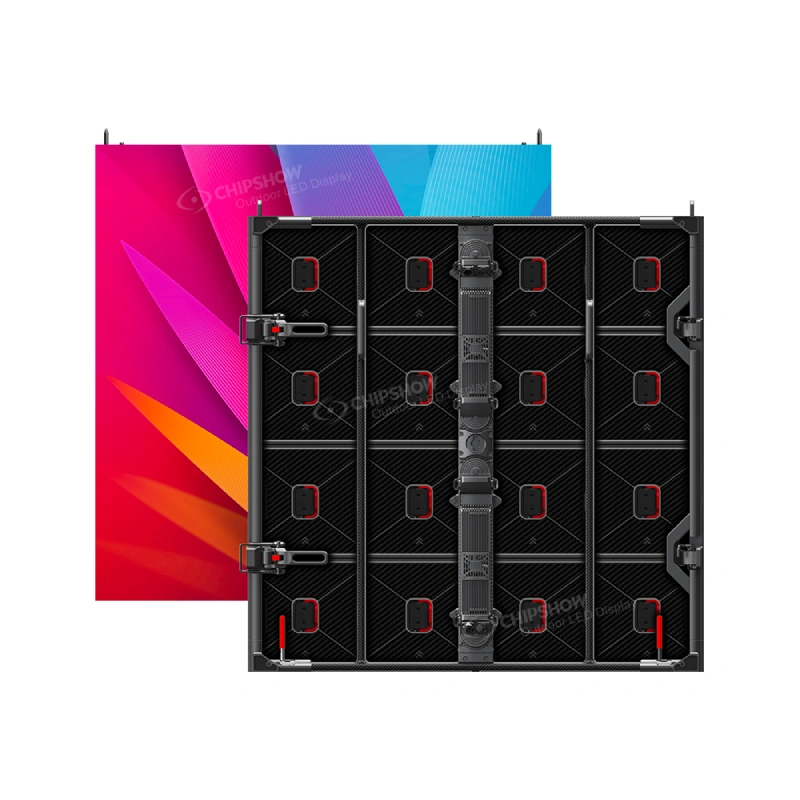
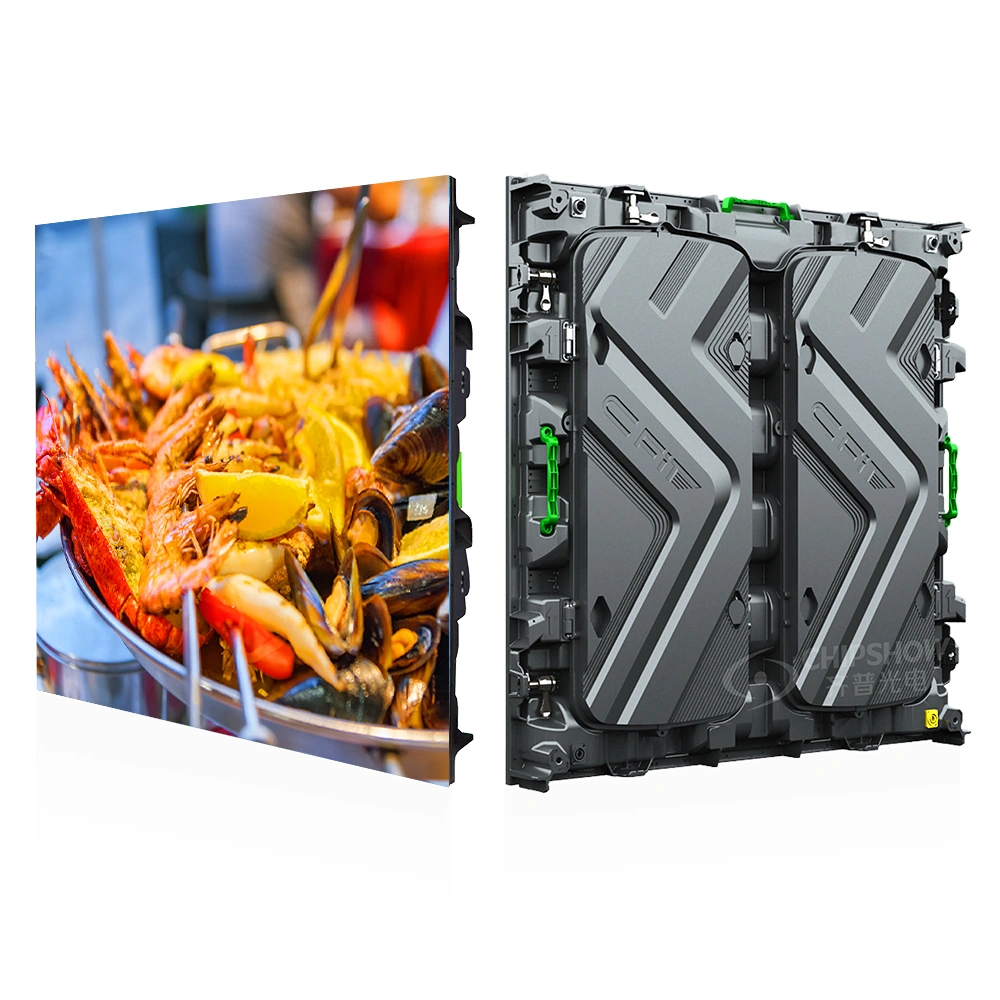
Modular front-service design governs maintenance cost and sponsor retention. A module failure during a match needs a repair path that does not depend on rear access, because perimeter cabinets are usually installed flush against the barrier. Ask how module replacement works for the quoted cabinet: which side is serviced from, which tools are needed, and how long a trained technician needs to swap one module and bring it back online. Compare suppliers on three durations separately: finding the fault, replacing the module, and returning the display to service.
Athlete collision protection is a venue safety certification requirement—not a sponsorship consideration. Pitch-level perimeter cabinets sit within reach of players. Whether protective edging is required, and in what form, is set by the league, the country, and the venue: confirm the requirements that apply to the venues on your list, and ask whether the protective edging is supplied with the cabinet or fitted separately.
EU-based inventory affects deployment timelines. A stadium perimeter project is tied to a fixed pre-season commissioning date, so delivery certainty matters as much as price. Chipshow operates a warehouse in the Netherlands. Ask whether the quoted configuration is held there, and confirm the delivery terms, the origin of each component, and the dates against the venue’s commissioning schedule.
Conclusion
Stadium perimeter LED advertising is an advertising sales business: the operator sells the space on the boards to sponsors, and the screens display the ads. The sponsors to approach are the same local and regional brands that already buy roadside and transit placements; the venue is a different setting, and the sales work is the same. The natural entry points sit below the top division: lower-league, municipal, and university venues rarely hold the budget for a digital perimeter on their own, and a multi-year exclusive agreement gives the operator the contract length needed to recover the investment. Contact Chipshow’s EU team for a C-Sport stadium perimeter project evaluation.
Frequently Asked Questions
Q1: What documentation should a stadium perimeter display come with in Europe?
Ask for the declaration of conformity and the supporting test reports for the quoted configuration, and check that the declaration names the directives and the standards the tests were run against; for displays, the EMC Directive 2014/30/EU and the Low Voltage Directive 2014/35/EU are the ones most often named. Which documents a specific tender or venue requests varies, so confirm against the actual list. Certifications do not guarantee local approval; confirm requirements per project.
Q2: How do I choose pixel pitch for a stadium perimeter display?
Pitch follows from where the audience and the cameras are, not from a single fixed range. Define the nearest stand and the broadcast camera positions first, then confirm the quoted pitch against both with your own content. Finer pitch adds cost per square metre; whether it adds value depends on those positions, so test before paying for a finer range.
Q3: How far in advance should a perimeter display be ordered?
Work backwards from the venue’s first match of the season, and leave room for installation, testing, and the camera acceptance test in the schedule. Confirm delivery terms, the origin of each component, and the dates against the venue’s commissioning schedule, and ask whether the quoted configuration is available from our EU warehouse in the Netherlands.
Q4: How much does a stadium perimeter LED system cost?
The screen hardware is one line among several. A complete perimeter budget covers the cabinets and modules, the supporting structure, installation labour, the control system and media server, power distribution, and commissioning. Ask suppliers to quote these lines separately so you can compare bids on the same basis, and model the revenue side from the venue’s sponsorship history before committing to a hardware budget.
Q5: What specifications do competitions set for perimeter boards?
Competitions and leagues publish their own technical requirements for pitch-side systems: coverage along the touchlines, board height, and legibility from the main camera position are the usual headings. Get the specification for each competition on your list early; it shapes the hardware configuration, and some competitions require an on-site calibration test under full match lighting before the first fixture.
Q6: Can perimeter boards be rented instead of purchased?
Rental is an established model: suppliers provide pitch-side systems with operators for individual matches and tournaments, and some competitions bring in an external system when the club’s own system does not meet the specification. The operator-financed model in this guide suits the other situation: a multi-year exclusive contract with one venue, recovering the investment from sponsorship revenue. If your business is single events rather than venue contracts, see our guide to event and stage rental LED displays in Europe.