Lowering Labor Overhead, Fulfilling CE Compliance, and Maximizing Asset Payback Cycles
Rental and fixed LED display look nearly identical on a baseline specification sheet, but the underlying engineering logic and material choices behind each category serve completely opposite business models. Selecting the incorrect hardware type compromises your operational efficiency and introduces long-term financial liabilities at every stage—from initial structural framing and transport logistics to electricity billing and total asset depreciation.
What Is the Core Difference Between a LED Screen Rental and a Fixed LED Display?
The two categories are built around fundamentally distinct operating assumptions, and these assumptions shape every design and manufacturing decision.
LED Screen Rental: Engineered to Move
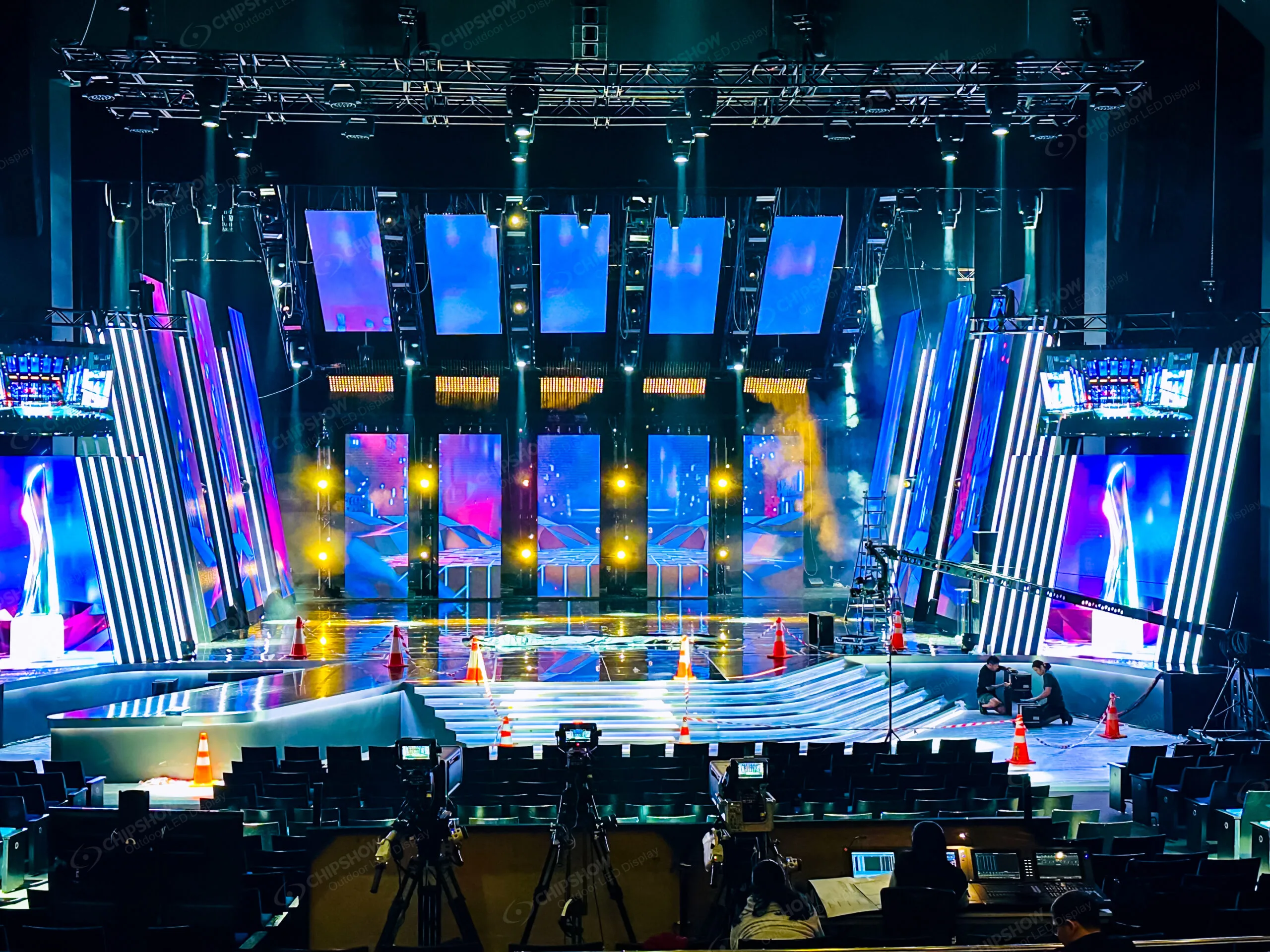
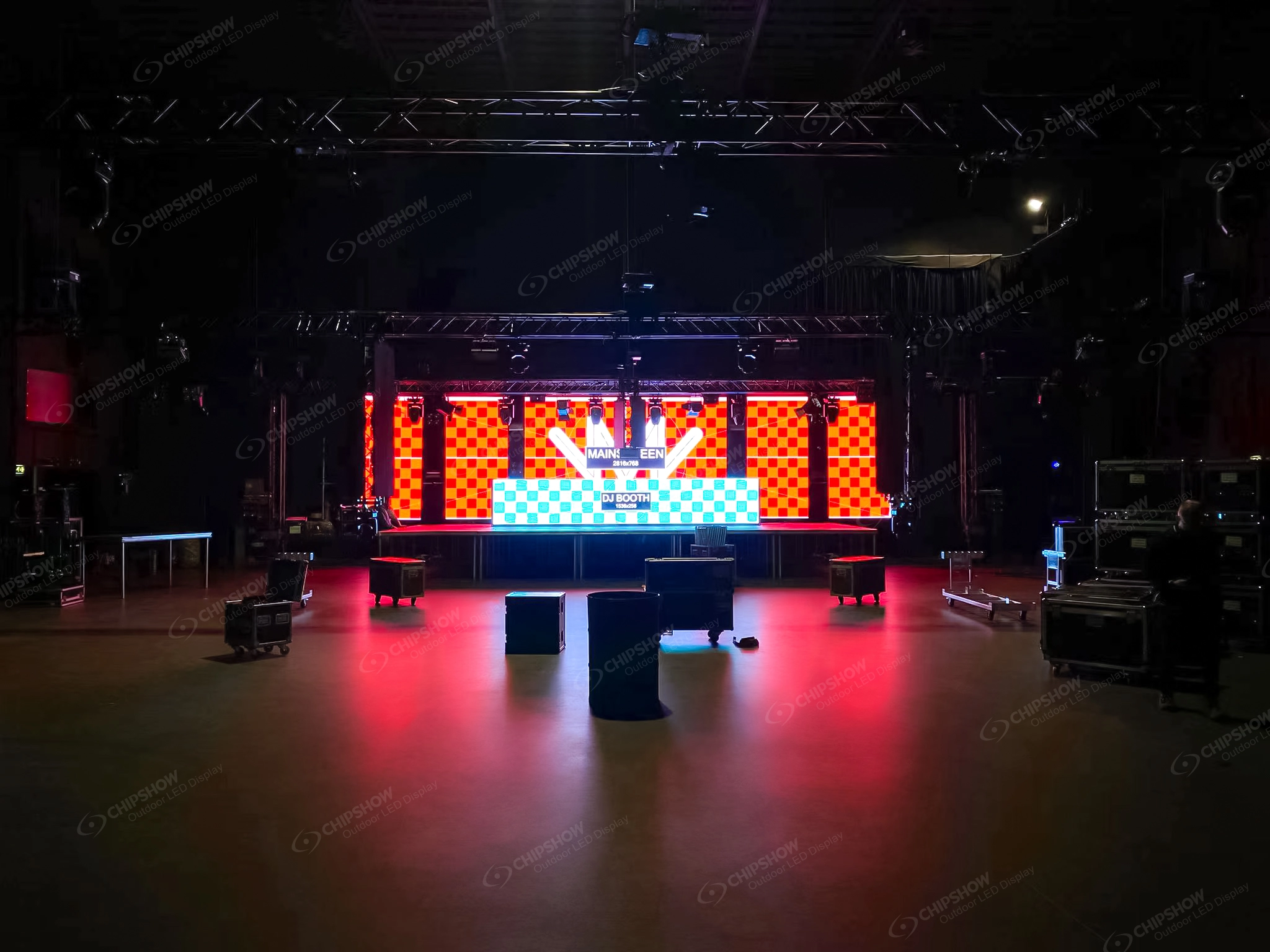
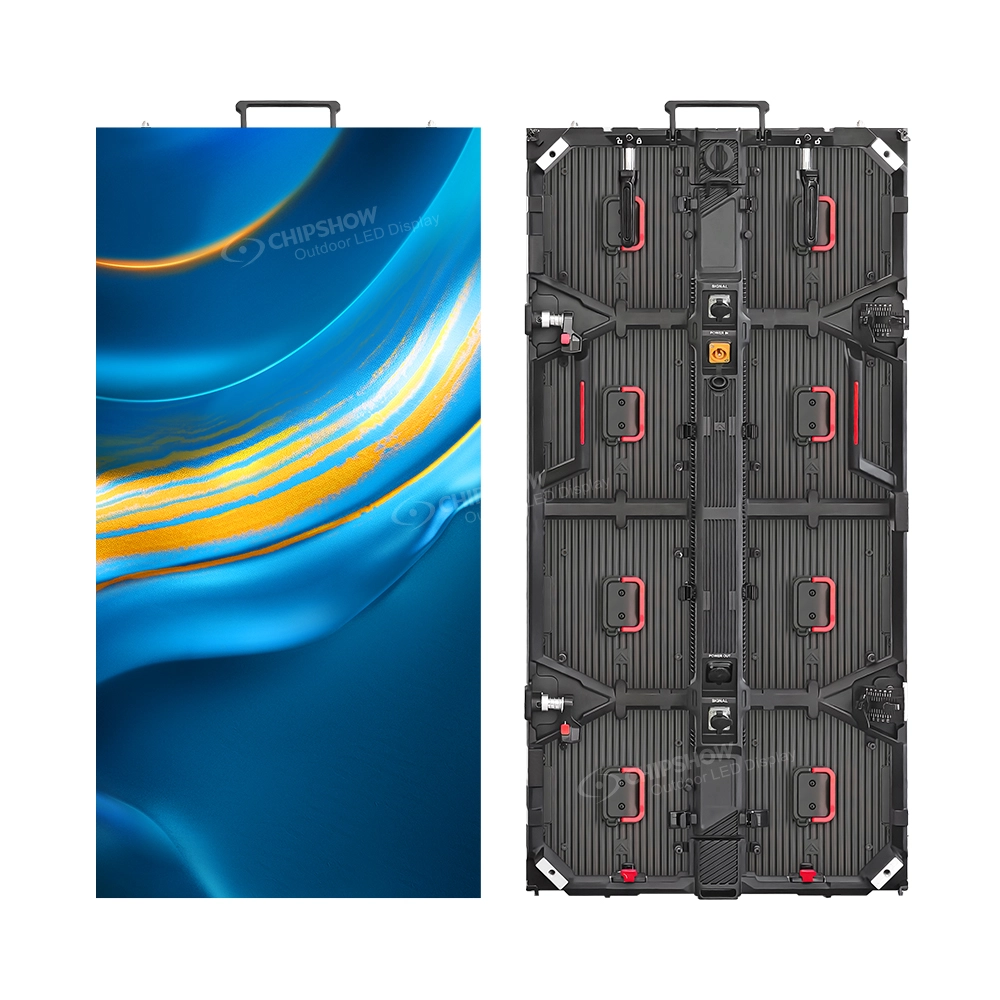
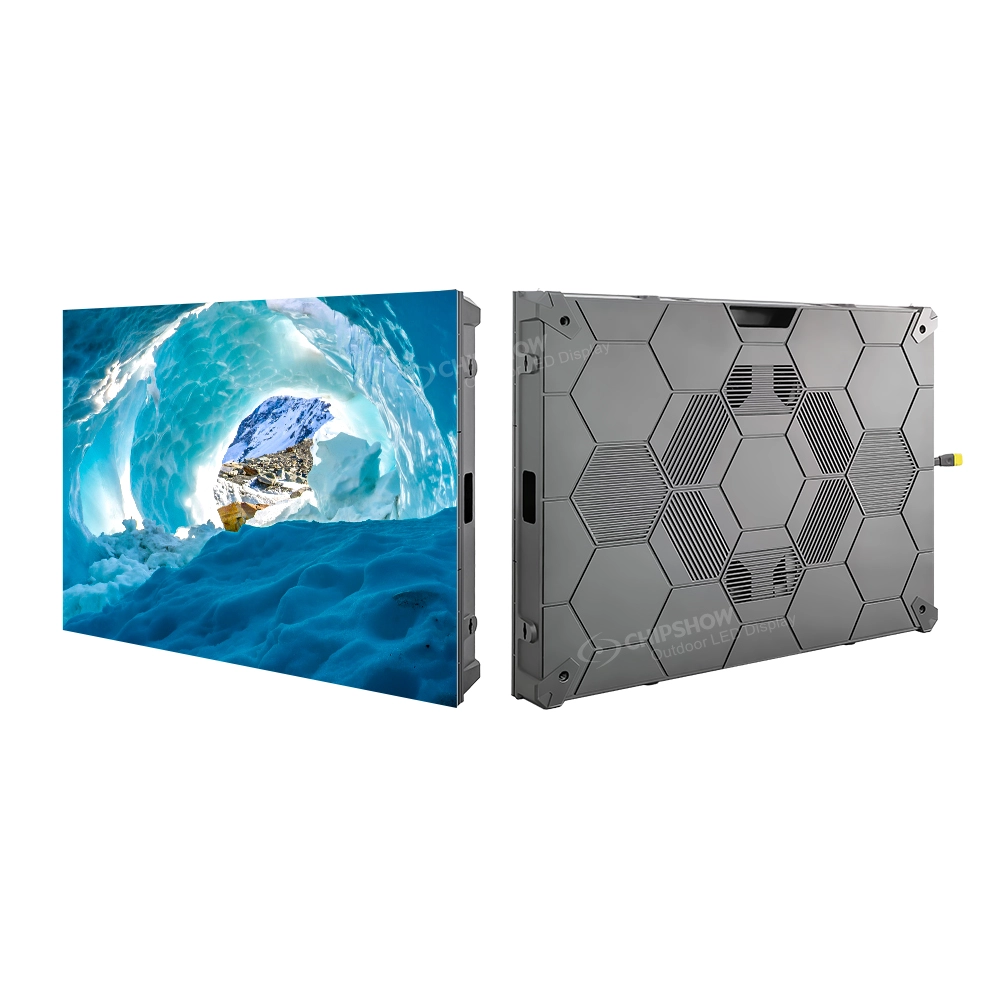
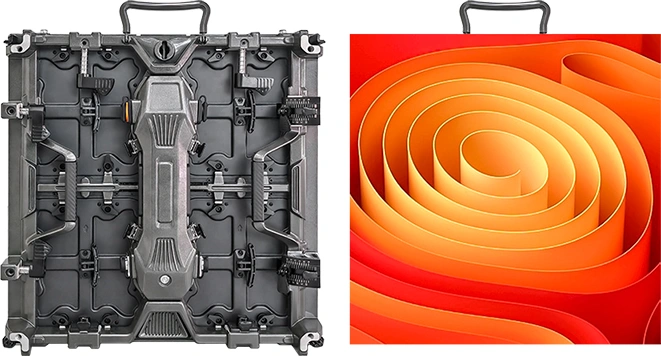
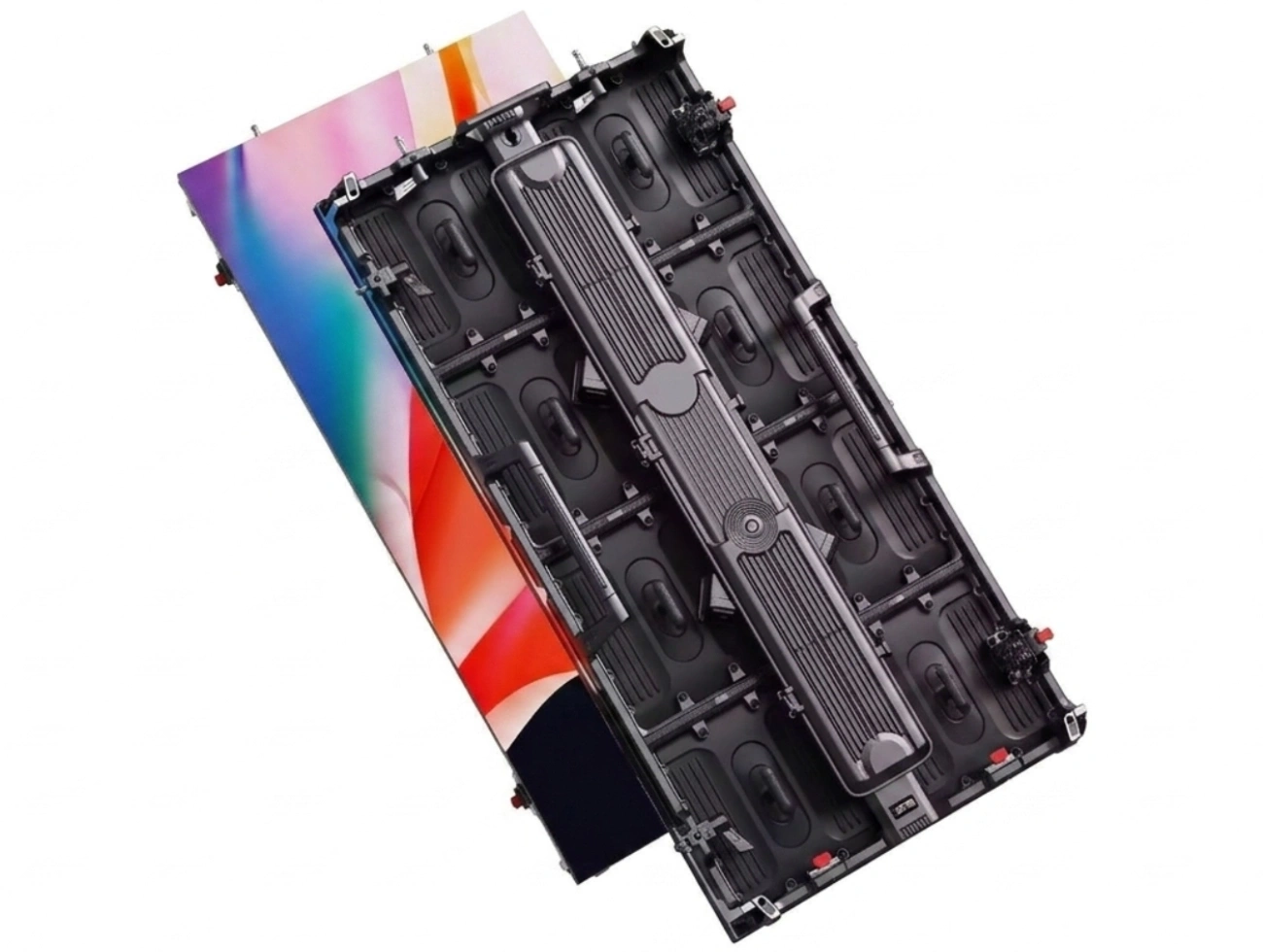
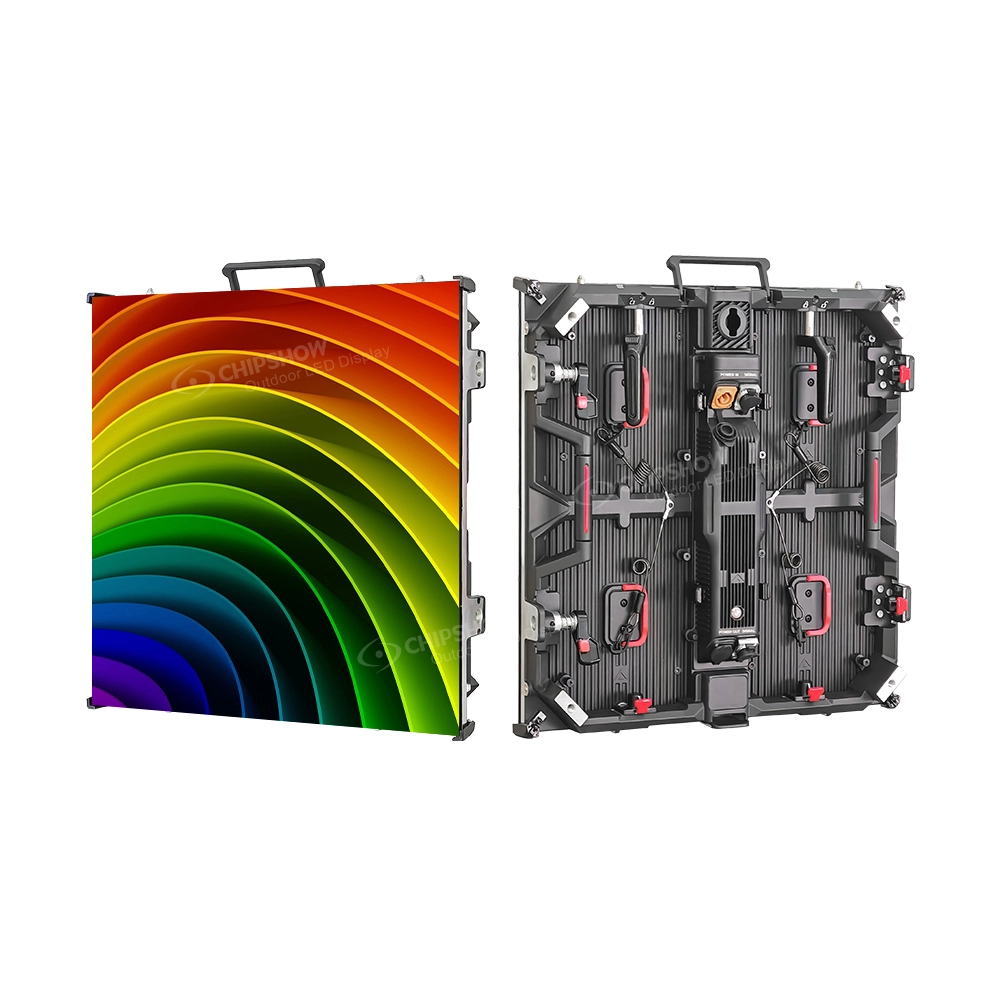
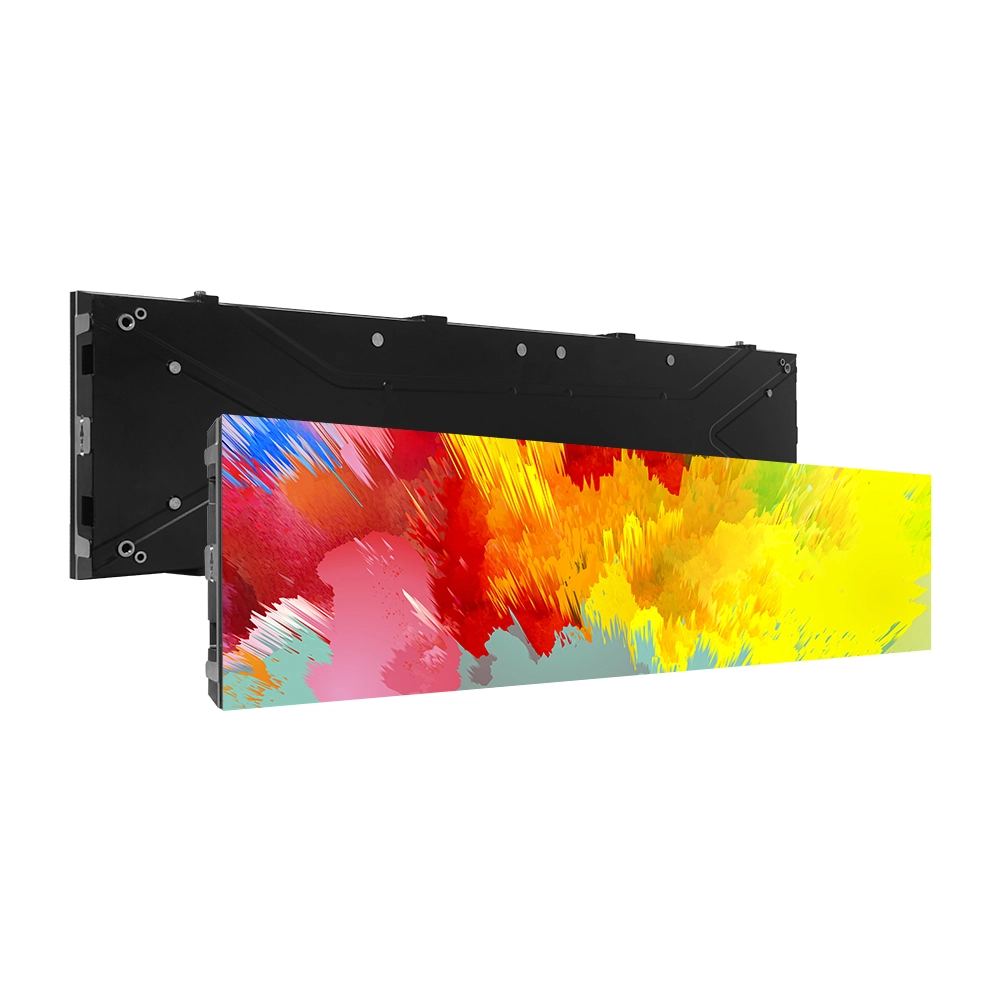
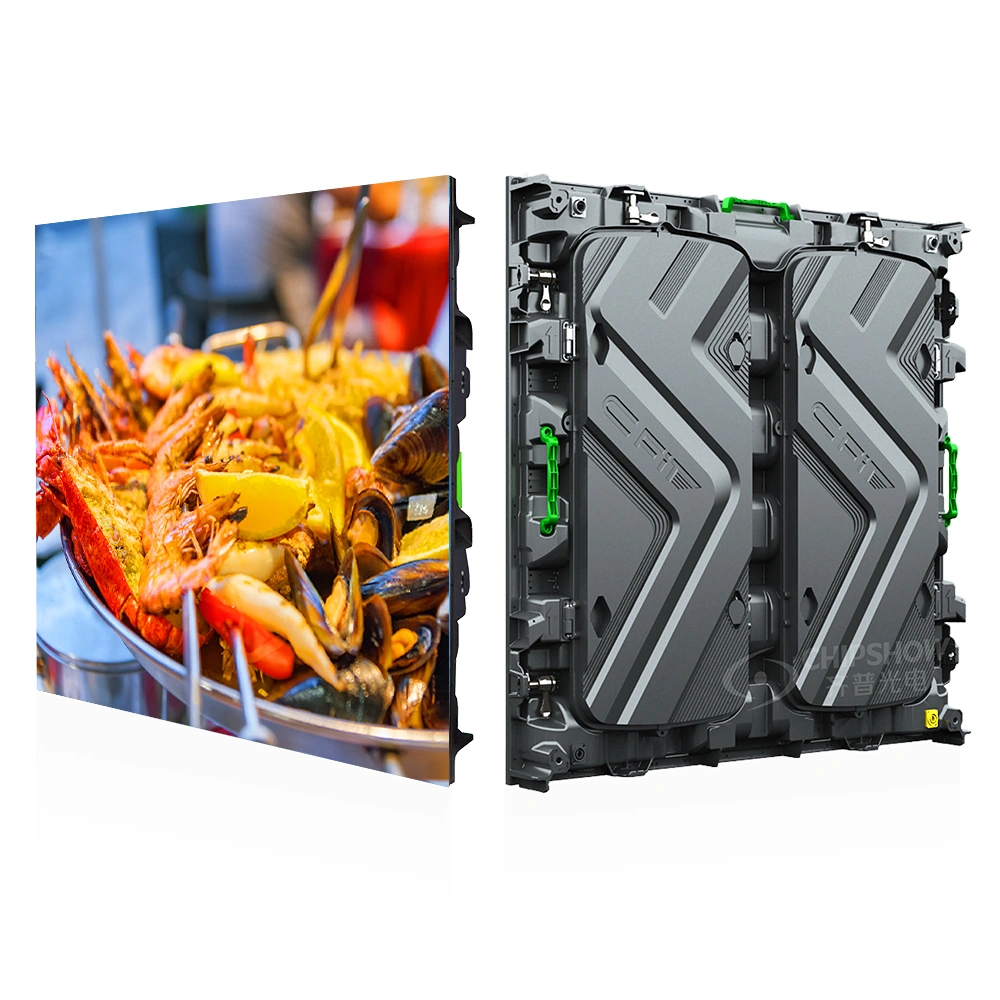
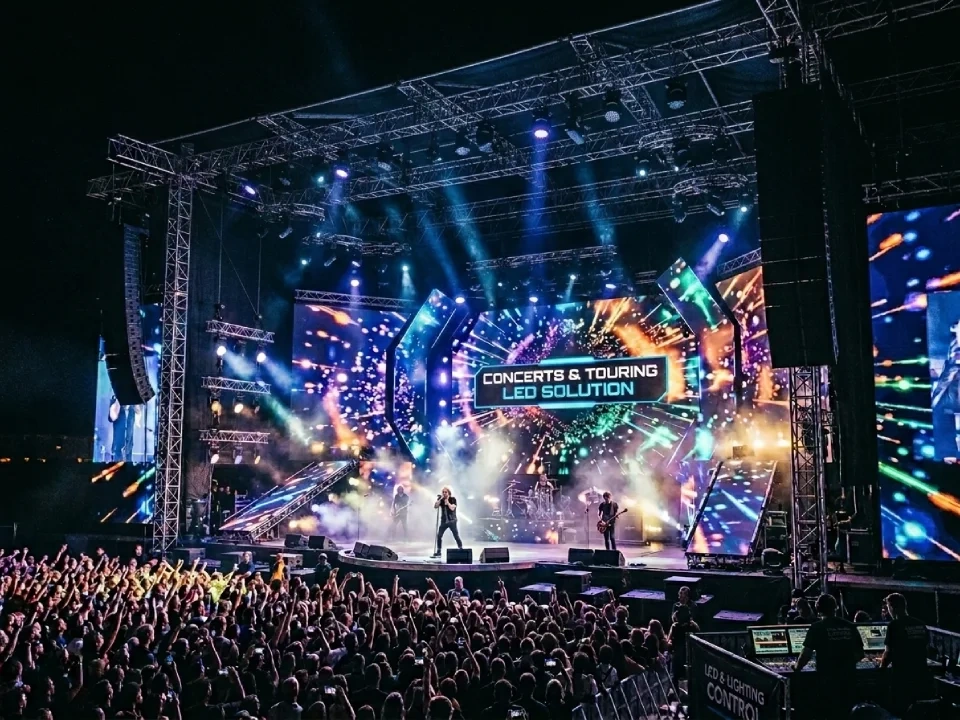
A professional led screen rental is built specifically for repeated mechanical assembly, high-speed striking, and frequent intra-continental transport. The cabinet chassis utilizes high-precision die-cast aluminum or ultra-light carbon fiber, incorporating tool-free quick-lock mechanisms and positioning pins. Panels are shipped in standardized, shock-absorbing flight cases engineered to safeguard delicate module corners during frequent truck load-ins and multi-city event touring.
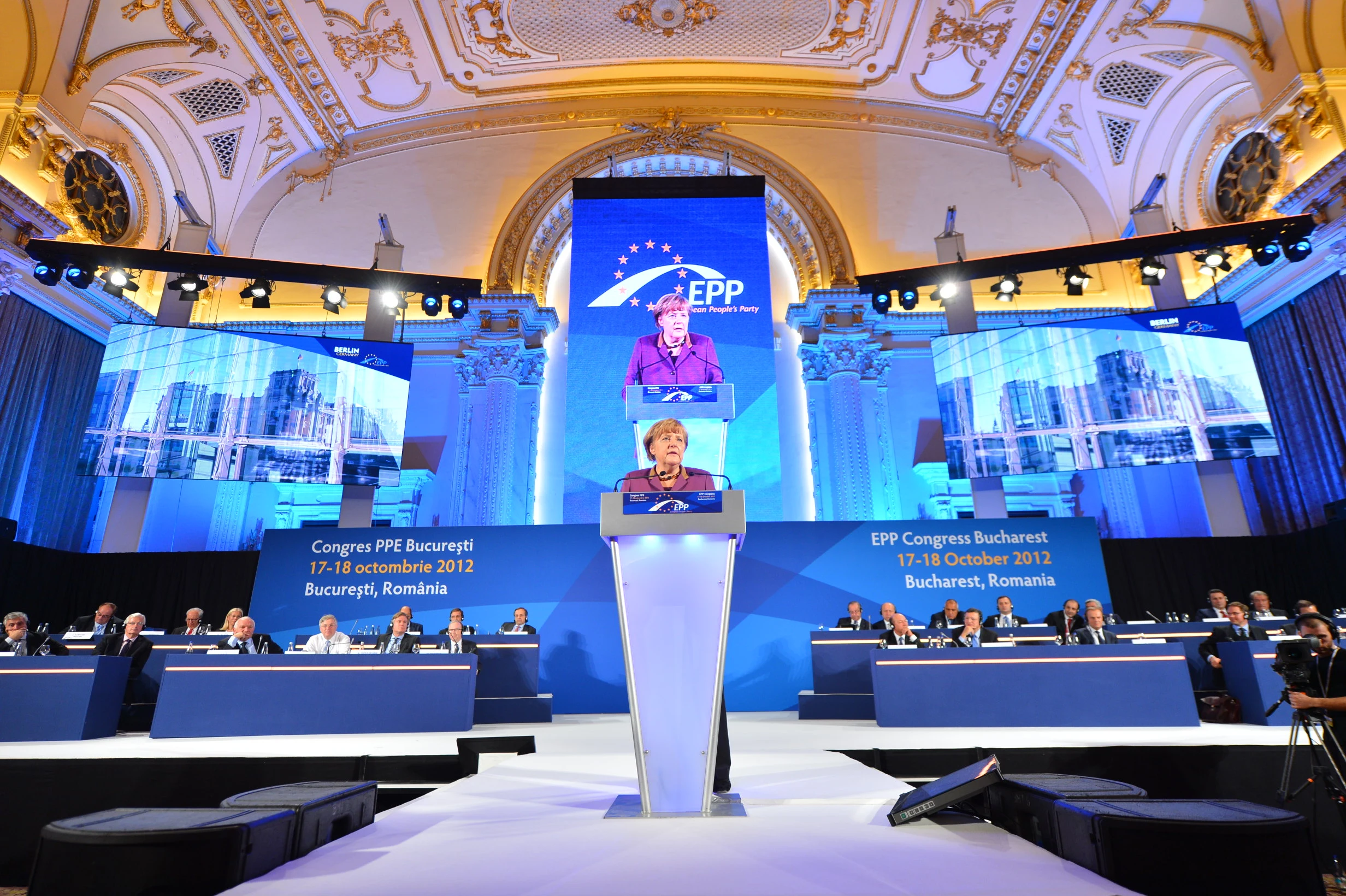
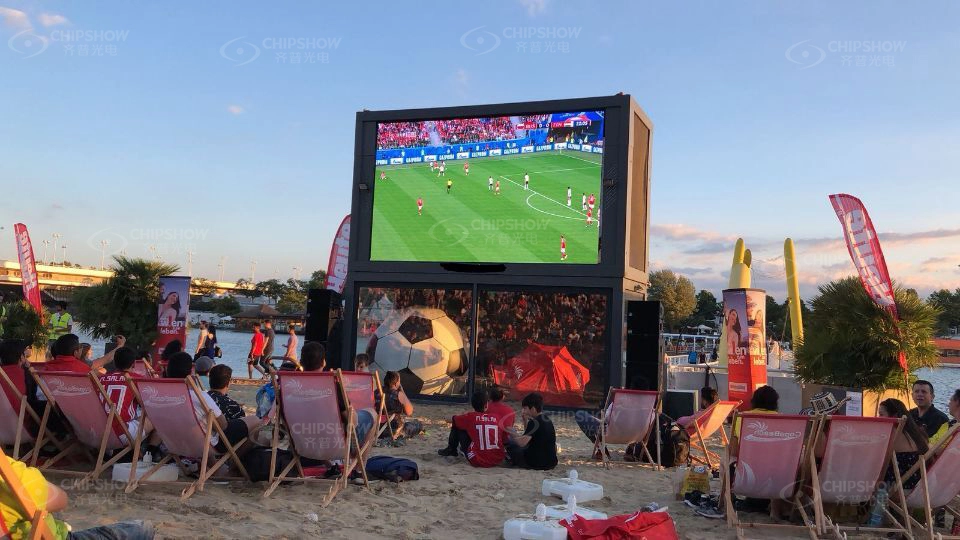
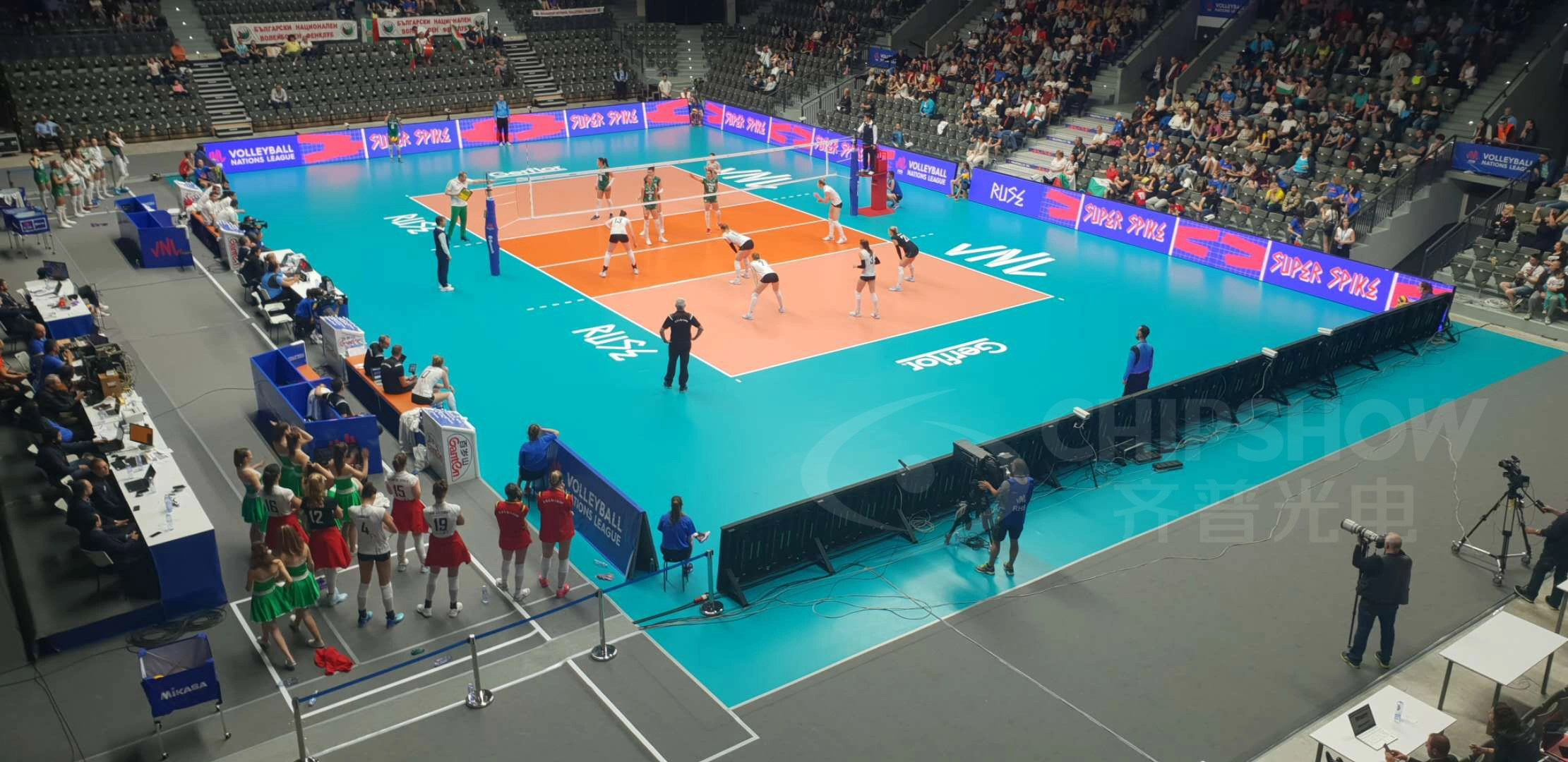
Typical applications include music festivals, touring stage design, international trade exhibitions, and temporary corporate keynotes.
Fixed LED Display: Engineered to Stay
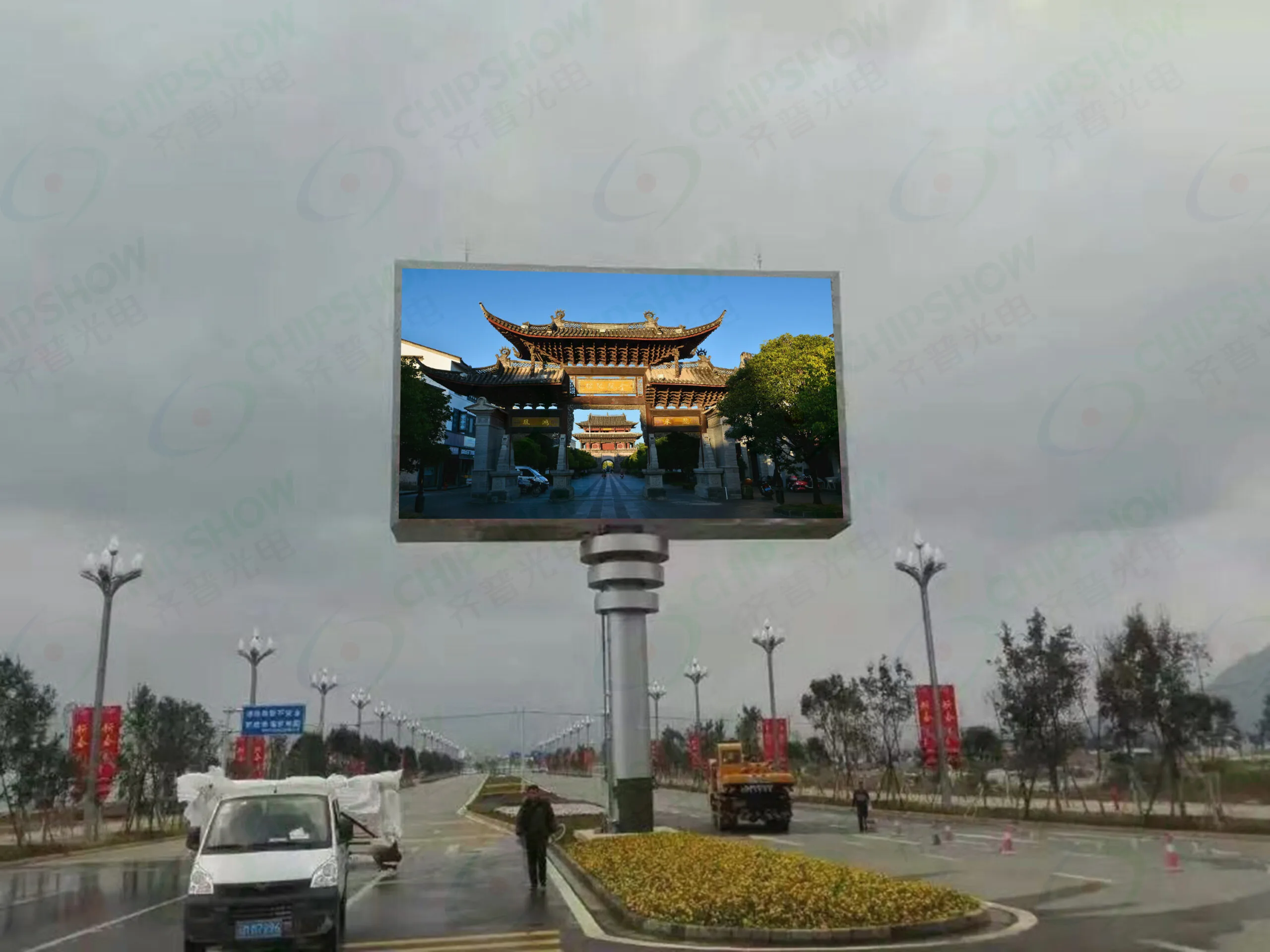
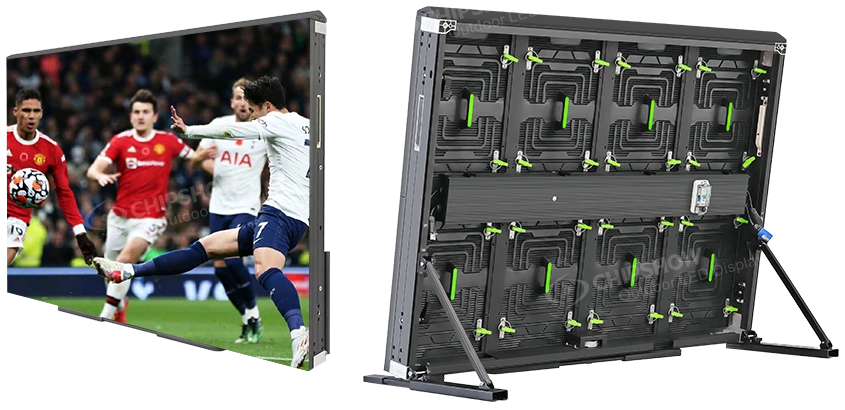
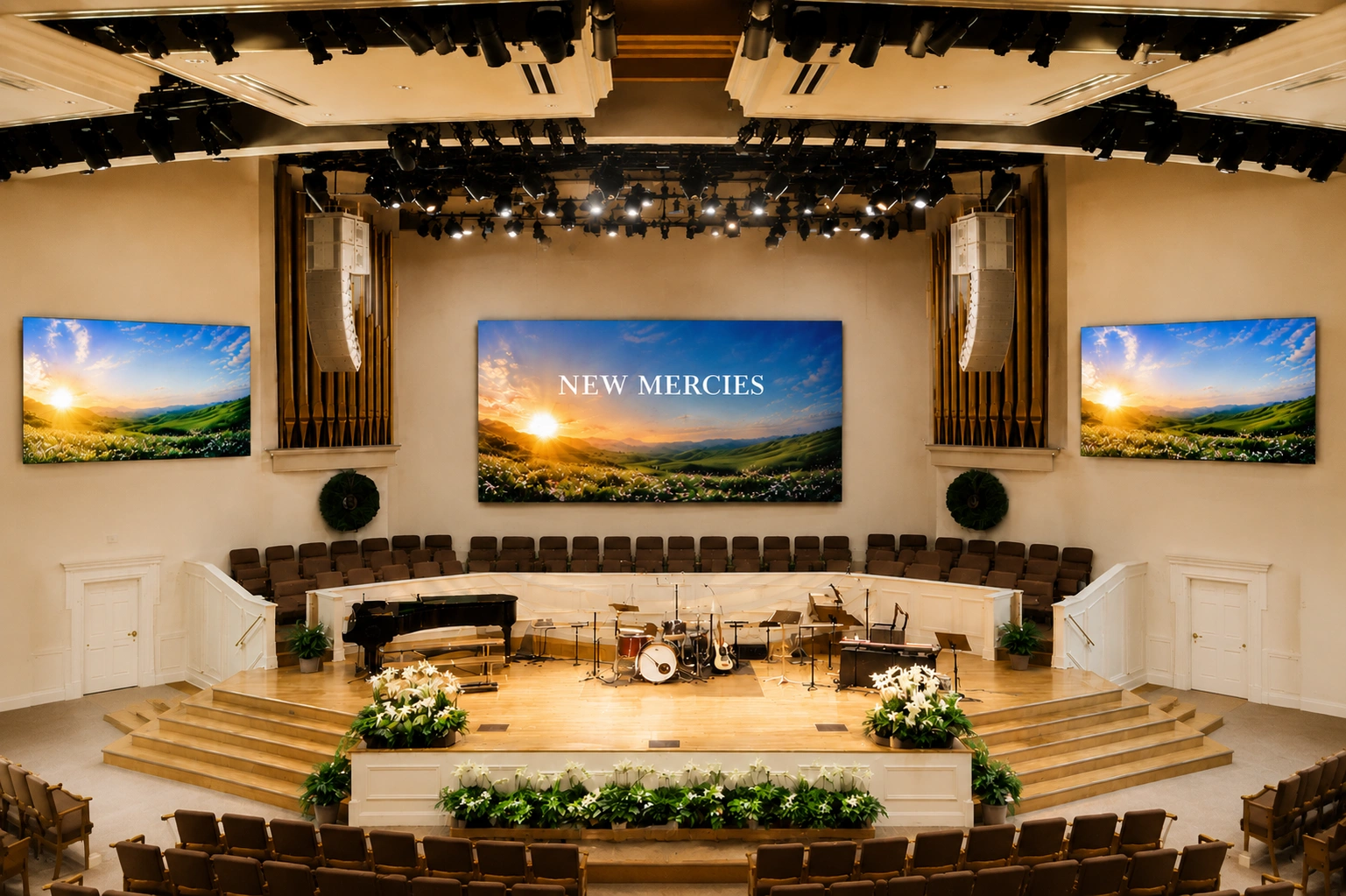
A permanent fixed display is built for continuous runtime stability, frequently running 24 hours a day, 7 days a week. The structural framework is designed for lifelong anchor permanence.
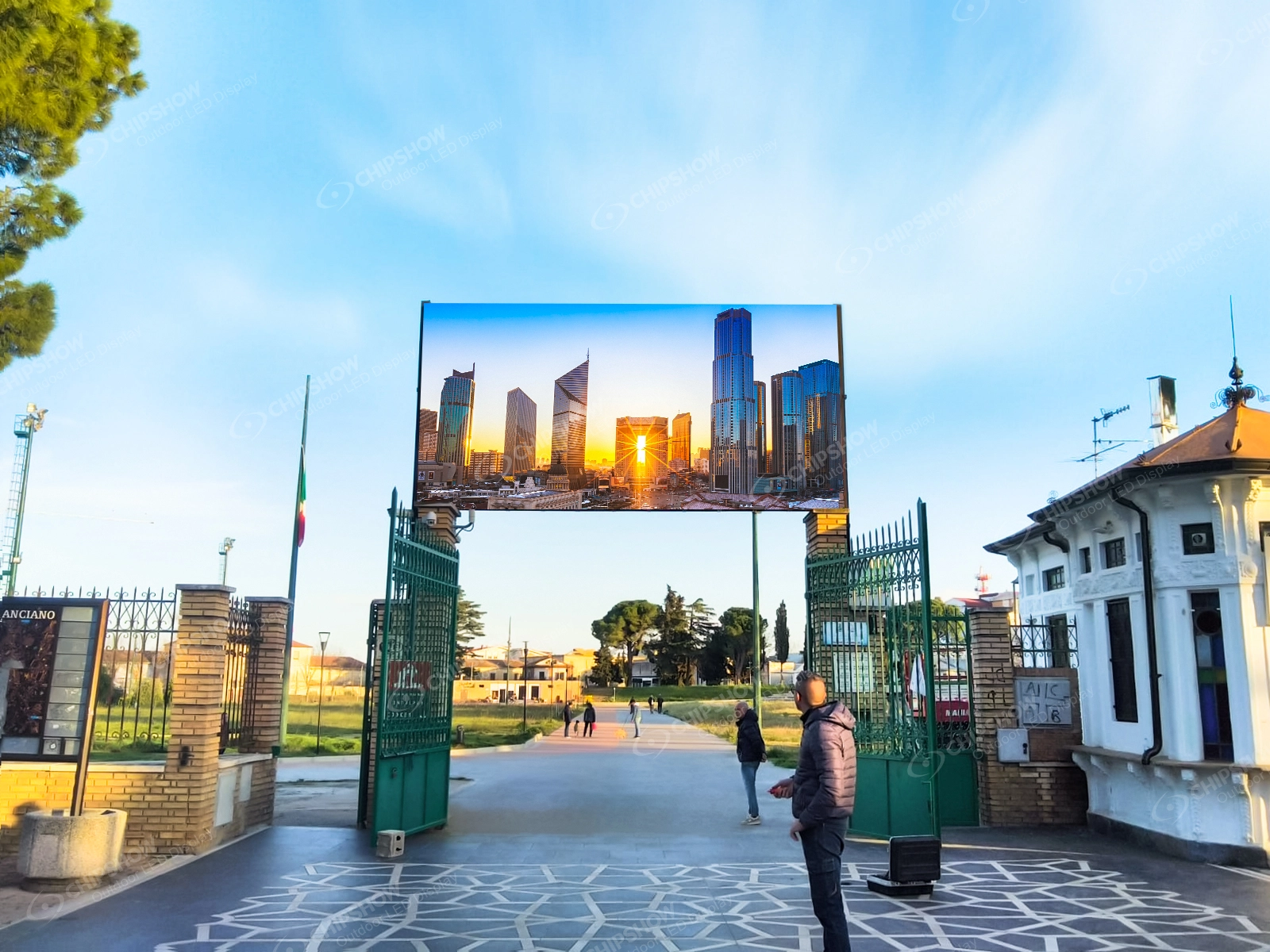
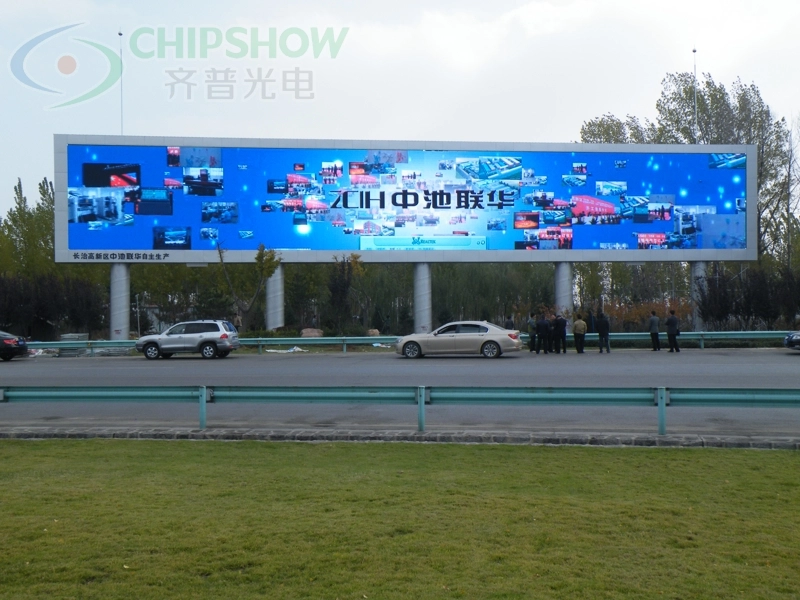
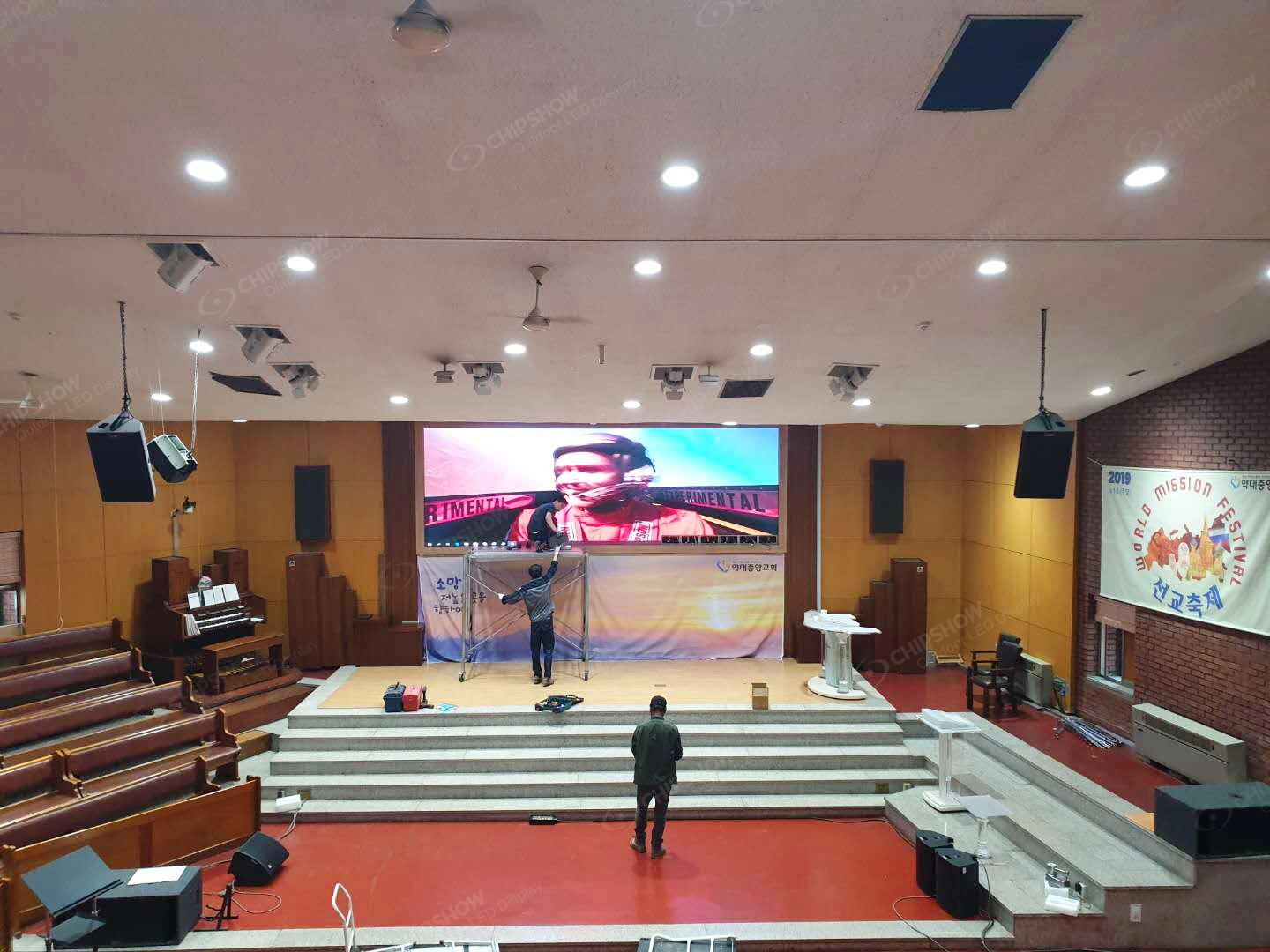
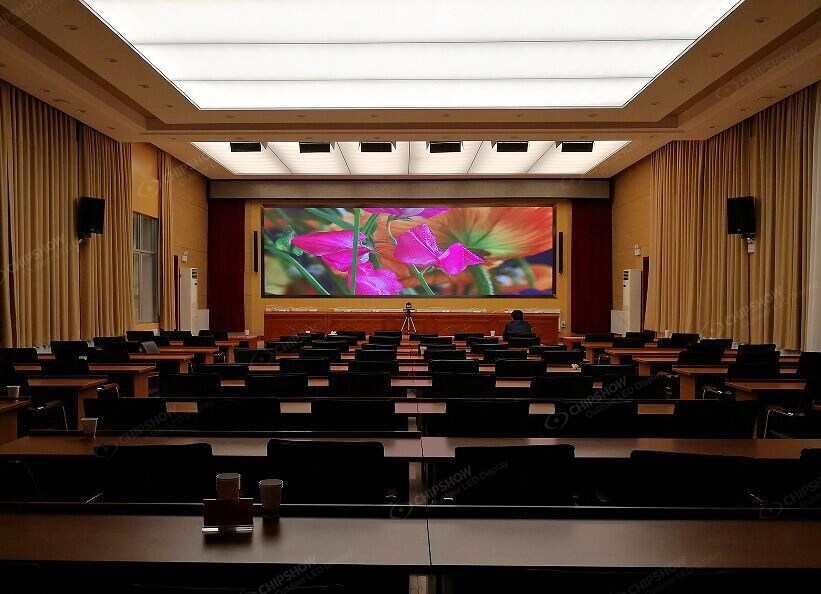
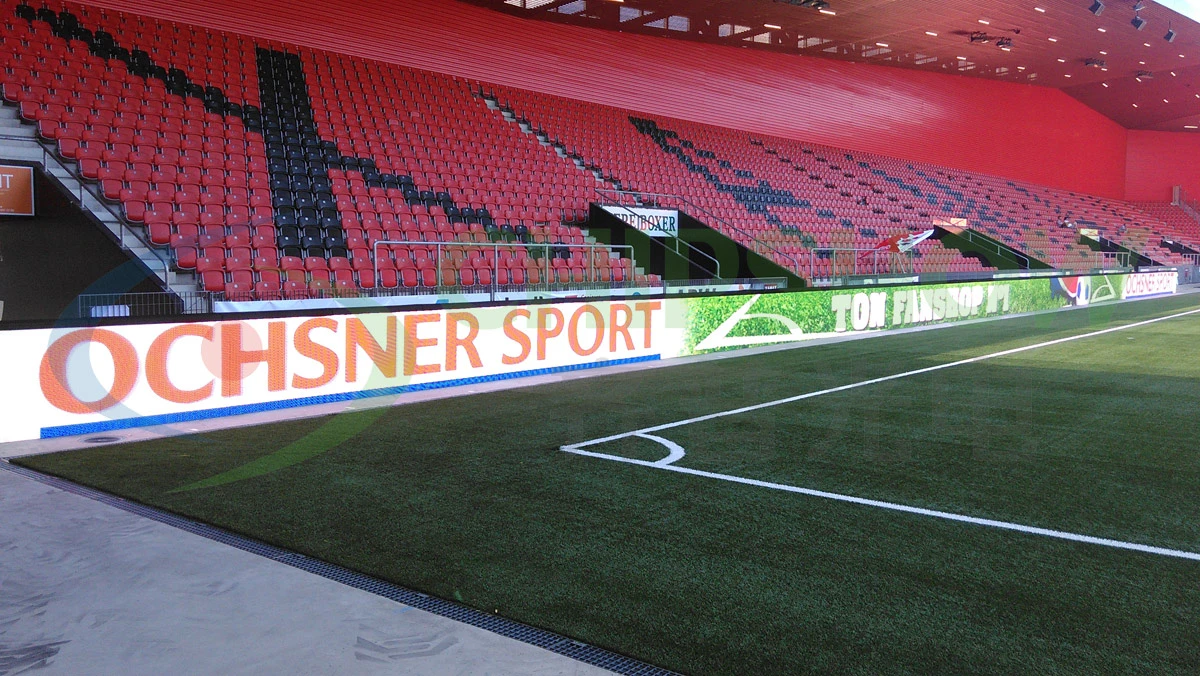
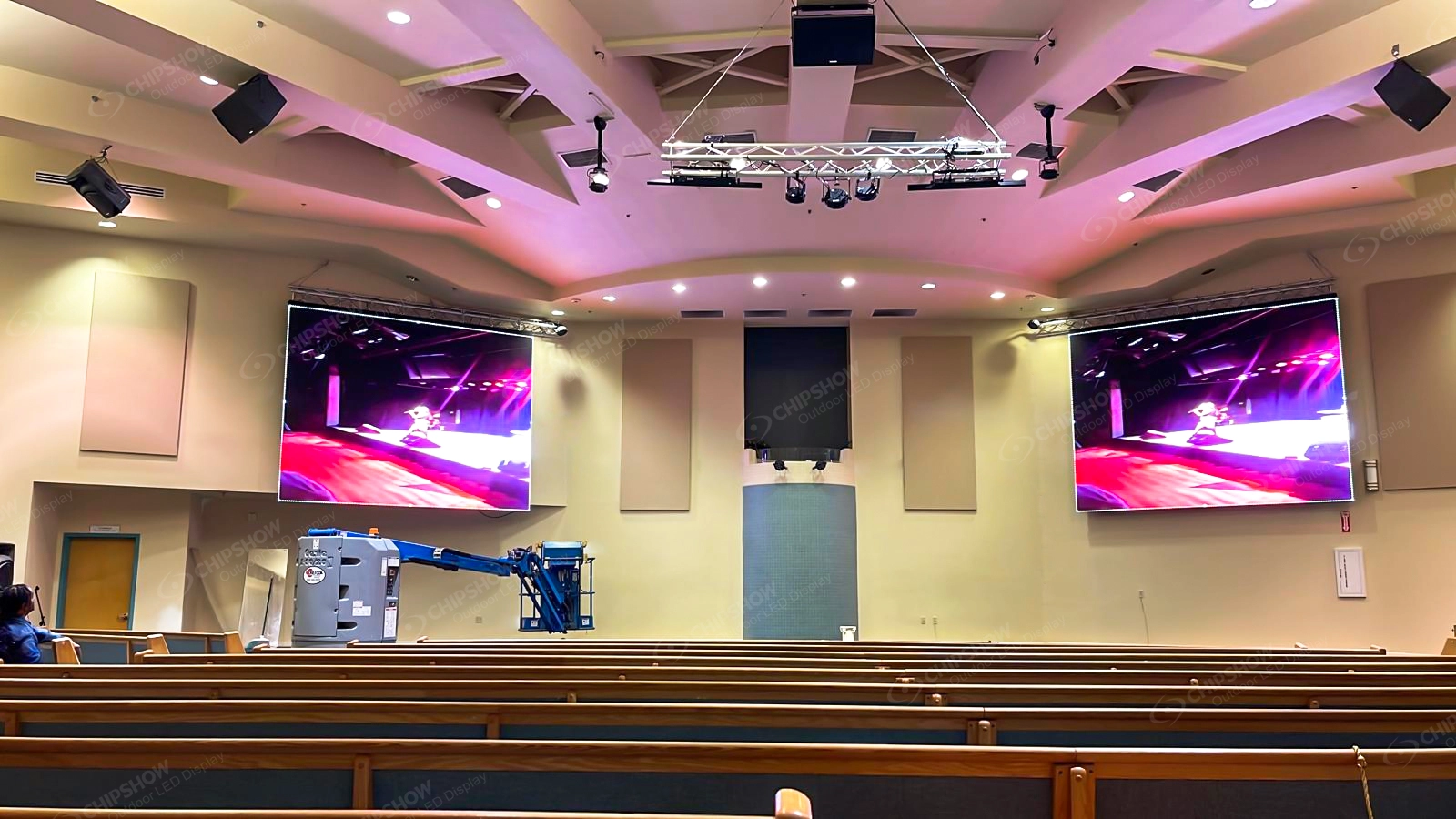
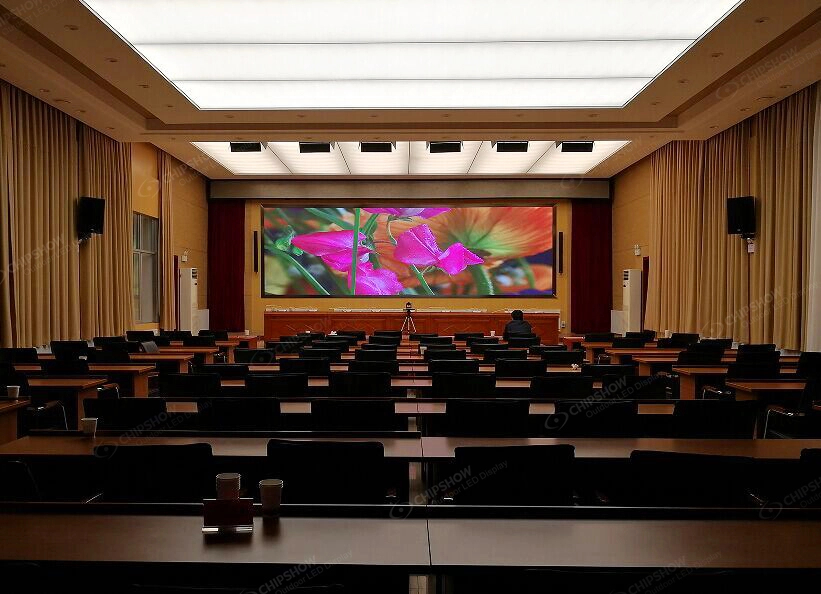
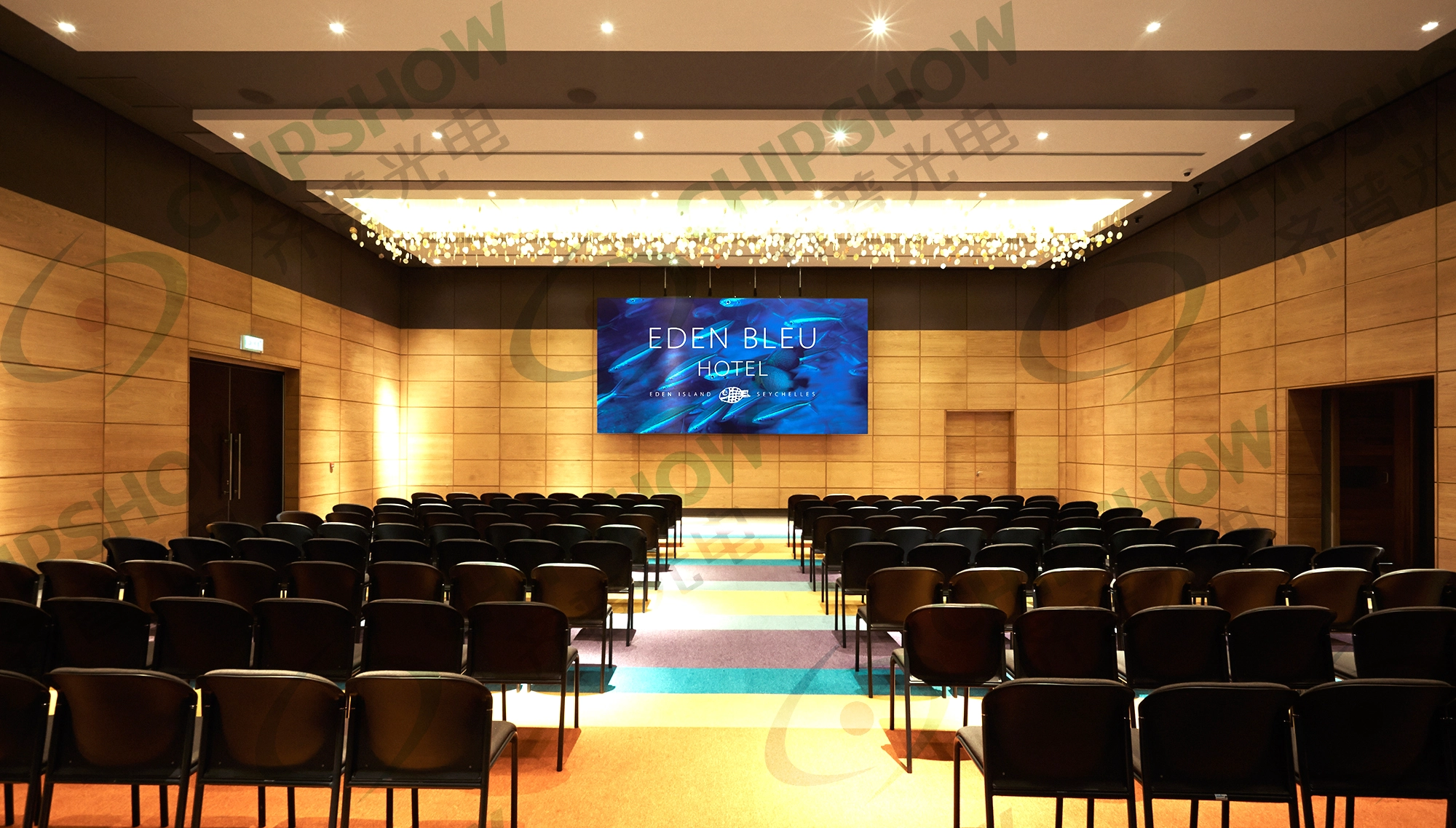
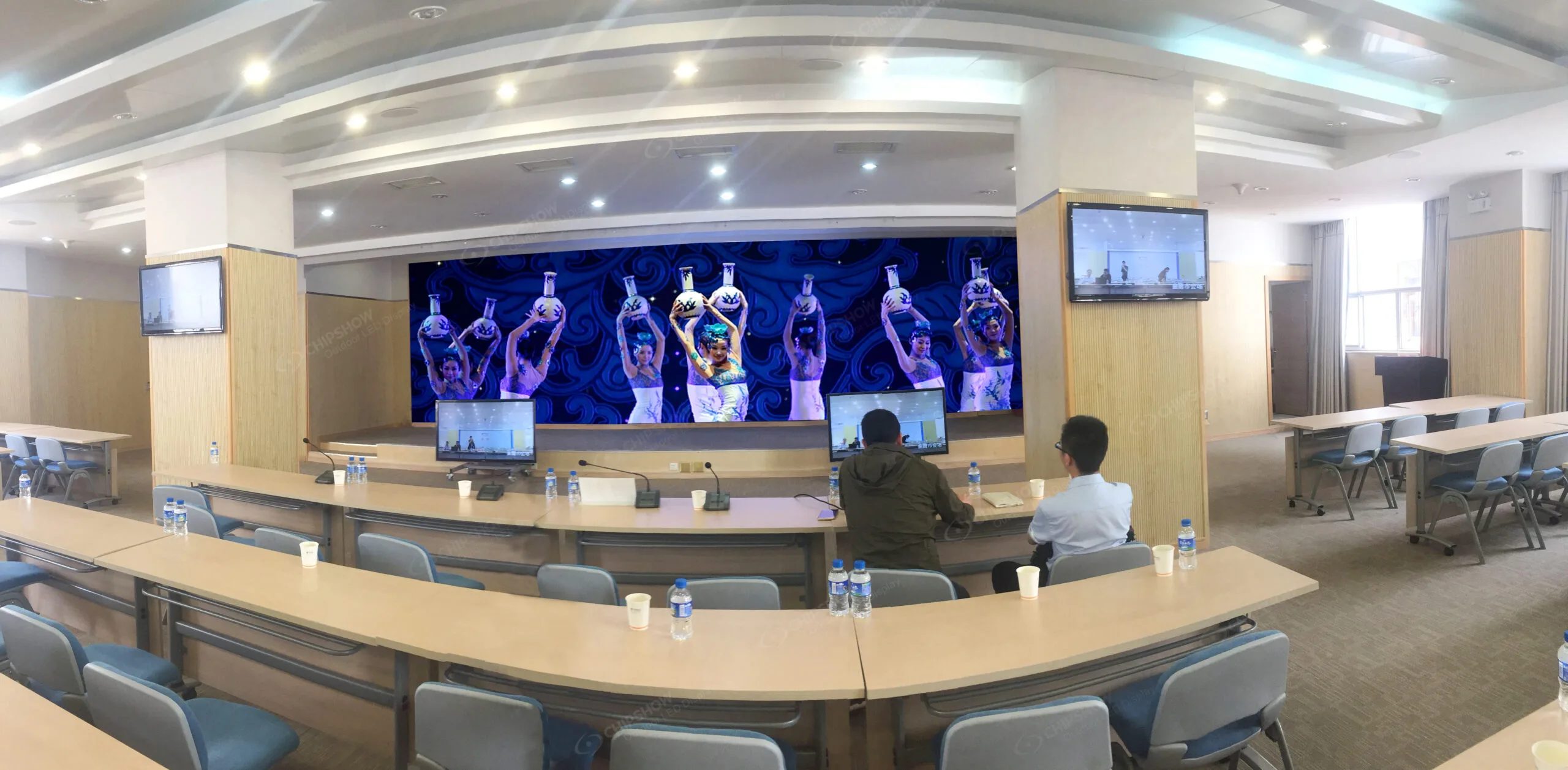
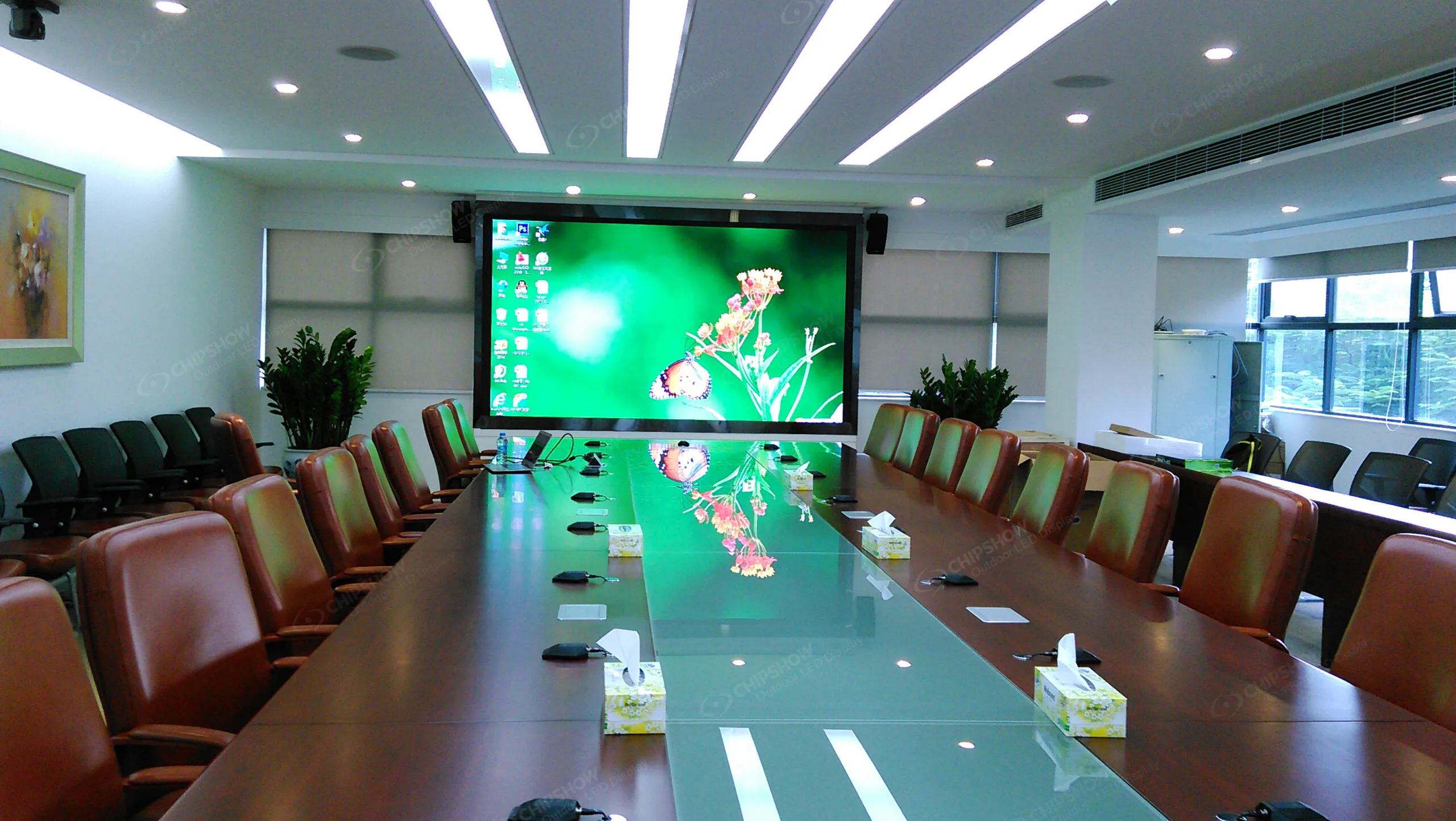
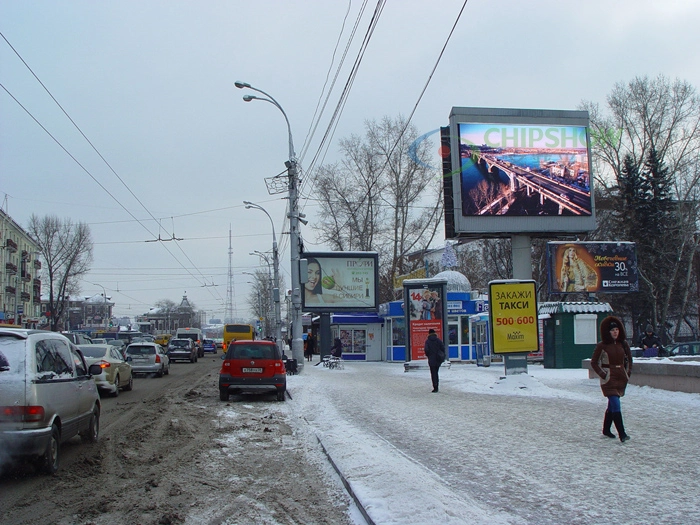
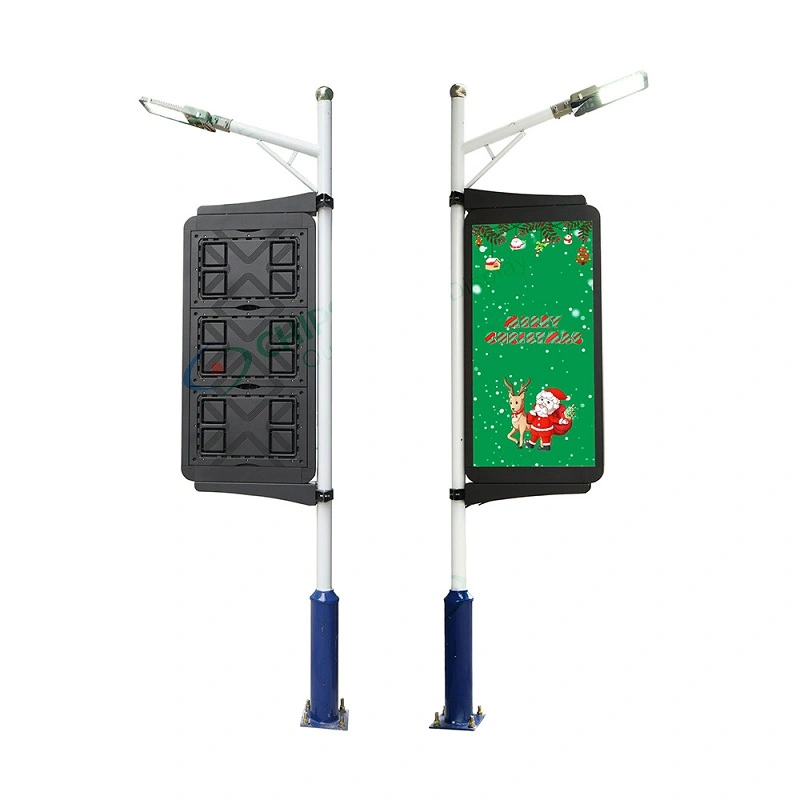
Typical applications include outdoor DOOH billboards, urban retail facades, transit hub wayfinding, and critical indoor environments such as corporate boardrooms, lecture halls, and emergency control rooms.
| OPERATIONAL REALITIES & ASSET LIFECYCLES | |
| led screen rental | Fixed LED Dsiplays |
| Material: Die-cast Al / Carbon | Material: Magnesium / Steel |
| Mechanics: Tool-free Quick-Locks | Mechanics: Bolted Permanent |
| Focus: Rapid Crew Setup Hours | Focus: 24/7 Thermal Stability |
| Maintenance: 15% – 20% of CapEx | Maintenance: 5% – 10% of CapEx |
Why Using the Wrong Category Multiplies Your Hidden OpEx
Rental cabinets are designed for short, episodic event duty cycles with ample downtime between gigs. Deploying them as a permanent fixed installation forces sensitive internal electronics to endure constant thermal loads without passive relief, drastically accelerating component aging and dead-pixel occurrences.
Conversely, attempting to use heavy, legacy fixed iron cabinets as a mobile event screen creates catastrophic logistical costs, drives up expensive manual labor hours, increases transit module damage, and strips away any viable path to a prompt return on investment.
Physical Design Discrepancies and Structural Integrity
Cabinet architecture drives significant real-world variance in on-site handling speed, transport weight, and European work-at-height legal restrictions.
Structural Weight and the Magnesium Revolution
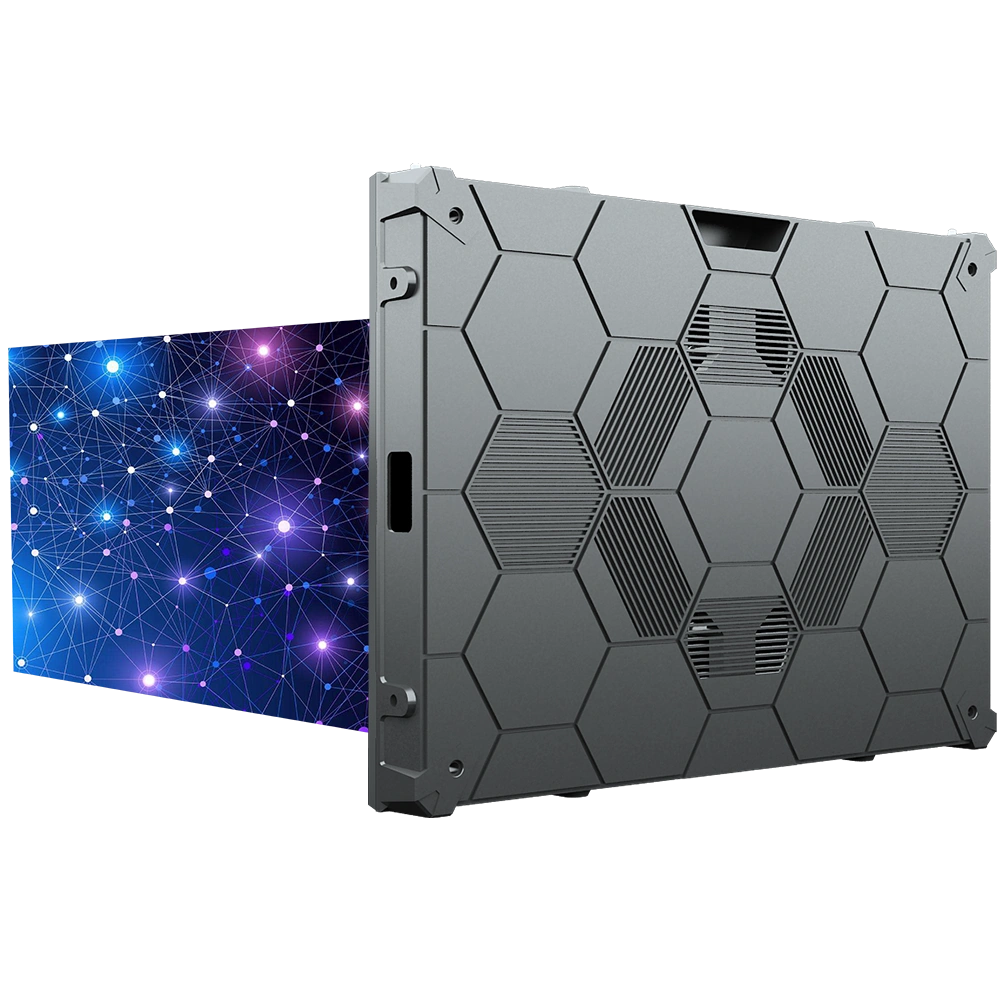
The historical assumption that fixed permanent screens are inherently heavier than specialized rental panels no longer applies. Advanced magnesium alloy fixed cabinet engineering has fundamentally reduced the mass of permanent outdoor and indoor walls.
Modern magnesium fixed chassis achieve a slim profile weighing approximately 7.2 to 7.5 kg per cabinet, directly competing with the physical mass of high-end rental hardware. For European network operators, weight determines whether a single technician can safely service a panel at height or whether local council facade preservation guidelines will deny building planning permission.
Ingress Protection Matching Actual Exposure
Matching the Ingress Protection (IP) rating strictly to the application context controls unnecessary hardware weight and capital expenditure:
- Indoor Event Rentals: Regulated environments require standard IP40/IP30 configurations, prioritizing fanless silence and high-refresh tracking over unnecessary, heavy rubber weatherproofing layers.
- Outdoor Touring & Festivals: Demand a minimum of IP54 front and rear protection to withstand sudden downpours and dust exposure during summer outdoor events.
- Permanent Outdoor DOOH: Operates under full IP65/IP66 classifications, featuring fully enclosed module structures and side waterproof gaskets engineered for year-round exposure to heavy rain, frost cycles, and highway traffic pollution.
Strategic Technical Specifications to Prioritize
Pixel Pitch vs. Metric Viewing Proportions
For system integrators, tracking the exact correlation between pixel density and minimum viewing distance ensures visual comfort and project budget control. A practical European engineering baseline: minimum viewing distance in meters approximately equals 1 times the pixel pitch in millimeters (e.g., a P2.6 screen delivers an excellent viewing profile starting from 2.6 meters away).
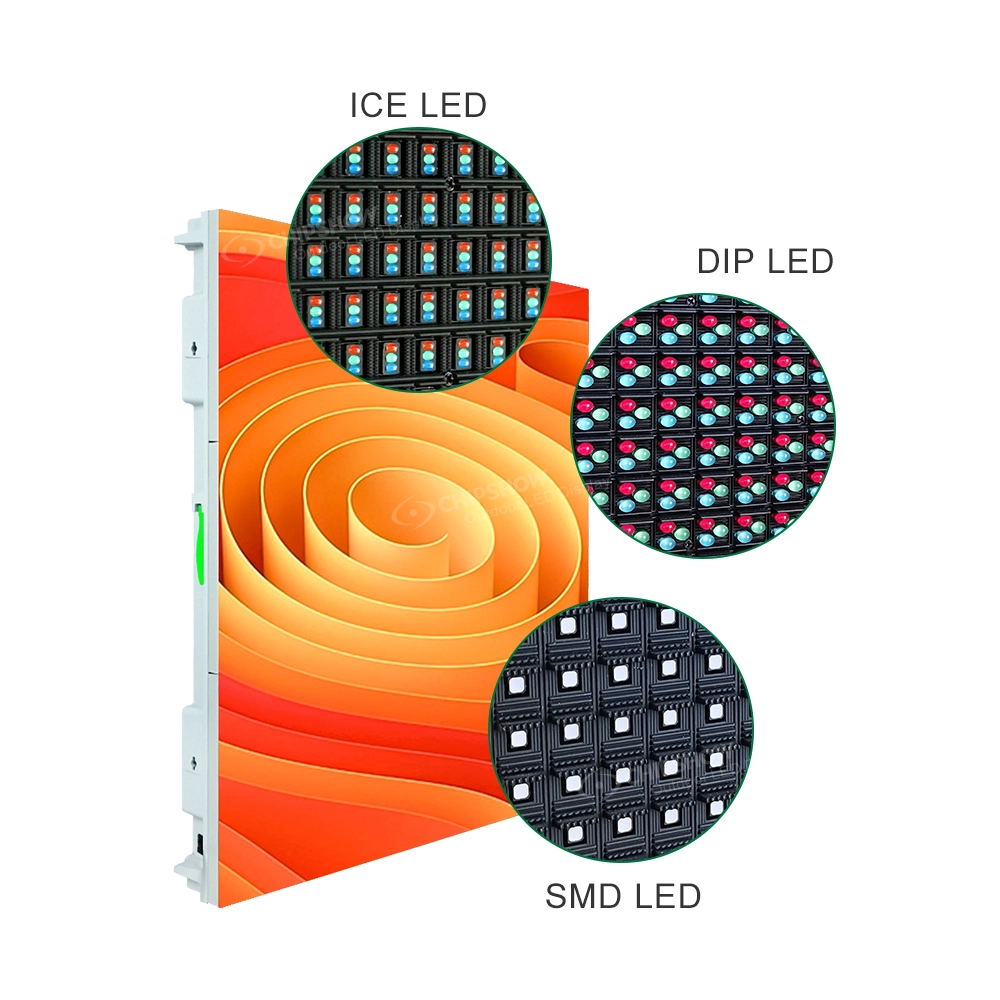
For premium close-view fixed environments under 2 meters (such as control rooms and corporate suites), COB (Chip-on-Board) encapsulation represents the absolute standard. COB technology coats the multi-pixel array in a hardened resin shield, creating an impact-resistant, moisture-proof, and anti-static surface that maintains high grayscale depth and contrast even when dimmed to low comfort thresholds. For viewing distances of 2 meters and beyond, high-efficiency SMD (Surface Mounted Diode) platforms deliver optimal commercial visual impact.
| PIXEL PITCH AND APPLICATION MATRIX | |
| Rental & Staging Focus | Fixed Installation Focus |
| Indoor Stages: P1.9 – P3.9 | Close Control Rooms: P0.78 -P1.2 |
| Outdoor Festivals: P2.9 – P4.8 | Boardrooms/Halls: P1.2 – P1.8 |
| Key spec: >=3,840Hz Refresh | Commercial Lobbies: P2.0+ |
Refresh Rate Demands for Clean Broadcast Capture
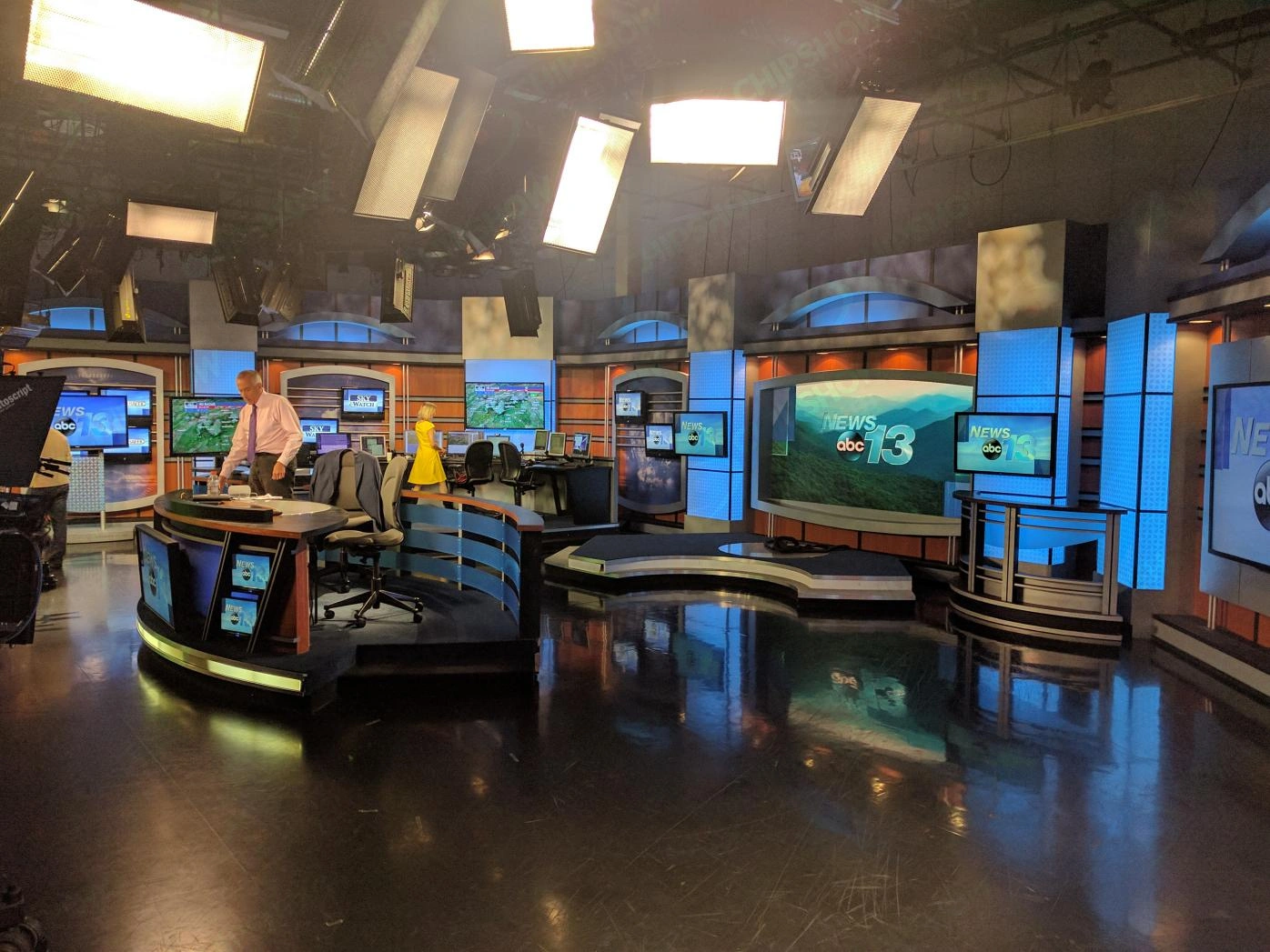
A refresh rate of ≥3,840 Hz serves as the standard baseline for commercial event staging and live broadcasts, ensuring that customer smartphones and on-site media lenses capture content without moiré interference or vertical scanning lines. For advanced hybrid studios, virtual production, and premium virtual reality (XR) stages, next-generation driving architectures scaling to 7,680 Hz are highly recommended to align seamlessly with high-shutter broadcast gear. Permanent DOOH billboards running pre-scheduled advertising loops operate under less restrictive camera capture rules, allowing more flexible refresh architectures.
High Grayscale at Low Brightness
While outdoor billboards require sustained peak brightness (4,000 to 10,000 nits) to cut through harsh direct sunlight, indoor environments typically operate at controlled comfort windows between 600 to 800 nits. Pushing beyond this range in a corporate boardroom or university lecture hall produces visual fatigue rather than premium contrast.
The true metric of processing engineering is maintaining deep, non-grainy grayscale tracking (such as 16-bit processing) when the display is dimmed to indoor baselines, ensuring high shadow details and accurate corporate brand color reproduction across all viewing rows.
Total Cost of Ownership (TCO) and Break-Even Realities
Initial hardware pricing represents the opening chapter of a financial lifecycle model, not the final calculation.
CapEx and OpEx Cost Outlays
Fixed LED Infrastructure: Demands intense upfront Capital Expenditure (CapEx) including structural frame fabrication, foundation civil engineering, electrical distribution networks, and municipal engineering permit validation. However, its ongoing Operational Expenditure (OpEx) remains relatively low, limited to scheduled routine checkups and monthly power consumption.
Rental Fleets: Purchased as active inventory, rental panels require a separate financial strategy. The recurring maintenance cost of a rental fleet—including rapid component tracking, flight case mechanical maintenance, structural lock adjustments, and signal connector replacement—typically runs 15% to 20% of the hardware value annually, reflecting the mechanical wear of rapid load-in and load-out schedules.
The Financial Payback Equation
For event production agencies, calculating the exact equipment payback metrics requires dividing the total system purchase cost by the net rental revenue generated per event day. Businesses logging more than 40 event setups per year typically reach full capital hardware payback within 18 to 24 months of deployment, assuming consistent asset utilization.
If your projected annual event frequency falls below this 40-event threshold, renting cross-verified hardware from third-party partners eliminates capital depreciation risks and ongoing warehouse storage, team tracking, and transit maintenance overhead.
Aligning Your Brief with Chipshow’s European Logistics Fleet
To ensure rapid delivery times, mitigate import tariff complexities, and control long-term operating costs, your system specification decisions should leverage Chipshow’s optimized product configurations, stocked directly at our local European fulfillment infrastructure in the Netherlands:
Elite Rental & Staging Solutions (Netherlands Warehouse Inventory)
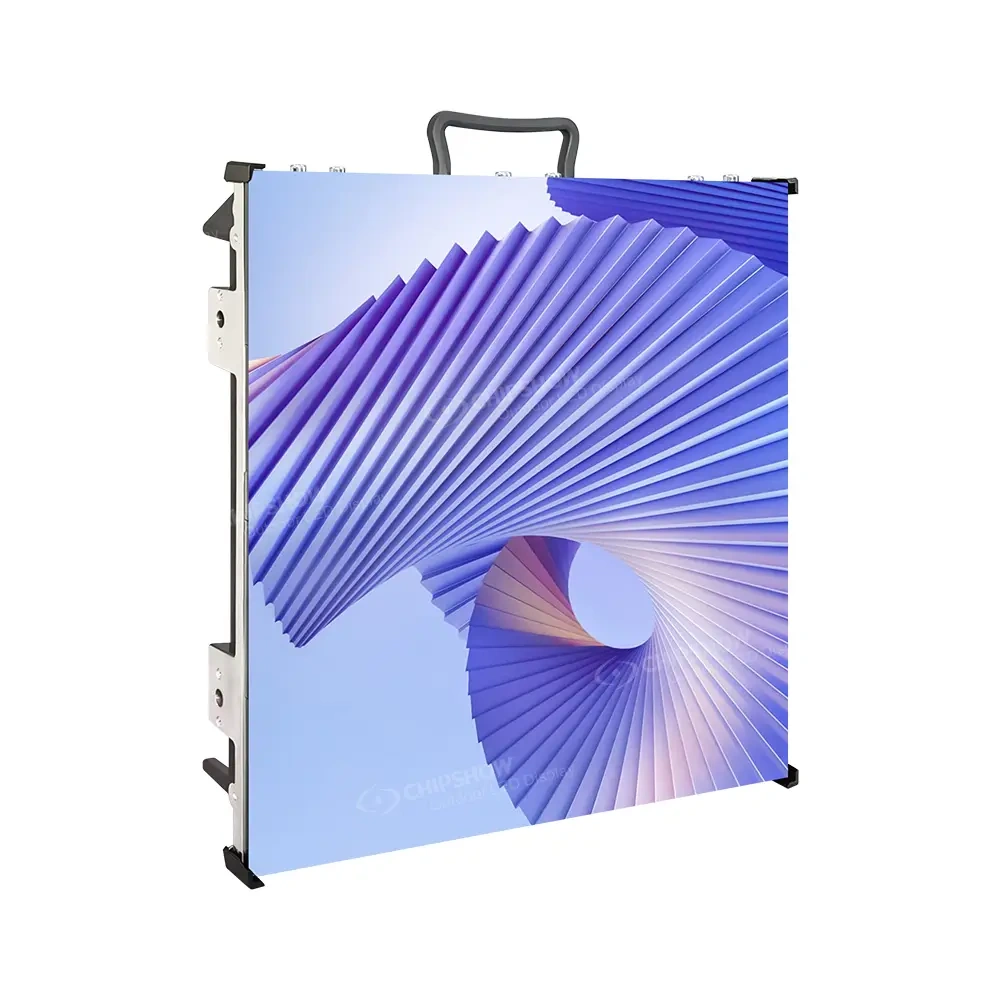
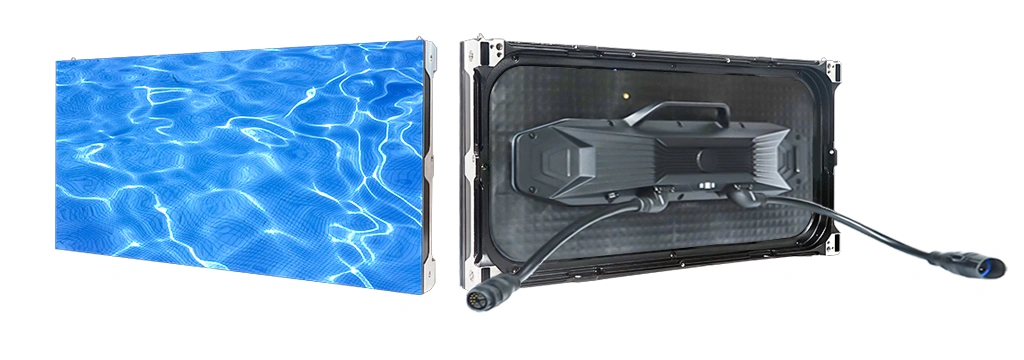
C-Shine-Plus Series : Our premier everyday workhorse for rental agencies. Available in Indoor P2.6 and Outdoor P2.97 / P3.91 configurations, this high-precision platform weighs less than 7 kg per 500x500mm panel. It features tool-free fast locks and a quick-release modular power box, allowing technicians to swap a control box in seconds between multi-gasp touring schedules.
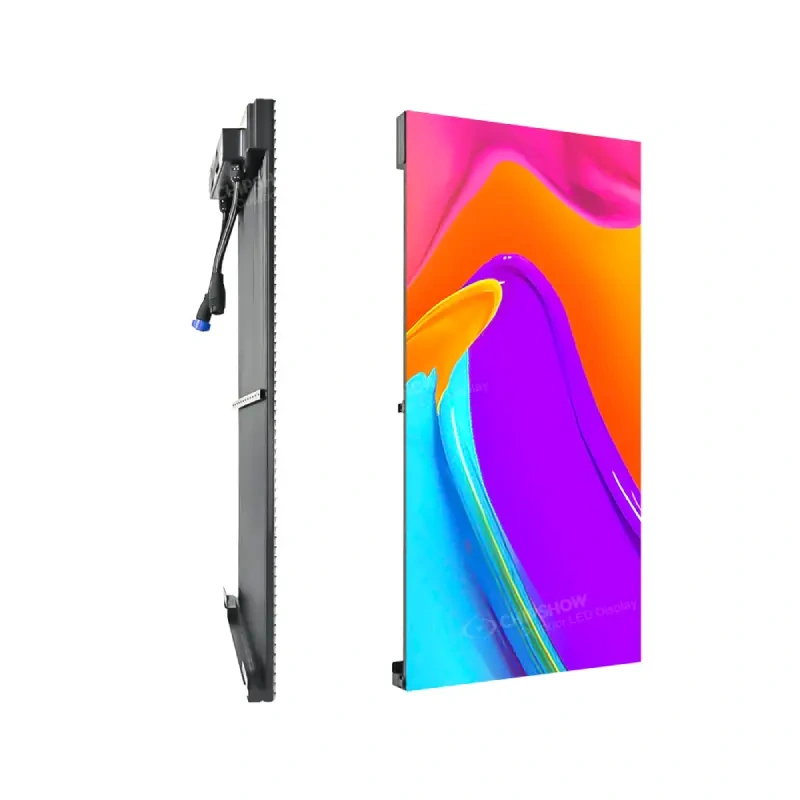
C-Rock Series (P2.97 Outdoor): Engineered specifically for outdoor stage rentals requiring premium broadcast-grade visuals. It offers up to 7,680 Hz high-refresh processing and deep contrast ratios, ensuring flawless, flicker-free on-camera playback under intense event lighting arrays.
Premium Fixed Installation Solutions (Netherlands Warehouse Inventory)
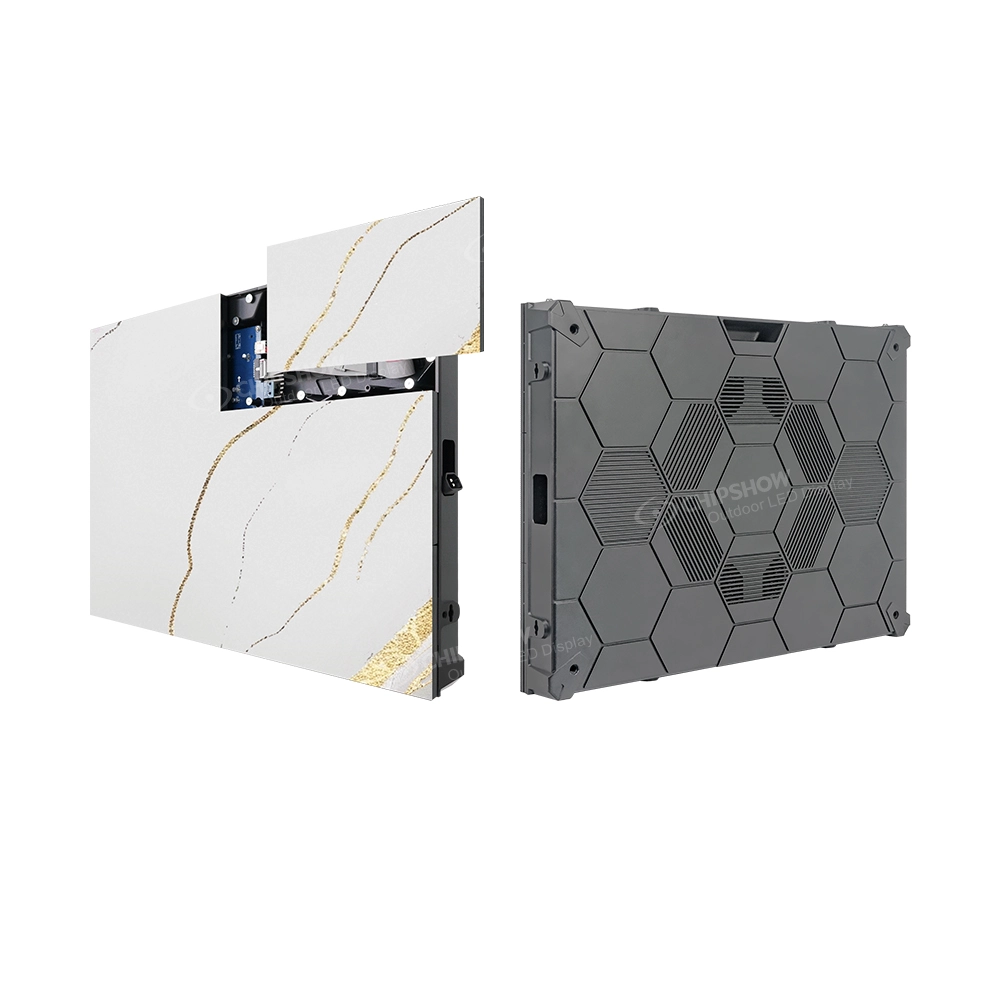
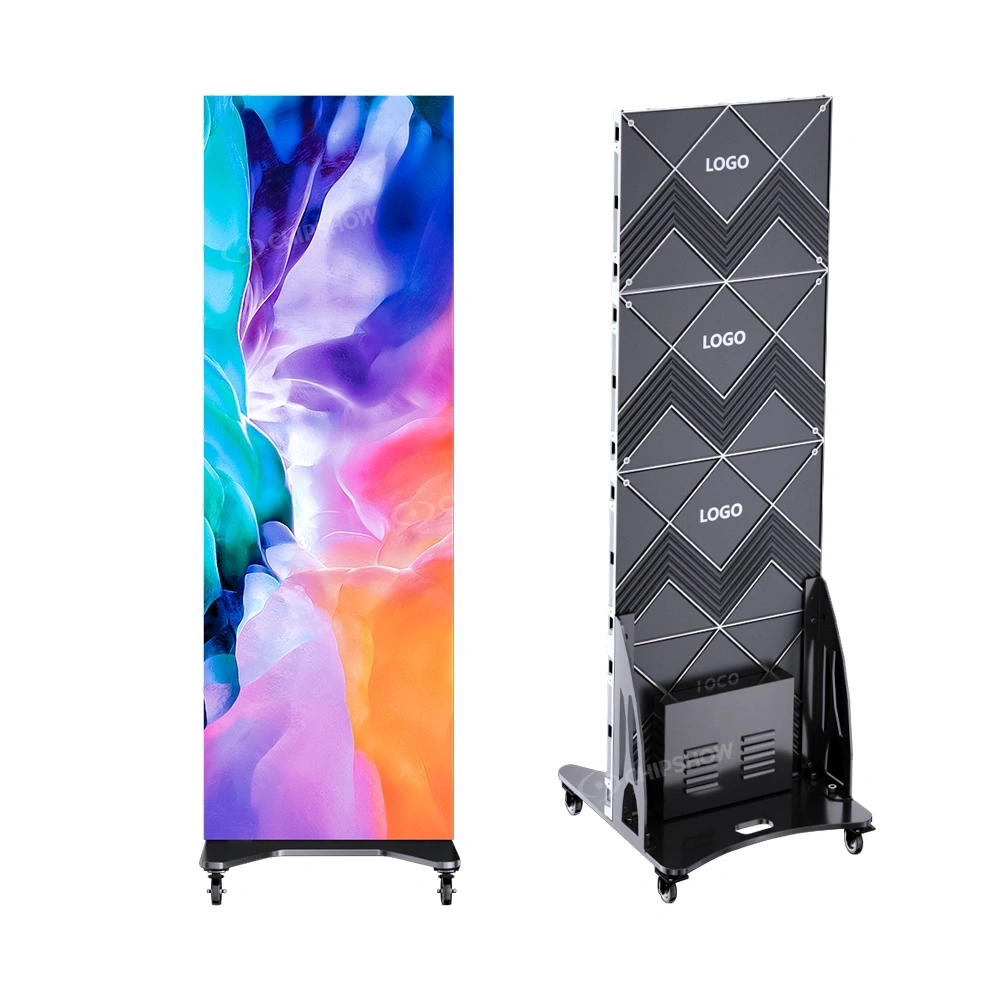
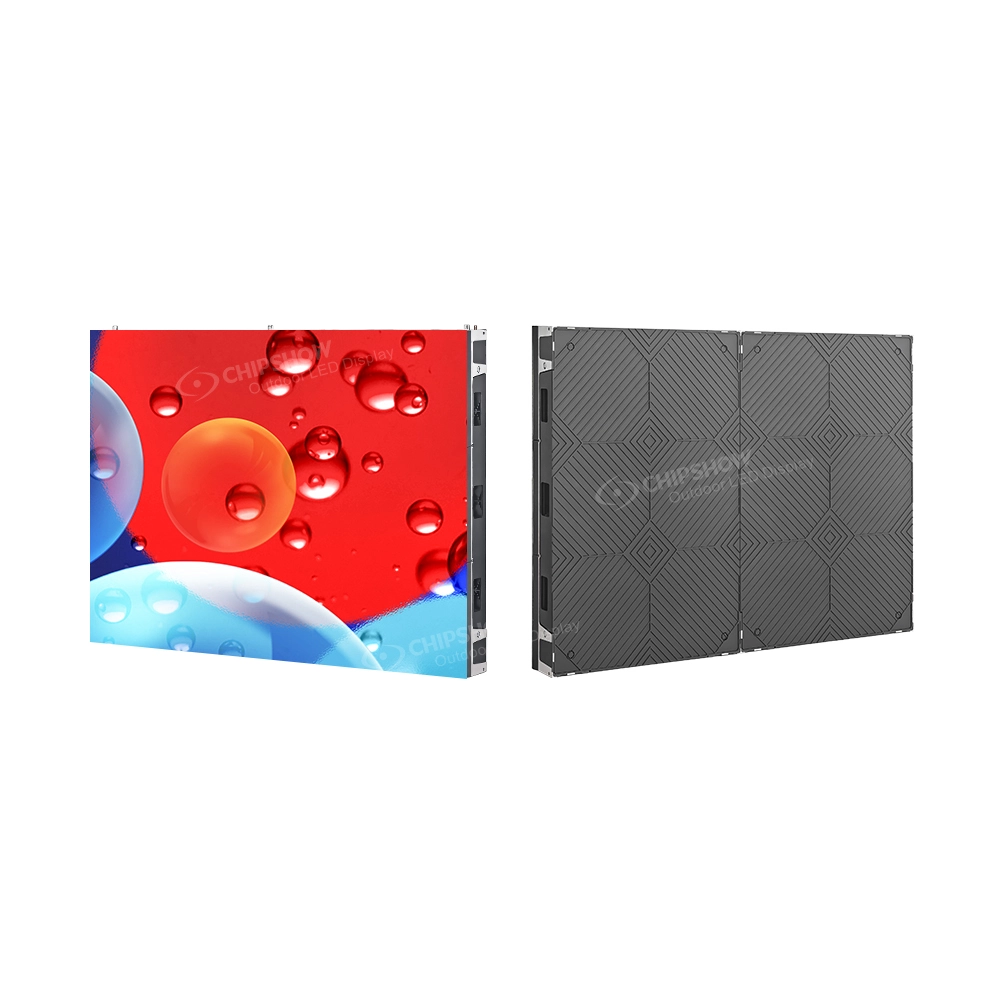
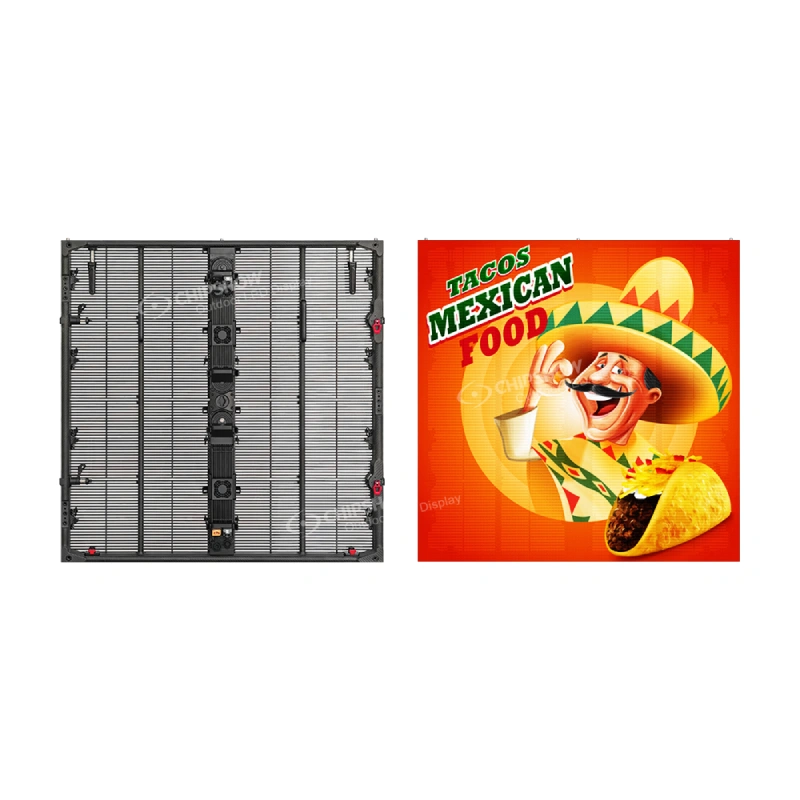
C-Max COB Fine-Pitch Series (P1.53 — Q1 Top-Seller): The ultimate solution for high-end European boardrooms, auditoriums, and monitoring centers. Utilizing a native 4:3 aspect ratio magnesium alloy cabinet weighing only 7.5 kg, it sits flat and flush against interior walls without deep supporting cantilever framing. Its advanced COB layer offers impact-proof protection and exceptional close-viewing visual comfort.
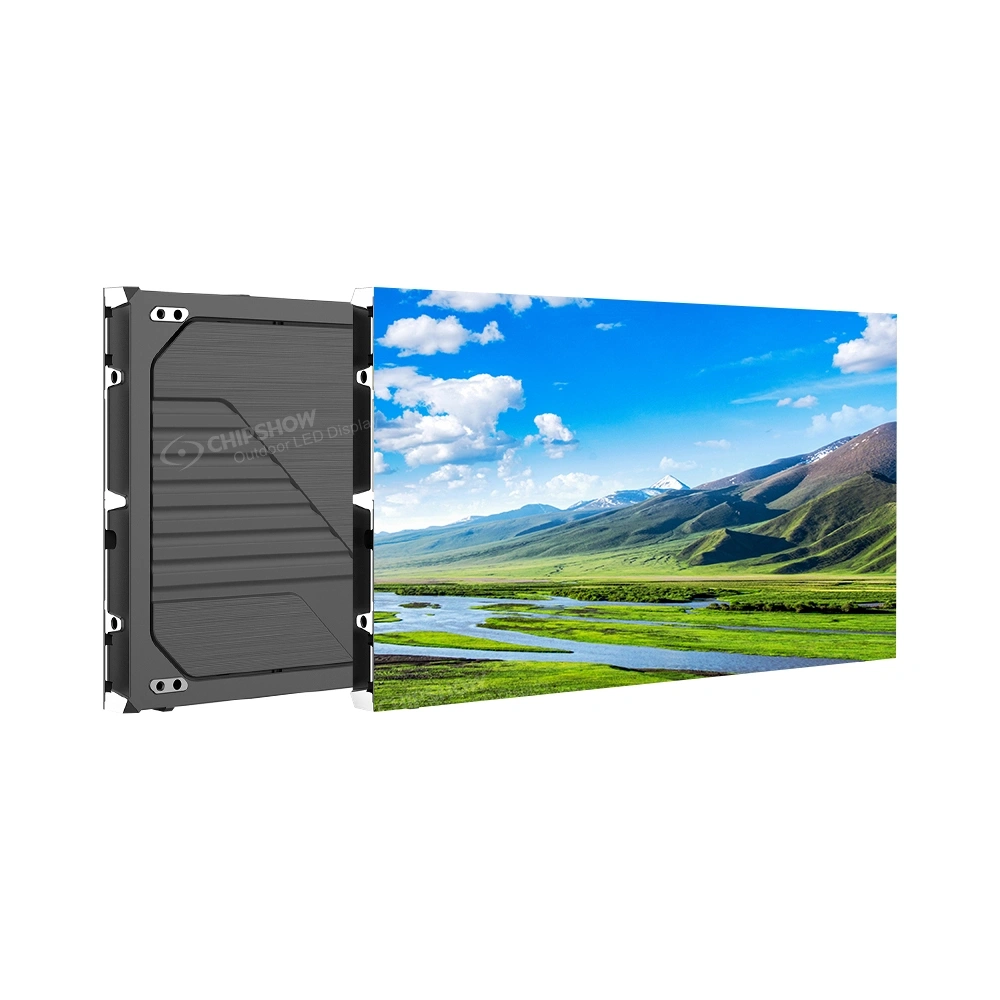
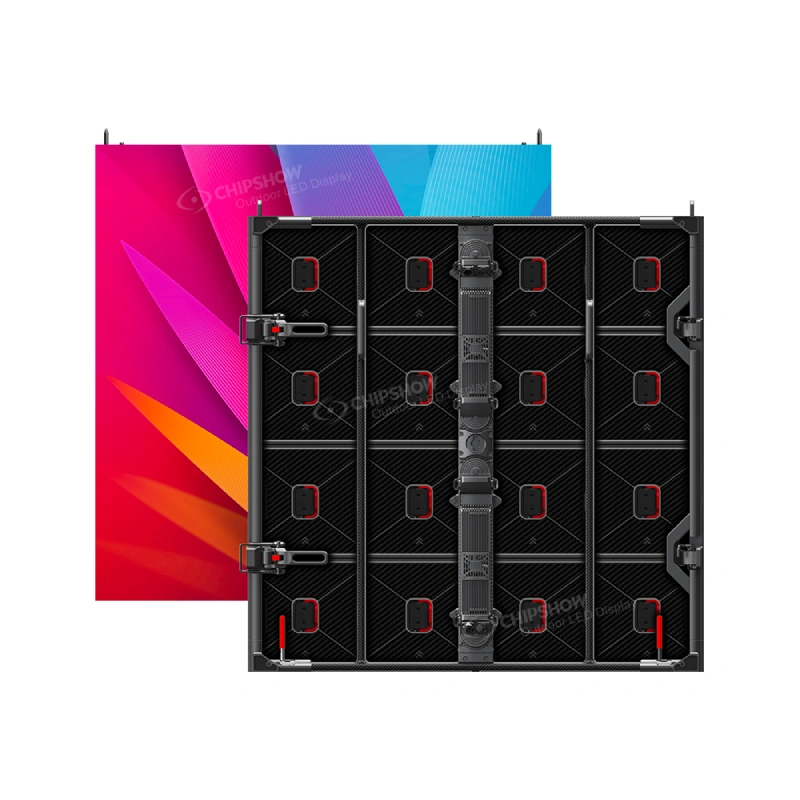
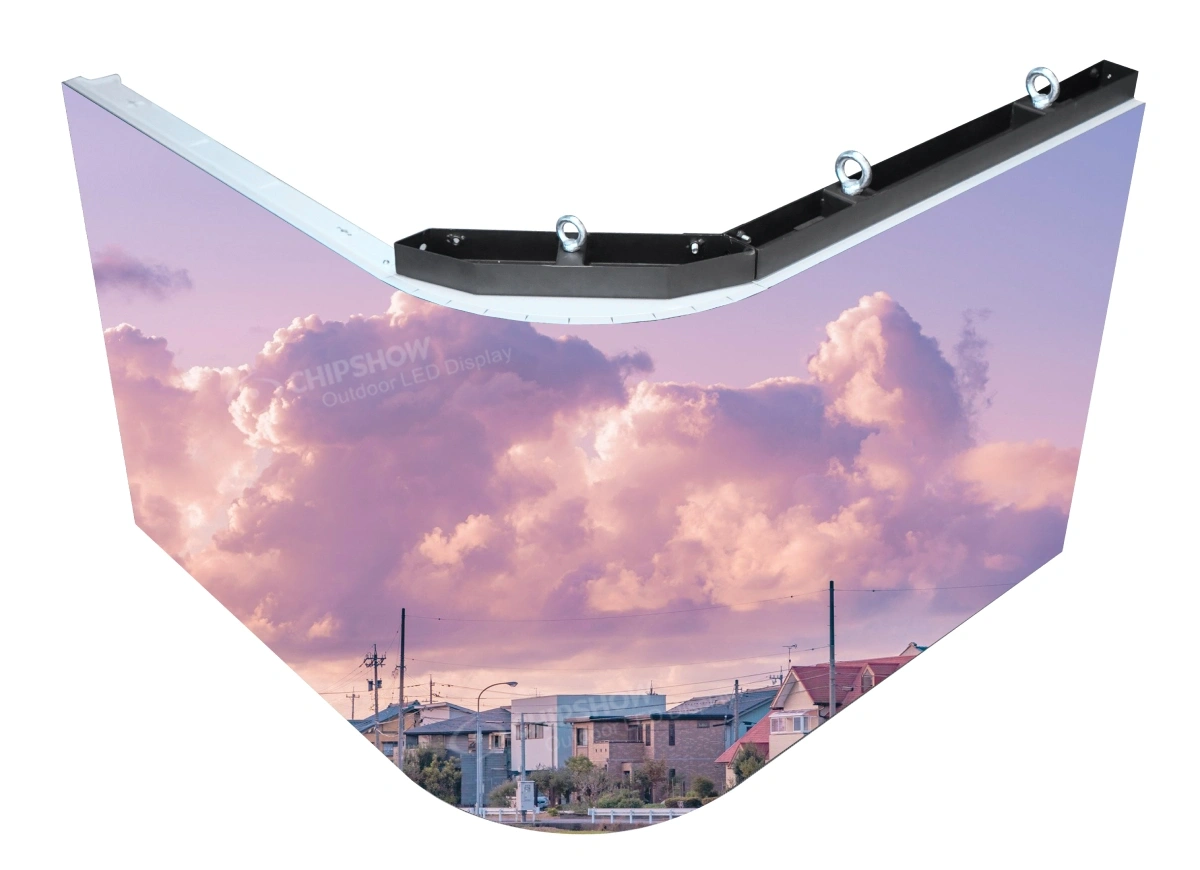
C-Slim Series (P5 Outdoor Fixed Display): Optimized for permanent building facades and urban DOOH. Built into an ultra-slim magnesium frame, it offers full front and rear maintenance options and sustained high daylight visibility while utilizing energy-saving circuitry to manage premium European electricity tariffs.
C-Smart Series (P3.91 / P5 Outdoor Cabinet-Free Modules): Replaces bulky metal boxes with direct module-on-bracket builds, lowering overall dead load ($\le$25–29 kg/m²) for structural permit fast-tracking on tight facades.