TL;DR
Choose an outdoor LED display by matching pitch, brightness, and enclosure to the viewing distance, sun exposure, and mounting structure of the site. Ask for the test and conformity documents that apply to the quoted configuration, and have them reviewed against your project requirements. Compare purchase, energy, structural, and service costs over the same operating period, because the specification agreed for the site usually explains more of the cost difference between suppliers than the price per square metre.
Investing in an outdoor LED display for Digital Out-of-Home (DOOH) advertising, traffic information systems, sports venue scoring, or commercial building infrastructure represents a substantial capital commitment. Unlike indoor screens, an outdoor installation must function as a structural asset—operating continuously through severe weather cycles, prolonged UV exposure, and high-wind loading.
The specification starts from the site conditions, and the decisions follow in a set order: viewing distance and sightlines set the pitch, sun exposure sets the brightness, and the mounting structure and location set the enclosure and maintenance access.
This guide works through that order, so that the documents you request and the costs you compare follow from the site rather than from a supplier’s standard offer. It starts with a selection matrix for common project types, then explains the technical choices behind it, the cost factors that follow from those choices, and the checks to complete before an order is placed.
For a European procurement team, the evaluation usually goes beyond the purchase price. Total cost of ownership covers energy consumption at local commercial tariffs, the structural work the installation requires, and the maintenance and spare-part costs over the planned operating period. Commercial electricity prices across EU member states ranged from about EUR 0.07 to EUR 0.26 per kWh in 2025 (Eurostat), so the tariff you apply changes the energy line more than any hardware choice.
1. Quick Selection Matrix: Matching Your Project to the Right Display Type
Use the reference table below to cross-reference your specific location profile with the appropriate hardware focus:
| Project Type | Typical Location | Recommended Pitch | Key Priority |
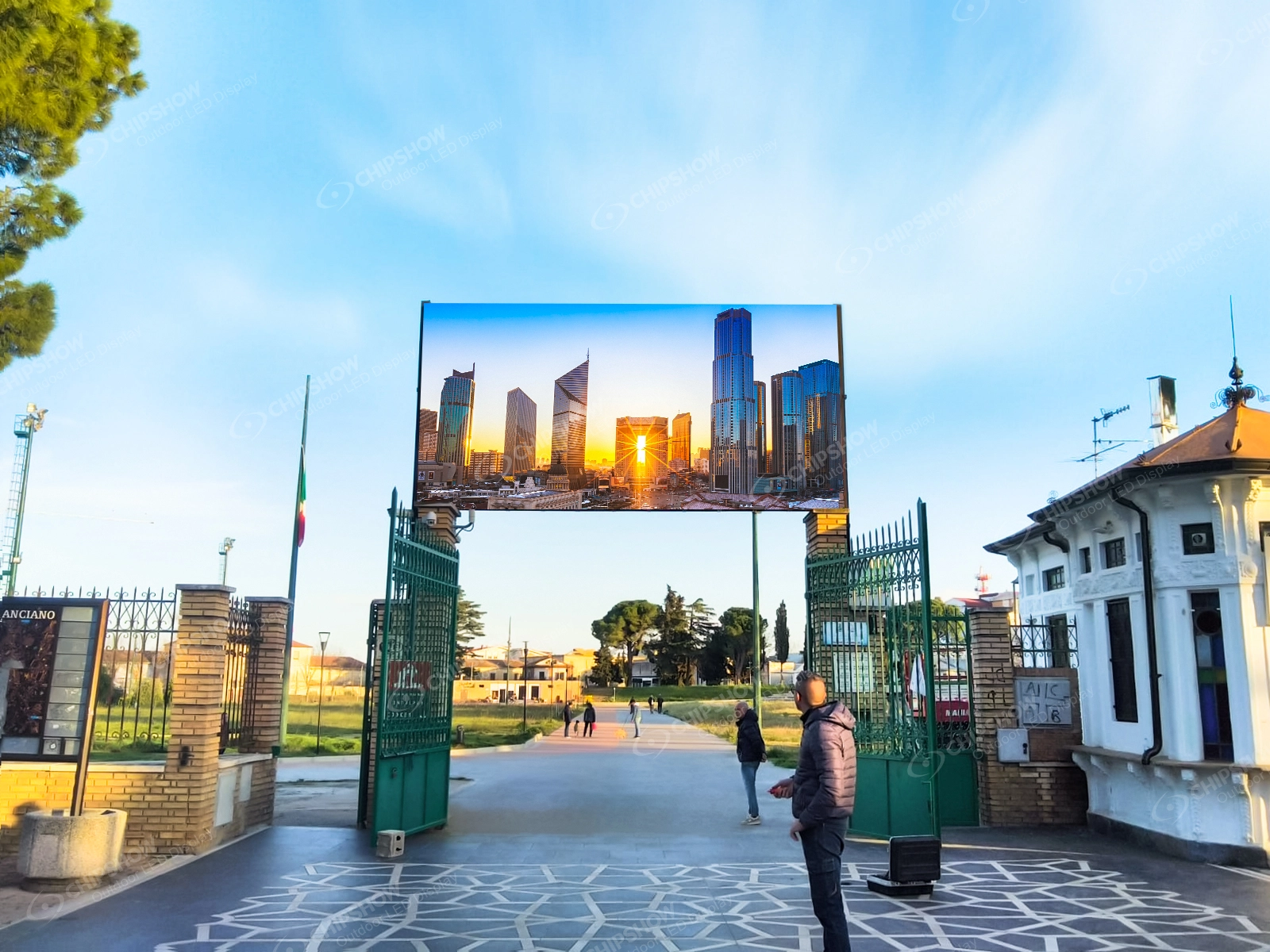
| Urban Retail Façade | High Street, Shopping District | P2.5–P4 | Close-range clarity, CE compliance |
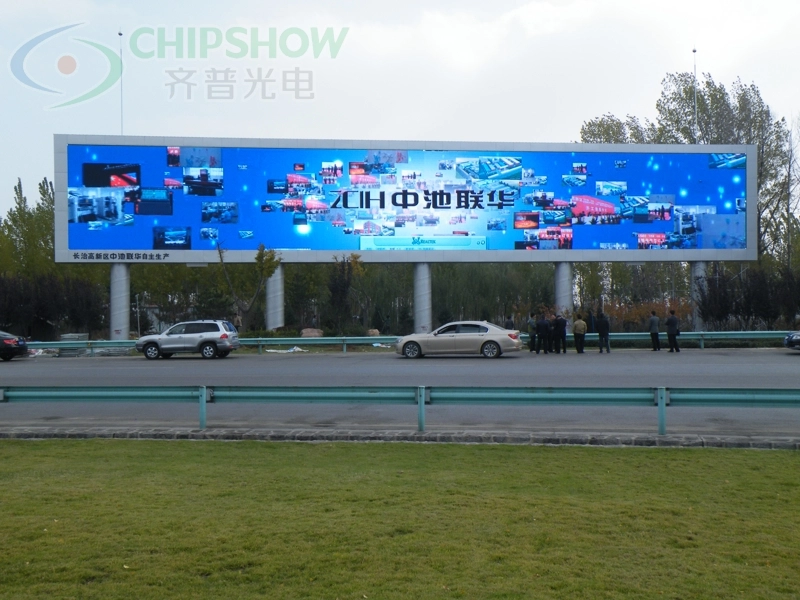
| Roadside Billboard | Motorway, A-Road Corridor | P6.67–P10 | Long-distance legibility, IP66 |
| Traffic / VMS | Motorway Gantry, Urban Junction | P8–P16 | EN12966 compliance, 24/7 reliability |
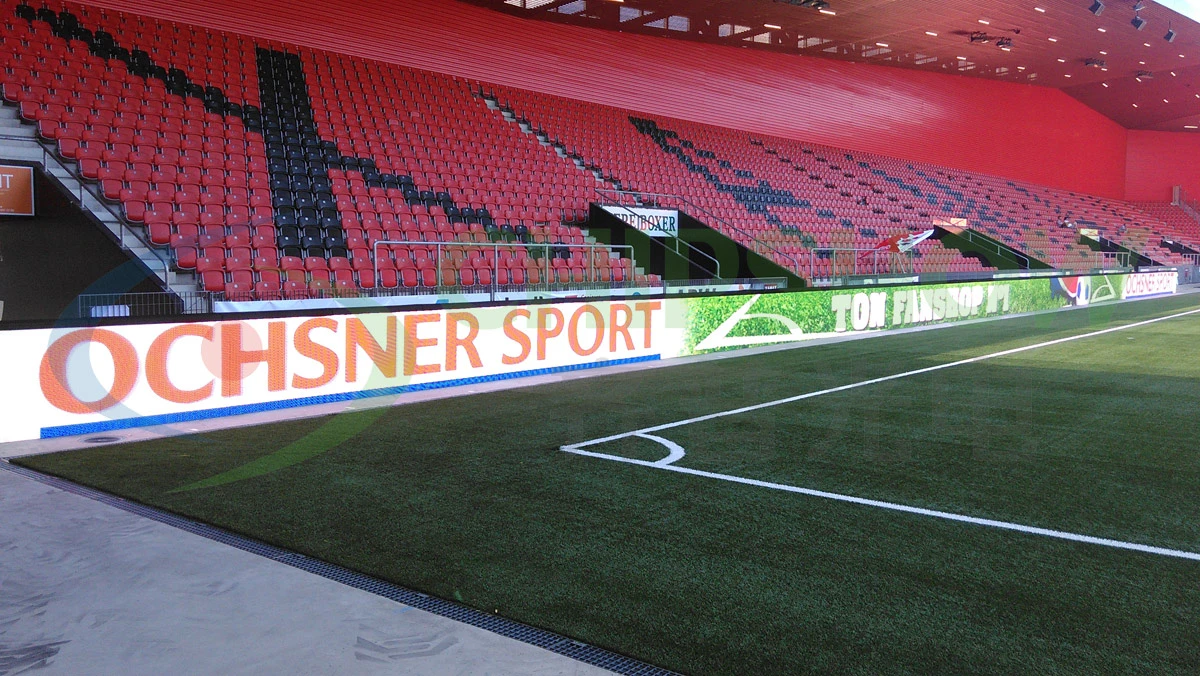
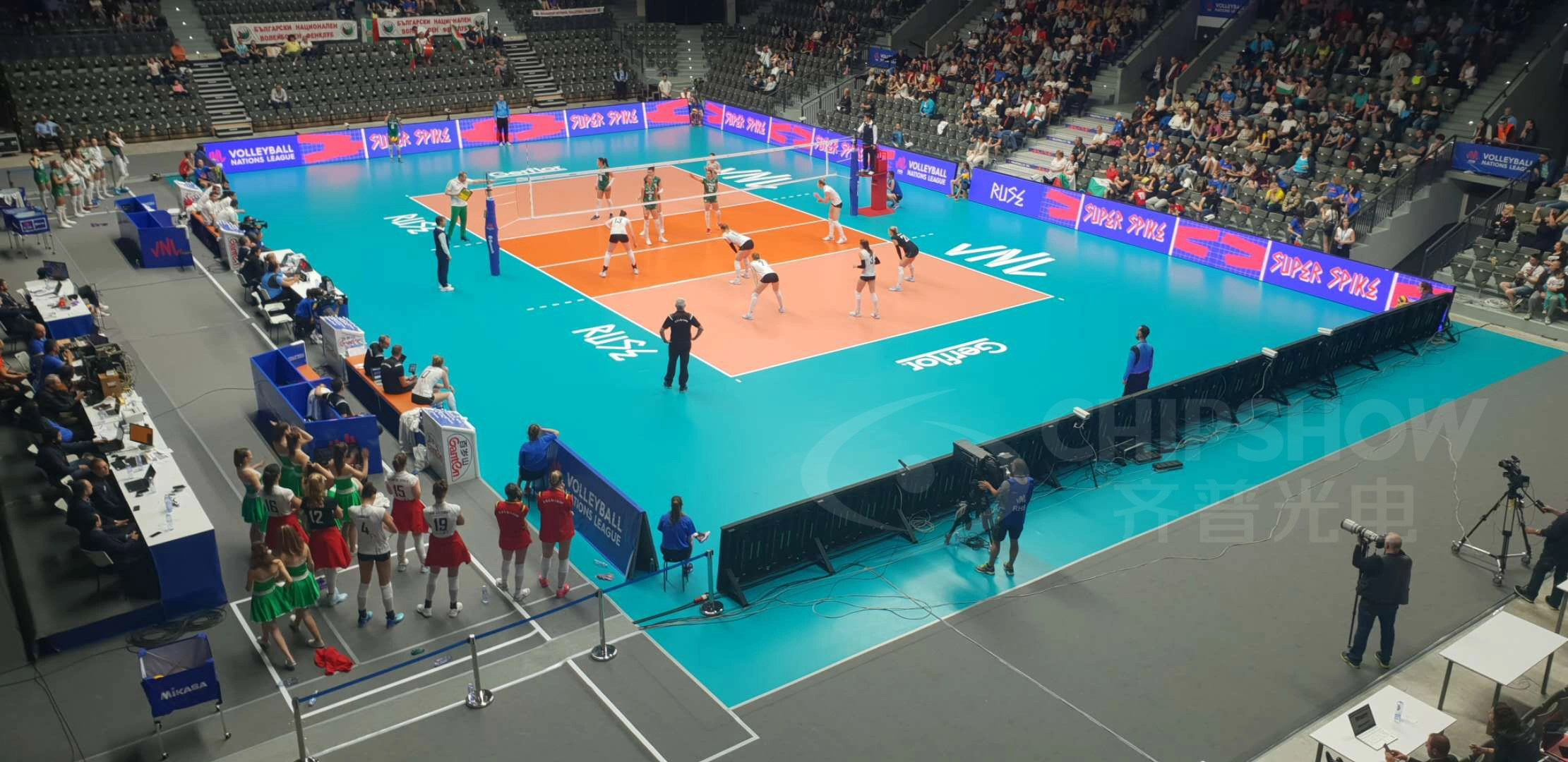
| Sports Stadium Perimeter | Stadium, Arena | P6.67–P10 | Brightness and refresh requirements confirmed for the venue |
| Public Information Display | Town Square, Transport Hub | P4–P6.67 | IP65 protection, front service |
2. Core Technical Selection Factors
A. Common Cathode (CC) vs. Common Anode: The Energy Cost Differential
Traditional outdoor displays use Common Anode circuitry, where a single voltage line feeds Red, Green, and Blue LED chips simultaneously. Because Red diodes have a lower operating voltage requirement, the excess is dissipated as heat across the PCB—increasing both thermal wear and electricity consumption.
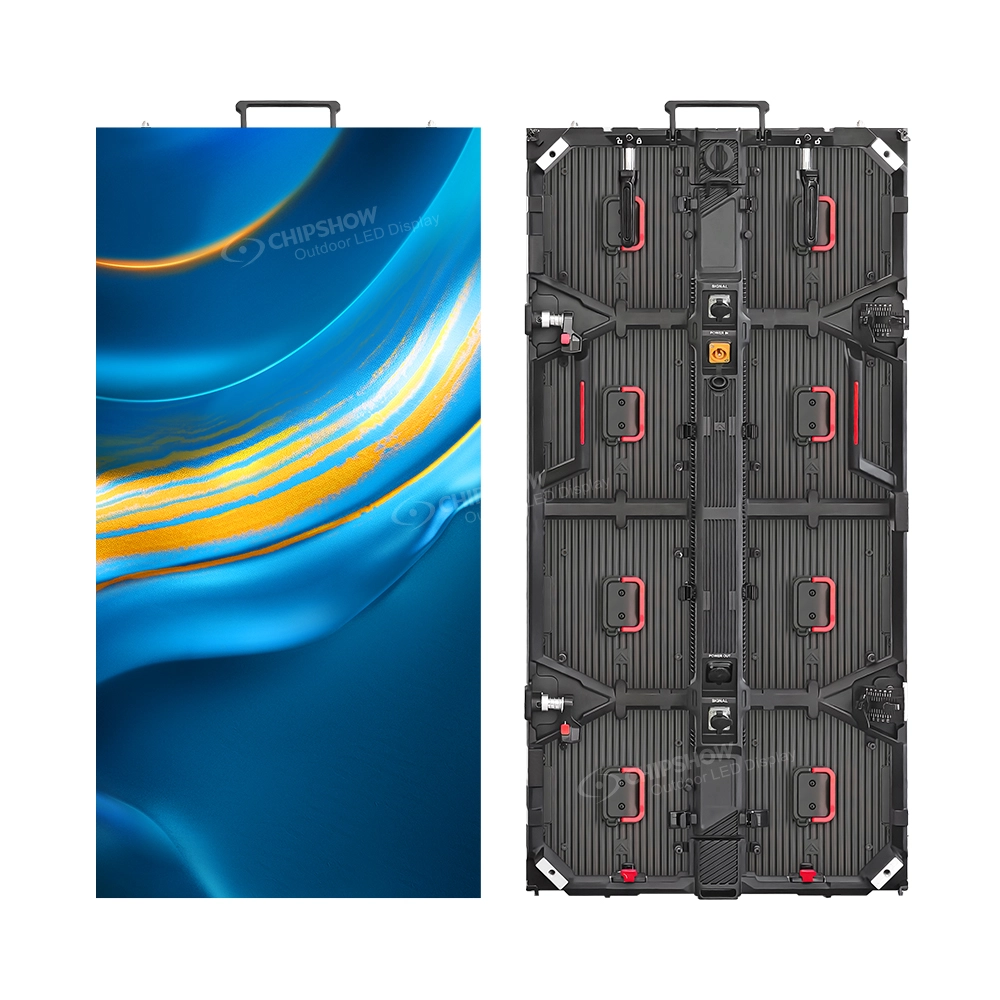
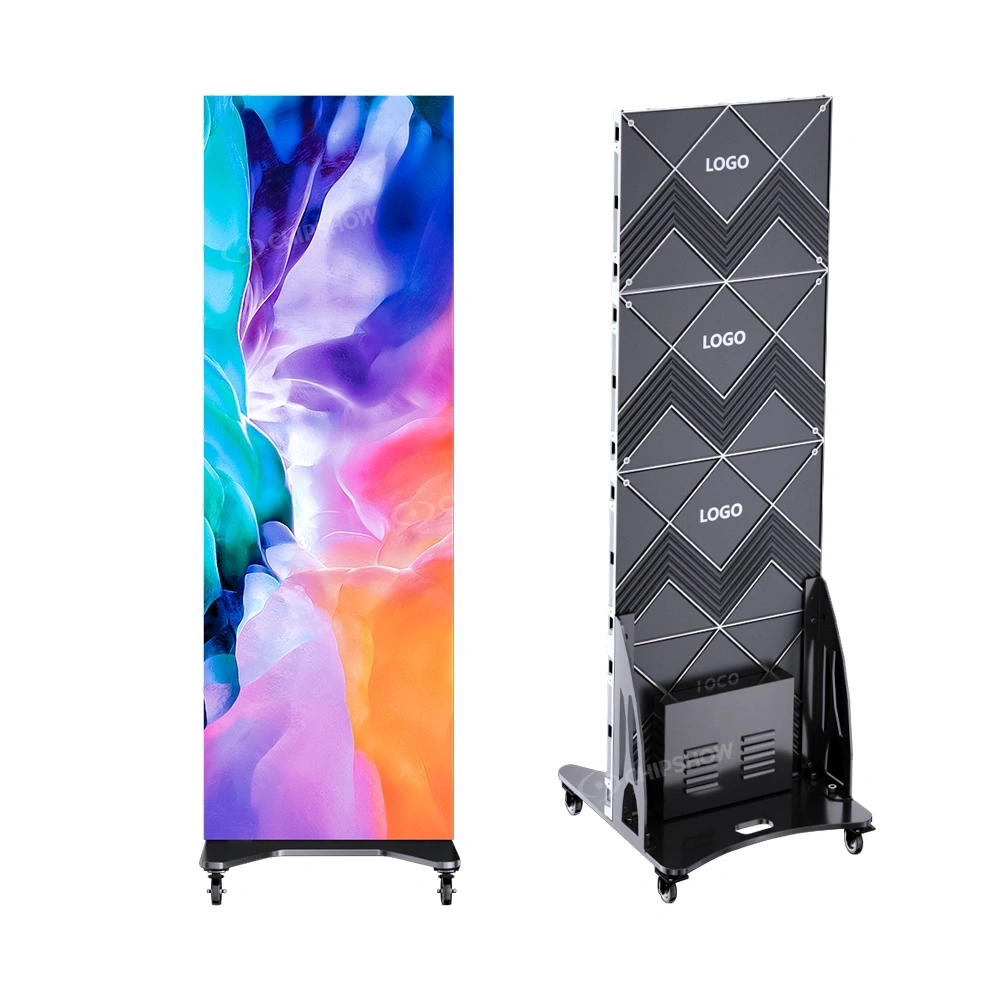
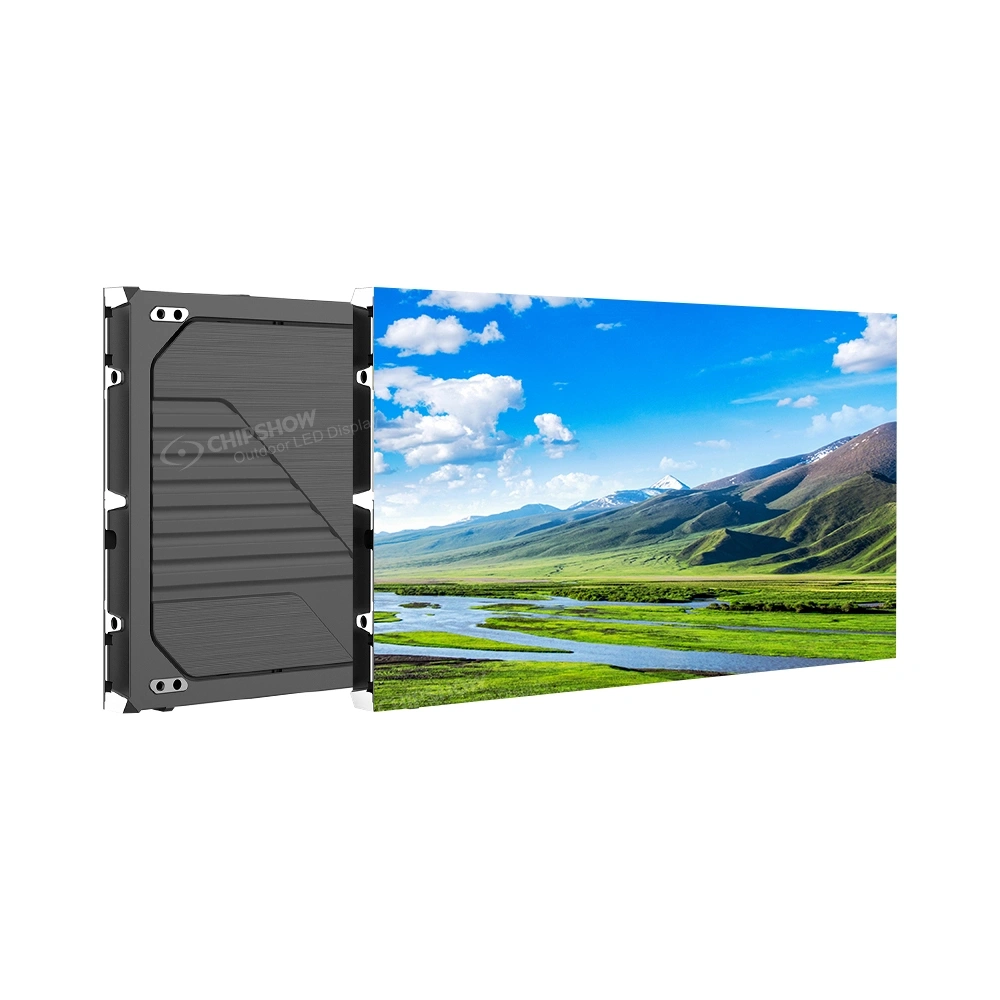
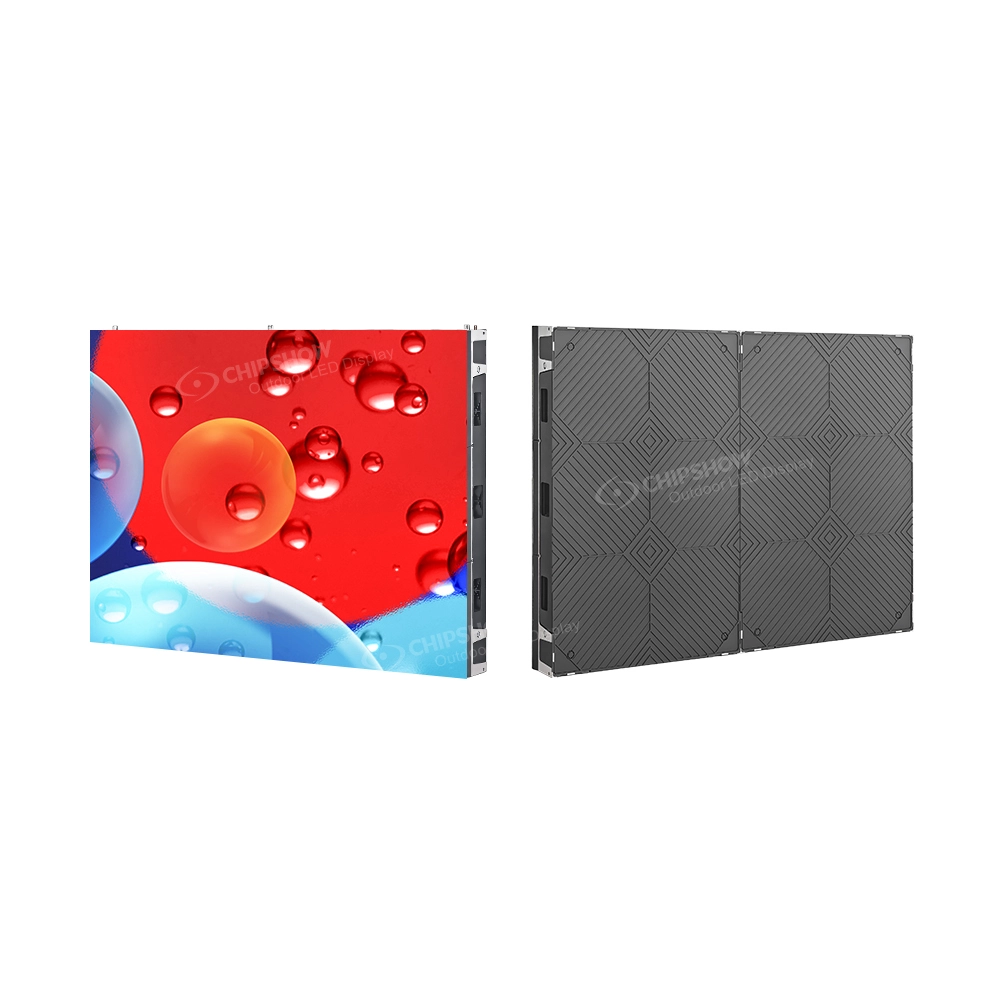
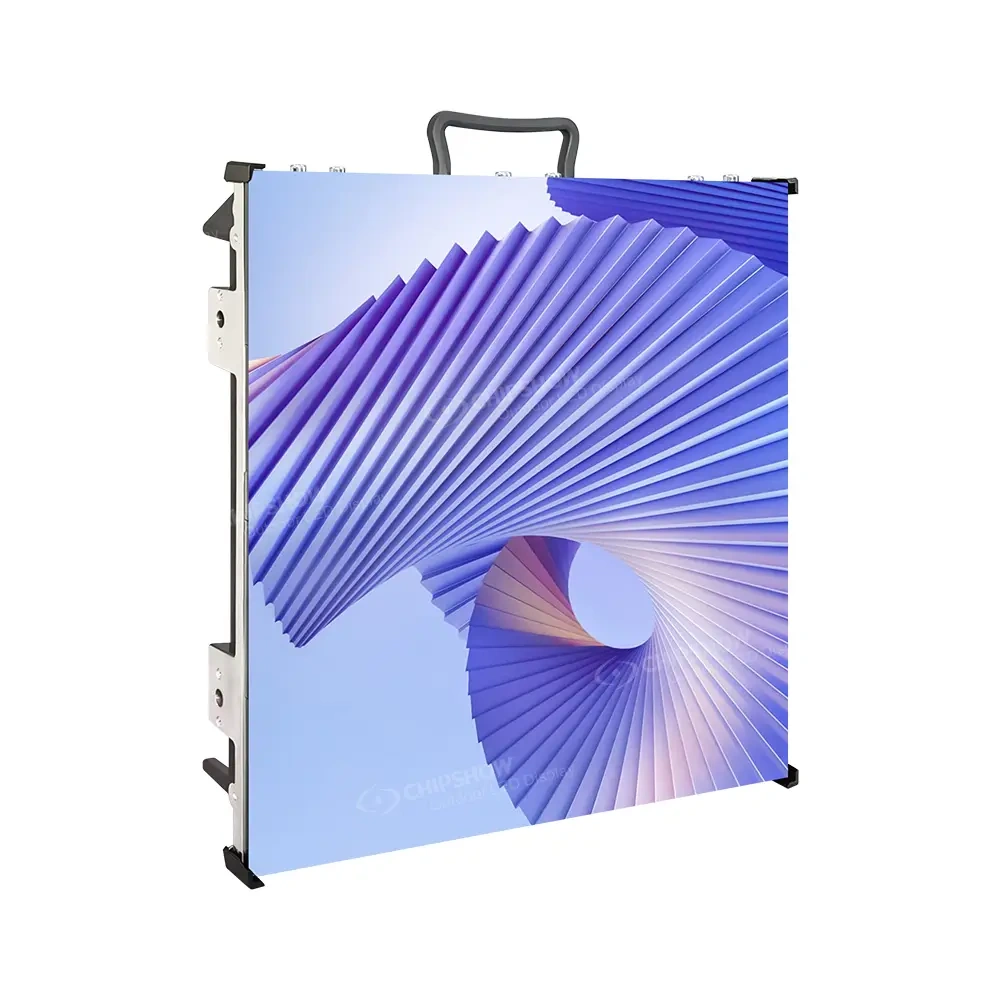
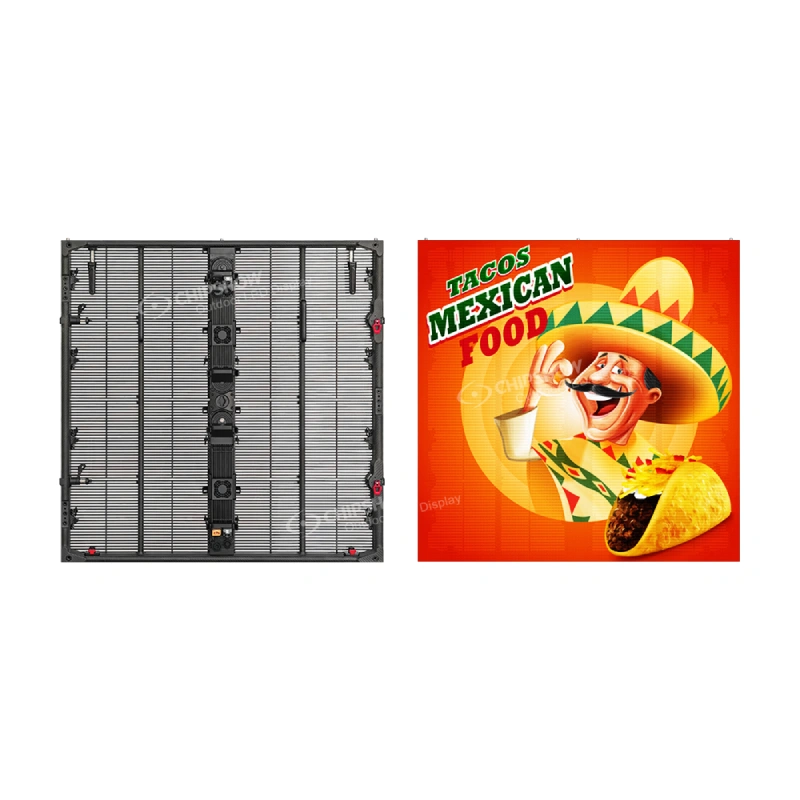
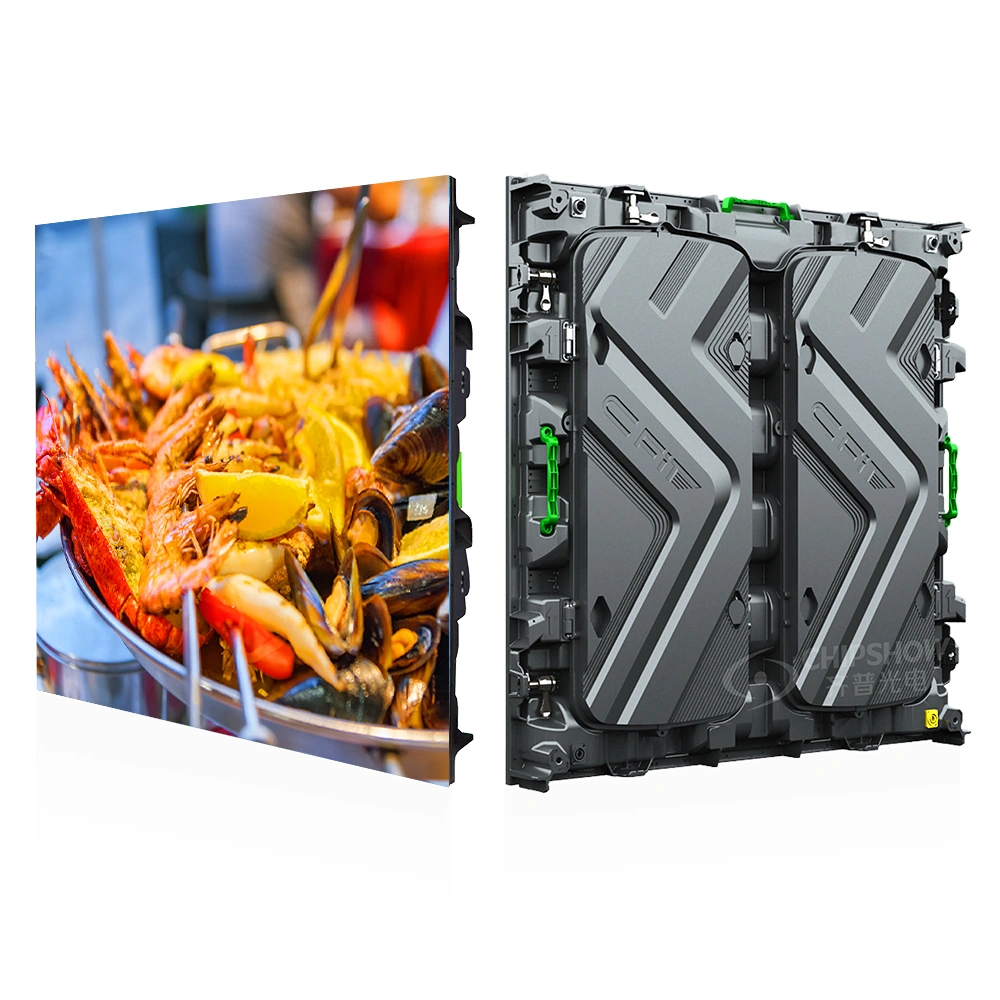
Advanced platforms—including the Chipshow C-Slim (MA) and C-Fit Series—use Common Cathode architecture. This separates electrical grounds and delivers dedicated voltages matched to each colour die. The result is a documented 30% energy saving versus Common Anode, maintaining an average power draw of 150–205 W/m². At European commercial rates of €0.30–0.40/kWh, this reduction translates to significant annual OPEX savings and aligns with the EU Energy-Related Products (ErP) Directive framework.
B. SMD vs. DIP Encapsulation: Selecting the Right Optical Profile
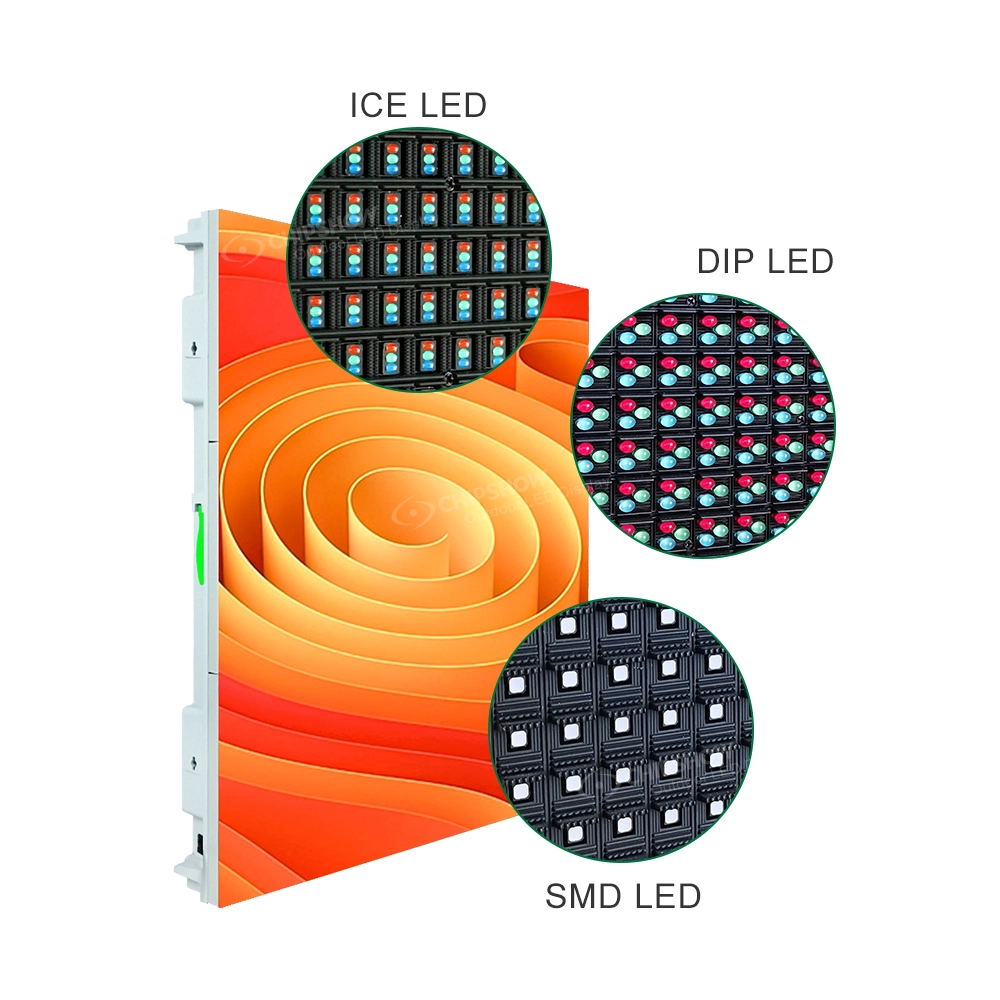
SMD (surface-mount device) packages the Red, Green, and Blue dies together in one component. It produces smooth colour mixing at short viewing distances, which is why it is common in fine-pitch façades and pedestrian zones. Ask for the viewing angle of the quoted SMD configuration rather than using a general figure.
DIP (dual in-line package) mounts each pixel colour as a separate epoxy-moulded lamp with legs soldered through the PCB, so one full-colour pixel uses three discrete lamps. The lamp body is larger than an SMD package, which sets a coarser limit on pixel density; that is why DIP appears on screens viewed from long distances, such as roadside gantries and motorway installations.
Encapsulation, UV performance, and protection ratings differ between suppliers and between configurations, so confirm them for the exact product quoted.
C. True Daylight Contrast: Brightness Without Overdriving
Legibility in direct sunlight is set by brightness, contrast, and viewing distance together, not by brightness alone. Running the driver circuit at its maximum output also adds heat inside the cabinet, which shortens the service life of the LEDs and the power supplies.
Brightness is normally specified with a peak daytime figure and an automatic dimming range below it. The peak figure matters when the screen competes with direct sun; the lower limit of the dimming range matters at night, when the same screen can be too bright for its surroundings. Nits and candela per square metre (cd/m²) are the same unit, so quotes that use either term can be compared directly.
Ask what the quoted configuration delivers at peak, how low the dimming range goes, and whether the dimming schedule can be set to suit the site. Ask whether the control system can cap brightness at night, and check whether the destination market sets any limit for displays facing roads or housing.
D. Ingress Protection: Beyond Basic IP65
Outdoor cabinets are often rated IP65 at the front face. The rear face is sometimes rated lower, and the cabinet interior can still see condensation when a cold night is followed by a warm, humid day. Check which faces the rating covers, and whether the rating is stated for the assembled cabinet or for the modules alone.
For coastal, Alpine, or heavily polluted sites, ask three separate questions. First, which faces of the cabinet carry which IP rating, and whether the rating is stated for the assembled display. Second, what corrosion protection the cabinet and fixings use, because an IP rating tests dust and water ingress, not resistance to salt or acid atmospheres. Third, what the operating temperature range is, and whether it is a tested range for the quoted configuration.
E. EU Compliance Documents: What to Request and Check
The documents that usually come up in a European outdoor project are:
- CE marking. CE marking is the manufacturer’s declaration that the product conforms to the applicable EU legislation. For a display, the directives most often named are the EMC Directive 2014/30/EU, which covers both the interference a display emits and the interference it can tolerate, and the Low Voltage Directive 2014/35/EU, which covers electrical safety. Ask for the declaration of conformity and the supporting test reports, and check that the declaration names the directives and the standards the tests were run against. The documents that apply can differ between a complete unit placed on the market and equipment integrated into a fixed installation, so confirm this at project level.
- RoHS 2 (2011/65/EU) — Restricts hazardous substances in electrical and electronic equipment. Ask which product version the declaration covers.
- EN 12966 — The standard for variable message signs. Where a VMS is installed on a public road, the national road authority sets the requirements and approvals that apply, so confirm them for the destination country before the product design is fixed.
- WEEE Directive (2012/19/EU) — Sets obligations for taking back and treating electronic equipment at end of life. Confirm who registers and reports for the product in the destination country.
Verify that your supplier provides valid test documentation for each applicable regulation before procurement.
3. Cost Factors: What Drives Outdoor LED Display Pricing in Europe
Evaluating a project’s budget requires understanding how technical specifications translate to final installed cost:
| Cost Driver | Impact | European Context |
| Pixel Pitch | A smaller pitch costs more per m² | P2.5–P4 for urban retail triples LED count vs P8–P10 roadside |
| Cabinet Material | Steel, aluminium, and magnesium-alloy cabinets differ in weight and cost | A lighter cabinet can reduce the support structure the building needs; Magnesium alloy reduces structural steel costs for historic buildings |
| IP Rating | A higher rating usually costs more | Coastal, Alpine, and polluted sites need separate checks on ingress protection, corrosion protection, and operating temperature |
| Energy Efficiency | Common cathode and higher-efficiency drivers can add to the unit price | National commercial electricity prices in the EU ranged from about EUR 0.07 to EUR 0.26 per kWh in 2025 (Eurostat), so the same power draw produces very different annual energy costs by country |
| Certification | CE/RoHS built into base cost | EN12966 adds test certification overhead for VMS |
| Logistics & Spares | Spare modules, power supplies, and receiving cards are quoted separately | European warehouse helps reduce cross-border duties and delays |
| Structural Engineering | Follows from the finished weight and the mounting method | Wind loading is calculated by the project’s structural engineer; EN 1991-1-4 is the usual reference for the calculation |
4. Procurement Checklist for European Outdoor LED Display Projects
Before approving any technical specification sheet, confirm your procurement team has verified the following:
- Pitch against viewing distance. A common rule of thumb is about one metre of viewing distance per millimetre of pitch, so P6.67 suits viewers from roughly 6.7 m. Treat it as a starting point, because the content shown and the sightlines on site decide the final figure.
- Brightness Adequacy: Outdoor screens are commonly specified somewhere between about 5,000 and 10,000 nits, with the figure set by sun exposure, the direction the screen faces, and the viewing distance. Ask what the quoted configuration delivers and how the figure was measured.
- Thermal Management: Ask how the cabinet dissipates heat, whether it needs active cooling, and what the maintenance routine is for filters or fans. Fanless designs remove one service item but do not suit all climates and duty cycles.
- Structural Loading: Get the finished weight per m² for the quoted configuration and pass it to the project engineer, together with the mounting method, so that wind loading and the support structure can be calculated.
- Maintenance Access: Where the display is mounted flush to a solid wall, as is common in European city centres, specify front service access so that maintenance does not require access behind the cabinet.
- Compliance documents. List the documents you need for the destination country and the installation type, including the declaration of conformity and test reports for the quoted product, and agree who reviews them before the order is released.
- Enclosure and corrosion. Confirm the IP rating for each face, whether it applies to the assembled cabinet, and what corrosion protection is used for the site’s atmosphere.
- Spare parts. Agree the type and quantity of spares with the supplier, based on the number of cabinets, the service arrangement, and the time needed to ship a replacement.
- Delivery and duty. Where spare parts are stocked affects how quickly a repair returns a screen to service: stock held in Europe is closer to the destination site than stock in Asia, and shipments within the EU move without customs clearance. Chipshow operates a warehouse in the Netherlands. Ask which products and spare parts are held there, whether they are reserved for your order, and what the delivery time is to the site. Confirm who handles customs and duty.
5. Application Matching Matrix
| Application | European Deployment | Recommended Chipshow Series | Key Advantage |
| Premium DOOH Billboard | Motorway, urban plaza, airport | C-Slim outdoor LED display | 30% energy saving, ≤29 kg magnesium cabinet |
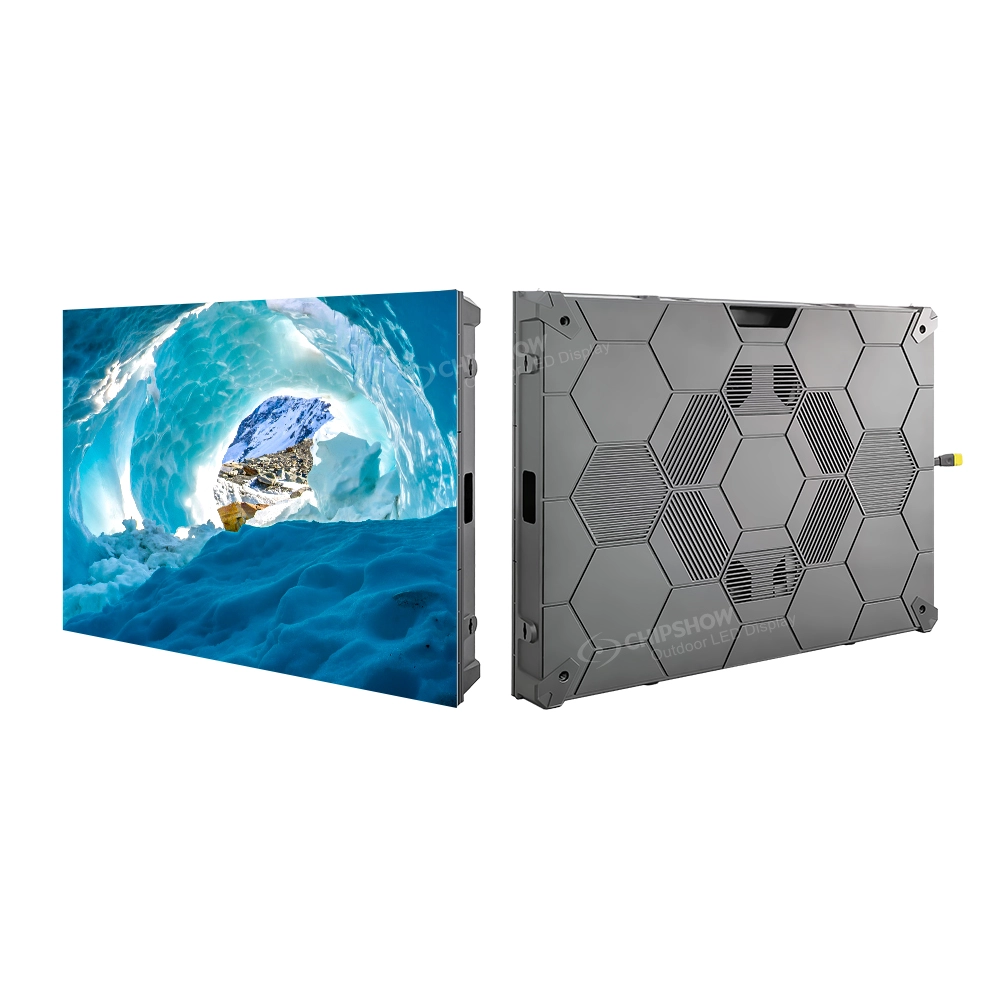
| Urban Retail Façade | High Street, shopping centre | C-Smart | Fine pitch P2.5–P6.67, wide viewing angles |
| Traffic / VMS | Motorway gantry, tunnel entrance | C-Slim outdoor LED display | IP66, CE, EN12966 compliance |
| Sports Venue | Stadium perimeter, arena fascia | C-Slim outdoor LED display | High brightness 10,000+ nits, fast refresh |
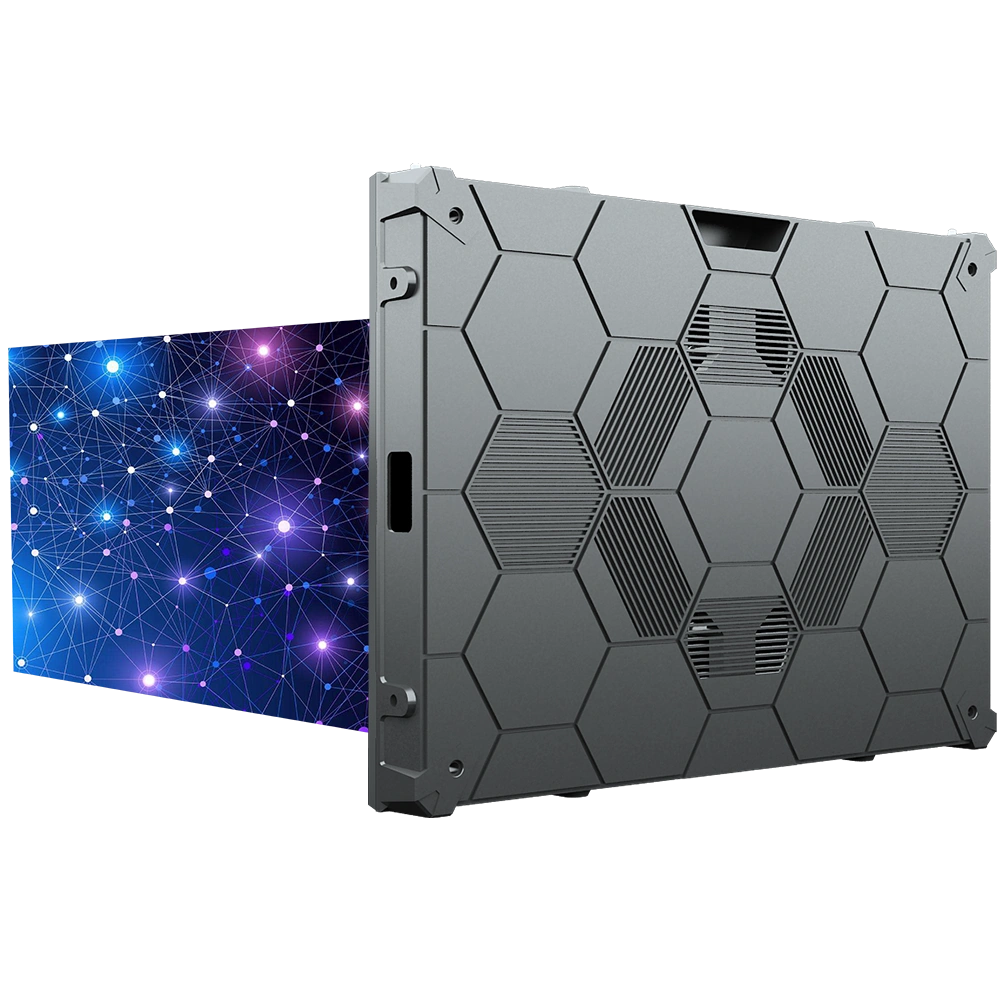
| Public Information | Town square, railway station | C-Fit Easy | Dual IP65+, front maintenance |
Submit Your Project Parameters for a TCO Analysis
Selecting the right outdoor LED display is a value engineering exercise. Screen pricing alone ignores the operational realities of European energy costs, structural compliance, and weather-hardening requirements.
Send us your screen dimensions, operating hours, installation environment, and local electricity tariff. Chipshow can work through the long-term power, structural, and maintenance figures with you and provide a cost comparison for the configuration you are considering.
Compare product references and EU stock options for your venue with the Europe LED screen selector before requesting a quote.
Frequently Asked Questions
Q1: What is the best pixel pitch for outdoor LED displays in European urban environments?
Closer viewing positions need a smaller pitch, and roadside screens seen from vehicles can use a larger one. Urban façades seen from a pavement are often specified between P2.5 and P4, and motorway billboards between P8 and P10. The final choice follows the closest viewing position that matters and the content to be shown.
Q2: What brightness level do I need for a south-facing billboard in Southern Europe?
Screens that face the midday sun without shade are usually specified at the upper end of the 5,000 to 10,000 nit range, and the figure also depends on the viewing distance and the content. Ask for the brightness of the quoted configuration, the measurement method, and how the display dims at night.
Q3: What EU compliance documents should I ask a supplier for?
Ask for the declaration of conformity and the test reports that apply to the quoted product, and have them reviewed for the way the display will be installed and powered. For road traffic applications, the national authority sets the approvals required. End-of-life obligations under WEEE also apply, so confirm who registers and reports in the destination country.
Q4: What is the difference between SMD and DIP for European outdoor installations?
SMD puts the three colour dies in one package and suits shorter viewing distances. DIP uses a separate epoxy-moulded lamp per colour and is still used for coarse-pitch screens viewed from long distances, such as motorway installations. The right choice depends on the pitch, the viewing distance, and the maintenance routine for the site.
Q5: How quickly can I receive an outdoor LED display in the EU?
Delivery time depends on the configuration, the production schedule, and where the goods ship from. Chipshow operates a warehouse in the Netherlands. Ask for the lead time in writing for the exact product, confirm who handles freight, customs, and duty, and check which products and spare parts the warehouse covers.