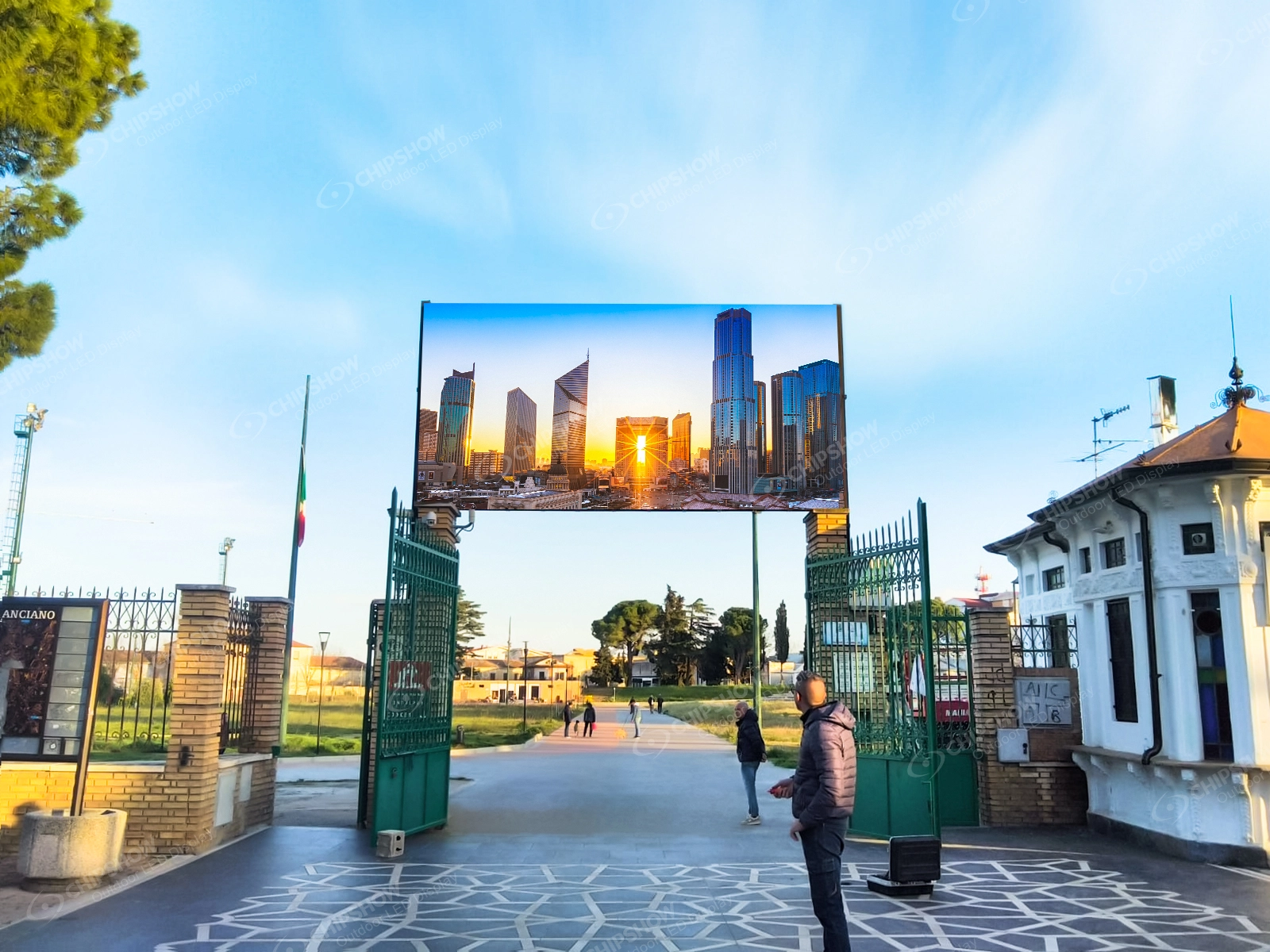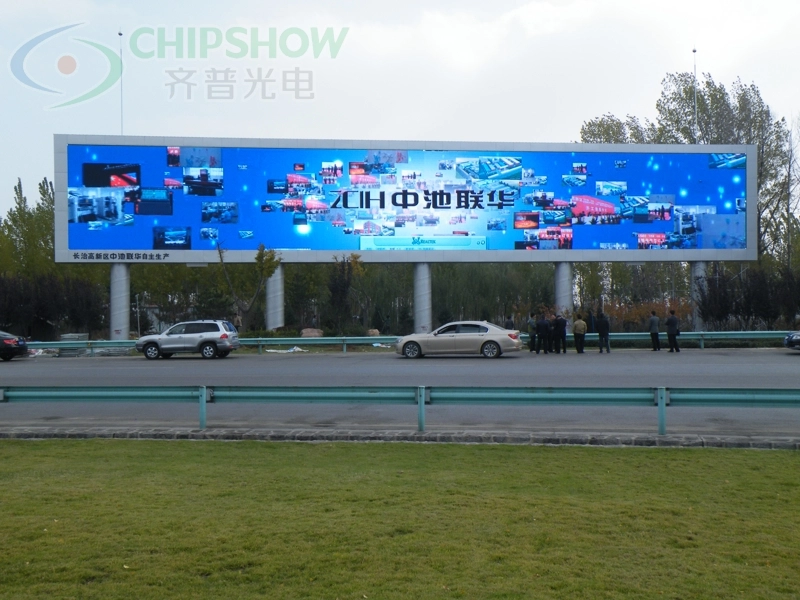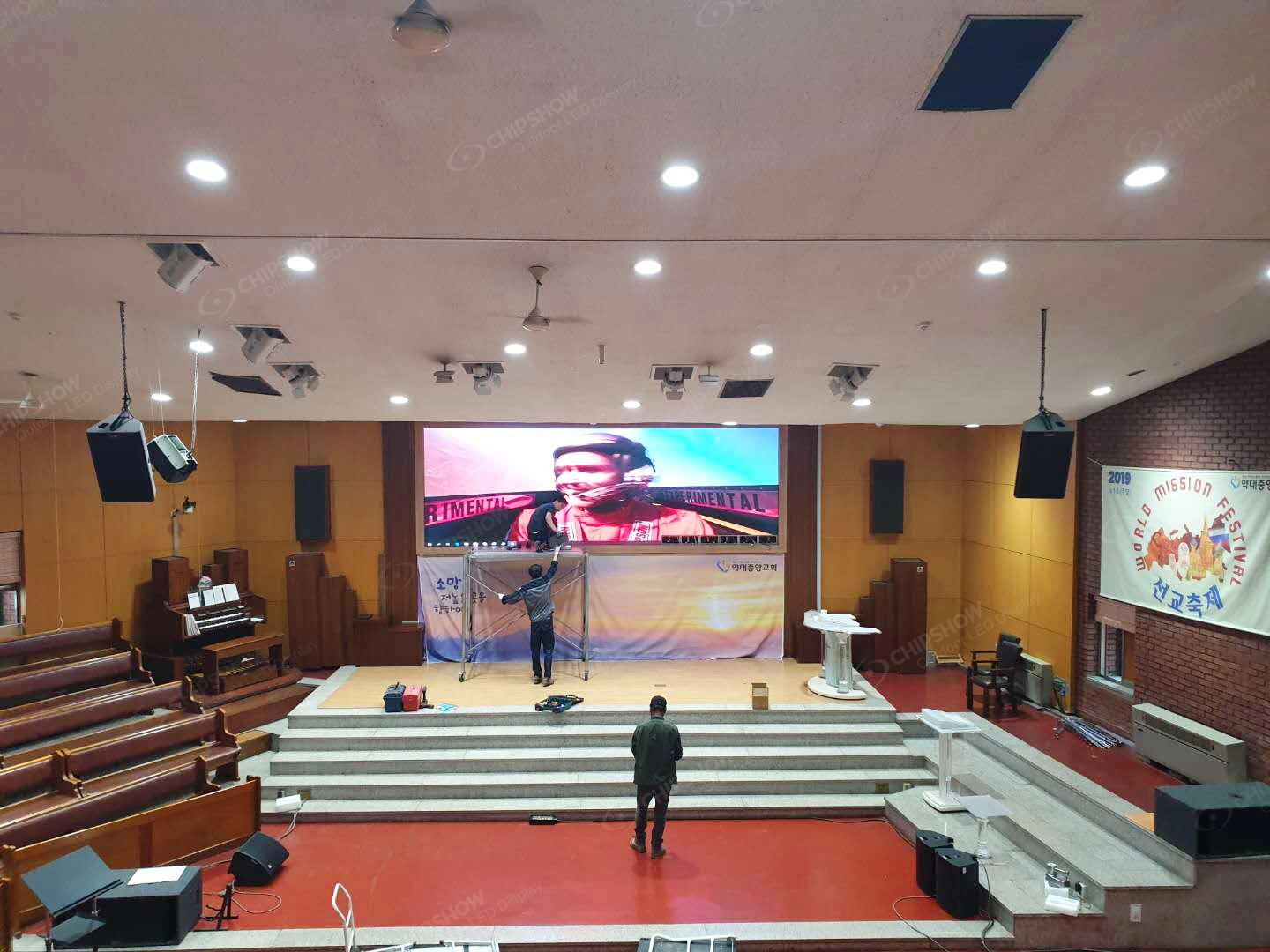
Installing an outdoor LED display in Europe involves more than standard engineering. Projects often need to balance regulatory compliance, energy performance, and site constraints — especially in city centres, transport hubs, or heritage buildings.
For system integrators, contractors, and DOOH operators, early planning can help reduce approval risks, avoid structural rework, and manage long-term operating costs.
This guide outlines a practical installation approach based on typical European project conditions.

Understanding Outdoor LED Display Requirements in Europe
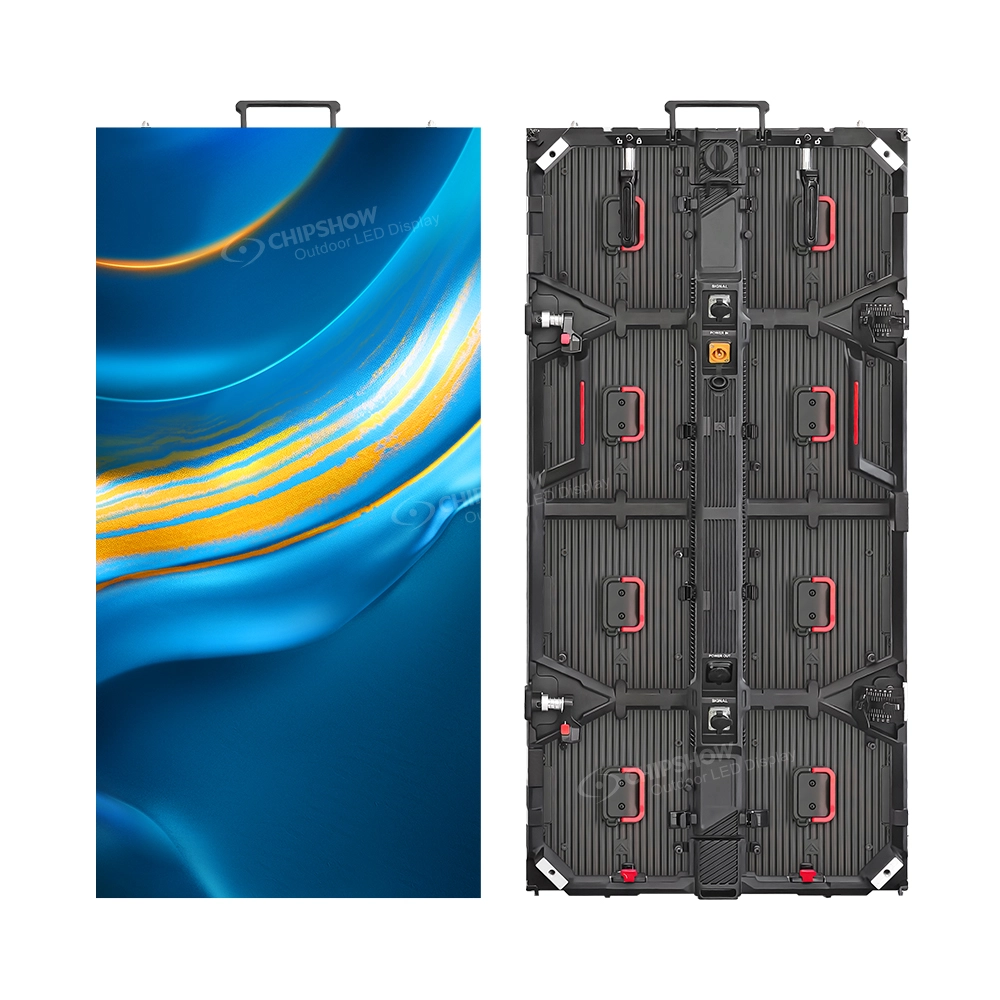
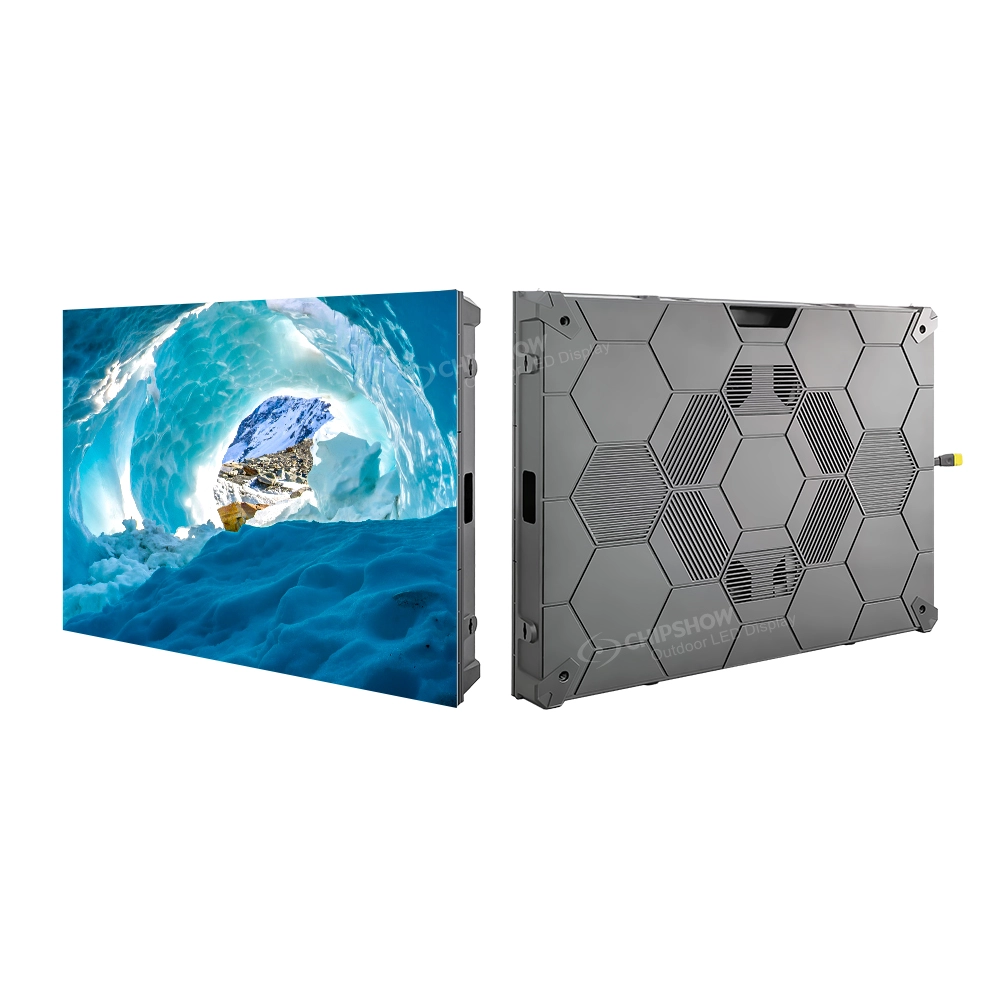
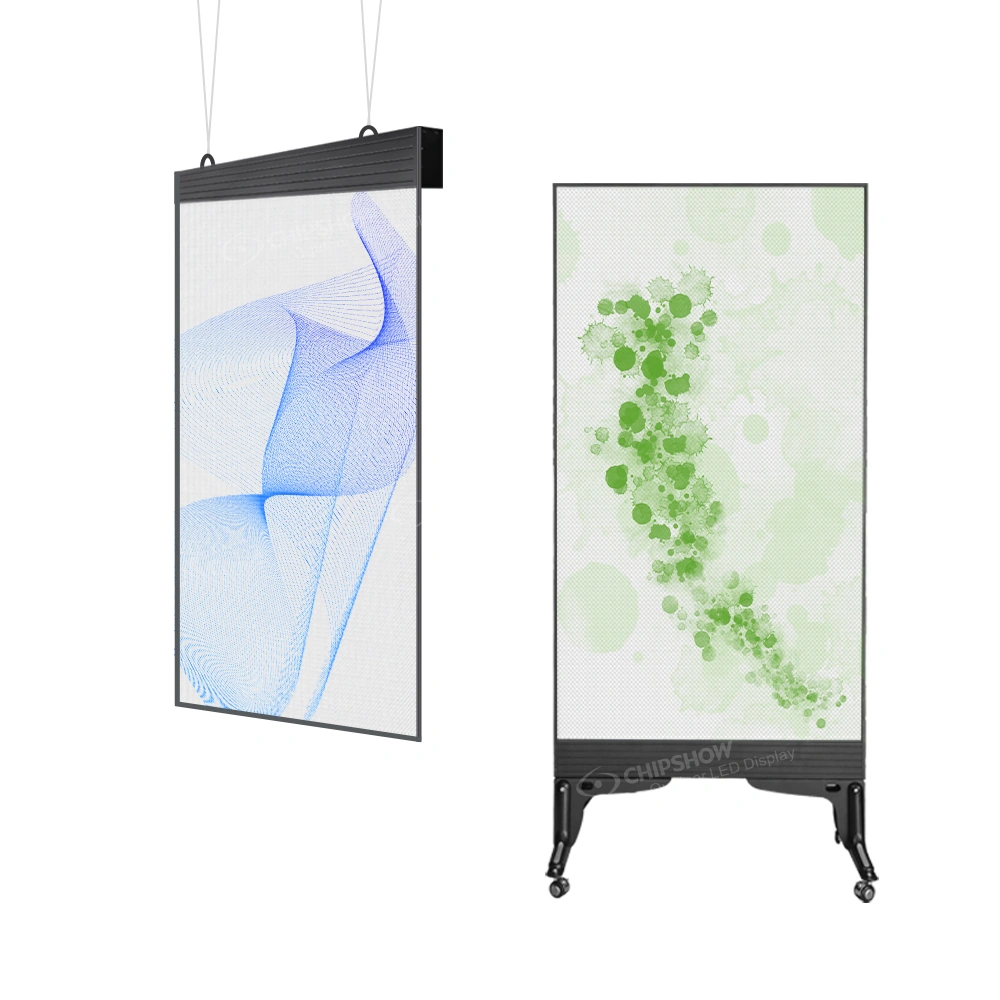
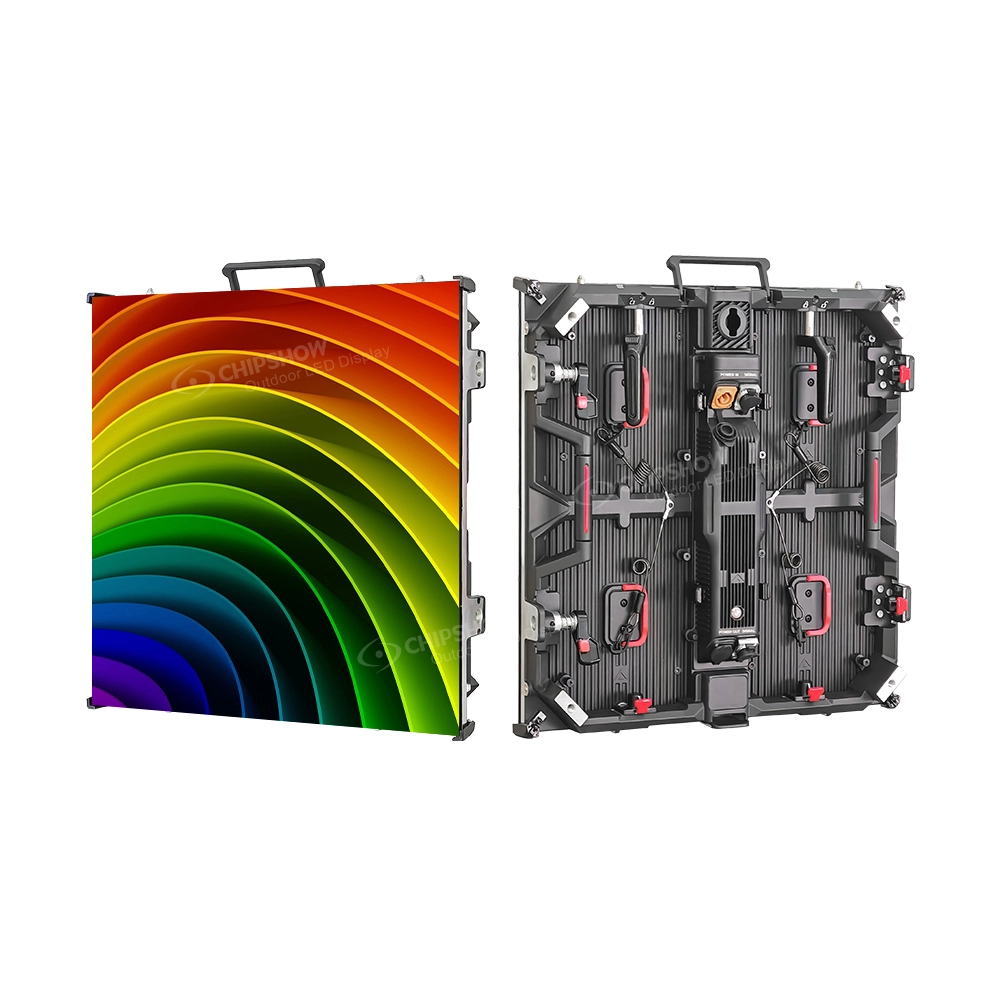
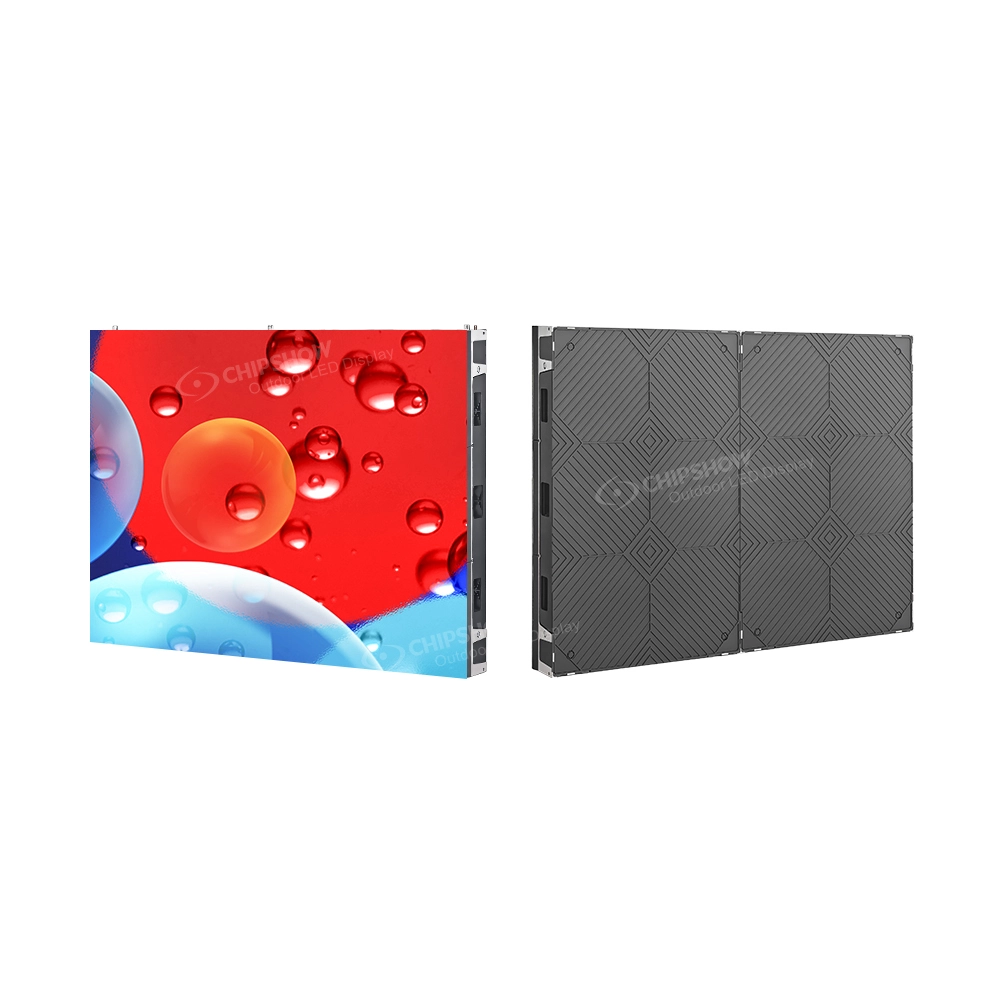
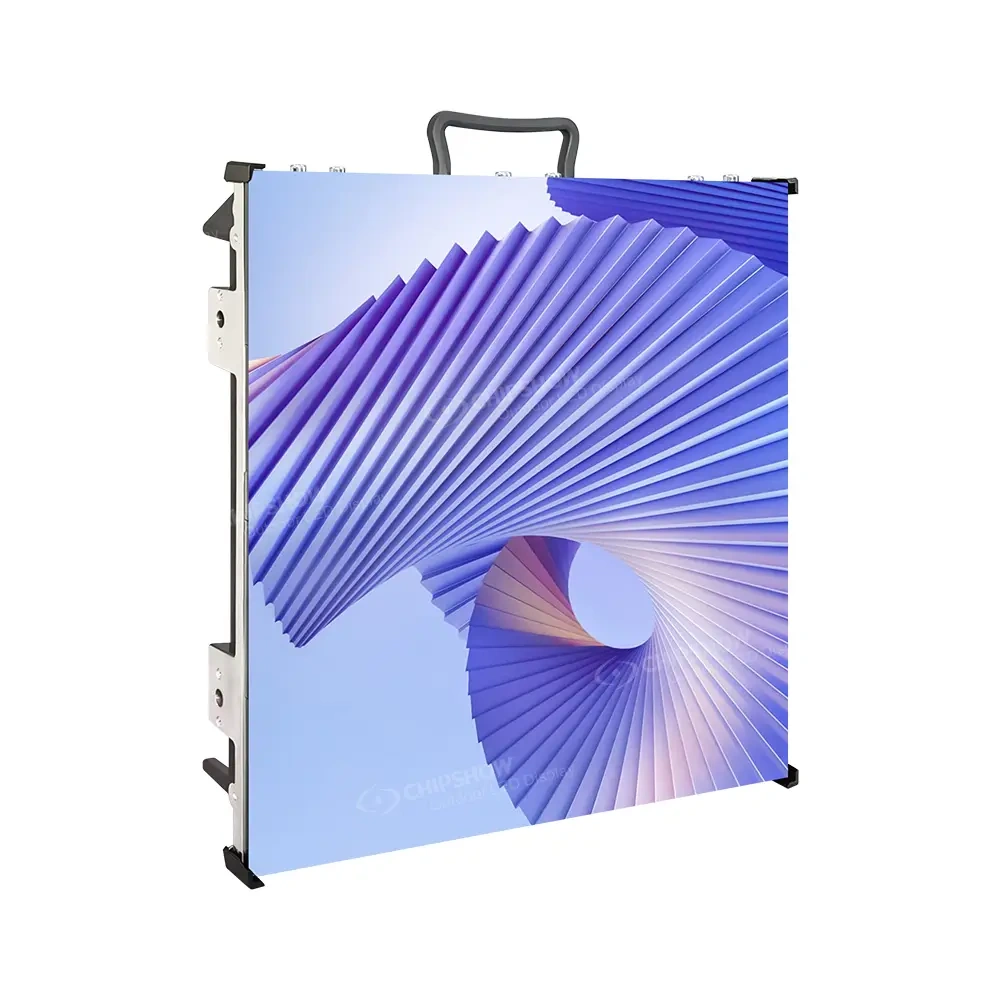
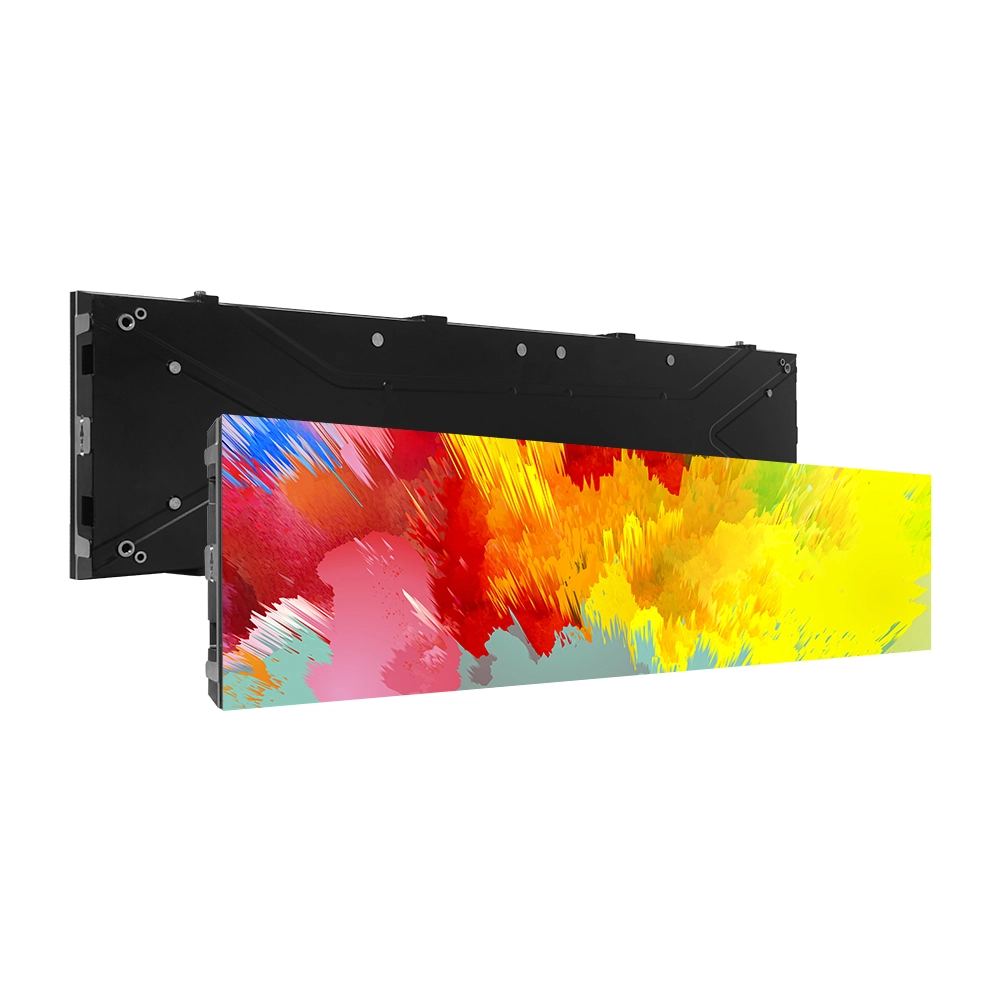
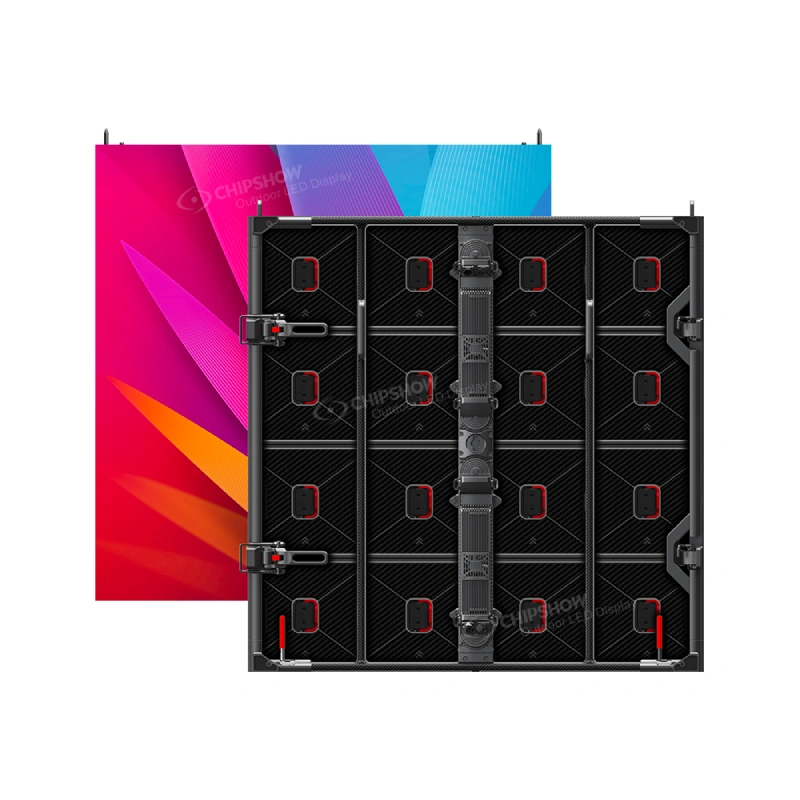
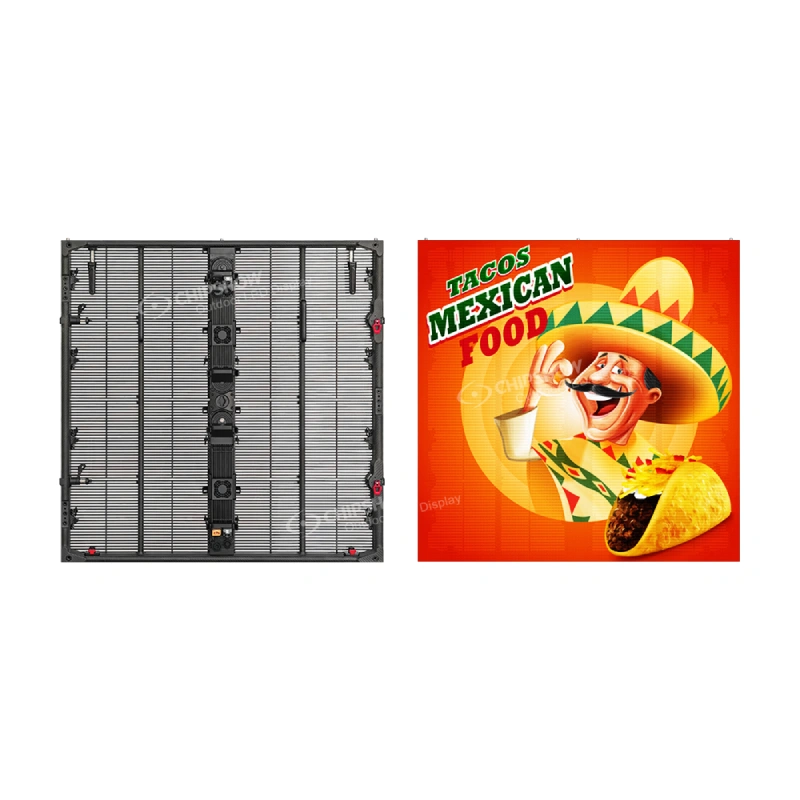
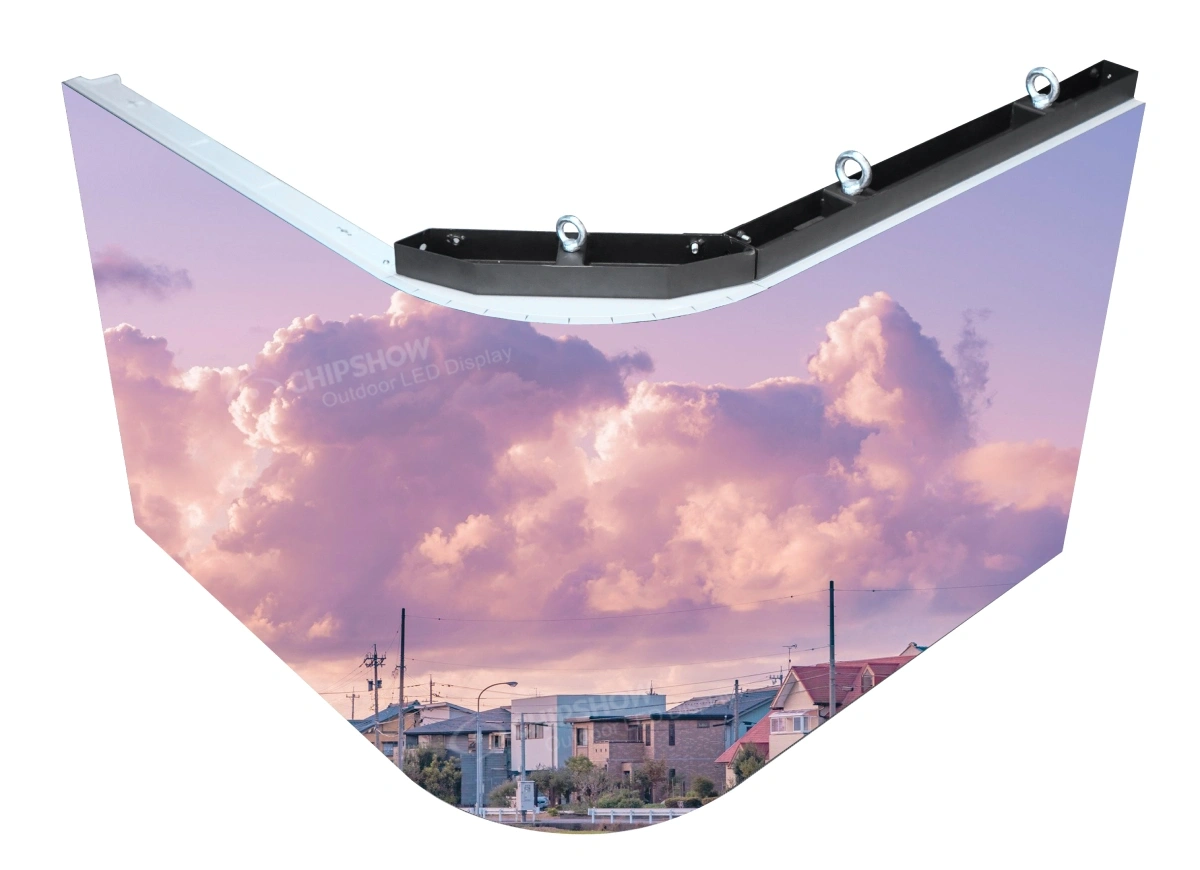
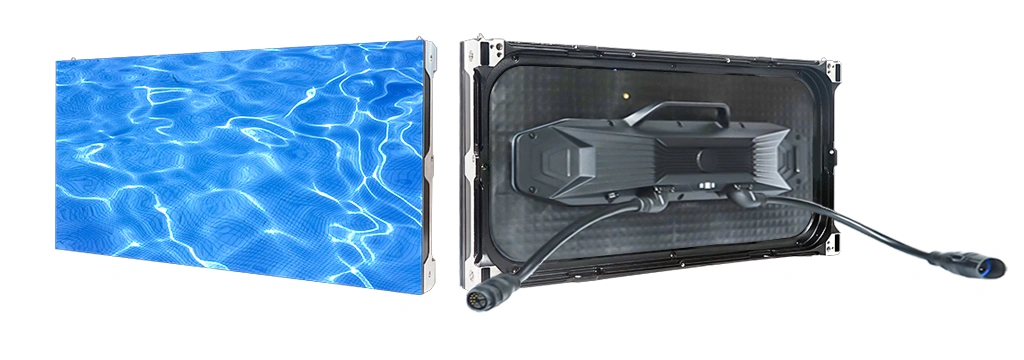
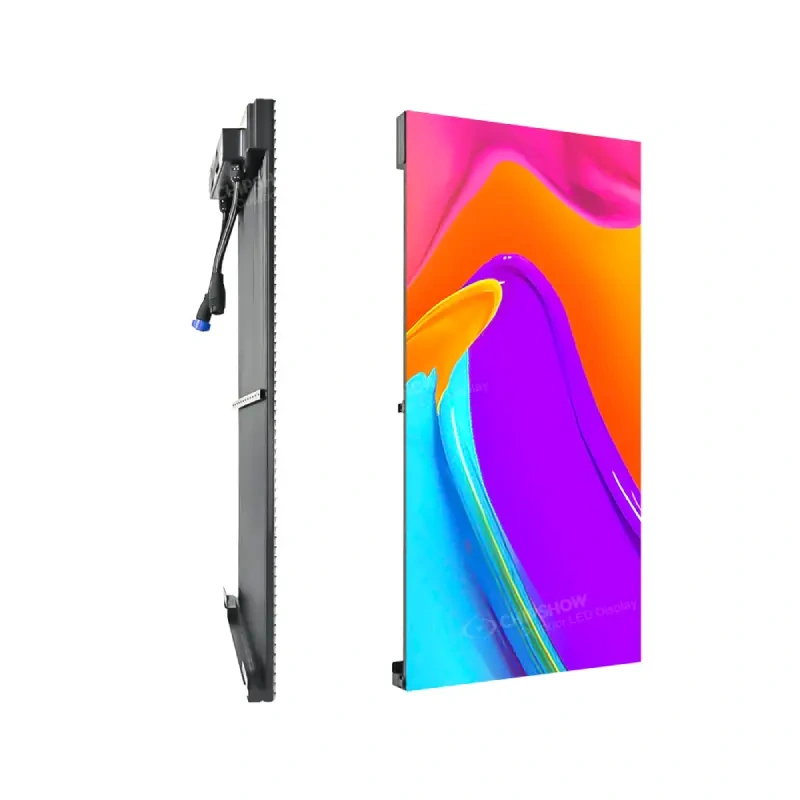
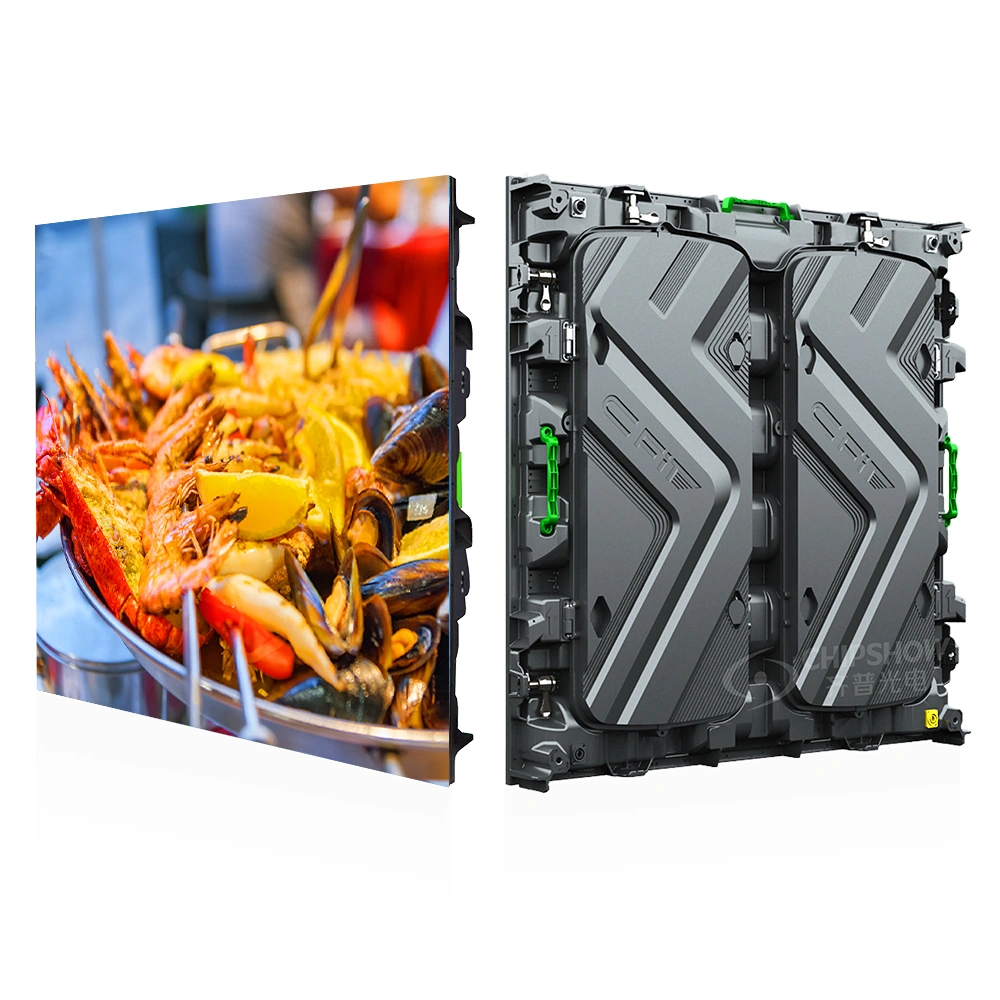
An outdoor LED display is built using modular cabinets designed for continuous operation under changing environmental conditions — including rain, UV exposure, wind loads, and temperature variation.
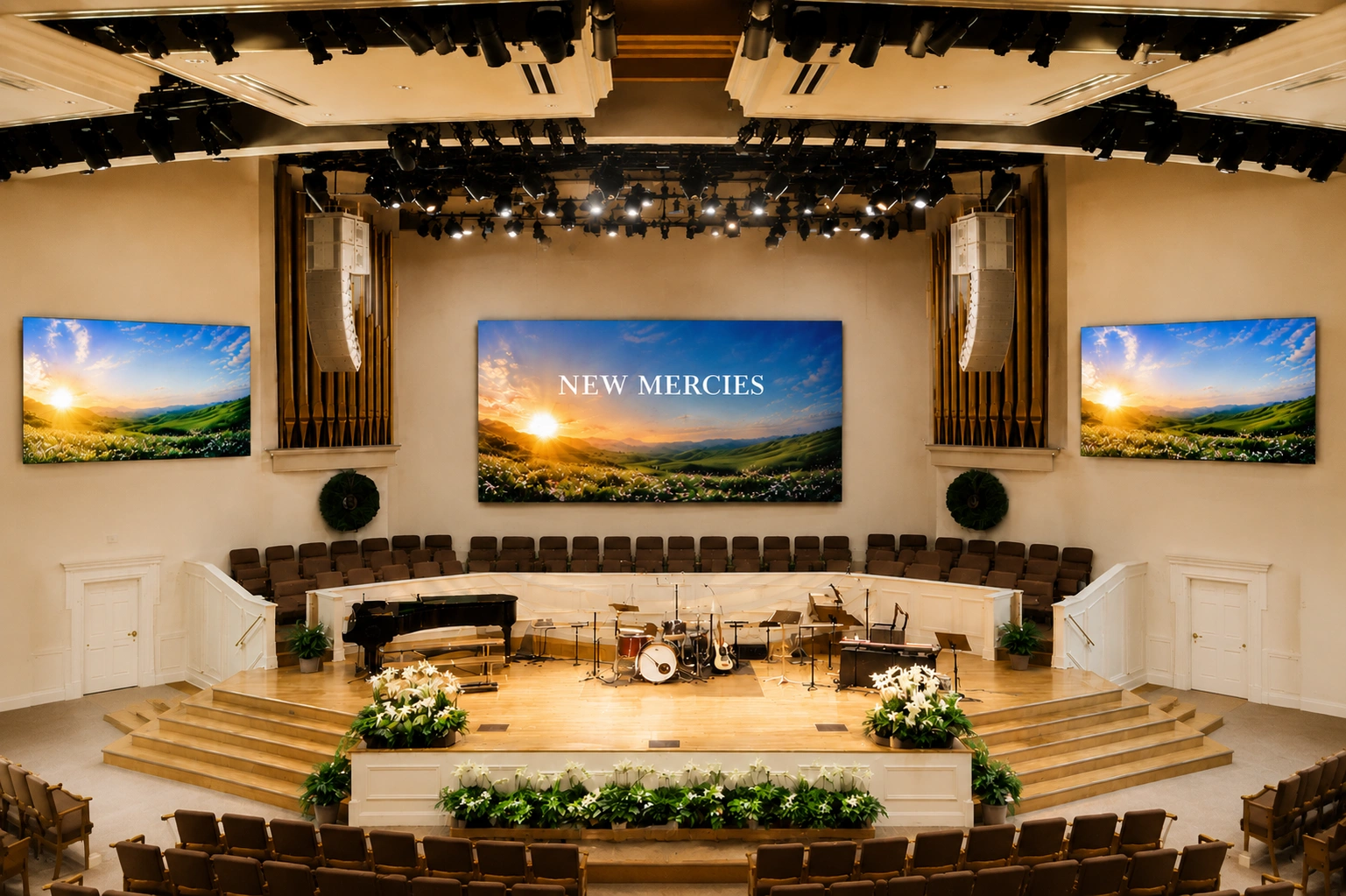
Common applications across Europe include:
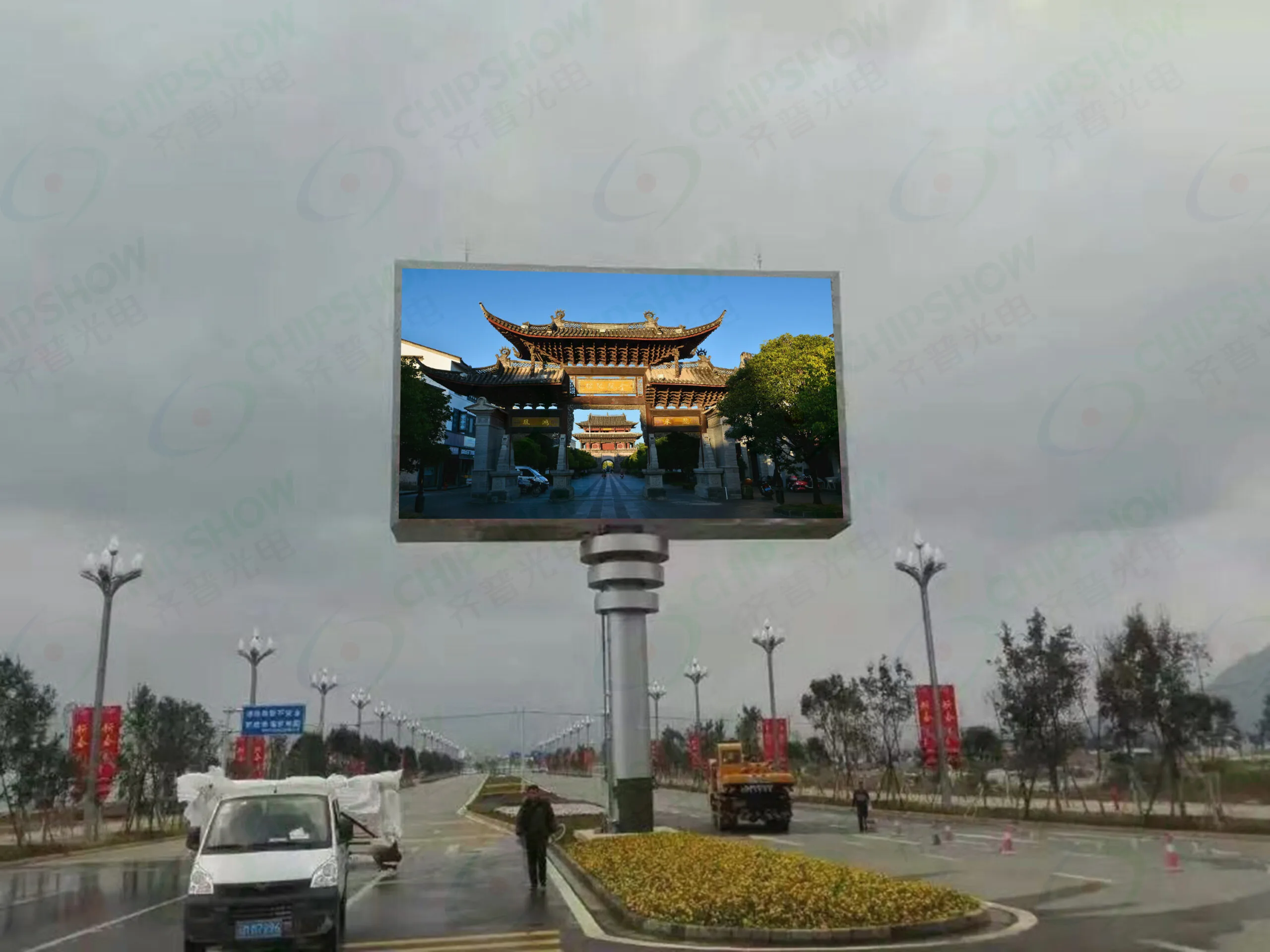
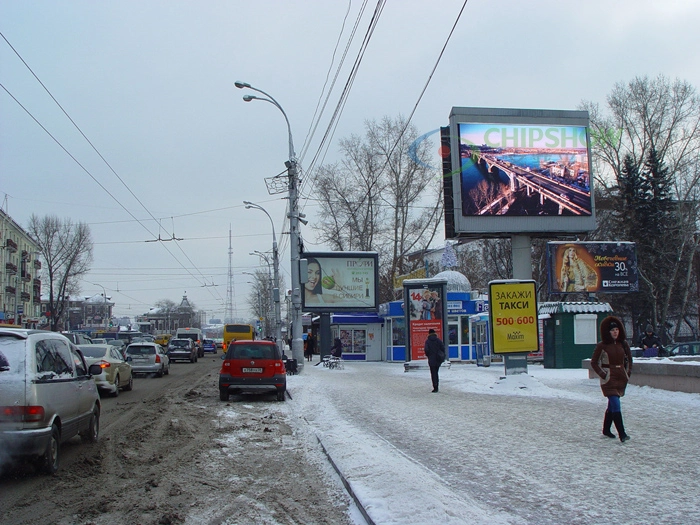
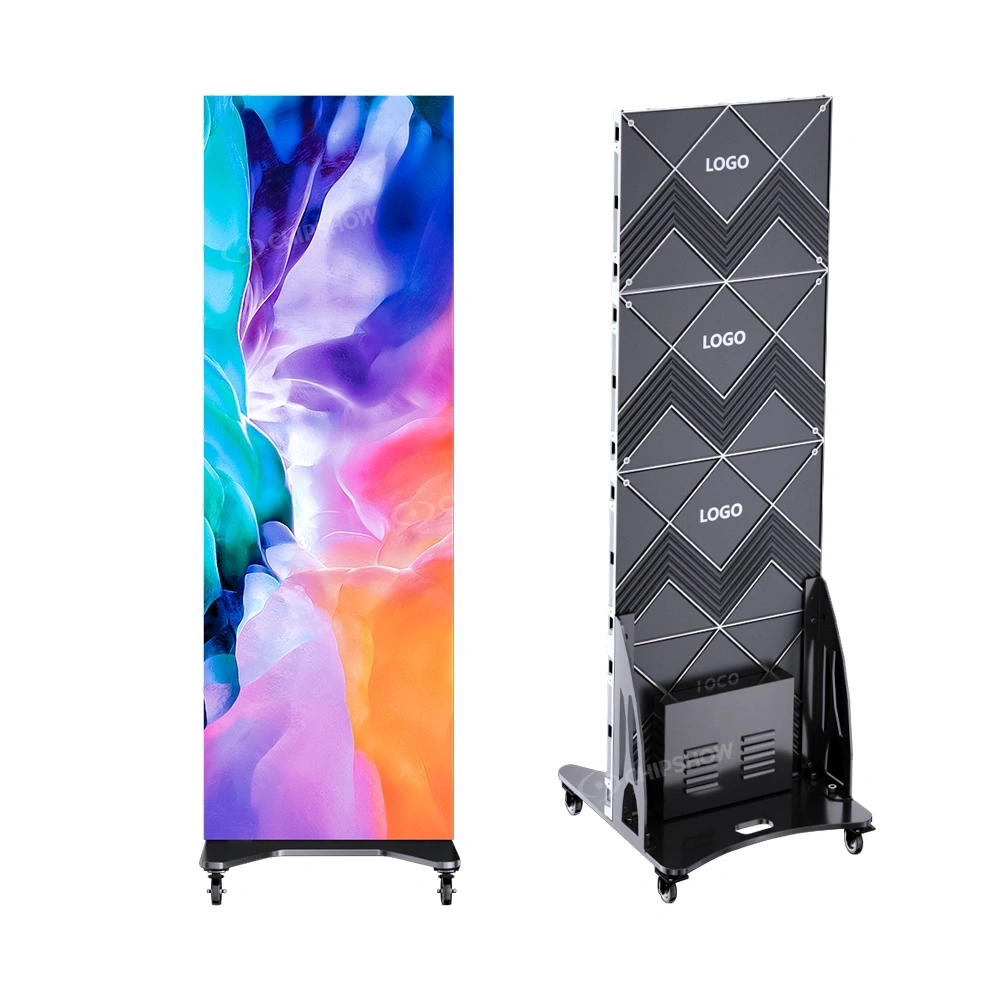
- Roadside and urban LED billboards
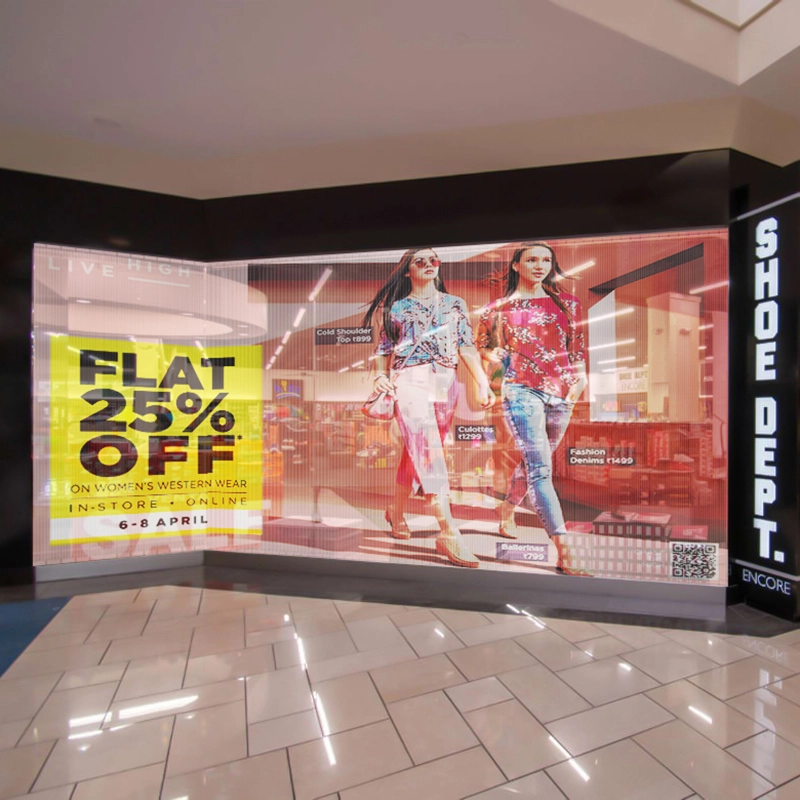
- Retail and high-street façades
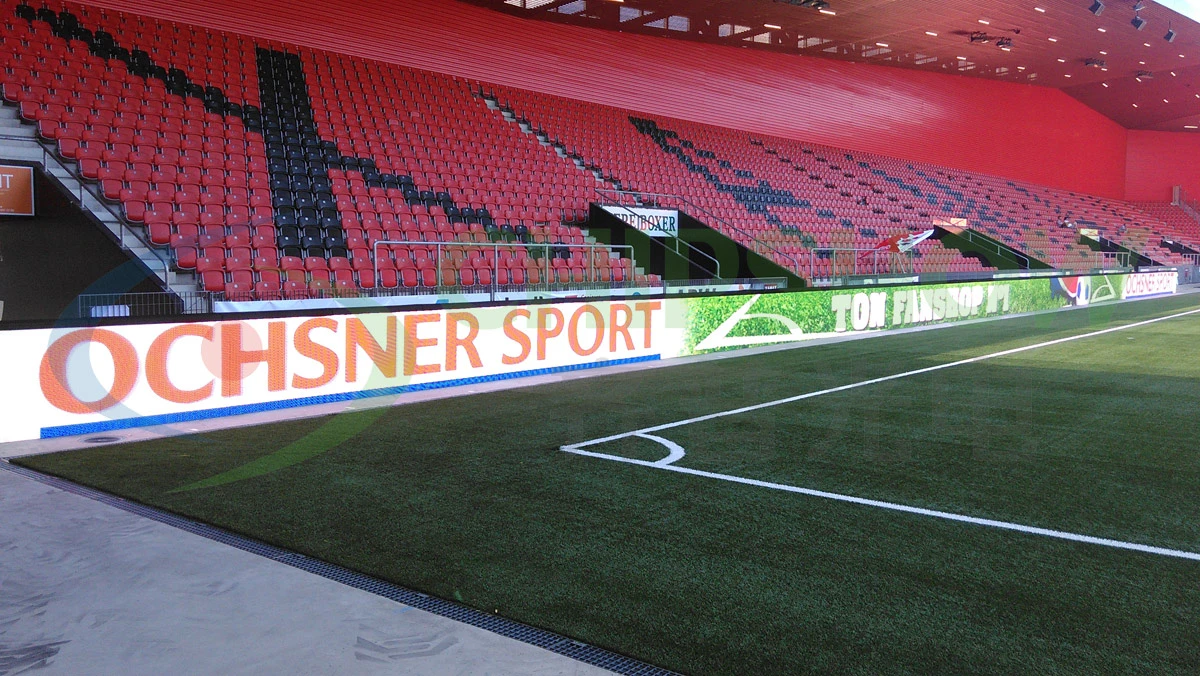
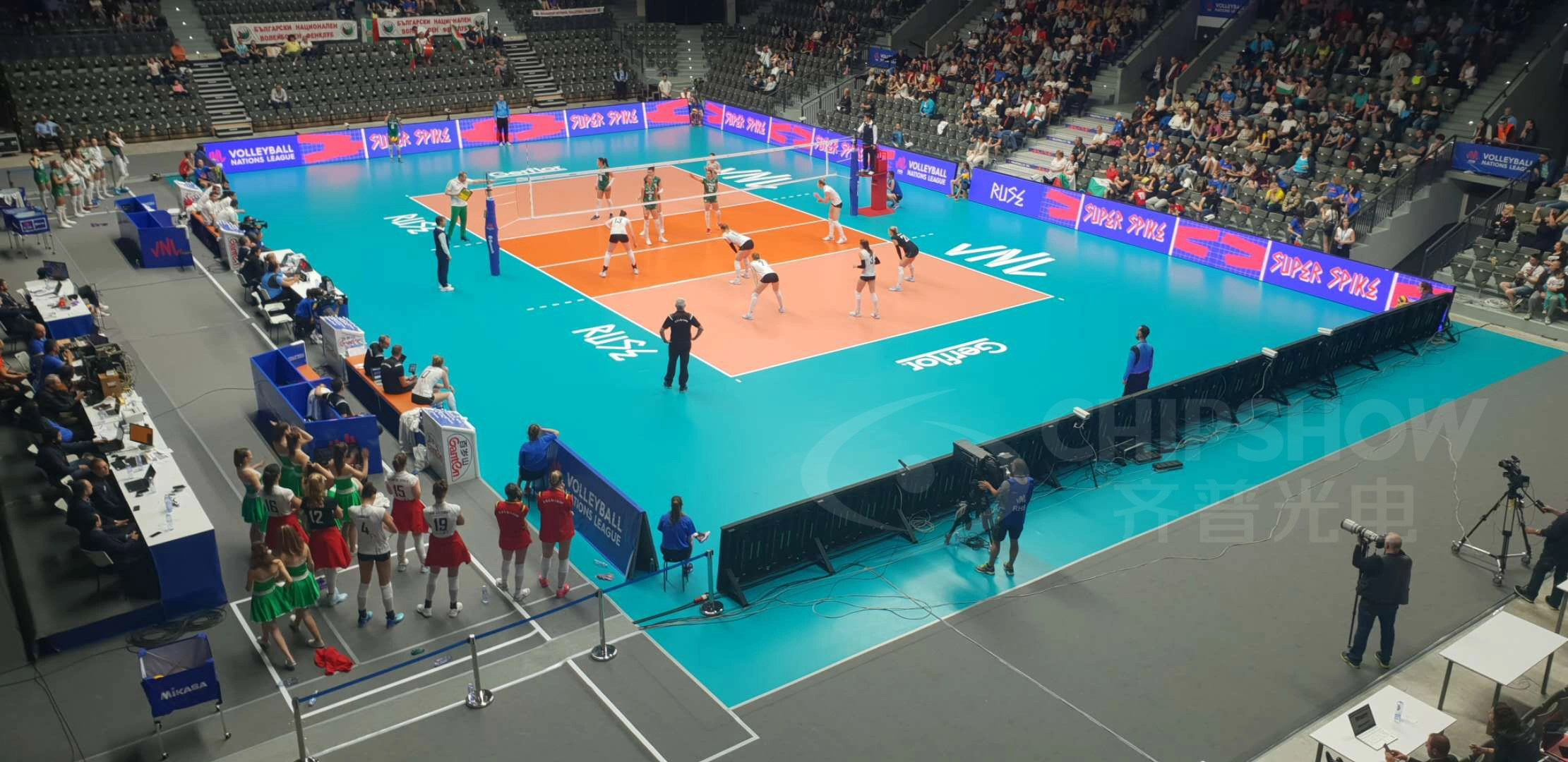
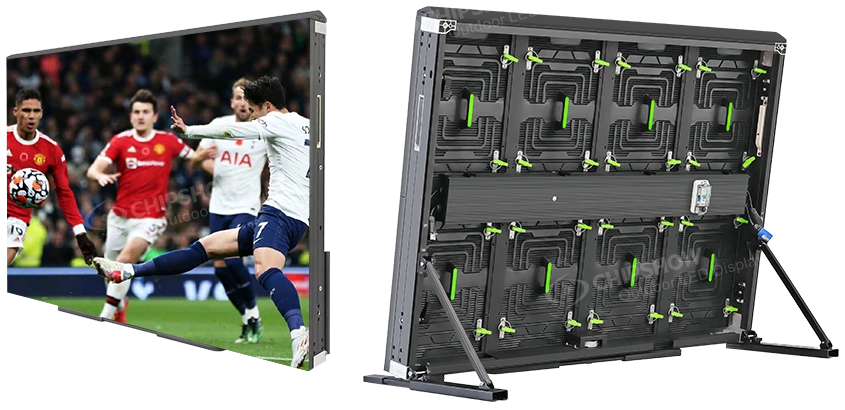
- Stadium and sports perimeter displays
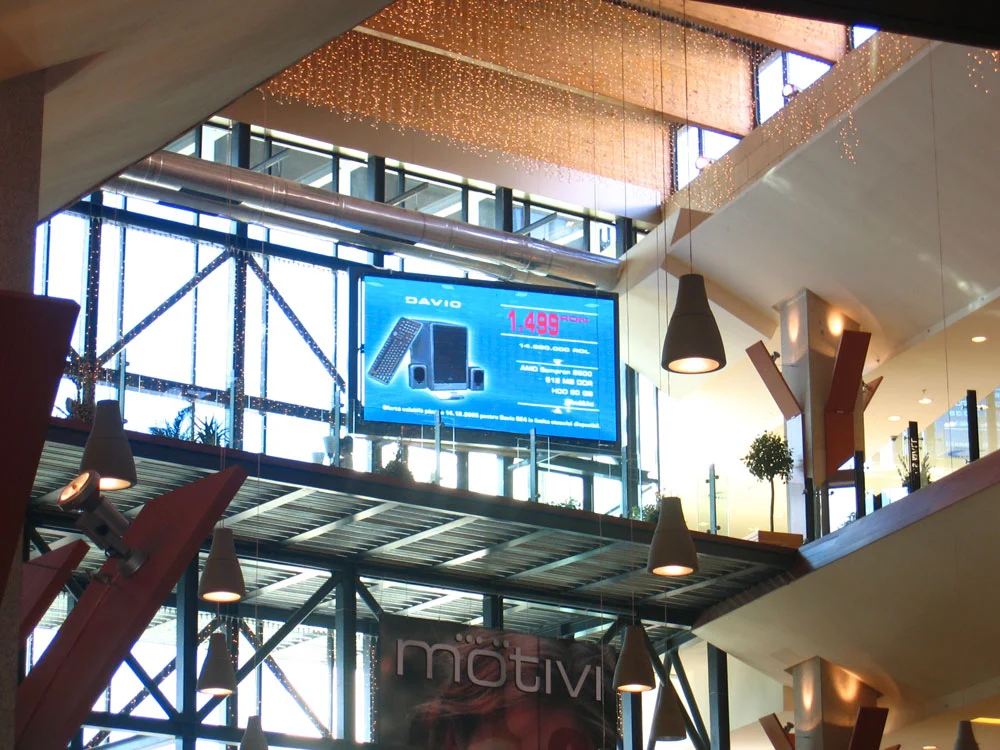
- Transport and public information systems
Each scenario may involve different regulatory and structural requirements.
Key Technical Considerations Before Installation
1. IP Rating & Environmental Exposure
For most European climates, IP65-rated outdoor LED displays are generally considered a baseline.
However, requirements may vary by location:
- Coastal regions (e.g., Netherlands, UK, Southern Europe coastlines): higher corrosion risk
- High rainfall zones: increased sealing requirements
- Industrial areas: dust and pollution exposure
In these cases, higher protection levels (such as IP66) may be considered depending on project conditions.
2. Energy Efficiency & Ecodesign Alignment
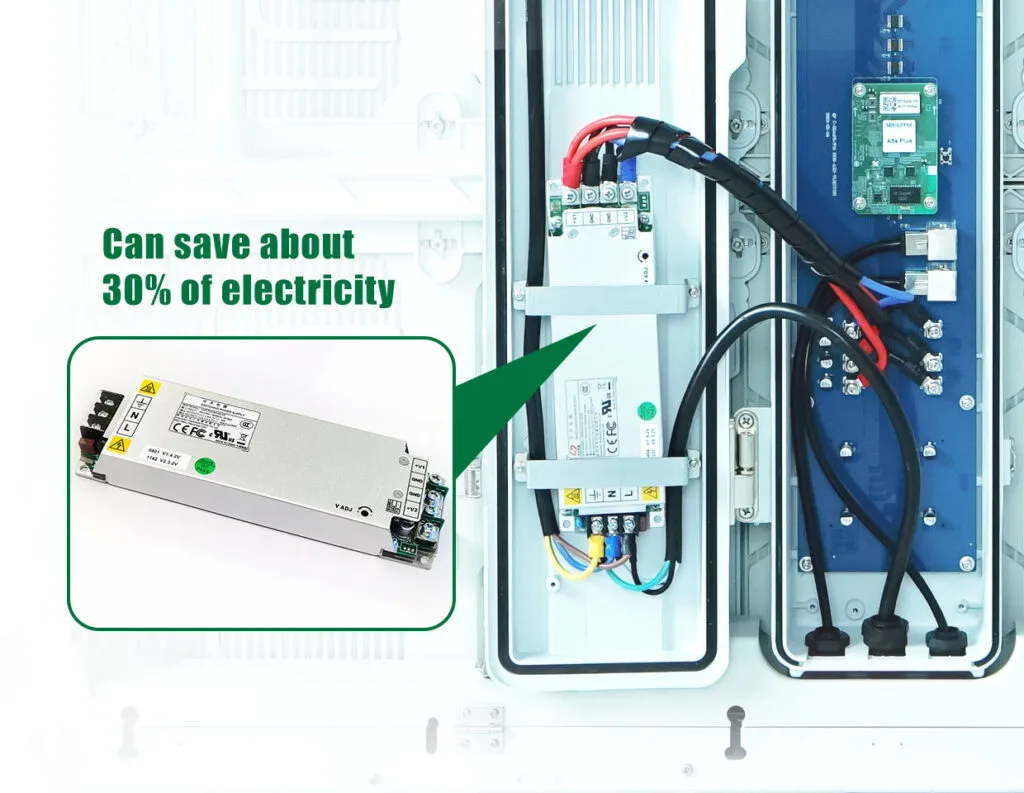
Energy consumption is a key consideration in Europe due to electricity costs and regulatory frameworks.
Modern energy saving outdoor LED billboards often integrate:
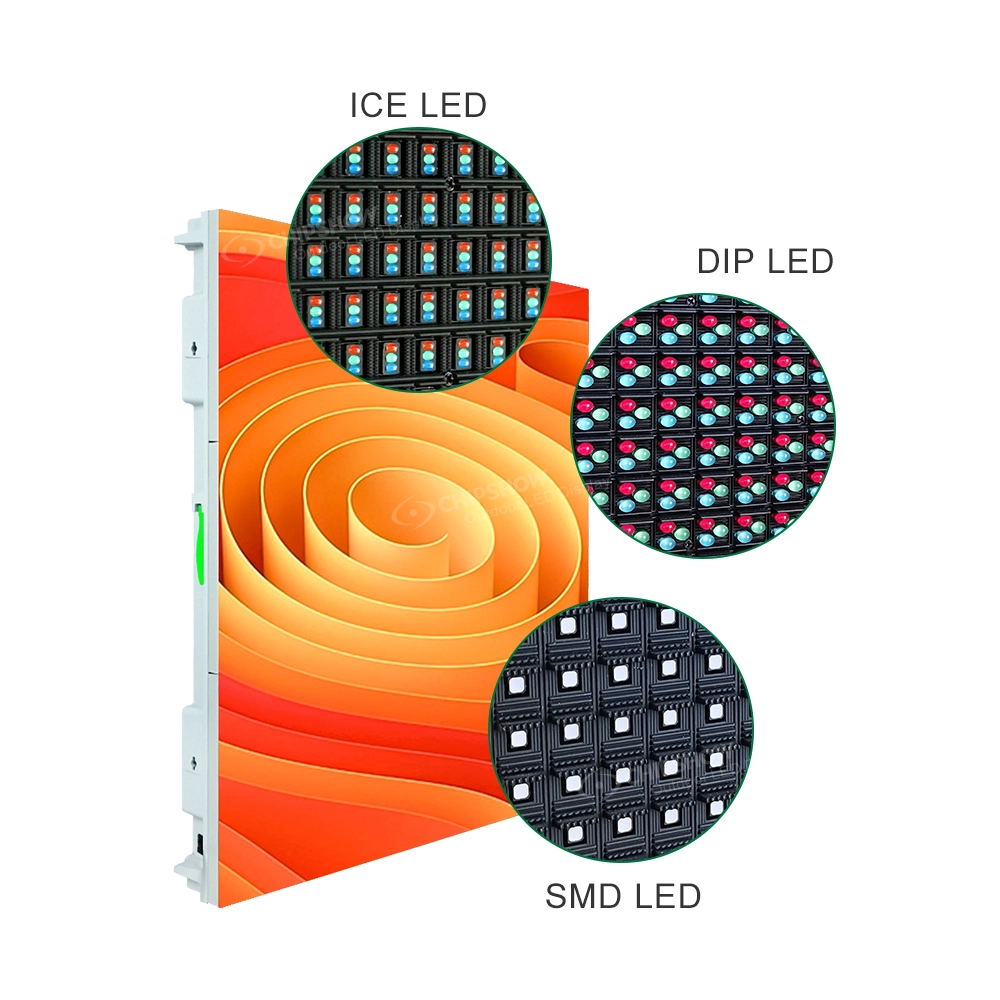
- Common Cathode technology
- Automatic brightness adjustment
- Scheduled operation modes
These features can support alignment with Ecodesign and Energy Labelling expectations, while helping operators manage long-term power consumption.
3. Lightweight Structure for Urban & Heritage Projects
Many European buildings — particularly in historic districts — have limited load-bearing capacity.
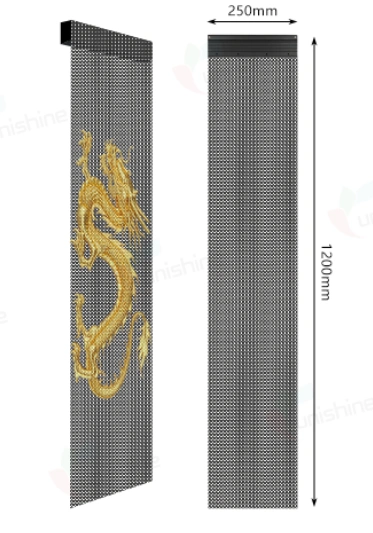
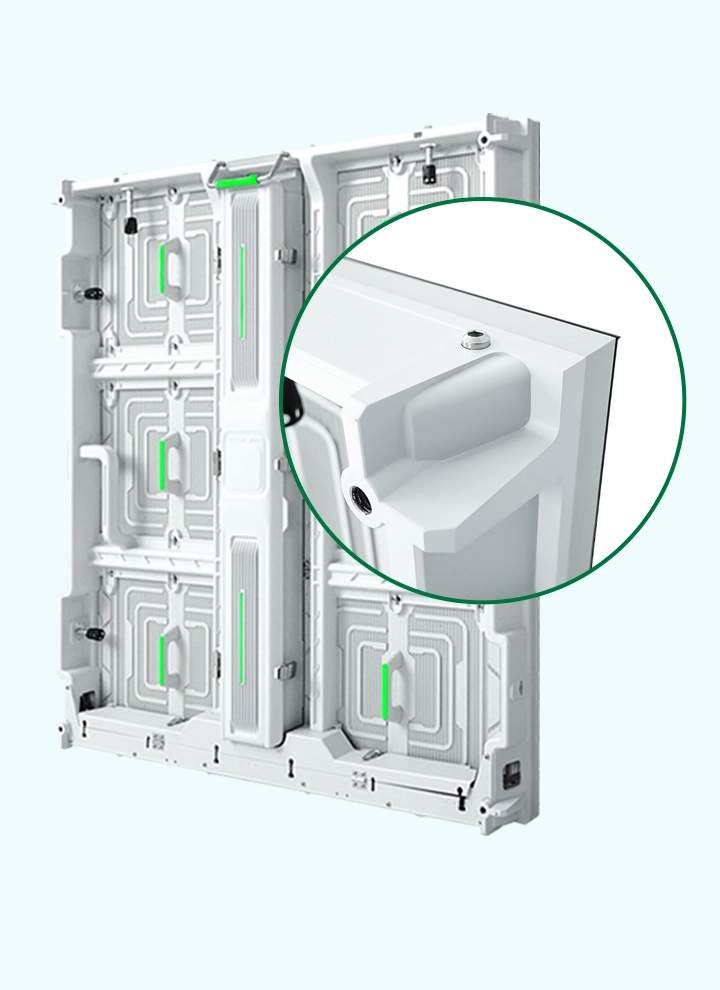
Using lightweight outdoor LED displays (e.g., magnesium alloy or carbon fibre structures) may help:
- Reduce structural reinforcement requirements
- Simplify permitting processes
- Shorten installation timelines
This is especially relevant for façade installations in older city centres.
4. Electrical Safety & Surge Protection
Outdoor installations in Europe must comply with electrical safety standards, including:
- CE-LVD (Low Voltage Directive)
- EMC Directive
In addition, surge protection devices (SPDs), grounding systems, and shielded cabling are typically required to address lightning and grid fluctuations.
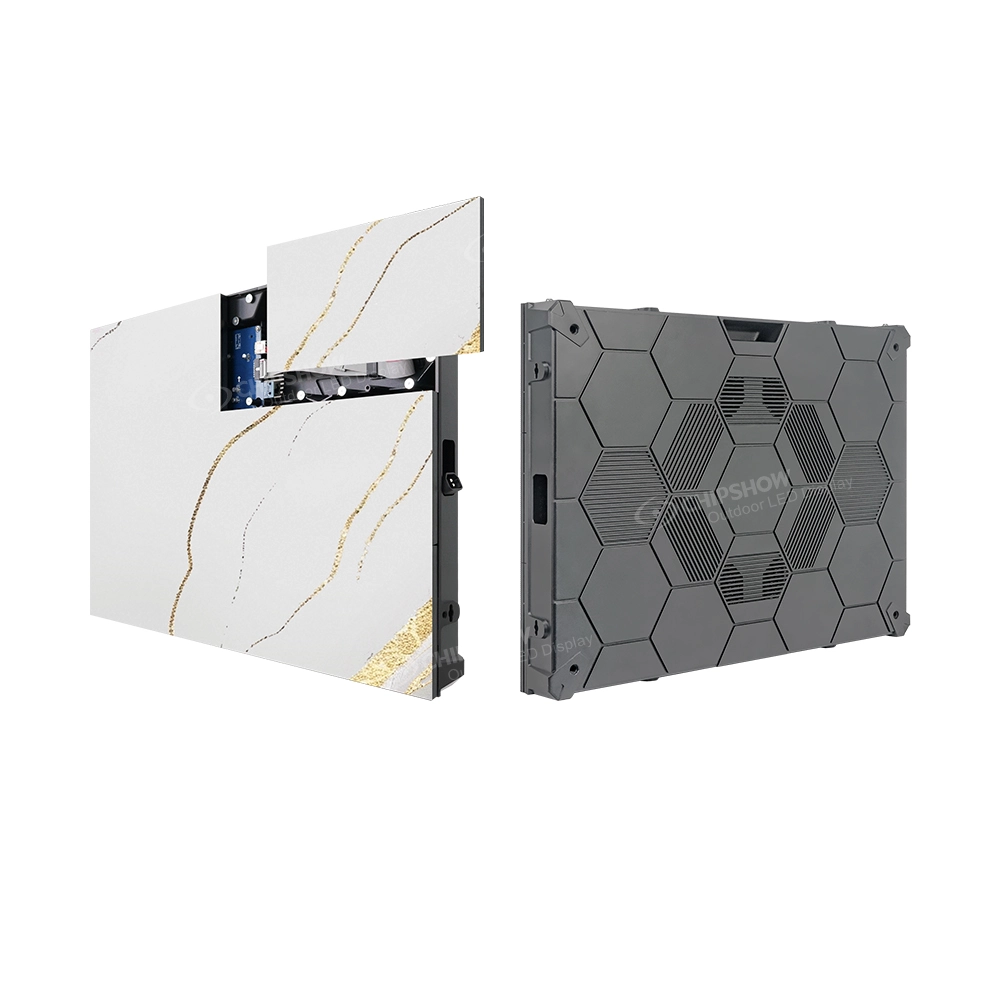
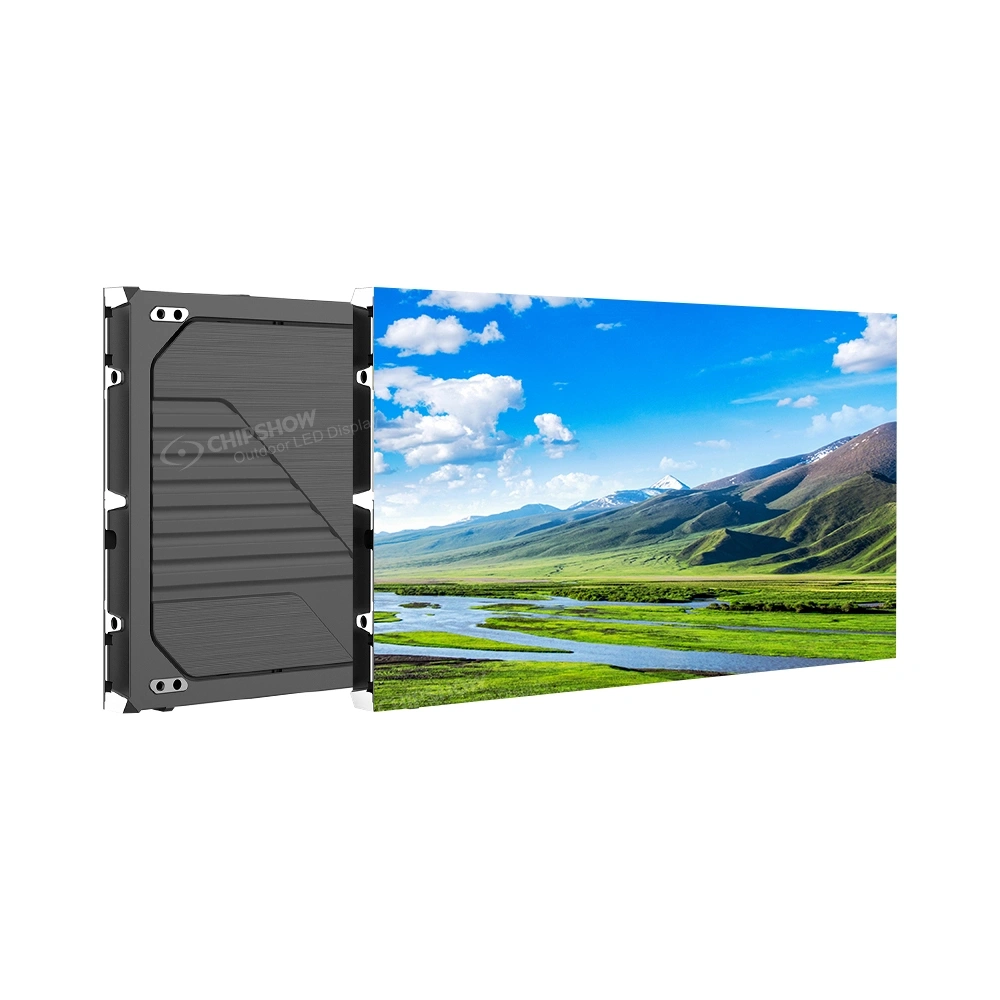
5. Front-Service Design in Space-Constrained Locations
In dense urban environments, rear maintenance access is often limited.
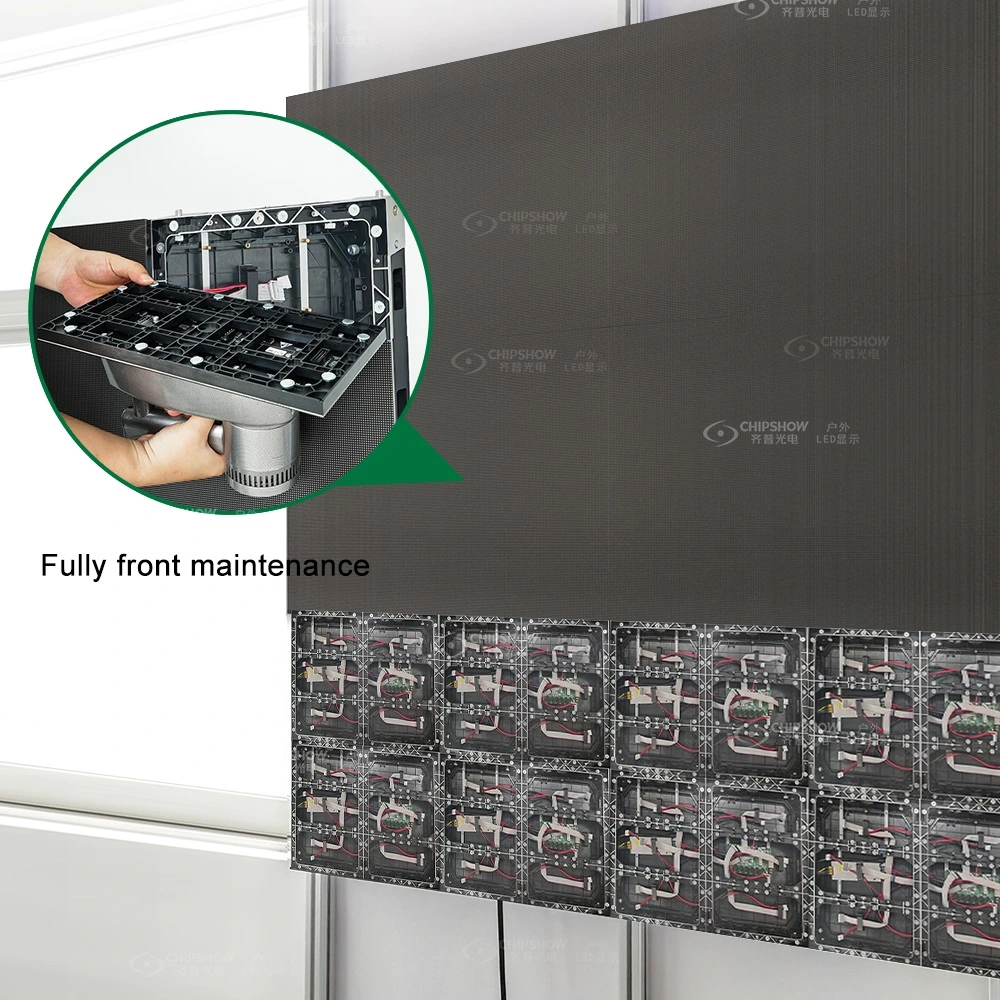
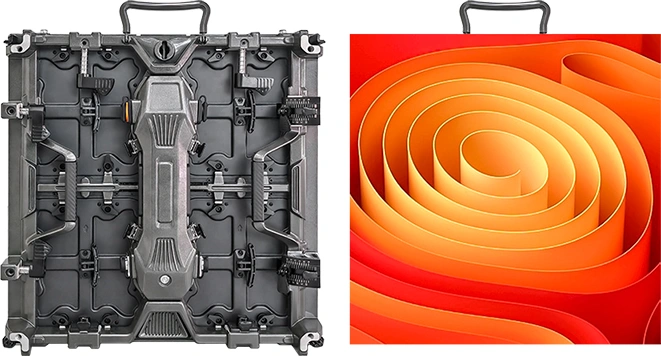
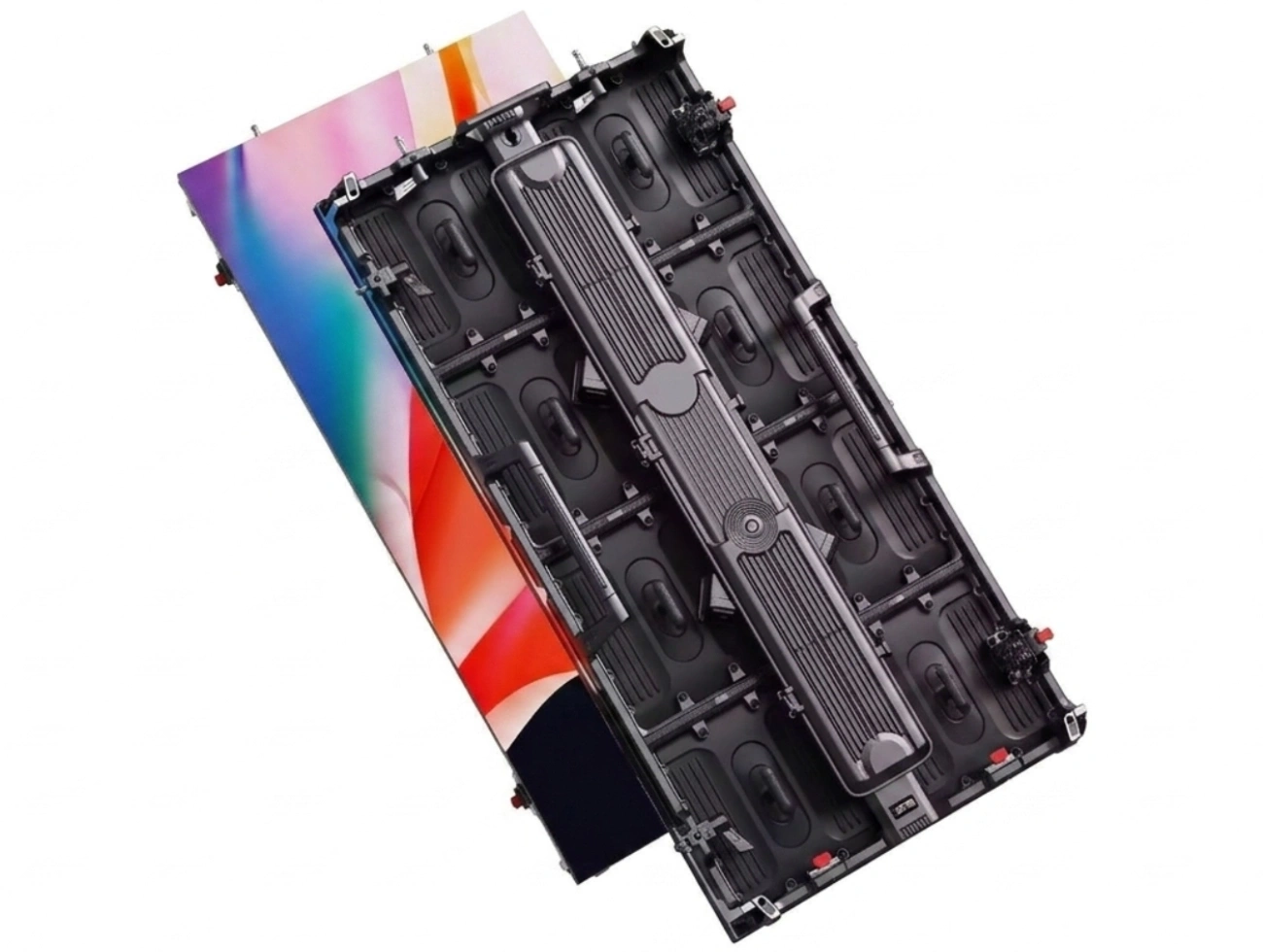
Front-service outdoor LED displays are commonly used in:
- Street-facing retail installations
- Wall-mounted façade projects
- Transport hubs
This design allows module replacement and servicing without rear clearance or extensive scaffolding.
Installation Workflow for European Projects
Step 1: Site Survey & Regulatory Review
Assess structural load, wind conditions, power availability, and local building regulations.
Projects involving heritage buildings may require additional approvals.
Step 2: Structural Preparation
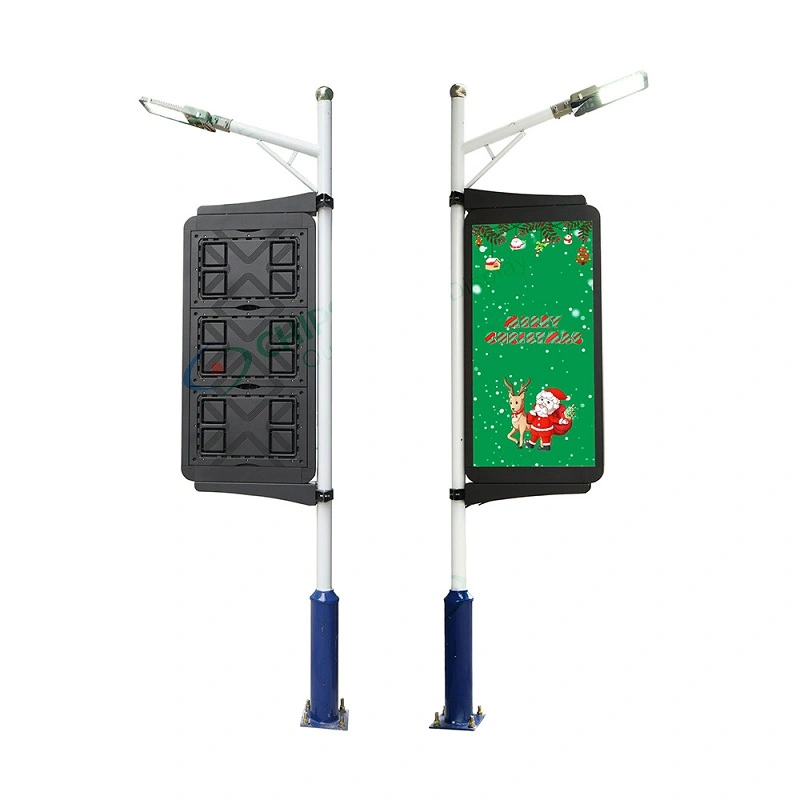
Select mounting methods (wall, pole, rooftop) based on site conditions.
Lightweight cabinet structures can help reduce reinforcement requirements.
Step 3: Electrical Setup
Install compliant power systems, including grounding and surge protection.
Ensure alignment with CE-related directives and local electrical codes.
Step 4: Cabinet Installation
Install cabinets progressively with proper alignment tools.
Front-service systems can simplify installation in restricted environments.
Step 5: Control System Integration
Configure controllers and data connections using weather-protected enclosures.
Verify signal stability across all modules.
Step 6: Testing & Calibration
Perform colour calibration, brightness adjustment, and system checks.
Verify energy performance aligns with project requirements.
Step 7: Final Sealing & Handover
Seal all cable entry points and conduct final inspection.
Plan routine maintenance intervals (typically every 6–12 months depending on usage).