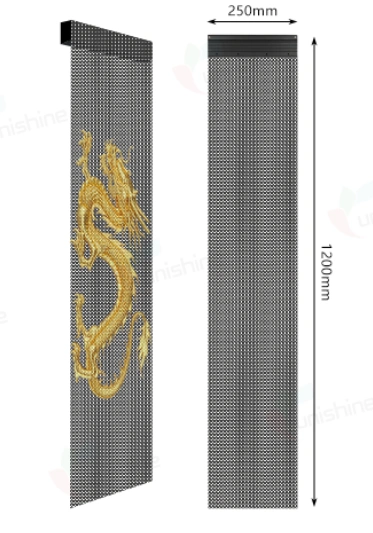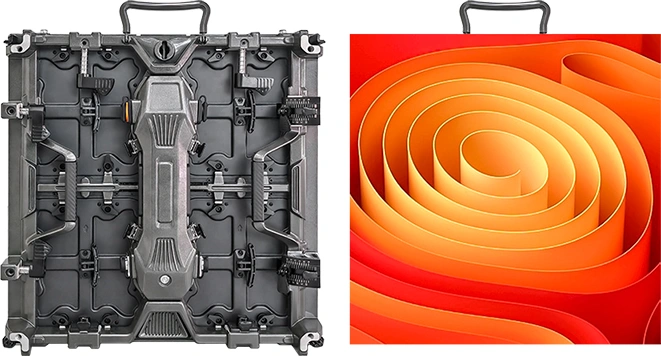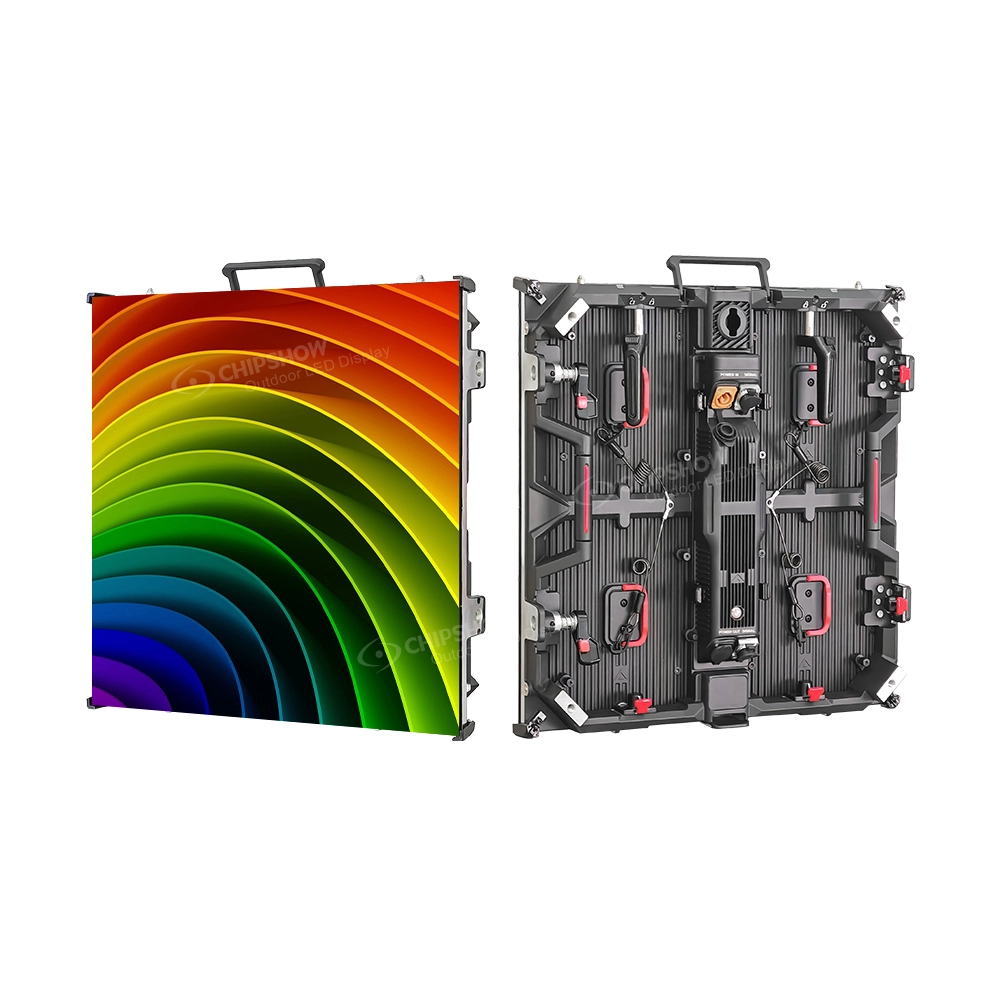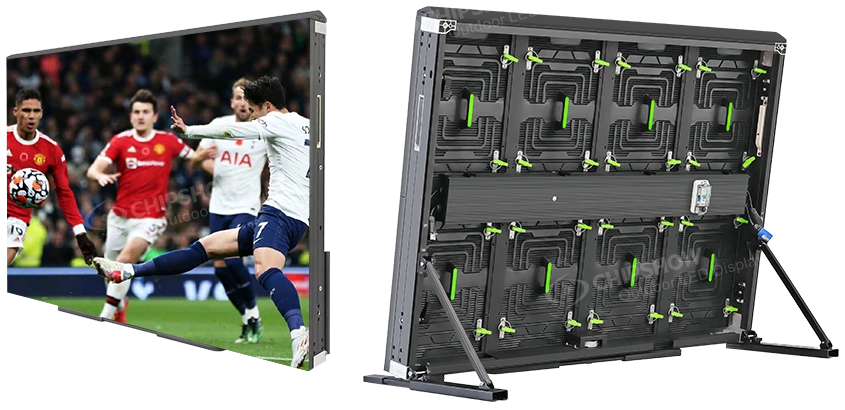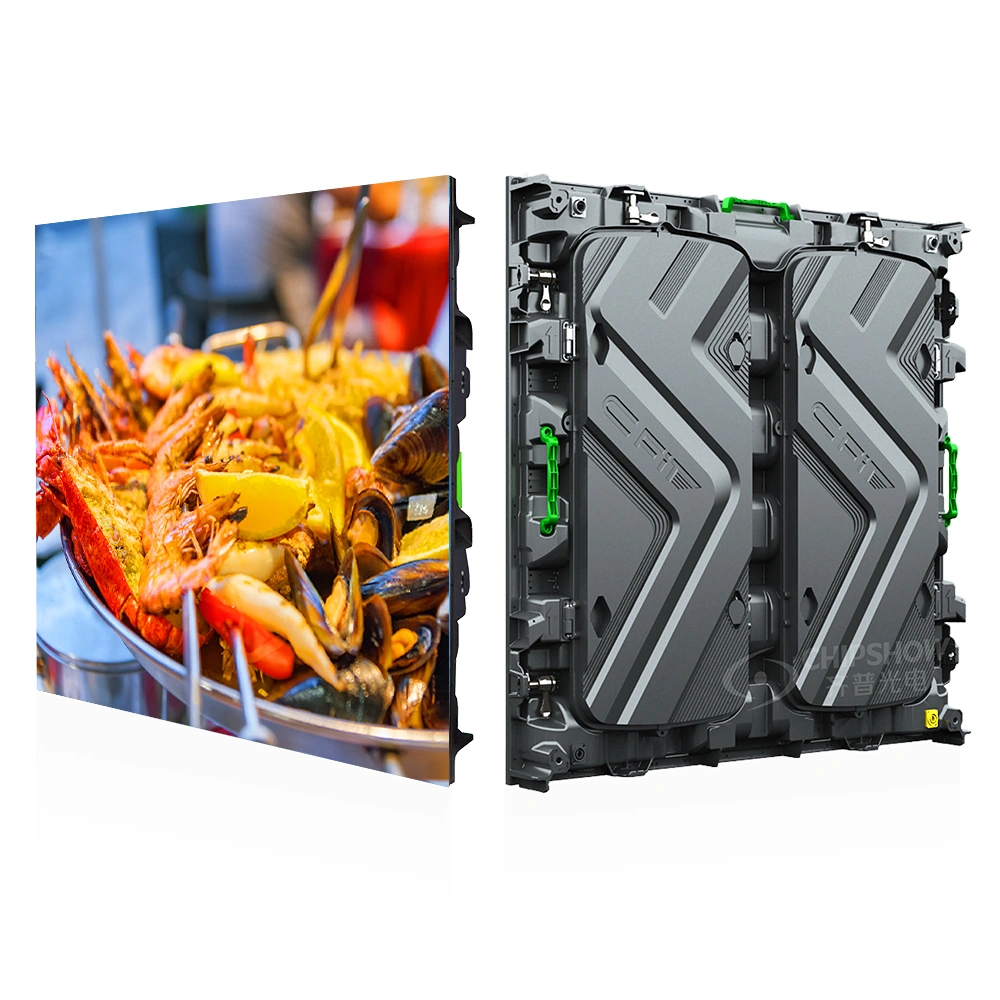
Comparing the European outdoor LED display market for a 2026 project? Five useful buying priorities are 3D viewing geometry, service access, installed load, weather exposure and measured energy use. This is a qualitative project guide, with no market-size or growth forecast. A city-centre façade, roadside billboard and temporary event need different briefs; the checks below turn those differences into supplier questions.
Naked-Eye 3D Outdoor LED Displays Are Transforming Brand Visibility
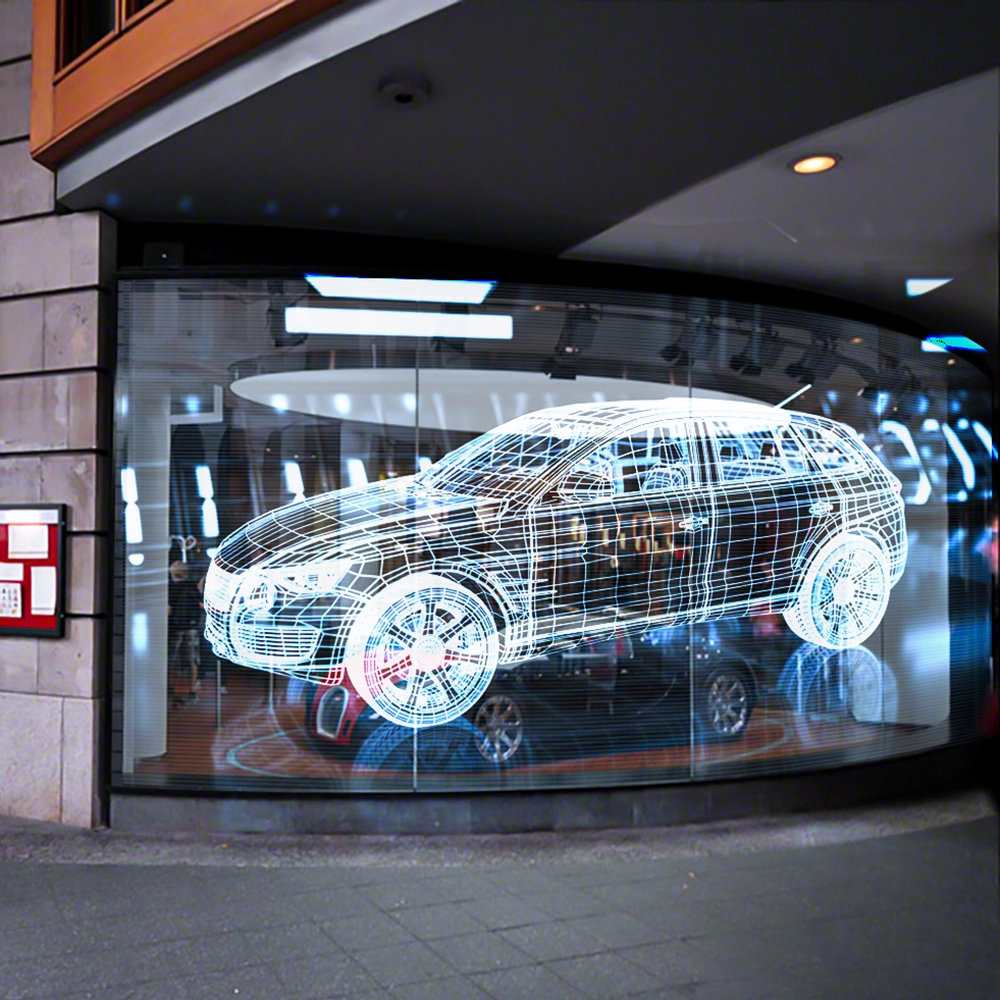
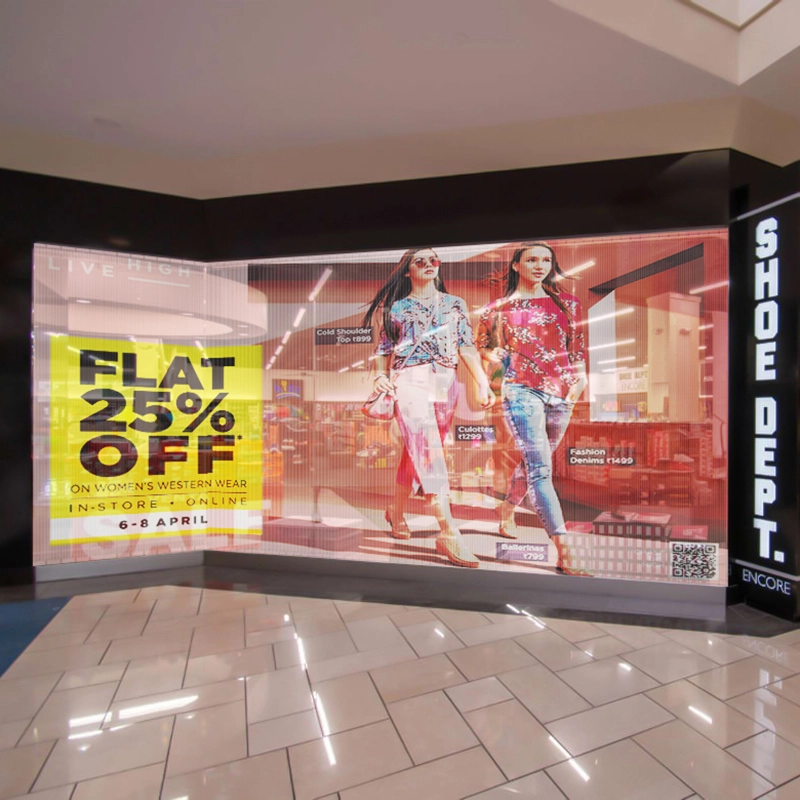
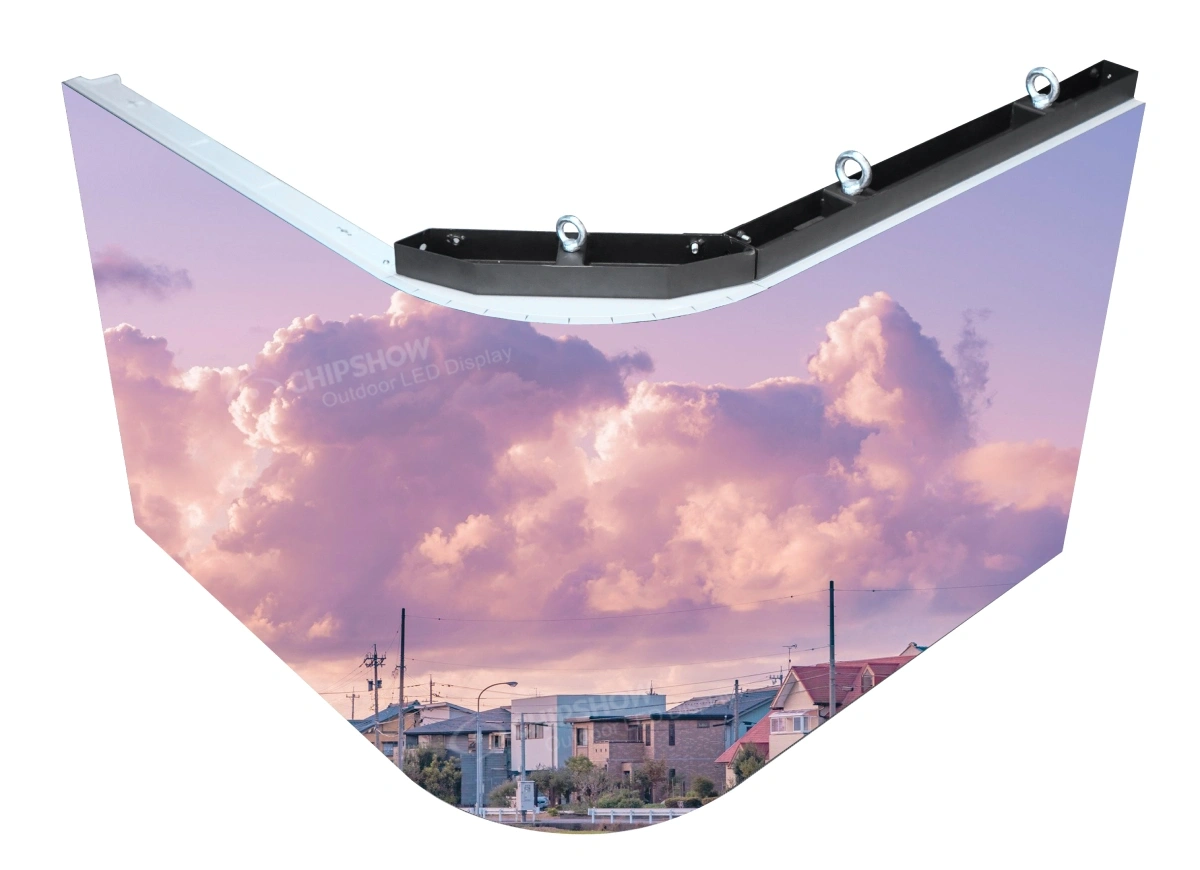
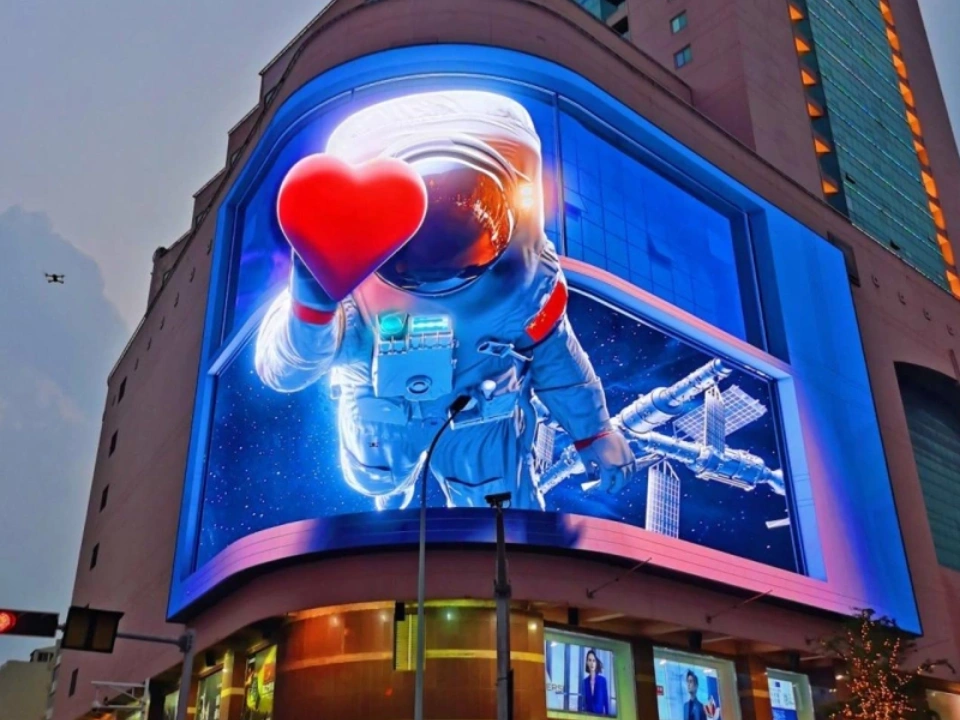
Considering a curved or L-shaped outdoor LED screen for a flagship shop or landmark façade? Start with the intended viewing position and a content preview matched to the proposed screen. Judge the visual effect from that position before approving the hardware and campaign.
Why European Brands Are Investing?
A 3D outdoor LED display can be evaluated as a creative format for a high-street campaign. Define how you will assess attention, visits or enquiries against the campaign goal; a striking visual does not establish higher foot traffic or a financial return by itself.
Where Naked-Eye 3D Works Best?
The illusion is built for a particular perspective. On a corner building, set the main pedestrian or traffic viewing zone first, then coordinate the screen geometry and content canvas around that position. Review a preview from the planned viewing zone and its edges before approving the final animation.
Key Considerations for European Projects
- The 3D effect works best when viewers approach from predictable angles (e.g., street corners or plaza-facing facades).
- Review alignment, pixel layout and content detail against the intended viewing position.
- Content must be custom-produced for the 3D format.
Use Front Access When Rear Service Space Is Limited
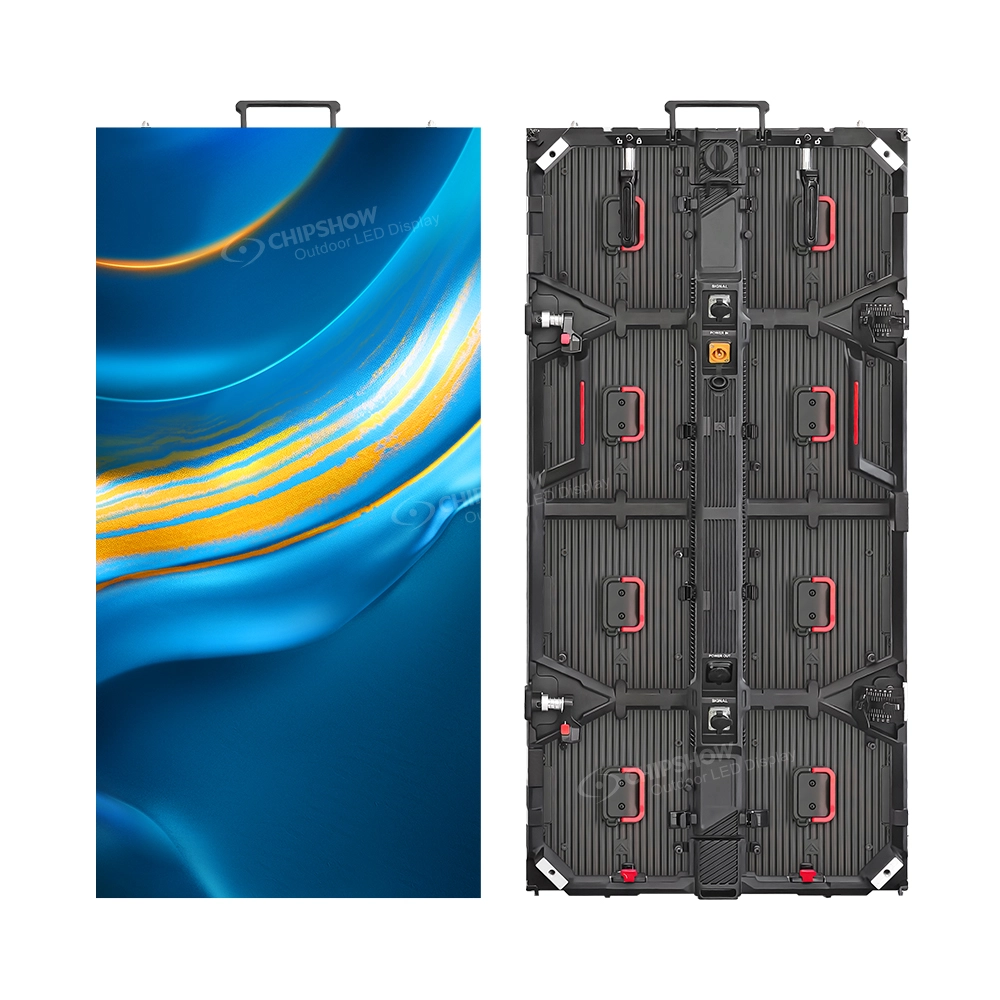
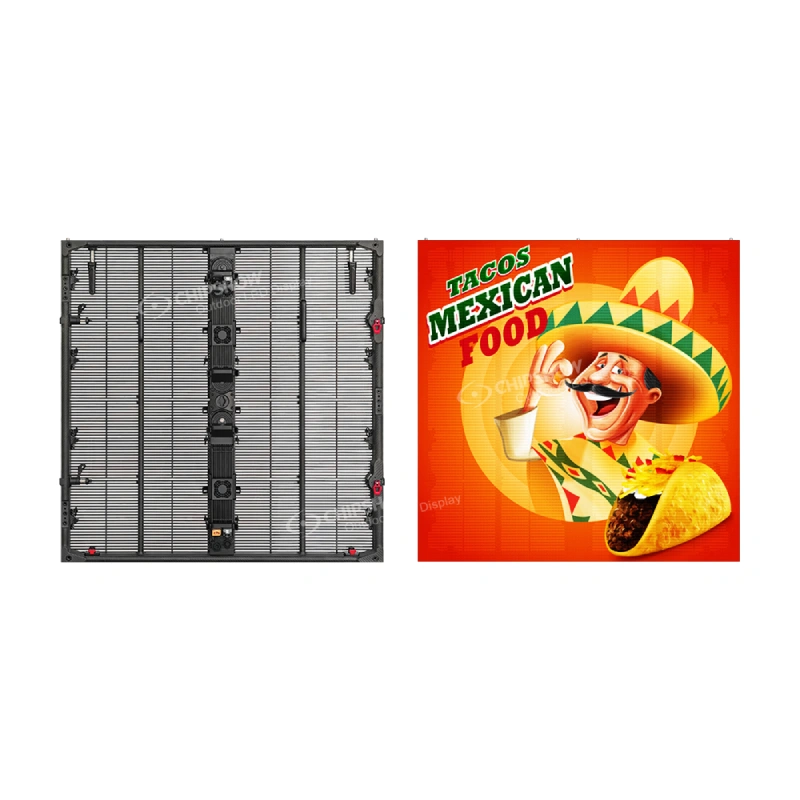
In Europe’s crowded cities and historic buildings, rear access is often impossible or extremely expensive. A screen mounted directly against a wall may have no room for a rear service corridor, while creating one takes usable space from the building. This is exactly where front access adds value.
How It Works in Practice
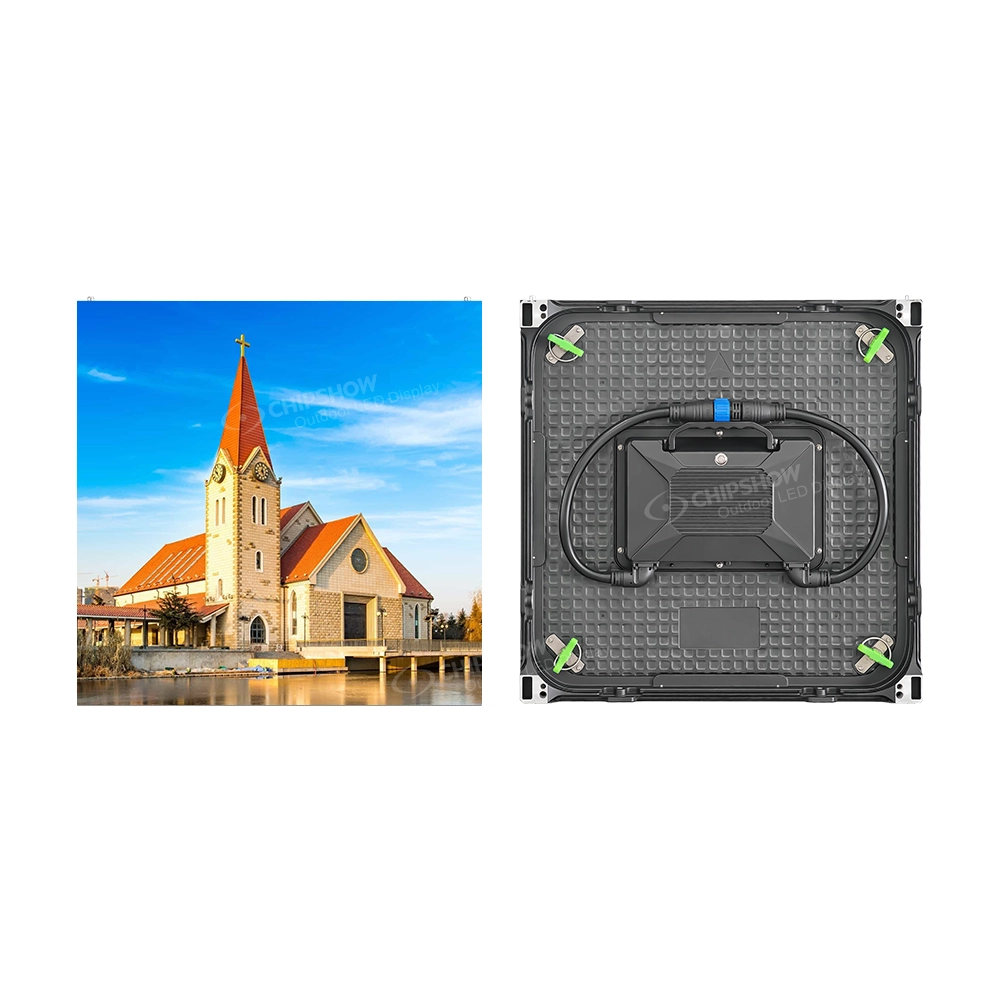
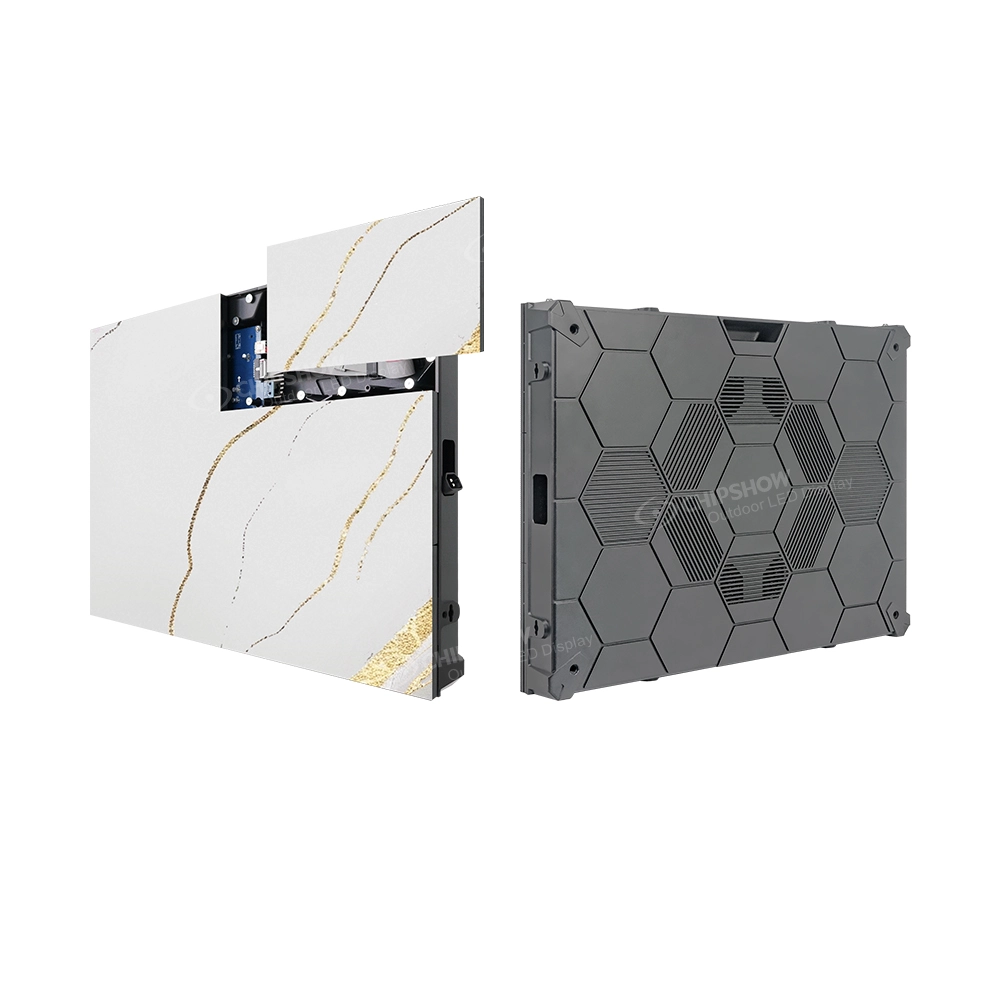
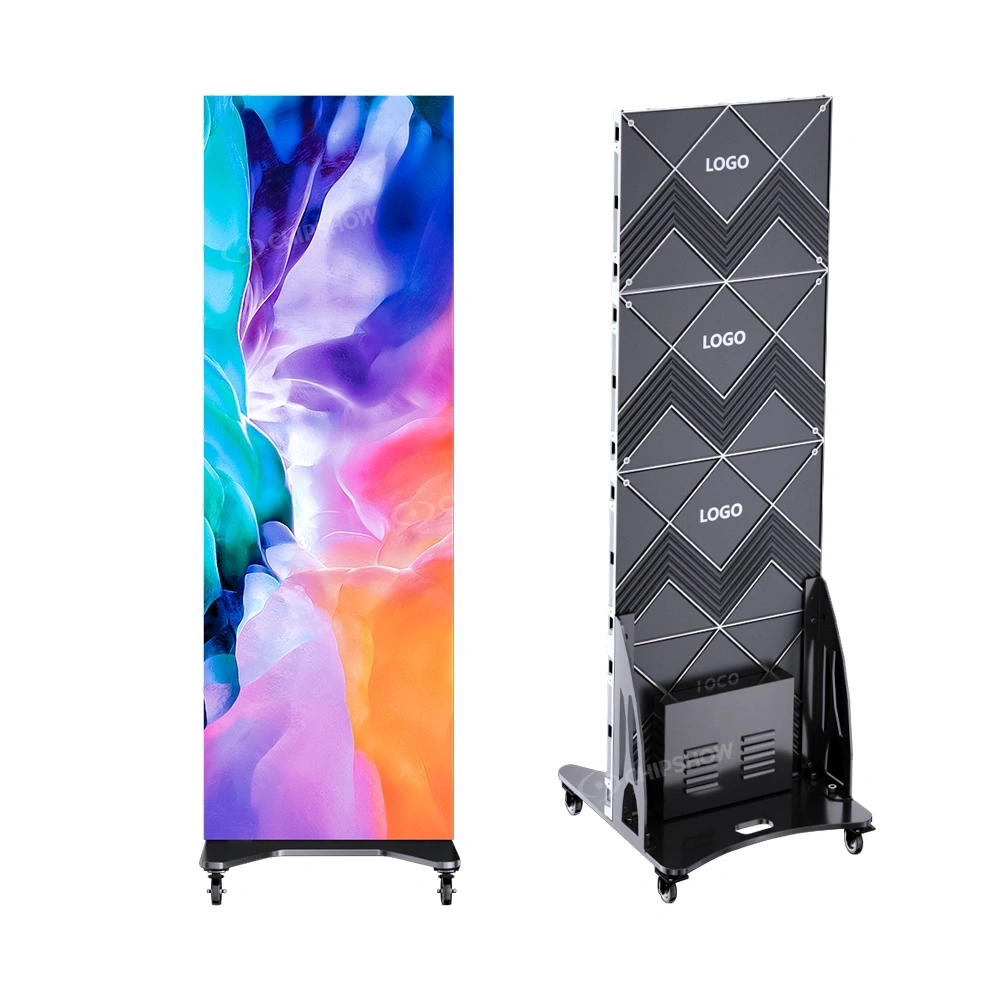
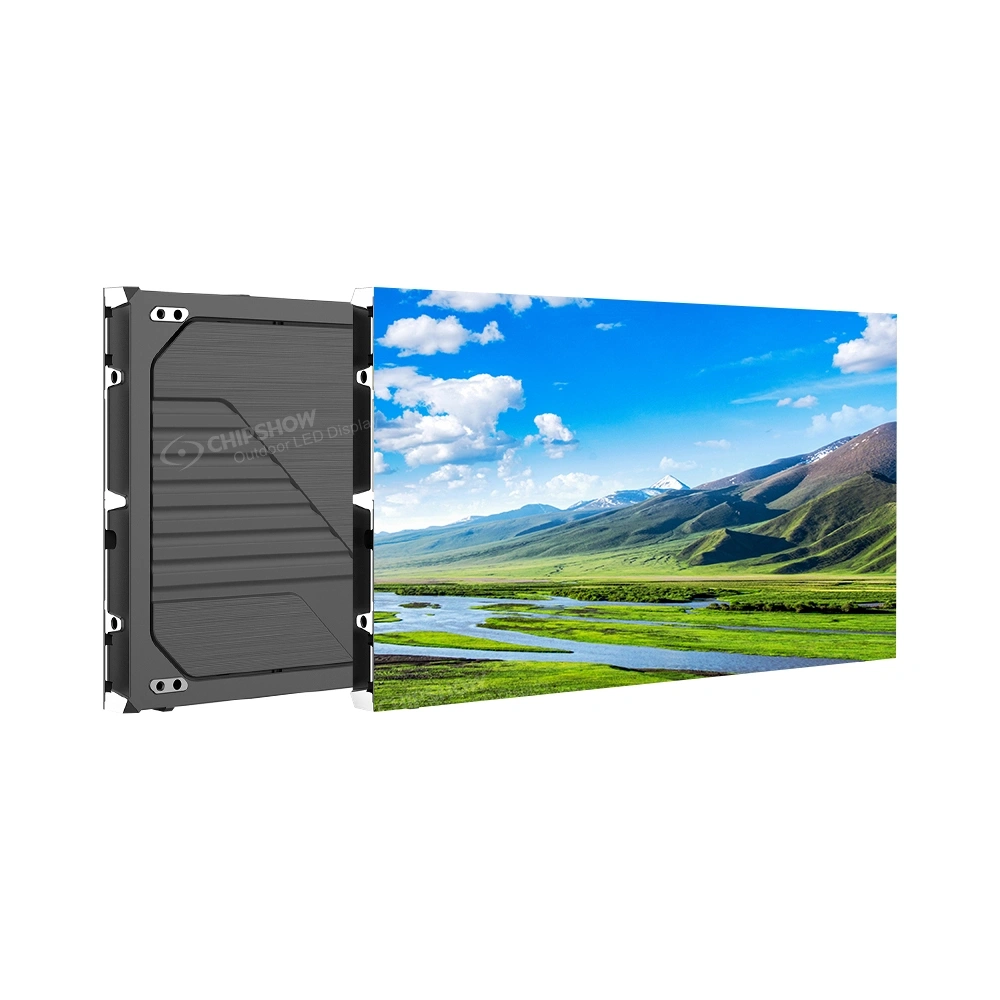
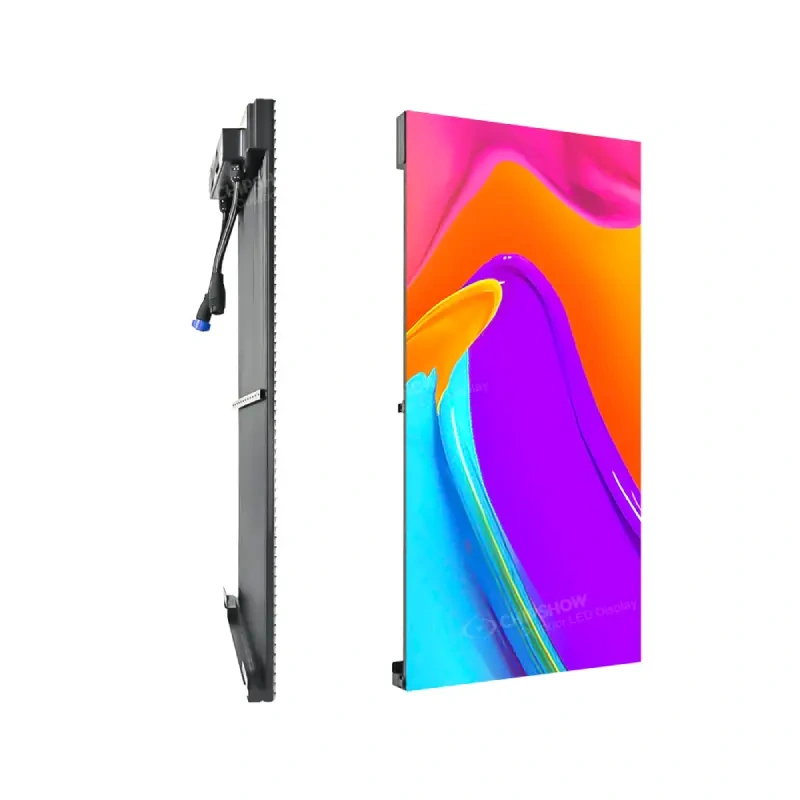
Choose front access when there is no usable rear service corridor. Confirm which modules, power supplies and receiving components can actually be removed from the viewing side, and what working platform or lifting access is needed. This can avoid reserving a permanent rear passage; the service time and labour budget still depend on the mounting height, component design and access plan.
Lightweight LED Display Technology Is Opening New Installation Opportunities
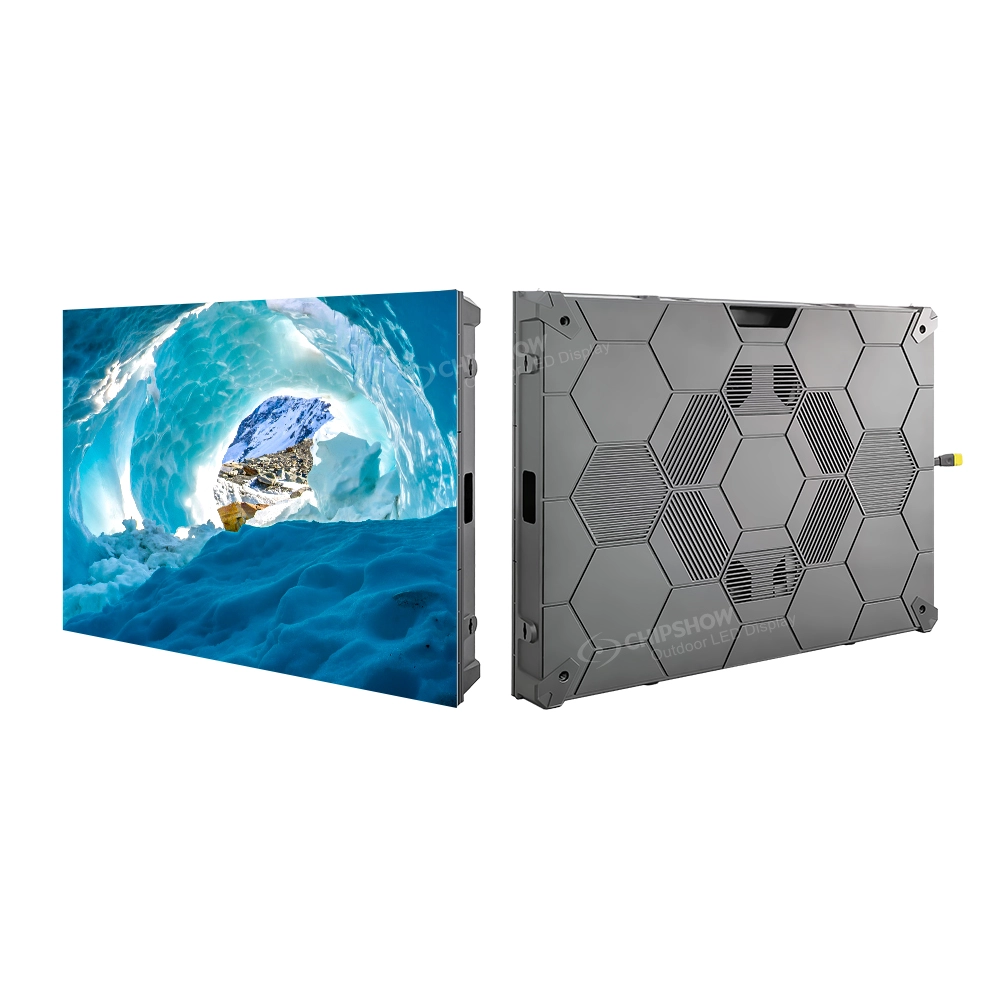
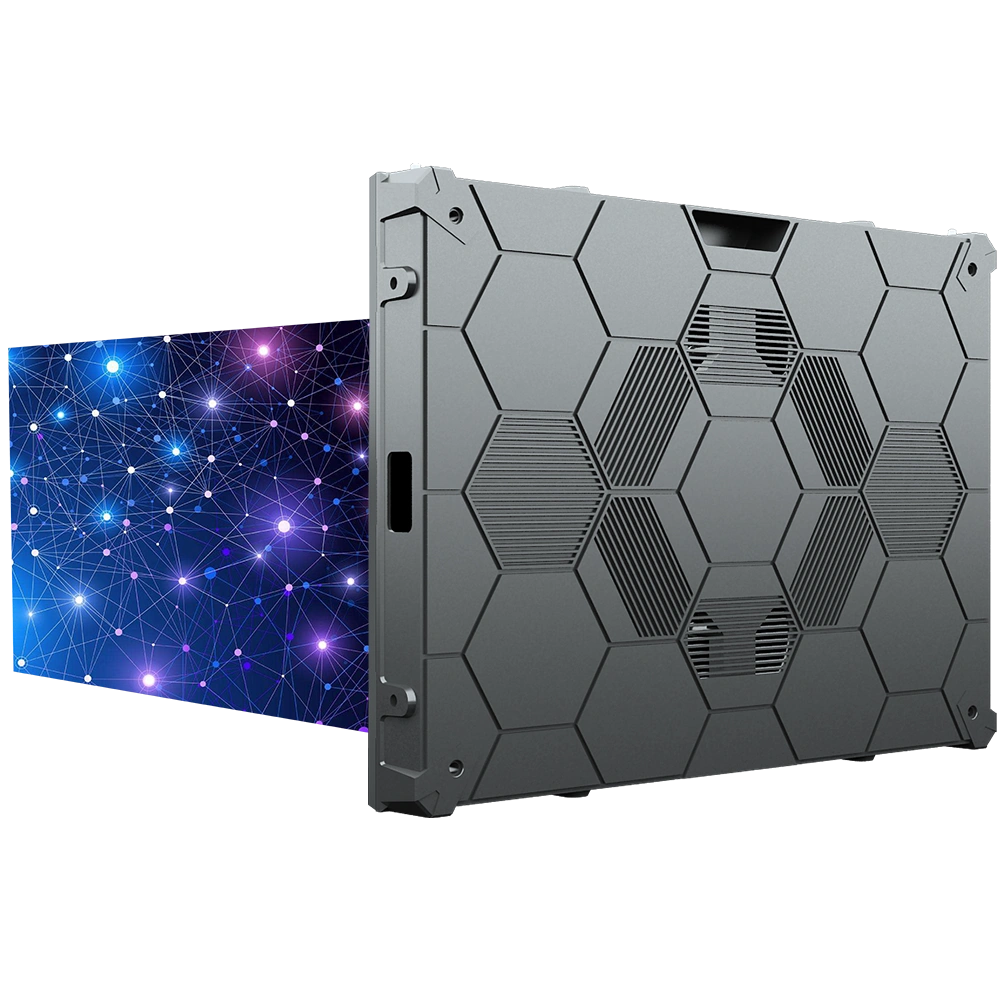
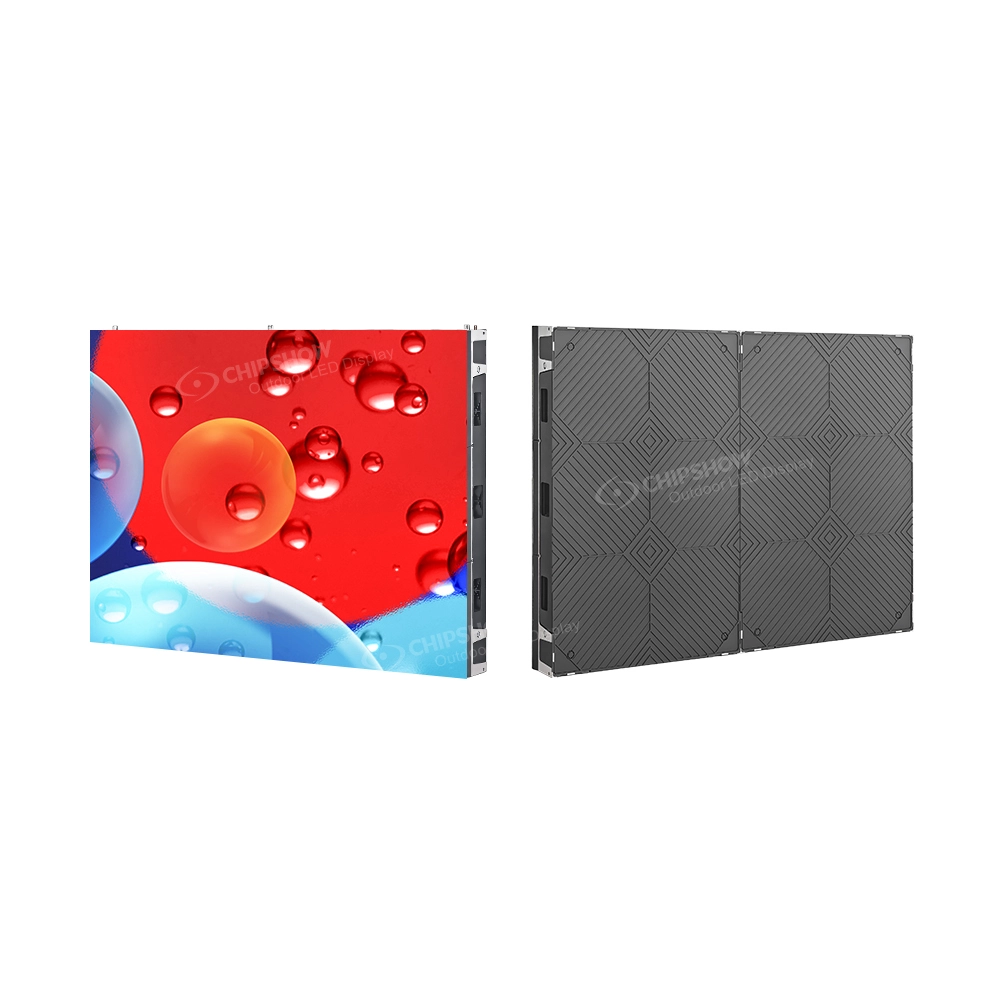
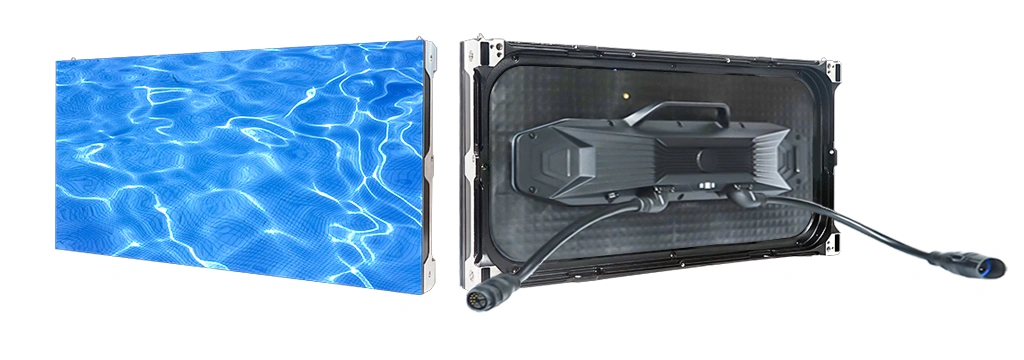
For an existing façade or historic building, compare the stated weight of the proposed lightweight outdoor LED display cabinet and the complete support design. A material name such as magnesium alloy or carbon fibre does not establish that the installation meets the building load limit. Confirm the allowed installed load before choosing the cabinet grid.
Where Weight Reduction Matters Most
- Existing façades and older buildings: reduce the cabinet load placed on the host structure and include steelwork, power equipment and cables in the final calculation.
- Rooftop screens: use lighter cabinets to simplify lifting and reduce the permanent display load, then design the support for the site’s wind actions.
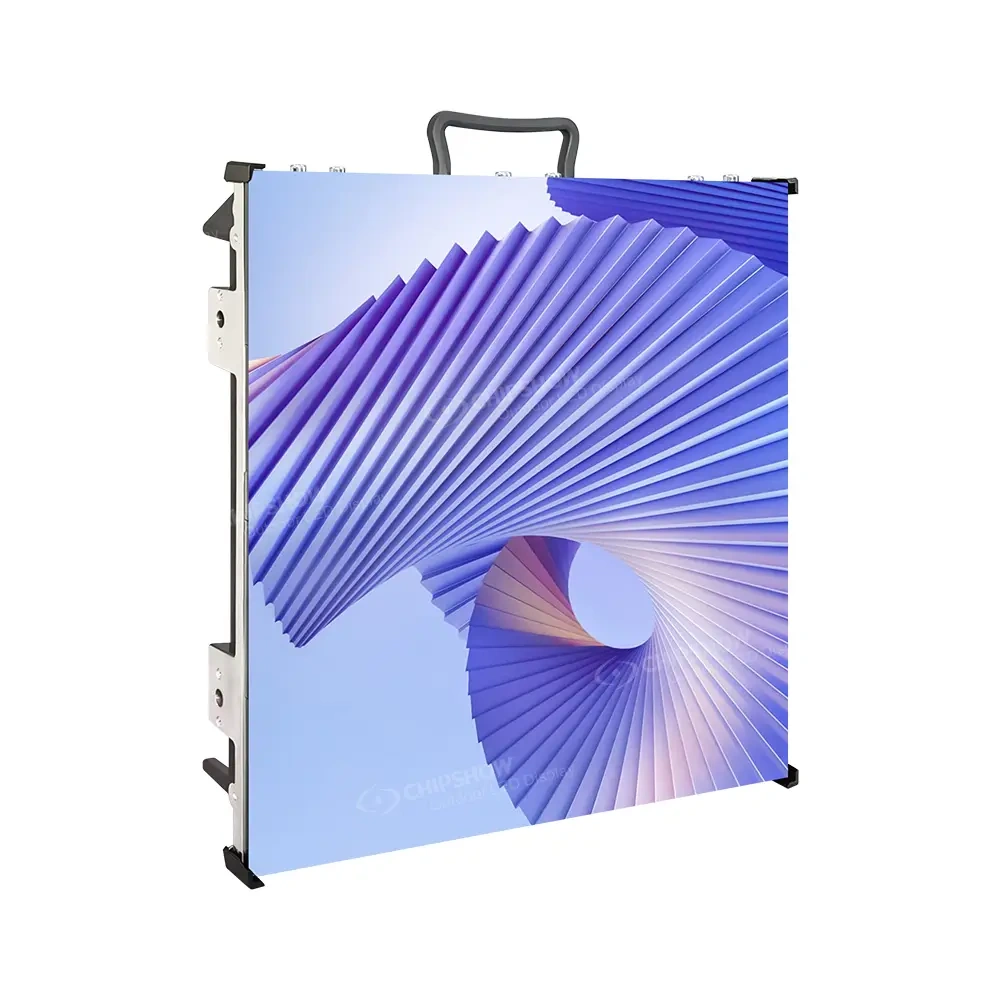
- Rental and festival projects: use easier-to-handle panels where crews repeatedly unload, rig, dismantle and transport the display.
- Restricted sites: plan cabinet size and weight around narrow streets, courtyards, lifts, stairs and the distance from unloading point to installation point.
Do not stop at the cabinet datasheet. Add the cabinet grid, supporting steelwork, power equipment, cables and access provisions to obtain the complete installed load used for structural design.
Advanced Waterproofing and Durability Standards for European Conditions
Europe’s climate varies from coastal salt exposure to Alpine snow and heavy rainfall. Each condition attacks a different part of the installation, so weather protection should follow the site rather than a generic “European outdoor” specification.
Match Protection to the Site
Use the exposure to build the specification:
- Coastal sites: prioritise corrosion-resistant cabinet materials, coatings, fasteners and protected connectors.
- Heavy rain or regular cleaning: specify water protection for the exposed cabinet faces, cable entries and connectors, and provide a drainage route.
- Snow and freezing temperatures: check the operating temperature range and design drainage so trapped water does not remain around the enclosure.
- Exposed urban or roadside sites: include surge protection and earthing in the electrical design.
Confirm the Protection Required by the Site
- Record the specified protection for the front, rear, cable entries and connectors of the exact configuration.
- Ask how the enclosure documentation covers rain, cleaning exposure and drainage; do not select an immersion rating as a substitute for the actual water-jet or cleaning requirement.
For coastal or exposed sites, add corrosion, UV exposure and surge protection questions to the project brief rather than assuming an IP label covers them.
Energy-Efficient Outdoor LED Displays Are Now a Must-Have
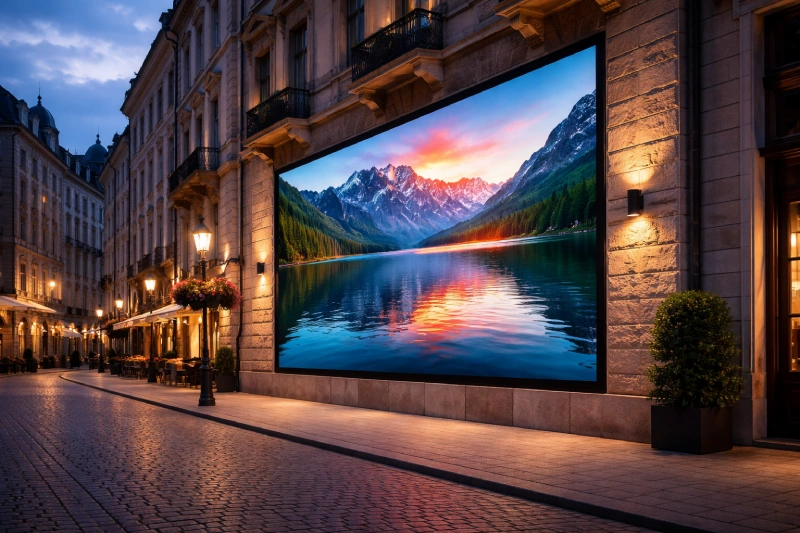
Compare energy saving outdoor LED billboards using the same active area, content, brightness schedule and measurement boundary. For DOOH networks, include day and night operating hours and the site electricity tariff in the budget. Ask which documentation and approval requirements apply to the exact model and location.
Three Energy Questions to Ask the Supplier
- For a common-cathode proposal, request measured power for the quoted configuration and a matched comparison baseline.
- Confirm how automatic brightness control is commissioned against site lighting and permitted operating conditions.
- Check the agreed operating schedule and any dimming or standby settings before calculating annual energy use.
Build the Five-Year Cost Comparison
Use the same quotation scope for display hardware, installation, measured electricity use, planned servicing, spares and software. Record the assumptions behind each line. Energy use is one part of ownership cost; the screen design alone does not establish a 25–40% operating-cost reduction.
Get the Right Outdoor LED Display for Your European Project
Bring Chipshow your location, screen dimensions, closest viewing position, service-access limits and operating schedule. We can use that brief to discuss 3D layouts, front-service options, cabinet handling and energy planning against your project requirements. Confirm the final configuration, documentation and installation responsibilities before ordering.