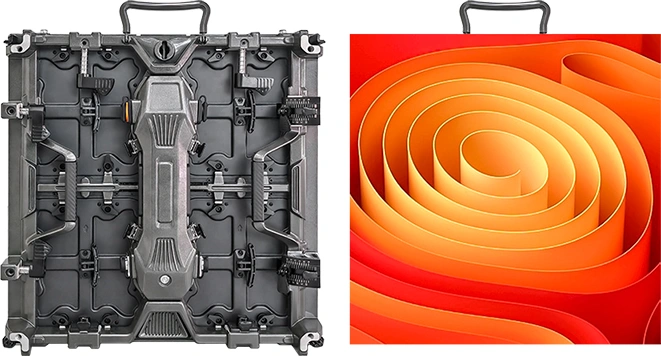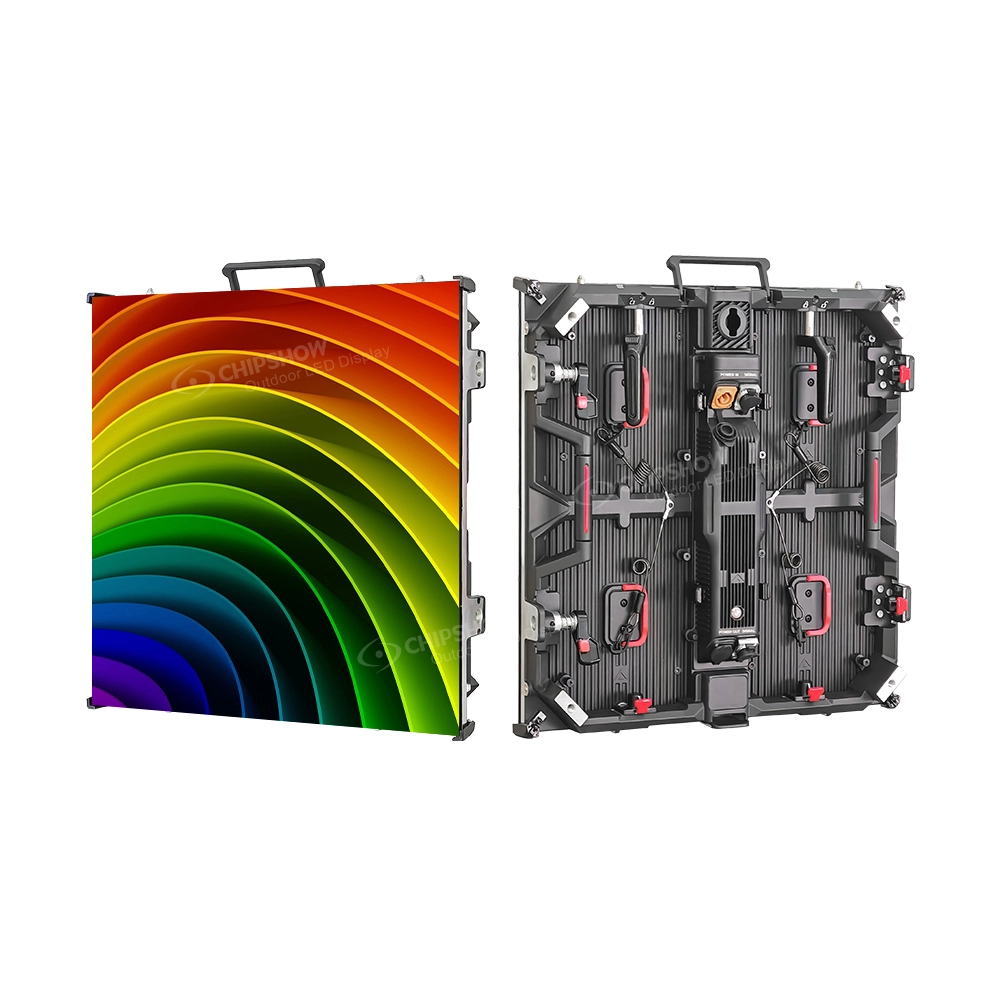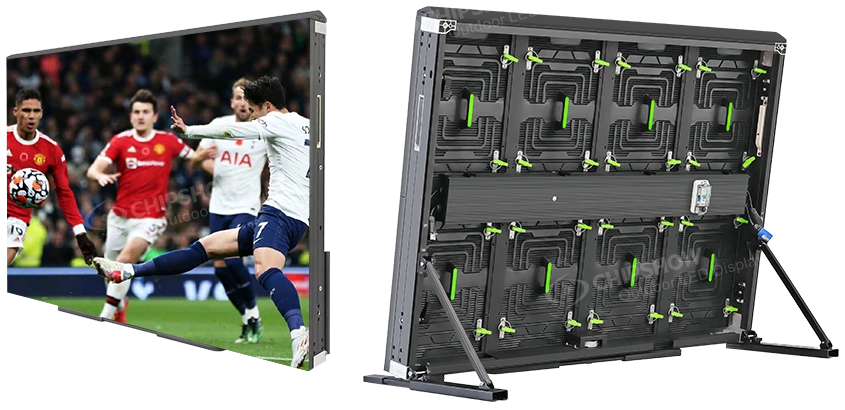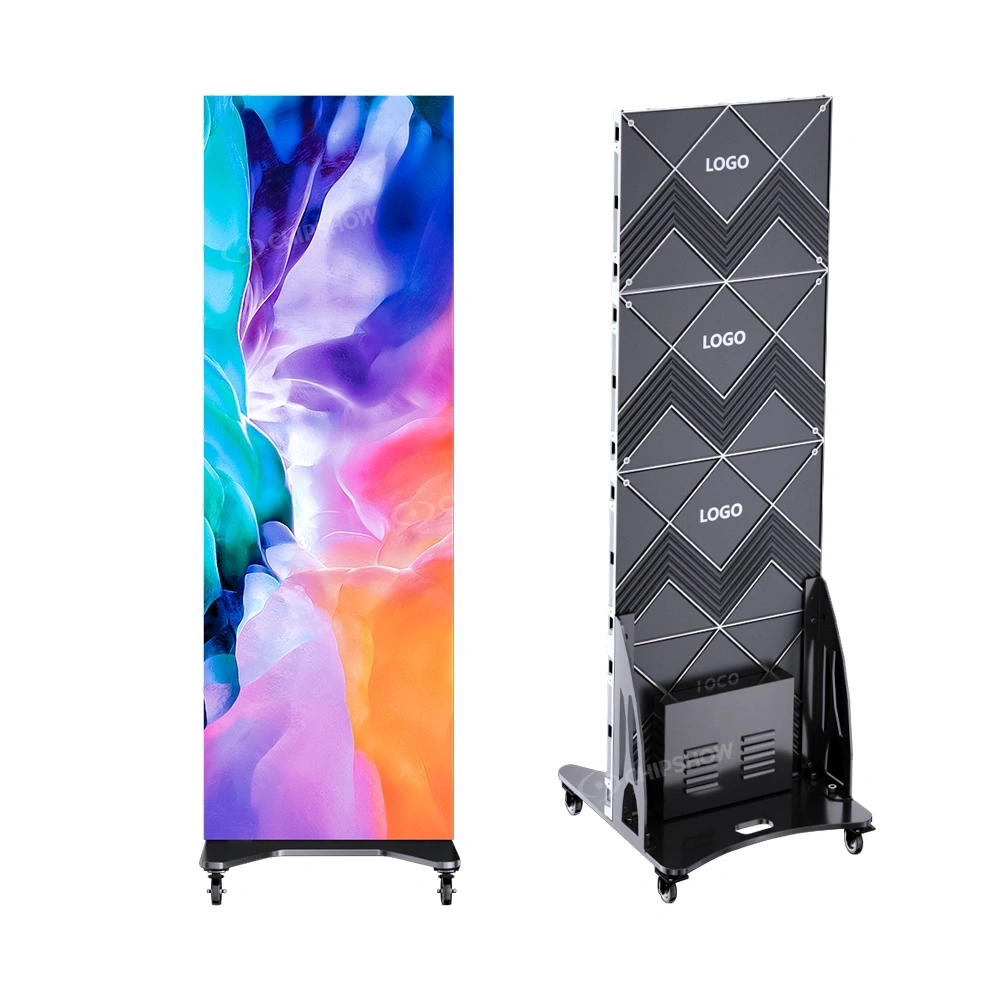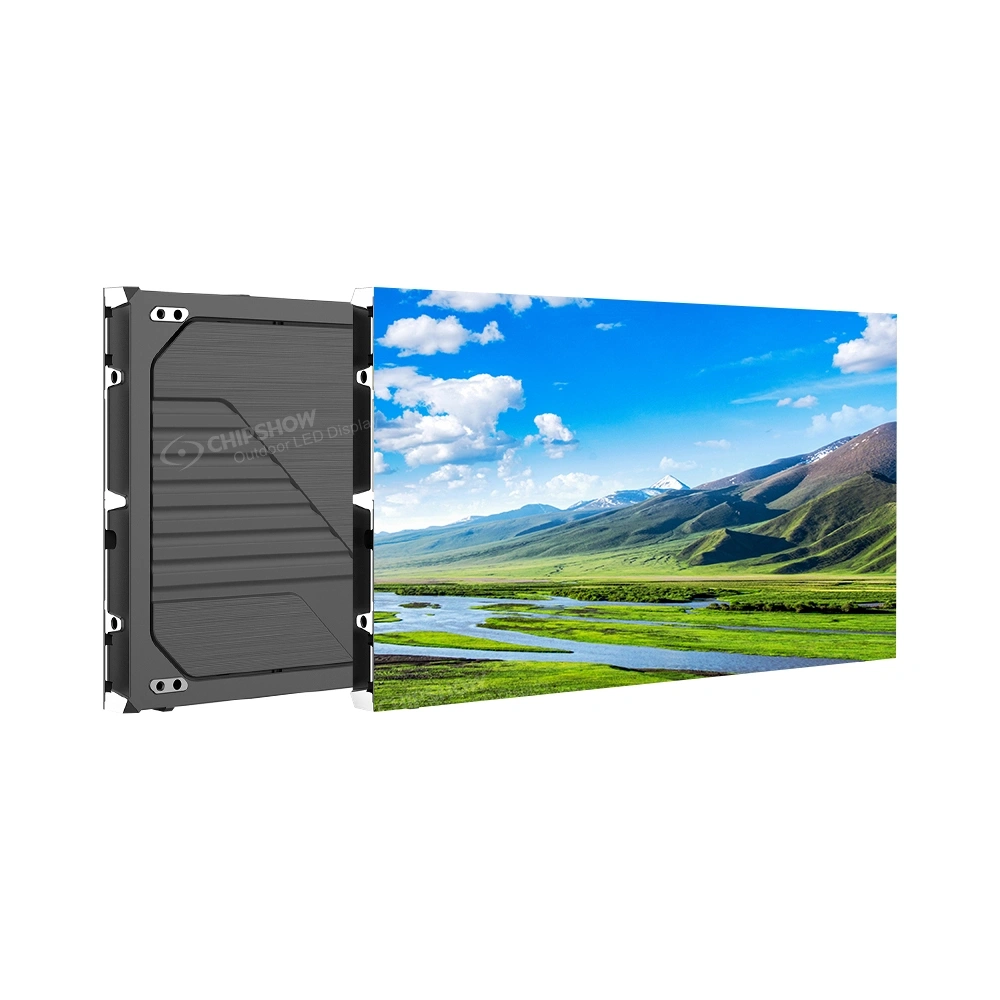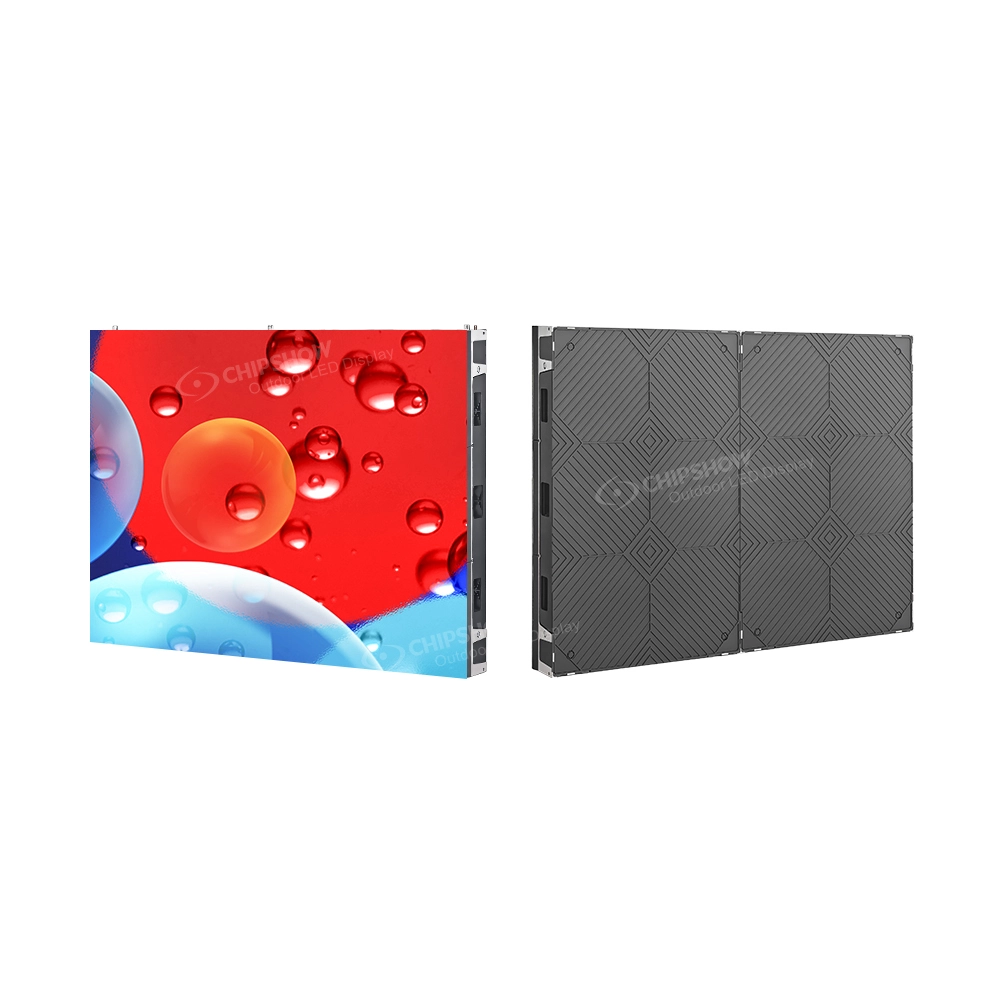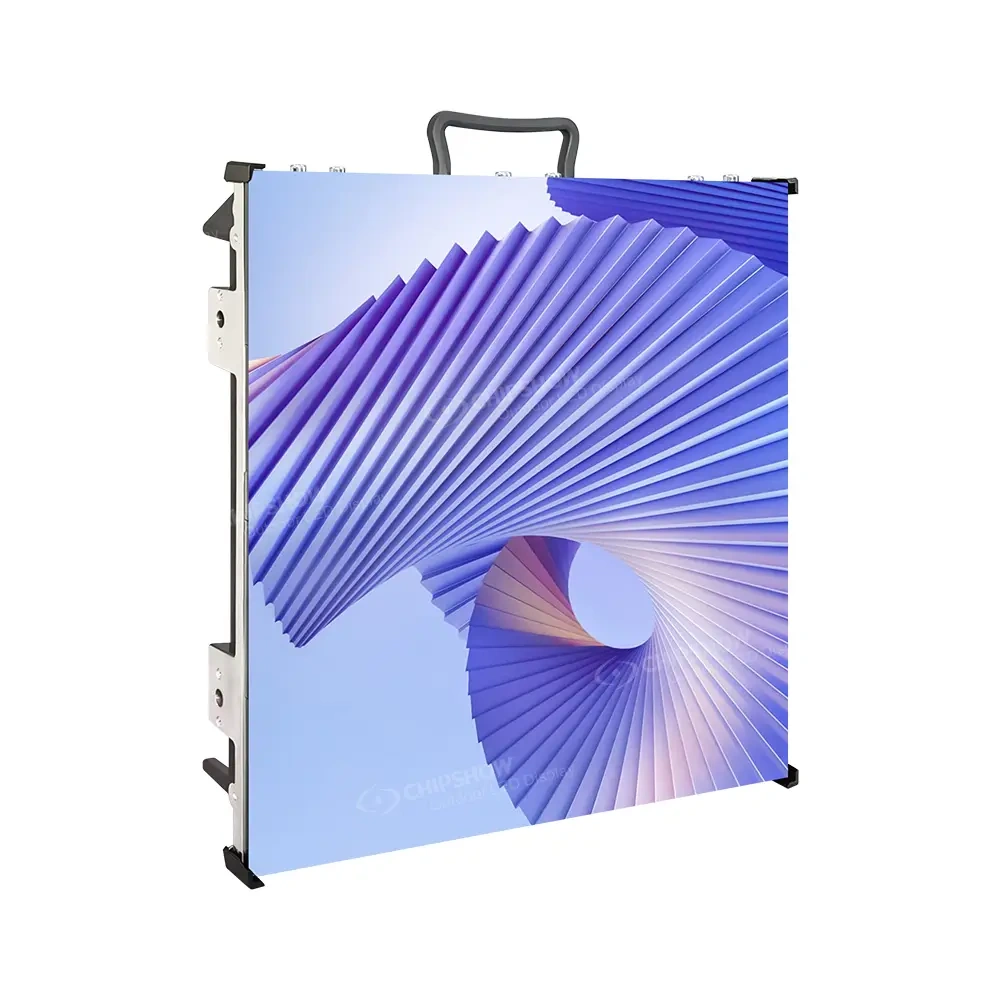
Indoor LED displays have become the standard for commercial signage, corporate communications, and public-space visuals. Whether you need an indoor LED display for a retail store, a video wall for a conference room, or a high-impact solution for a control centre, the options can feel overwhelming. This guide breaks down everything you need to know — from how indoor LED displays work to realistic costs and how to select the right one for your project.
To match pitch, format and delivery to your own site, run the requirements through the Chipshow Europe LED screen selector — it shortlists options for European events, close-view urban and indoor projects with EU warehouse stock references.
Chipshow supplies C-Max series products to European projects with support from its Netherlands warehouse. Request the EU Declaration of Conformity and applicable RoHS documentation for the quoted configuration, including the basis for any Ecodesign or Energy Labelling requirements. Confirm stock, dispatch dates and spare-parts availability in the quotation.
What Are Indoor LED Displays and How Do They Work?
Basic Technology Behind Indoor LED Displays An indoor LED display consists of thousands of tiny light-emitting diodes arranged in clusters (pixels) across modular cabinets. Each pixel combines red, green, and blue LEDs to produce full-colour images.
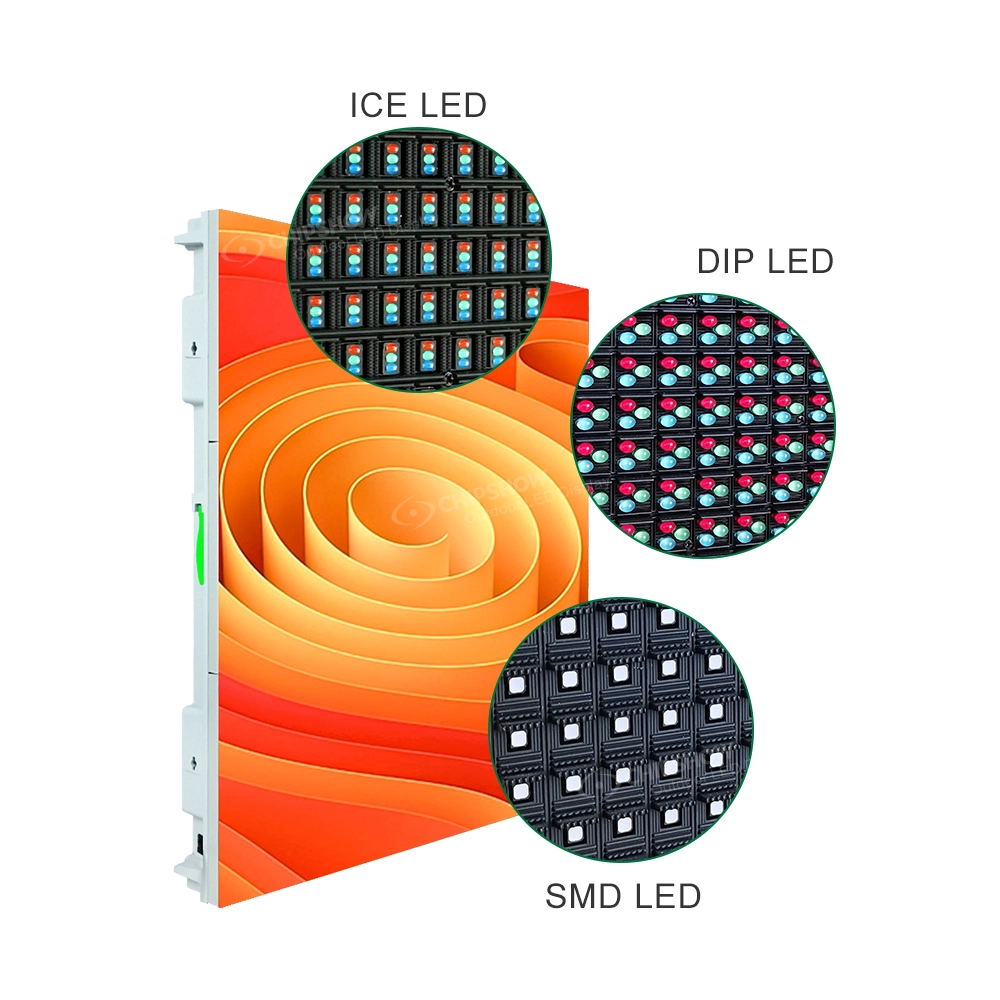
The two main technologies are SMD (Surface-Mounted Device) and COB (Chip-on-Board).
- SMD is the established industry standard, offering excellent cost-effectiveness and reliability for most commercial installations.
- COB mounts LED chips directly on the board and covers the display surface with protective encapsulation. Available pixel pitches and surface treatments vary; compare the selected panel’s contrast, reflected light and image detail at the intended viewing distance.
Recommended Applications by Technology
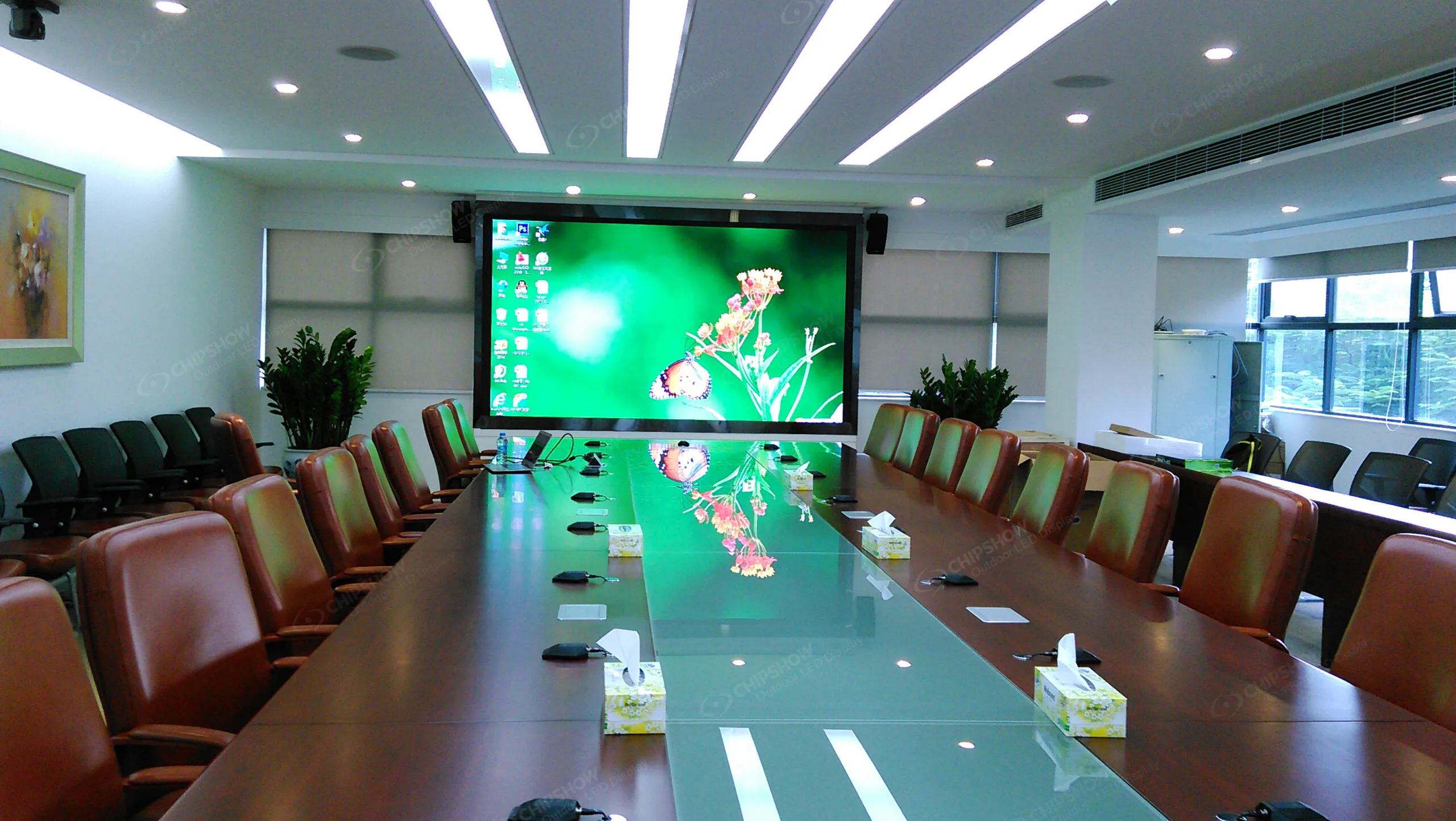
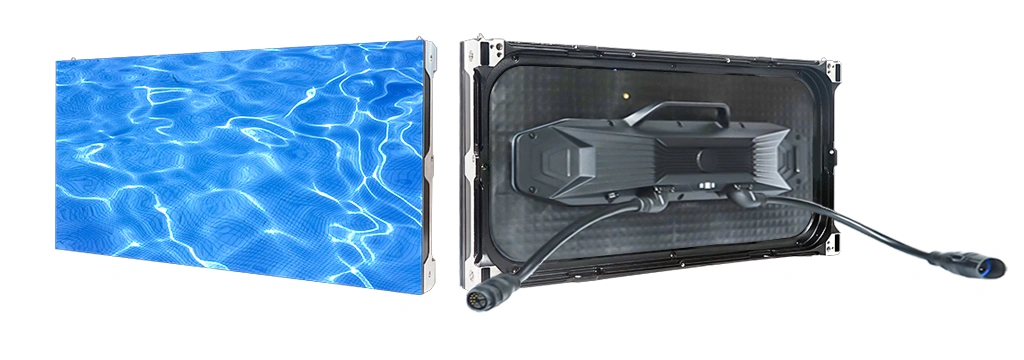
- For close-range viewing, such as control rooms or executive boardrooms, compare COB options such as C-Max Fine-Pitch COB P1.53 / P1.86 using the actual content and viewing distance. Check the sample’s surface protection, contrast and low-brightness detail.
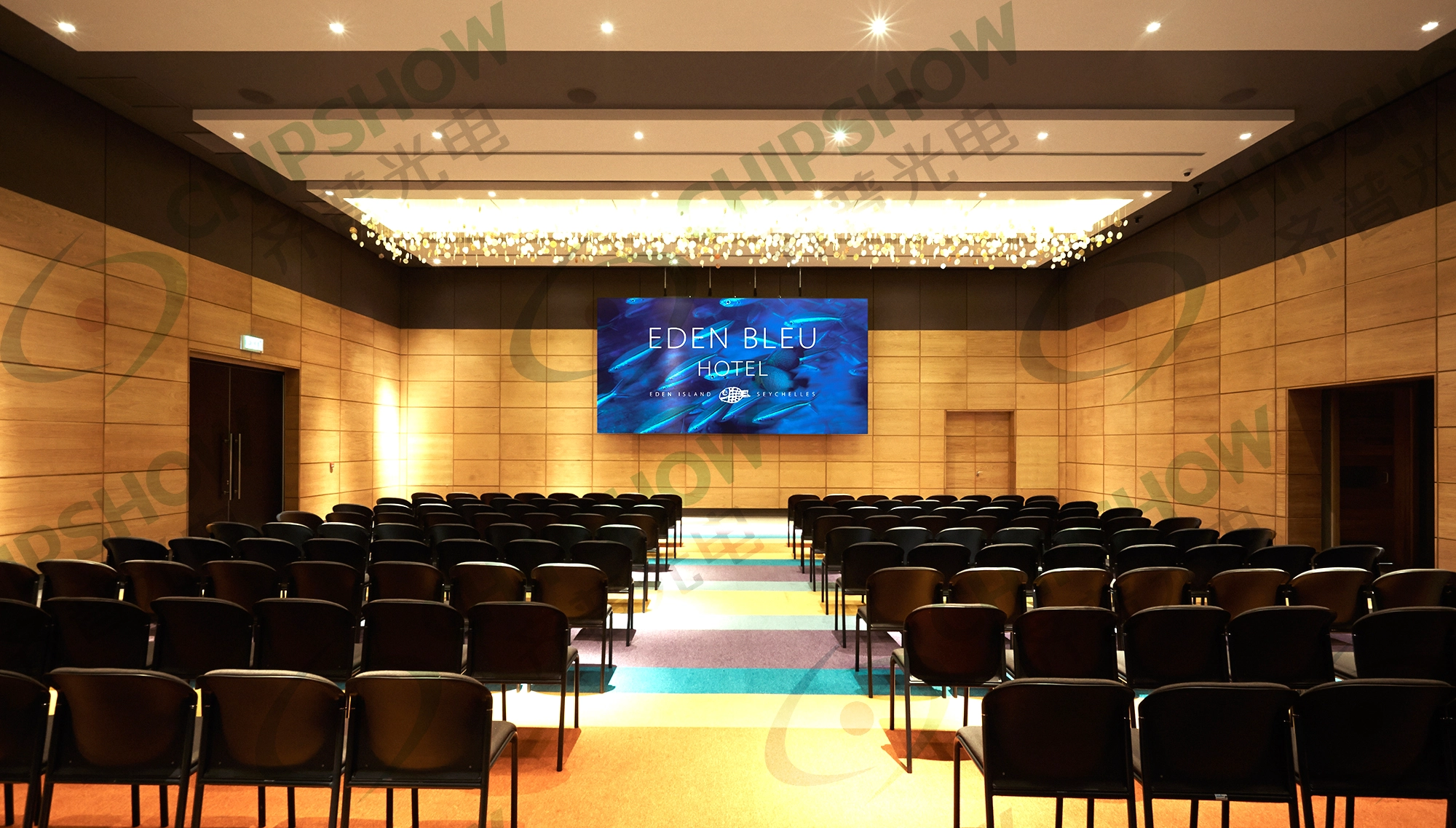
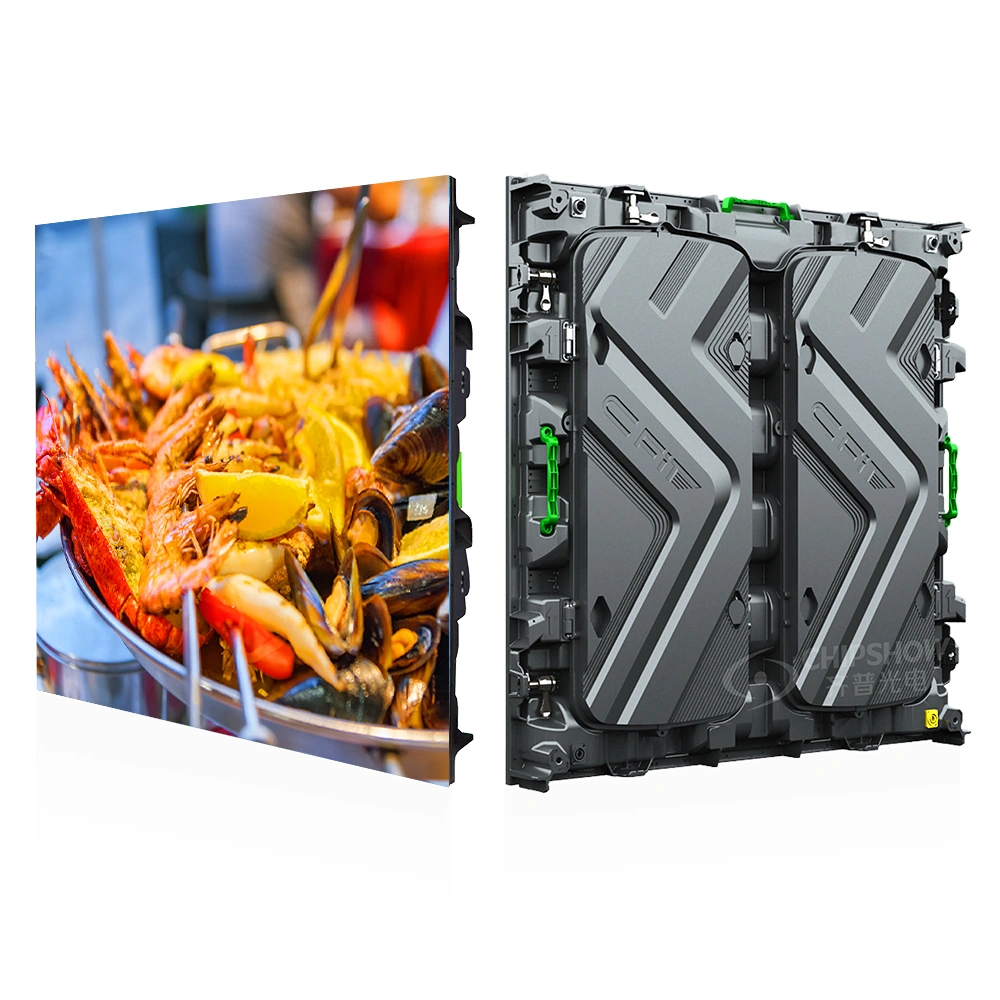
- For commercial spaces and auditoriums, compare SMD-based C-Max Commercial configurations at the required image size and viewing distance, then assess quoted power, service access and price alongside image quality.
Indoor LED Displays vs. LCD and Projector Systems
| Feature | Indoor LED Display | LCD Video Wall | Projector |
|---|---|---|---|
| Image continuity | No bezel grid; check module alignment and calibration. | Check bezel width and panel alignment. | Check the image boundary and any blending between projectors. |
| Brightness basis | Compare luminance in nits (cd/m²), grayscale and glare at the intended operating setting. | Compare luminance in nits (cd/m²) and reflections in the target room. | Lumens describe light output. Evaluate projected image luminance using the chosen image size, screen and ambient lighting. |
| Scalability | Configurable in cabinet-size increments; check structural load and service access | Limited by panel size & bezels | Check optics, throw distance and available light output |
| Service-life basis to compare | Ask for the luminance-depreciation criterion and module support period. | Ask for the panel/backlight rating and replacement plan. | Specify lamp or laser light source and the rated replacement or brightness-degradation criterion. |
| Maintenance | Specify front or rear access and replacement-module support. | Check panel service procedures and replacement availability. | Check the light-source rating and cleaning or filter schedule. |
Compare each complete system at the intended image size, brightness and operating hours. Ask for the power-measurement conditions, service-life criterion and replacement plan before drawing conclusions about operating cost.
Important Note on Brightness Choose operating brightness using the room’s daylight, reflections and viewing task. Check grayscale, colour reproduction and comfort on a sample at that setting, then request the corresponding measured power. A brightness range alone does not establish suitability for every office or retail space.
Where Indoor LED Displays Are Used
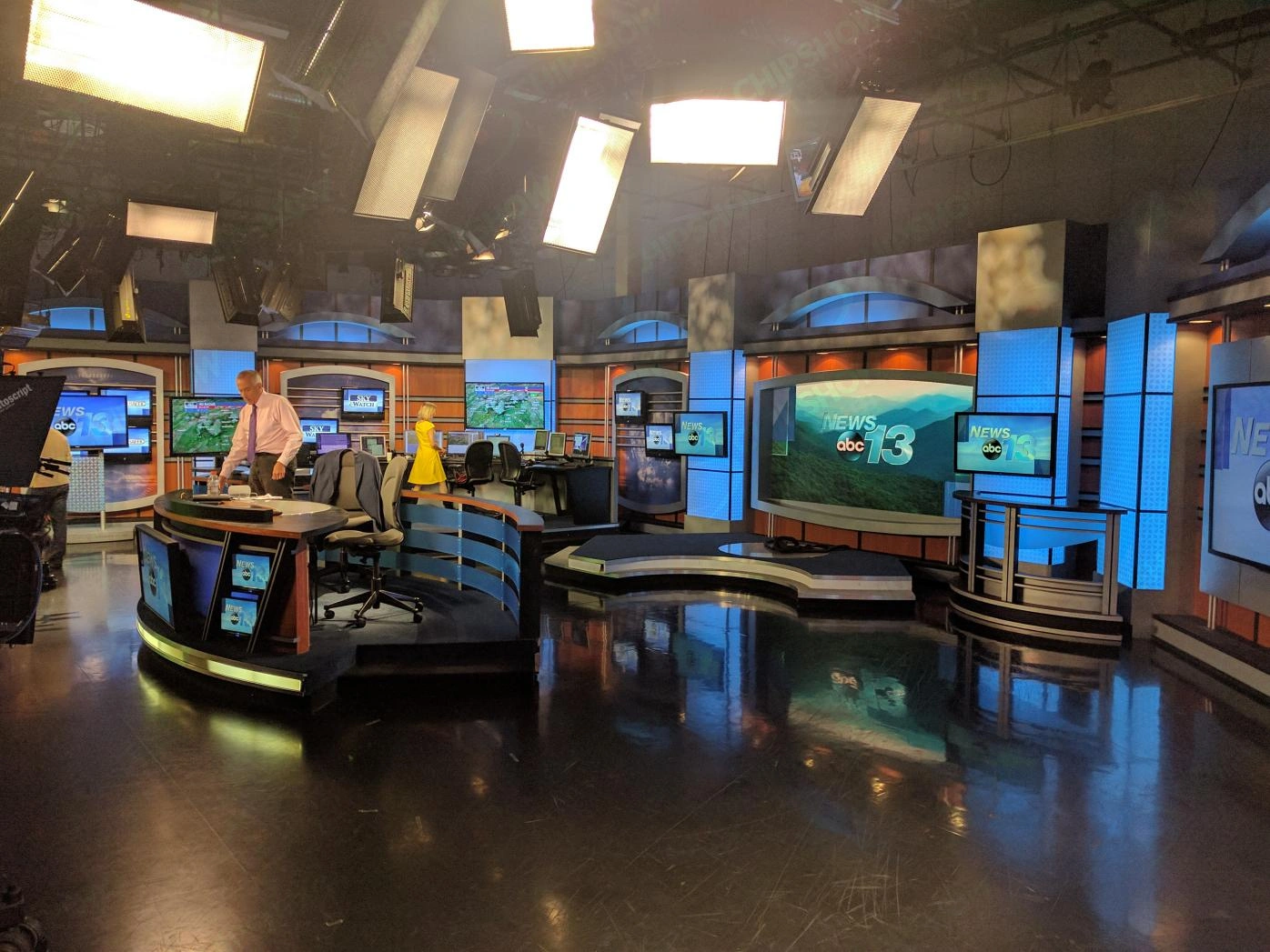
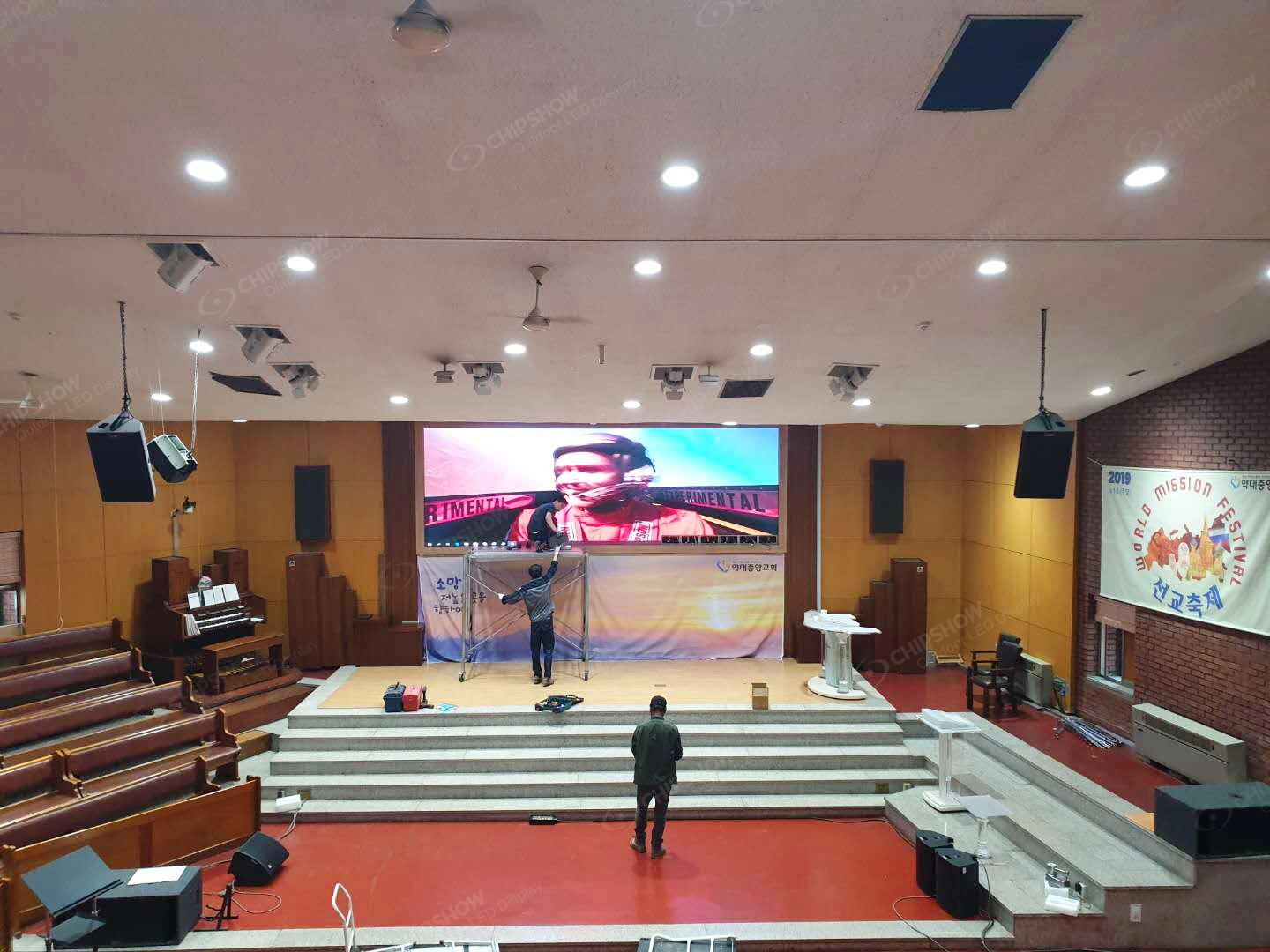
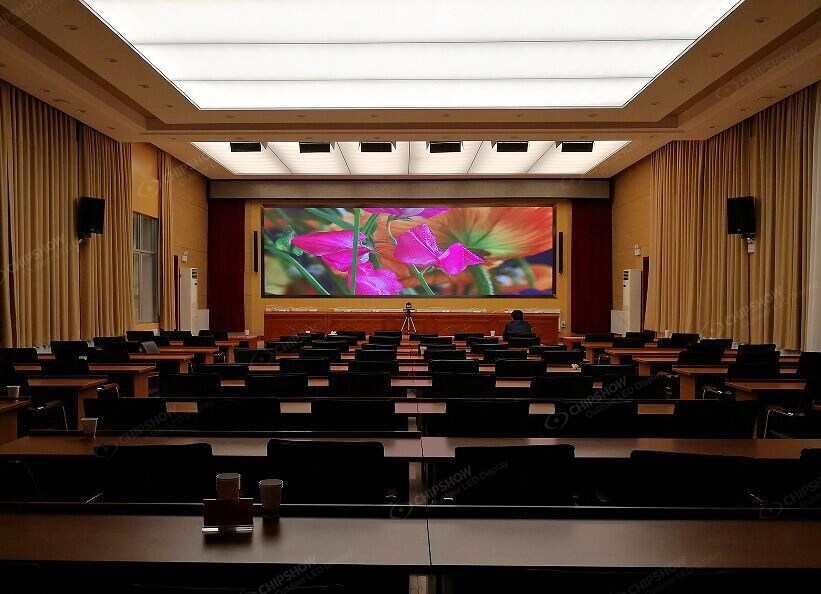
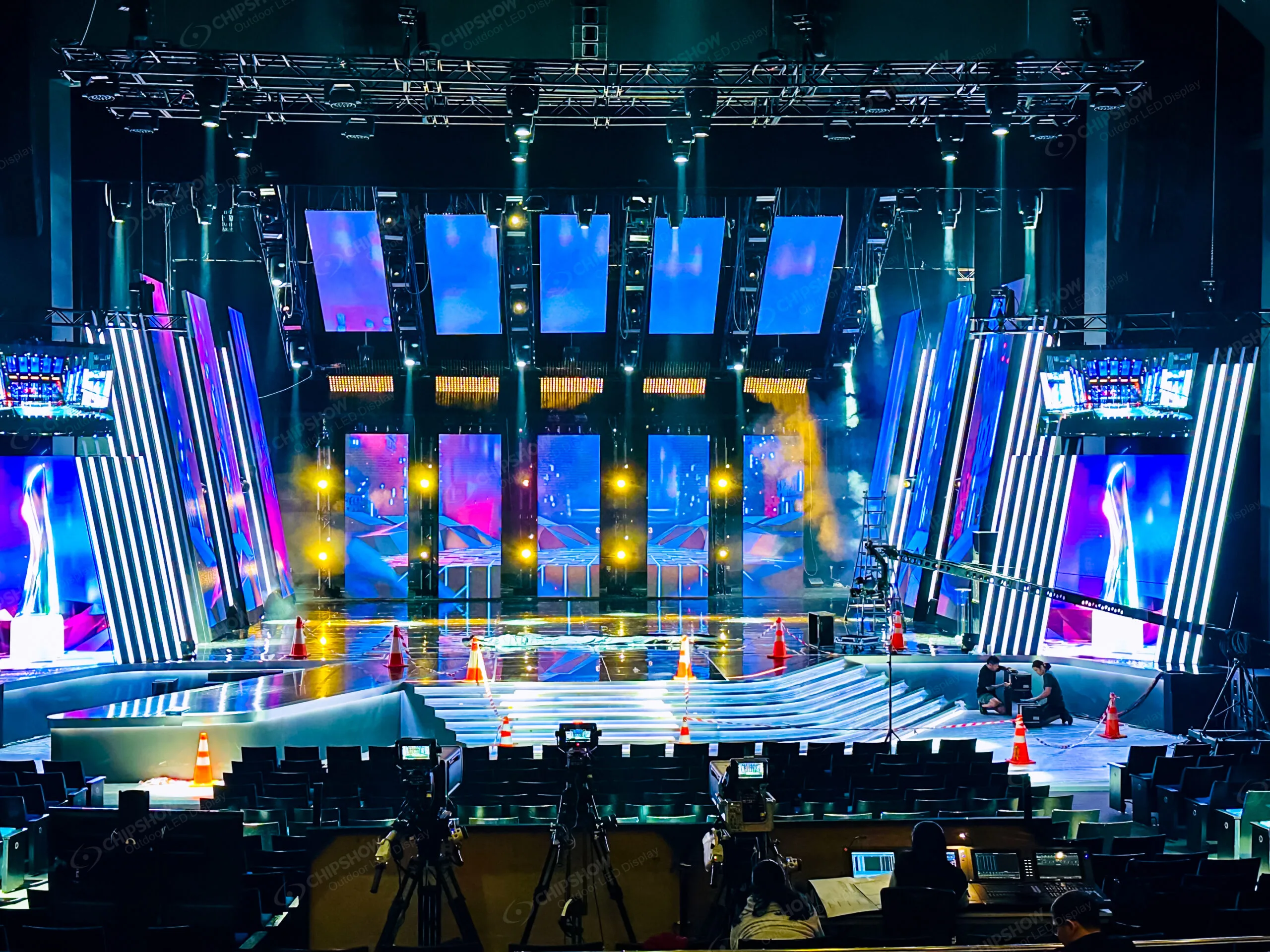
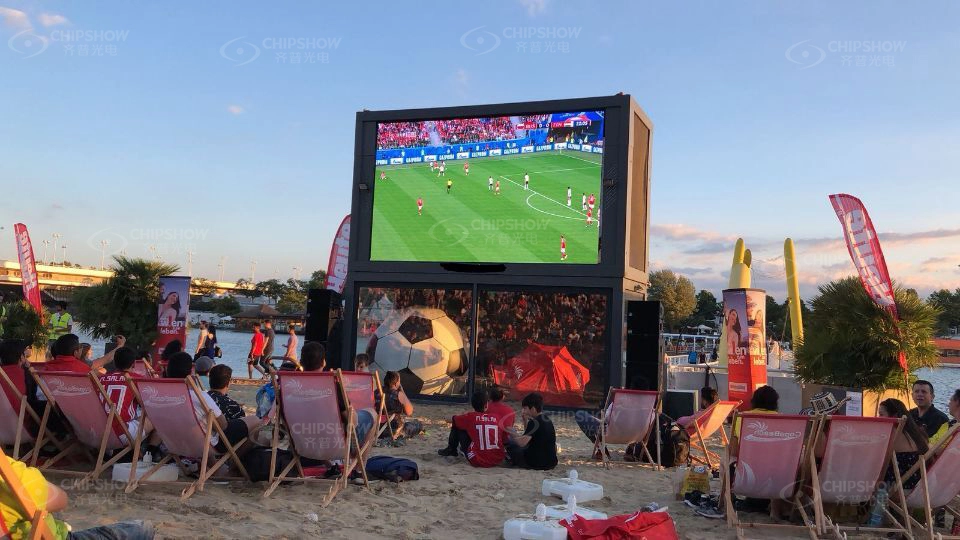
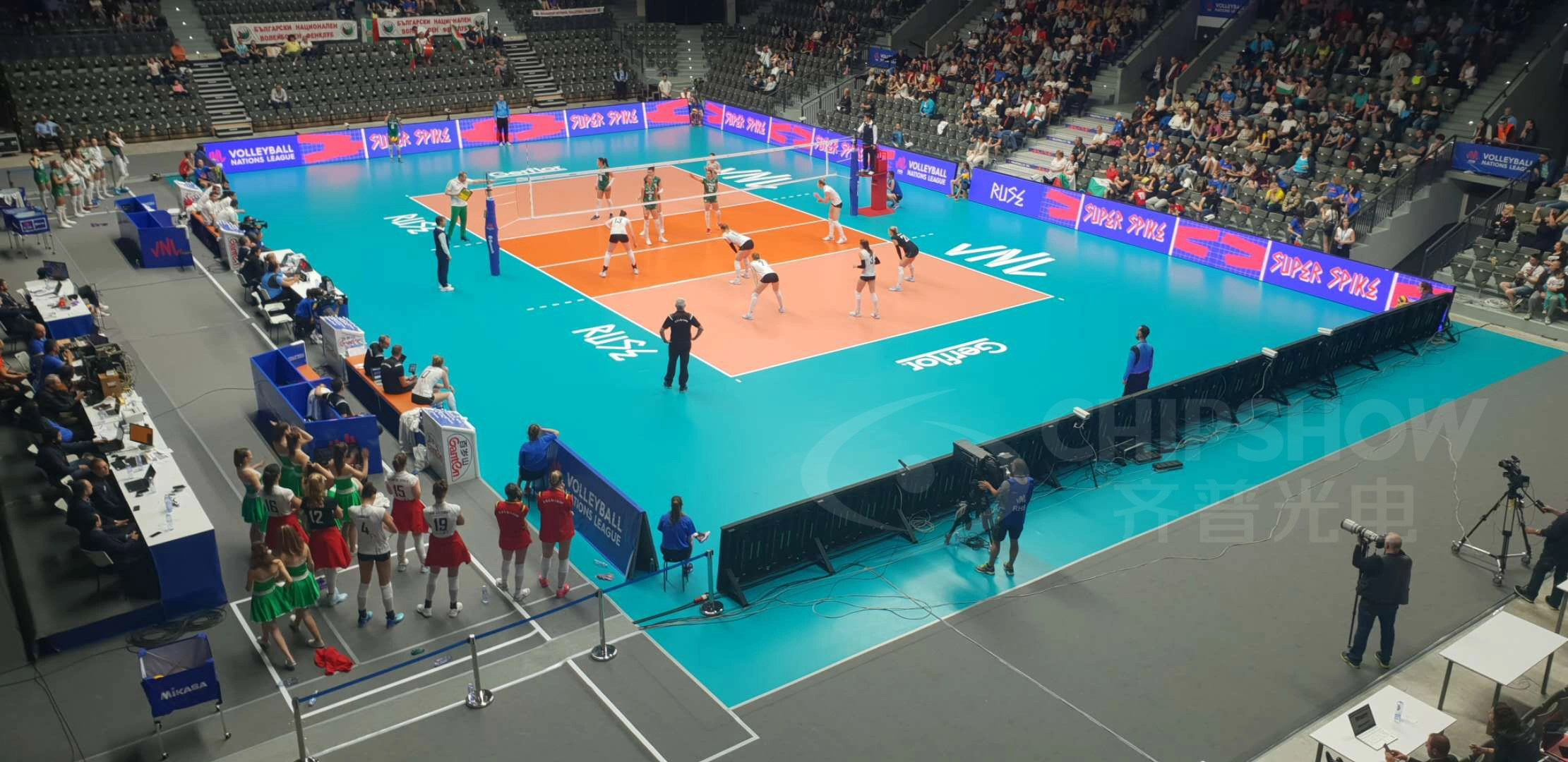
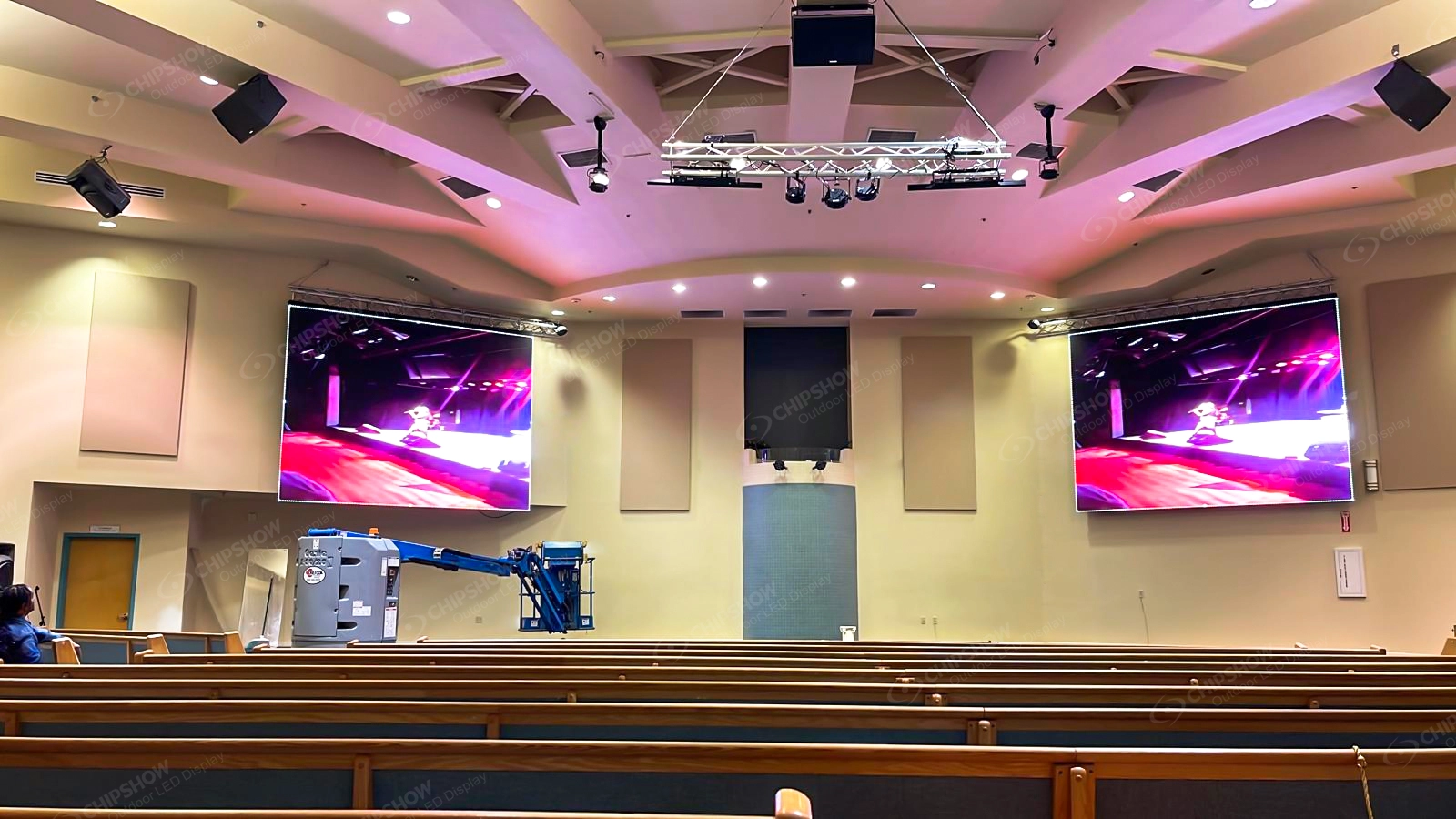
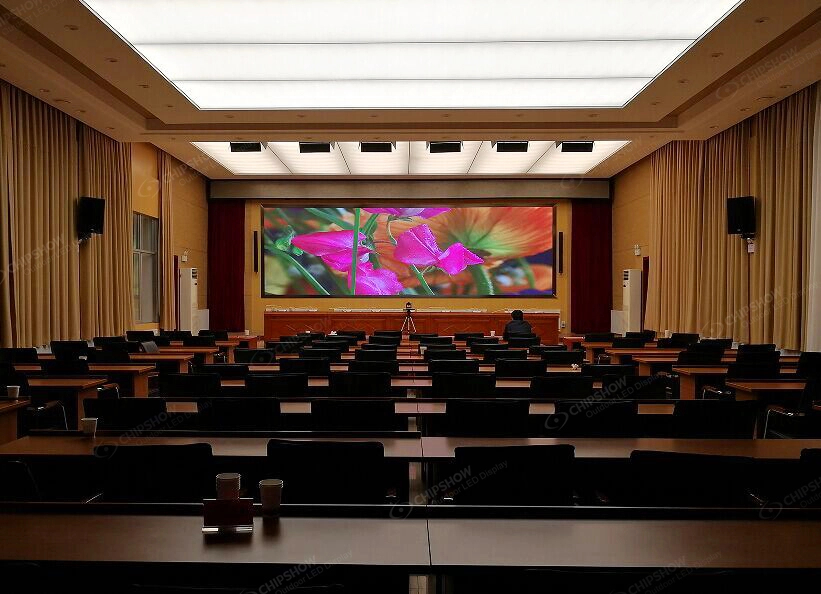
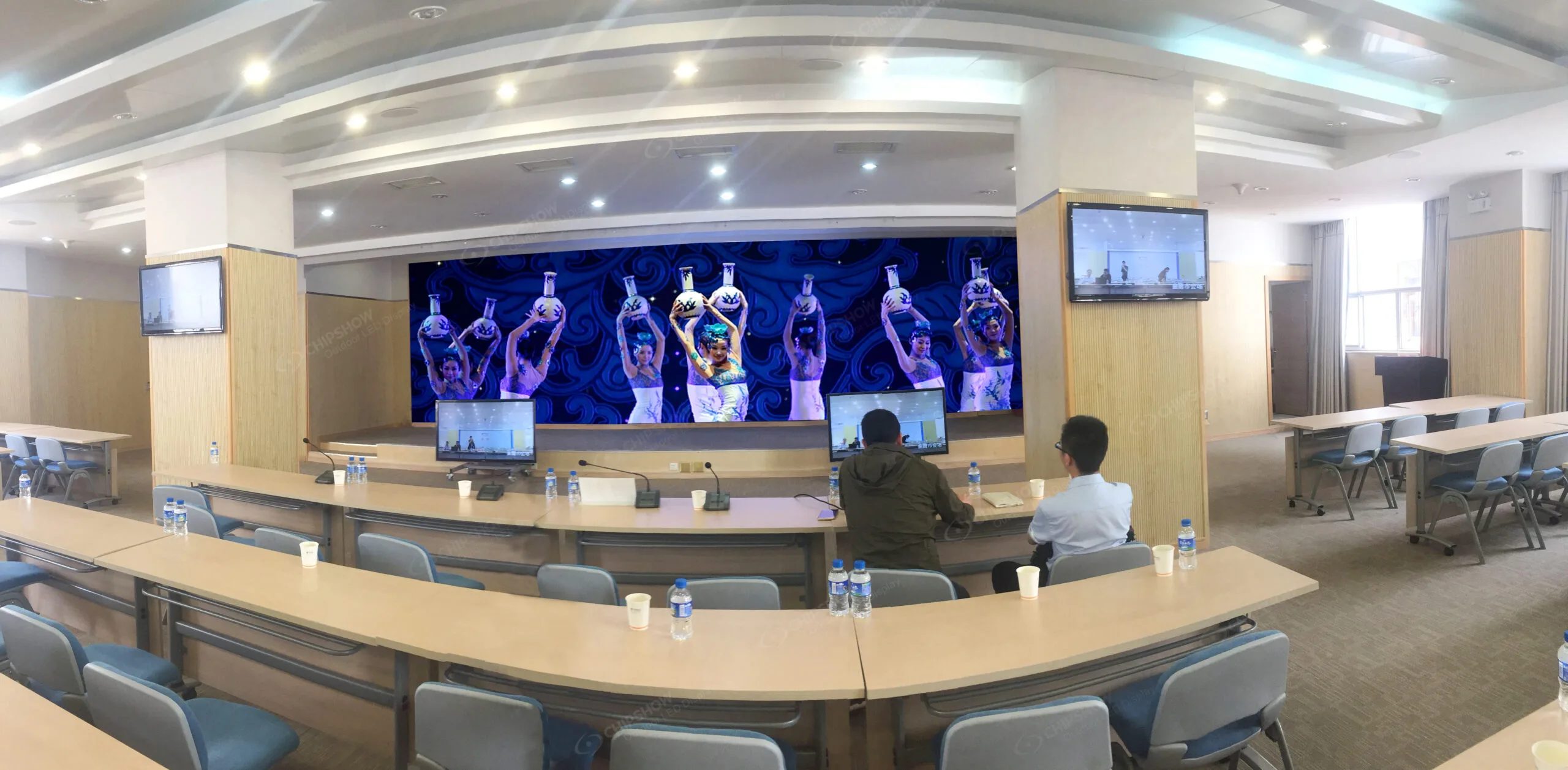
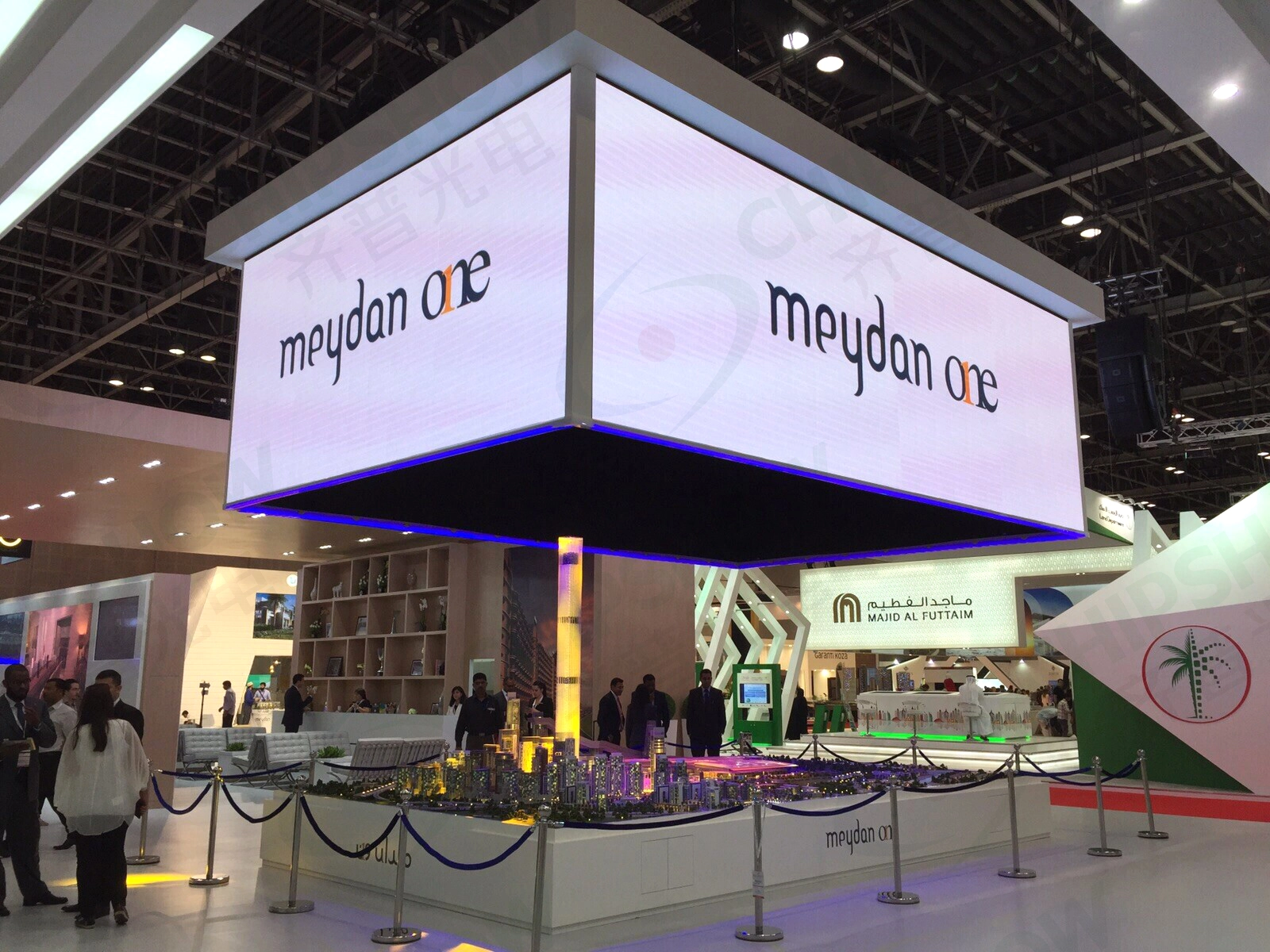
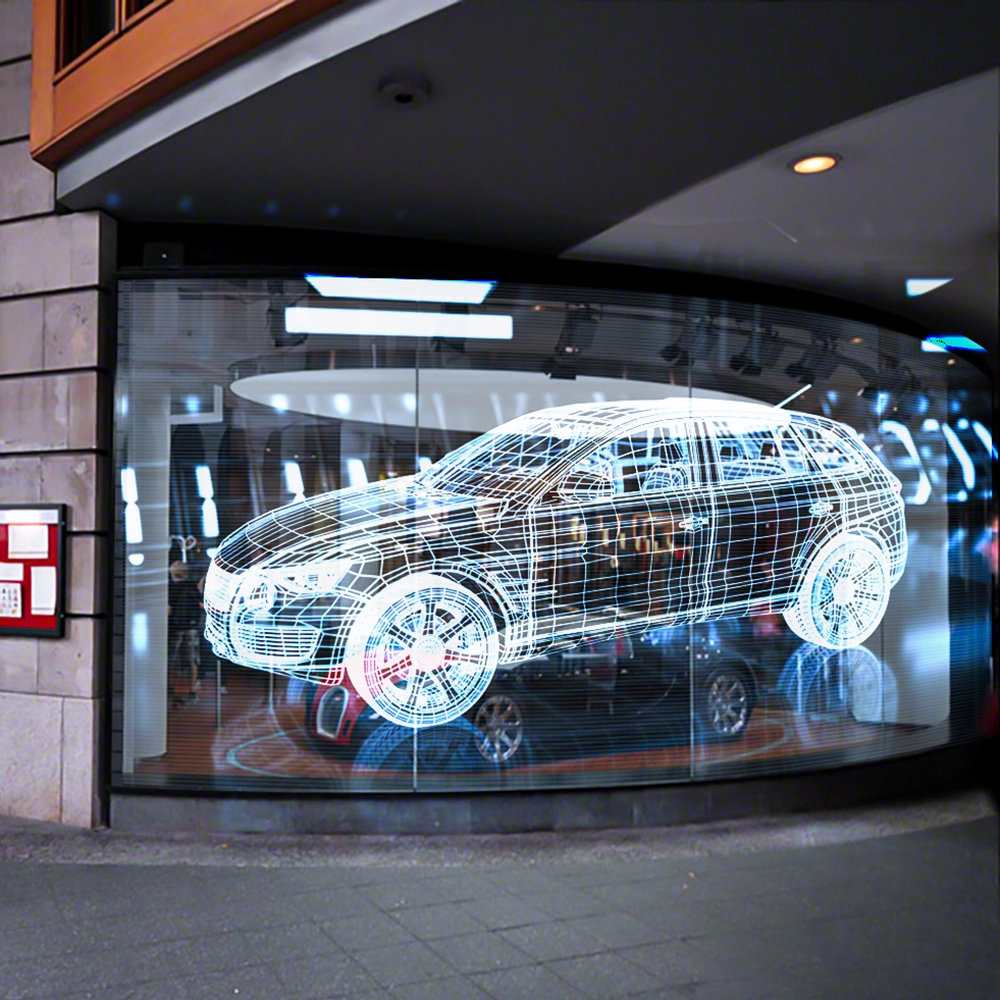
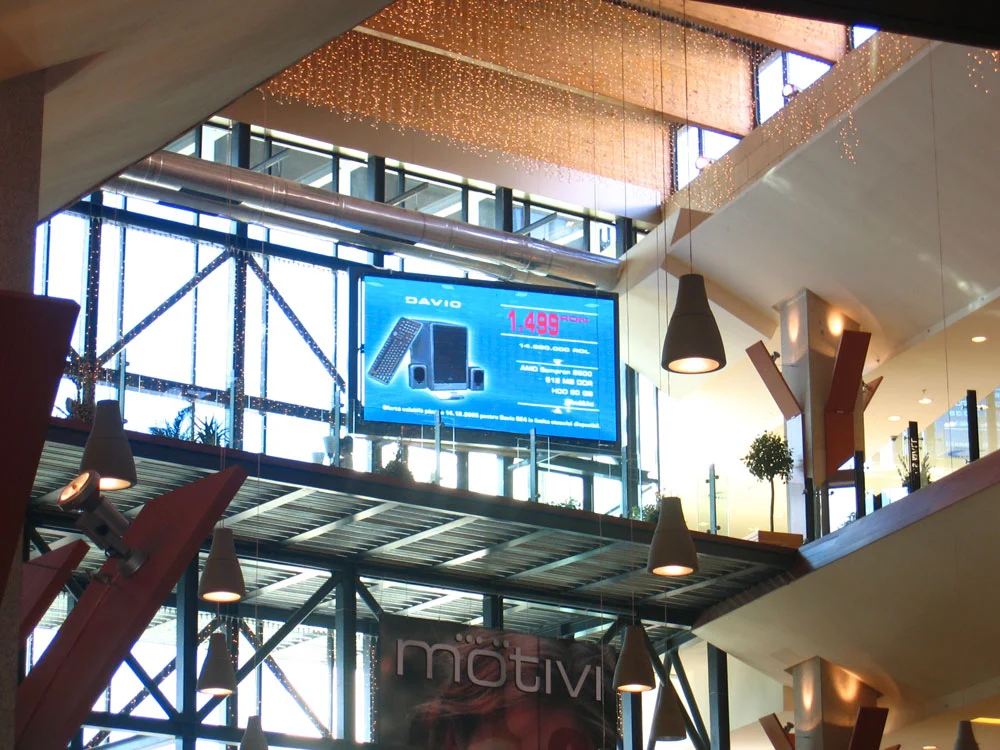
Indoor LED displays are widely deployed in retail stores, corporate lobbies, conference rooms, control centres, broadcast studios, houses of worship, shopping malls, and transportation hubs. They are increasingly replacing static signage with dynamic, attention-grabbing content.
What Types of Indoor LED Displays Are Available?
Fixed Installation vs. Rental LED Displays
Fixed installation displays are designed for permanent use in retail, lobbies, and boardrooms. Cabinet material and weight affect handling and the structural requirements of the mounting wall. Ask for the per-cabinet weight of the quoted configuration and have the wall or structure checked against the total load before installation.
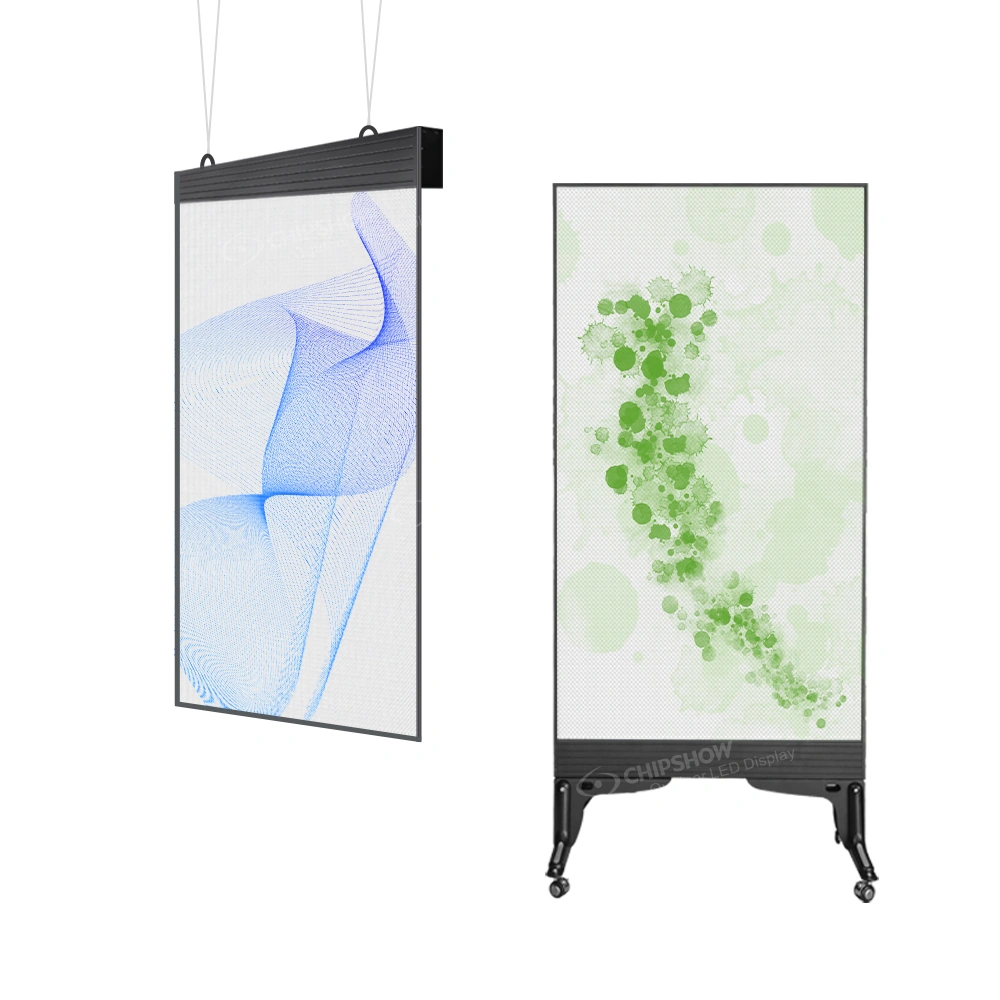
Standard Panels vs. Creative Shapes
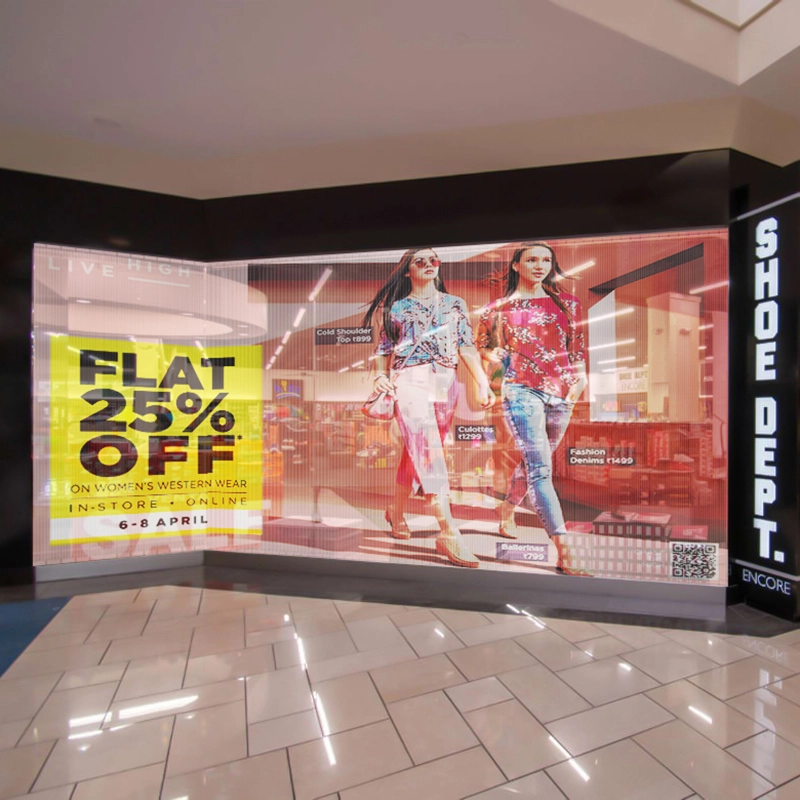
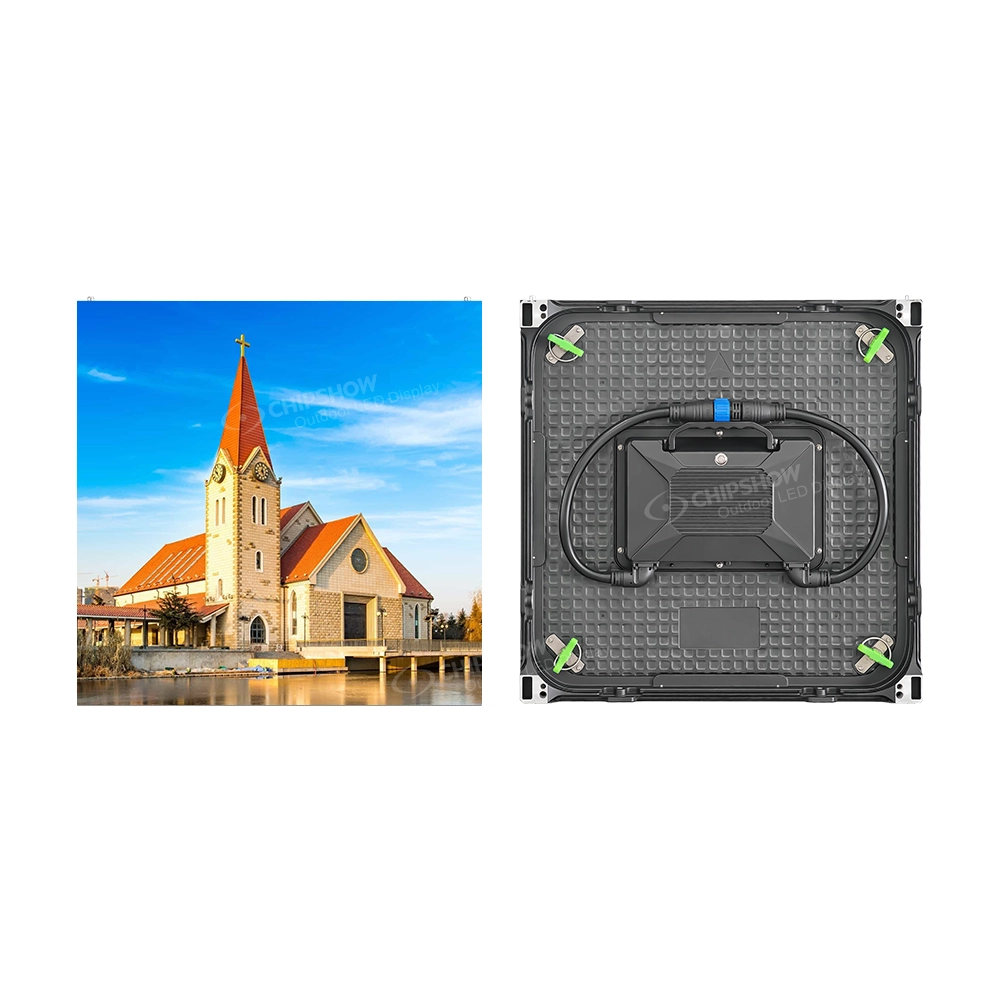
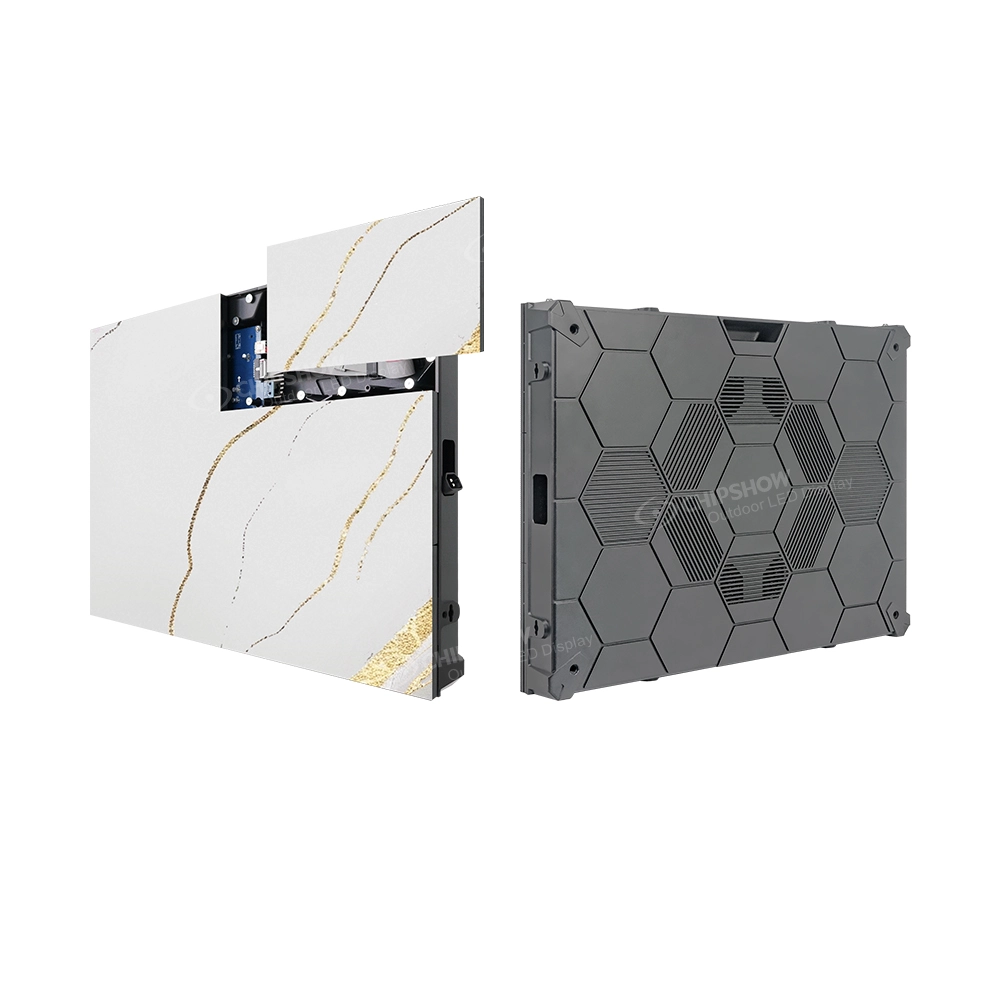
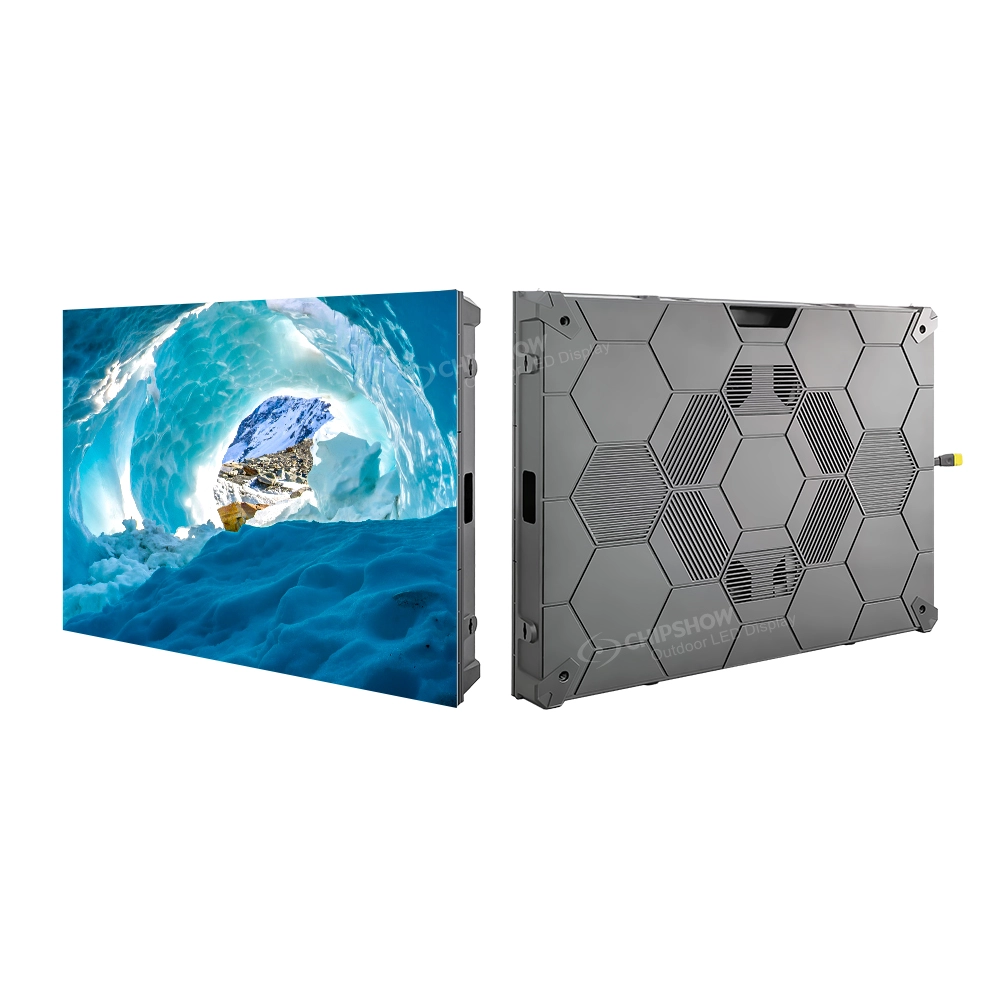
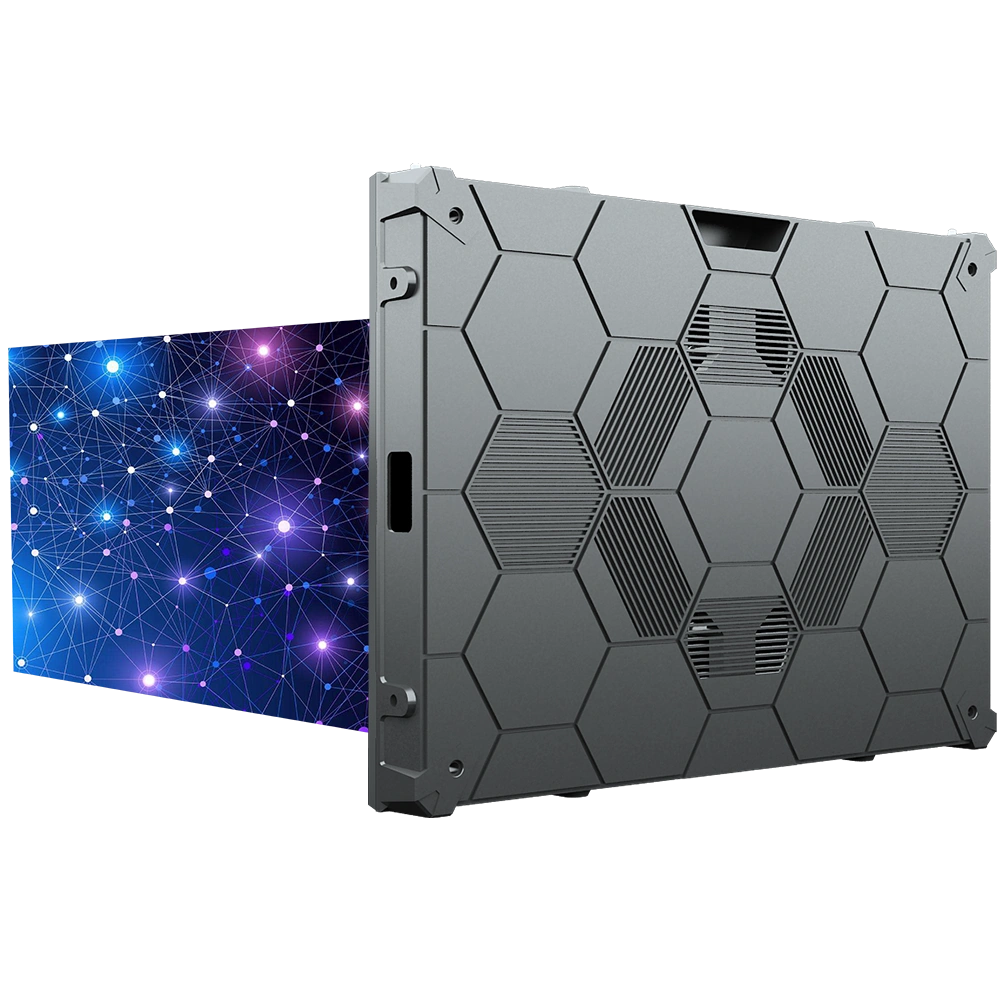
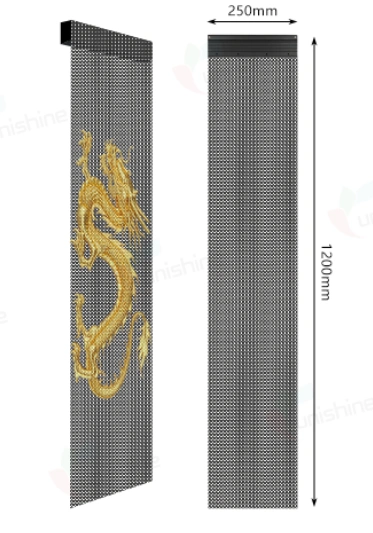
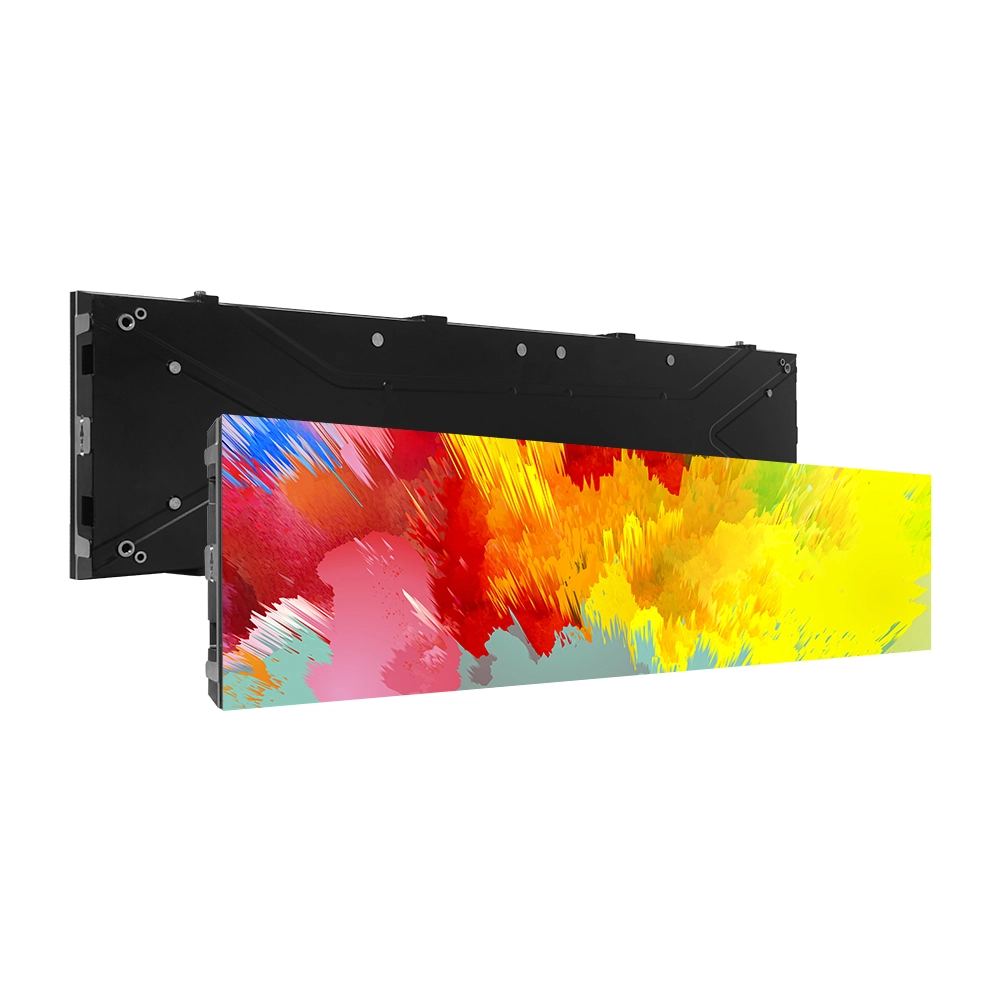
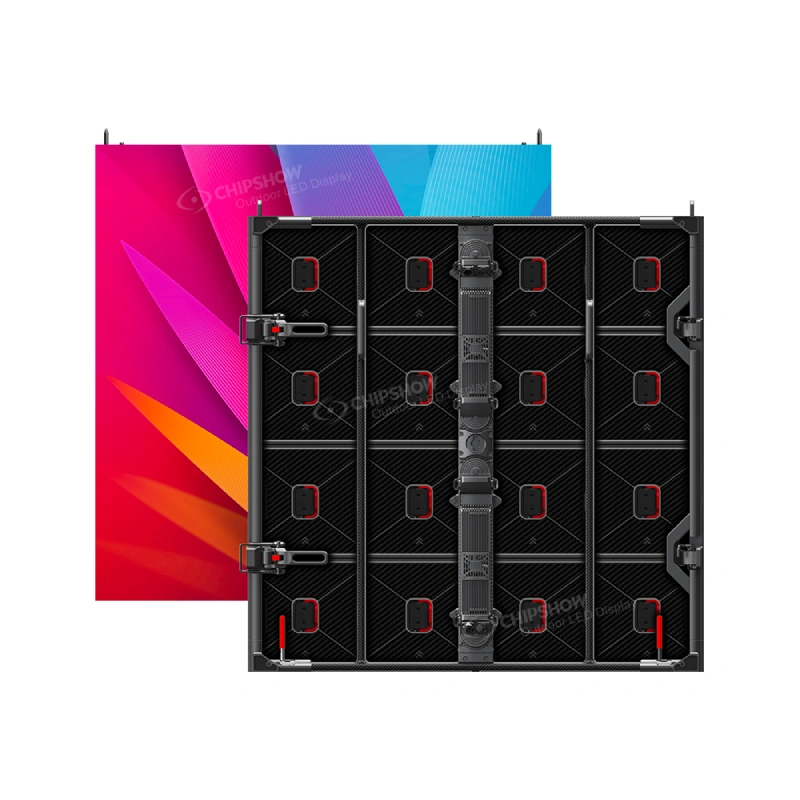
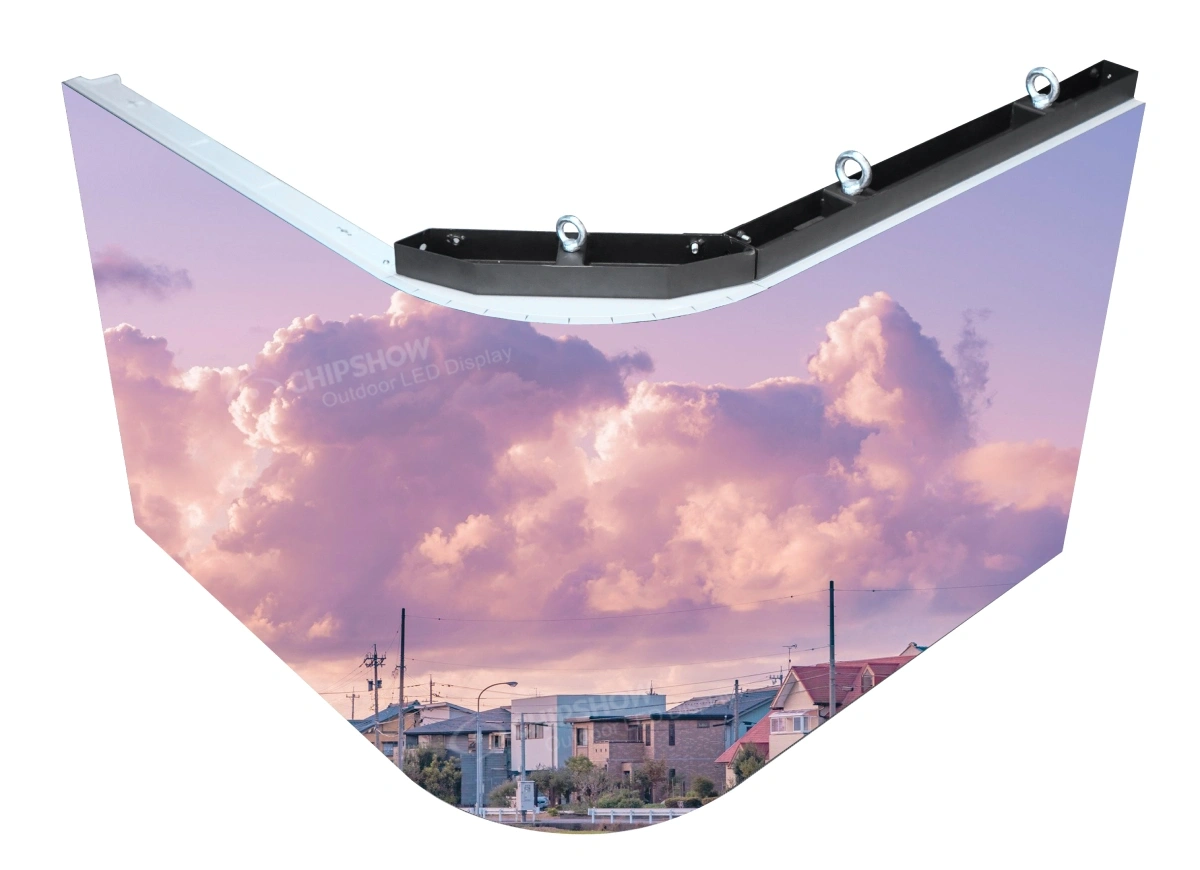
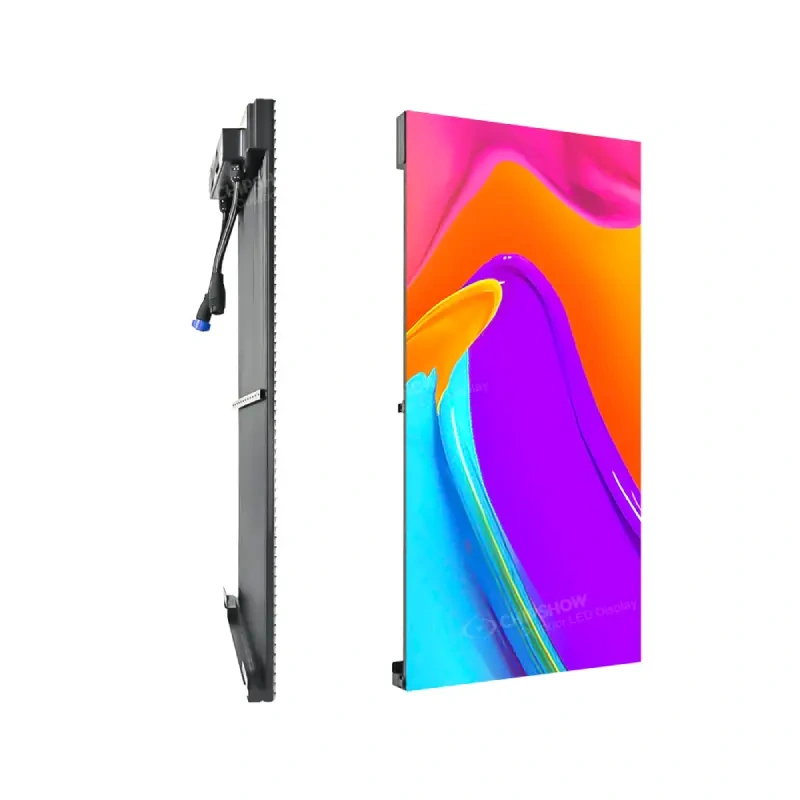
C-Max Commercial SMD and C-MAX-COB cabinets have a 640 × 480 mm face (4:3) for flat display layouts. A modular wall can be configured to different aspect ratios, but replacing an existing LCD wall still requires measuring the actual opening, active display size, mounts and service access. For ultra-wide retail headers or right-angle column wraps, C-Max-C Retail Ribbon offers 1000, 750 and 500 mm cabinet widths with a 250 mm height and 90° corner splicing. Confirm the resulting layout and mounting details for the actual opening.
Fine Pixel Pitch vs. Standard Pixel Pitch
- Fine pixel pitch (P1.25–P2.0) delivers crisp images at close distances and is preferred for control rooms and executive spaces.
- Standard pixel pitch (P2.5–P4.0) provides excellent value for larger viewing areas.
The C-Max range includes several pitch options. Before planning a later upgrade, confirm compatibility of the frame, modules, power supplies and control system.
What Key Features Should You Look for in an Indoor LED Display?
- Pixel Pitch and Resolution: Use the rough guide that pixel pitch in mm ≈ minimum viewing distance in metres as a starting point, then evaluate actual content, fonts and sample images at the distance your audience will sit.
- Cabinet Geometry: The C-MAX-COB brochure specifies a 640 × 480 mm cabinet face (4:3). Build the wall layout in cabinet increments and confirm the dimensions of the exact variant you select.
- Energy Efficiency: Ask for measured power consumption at the brightness you will actually run, including low-brightness behaviour, and compare it across quoted systems.
- Cabinet Design and Serviceability: The C-MAX-COB brochure lists a 640 × 480 × 70 mm cabinet with front access to modules, power supplies and system cards. Confirm the service clearance and mounting method for the configuration you select.
- Refresh Rate: Confirm the quoted refresh specification, then test the complete panel and processor setup with the cameras, exposure settings and lighting planned for the room. A 3840 Hz label alone does not guarantee an image free of camera artifacts.
- Sustainability & Service Planning: Compare material information, repairability, spare-parts support and the supplier’s collection or take-back arrangements.
How Much Do Indoor LED Displays Cost?
Main Factors That Affect Pricing Price depends primarily on pixel pitch, screen size, cabinet quality (die-cast vs. sheet metal), and serviceability. Finer pitches cost more, but selecting the right pitch for your viewing distance avoids unnecessary expense.
Typical Price Ranges (Hardware Only, indicative in EUR)
- Small conference room display (2–4 m²): €5,500 – €22,000
- Medium retail or lobby signage (5–10 m²): €16,000 – €55,000
- Large indoor video wall (15–30+ m²): €50,000 – €200,000+
These are indicative hardware-only planning ranges. Request a dated, itemised quote for the selected configuration, including installation, control systems and structural work.
Total Cost of Ownership Include installation, mounting structure, video processing, operating power, spare modules and the applicable end-of-life collection or recycling arrangements. Use power figures for the quoted configuration and measurement conditions, rather than a generic real-world average. Estimate electricity cost from the measured system input, operating hours and your electricity tariff. Budget service labour, replacement parts and maintenance visits separately.
What Are the Pros and Cons of Indoor LED Displays?
Advantages
- Seamless, bezel-free images built up from modular cabinets
- Modular construction can allow individual display sections to be serviced.
- Some configurations are designed for quiet operation; confirm the noise characteristics of the quoted system for conference rooms and similar spaces.
- Front access to modules, power supplies and system cards on C-MAX-COB configurations
- Modular cabinet layouts offer a choice of display proportions, subject to cabinet increments and the available space
- Manufacturer documentation on materials and energy behaviour can support corporate sustainability reporting
Limitations and Trade-Offs
- Higher upfront cost than basic LCD solutions; whether operating savings offset this depends on your usage and should be calculated per project
- Very fine pitches increase price for extremely close viewing if not required
- Content management systems add some complexity compared to simple HDMI setups
How to Choose the Right Indoor LED Display for Your Project
- Use viewing distance to shortlist pixel pitches, then compare your actual fonts, graphics and video on a sample.
- If replacing an existing LCD video wall, measure the opening, active display size, mounts and service access before choosing cabinet geometry.
- Choose 100% front-service designs for space efficiency and easier maintenance.
- Check the quoted configuration, supporting documentation and operating-cost assumptions before ordering.
- Calculate total cost of ownership, including energy use and recycling obligations.
Chipshow’s C-Max series offers tailored solutions:
- C-Max-Eco: Positioned as a budget-friendly option for retail and SMB projects
- C-Max Commercial SMD: Versatile workhorse with native 4:3 ratio
- C-Max Fine-Pitch COB: Fine-pitch COB with a protected display surface for close-viewing applications
- C-Max-C: Creative ribbon displays for retail headers and column wraps
For a Netherlands warehouse order, agree the chosen configuration, dispatch date and spare-parts provision with the supplier.
Choosing the right indoor LED display comes down to matching pixel pitch, size, features, and energy performance to your specific needs and budget. Focus on total cost of ownership and supplier support rather than price alone.
Ready to find the best solution? Contact the Chipshow team for a tailored recommendation.
Not sure which format or pixel pitch fits your European project? Try the Chipshow LED screen selector to shortlist options.